

Root Chakra Guide to Meaning and Blockage
Root Chakra Guide to Meaning and Blockage

Your feet hit the floor each morning, but some days the ground feels shaky even when nothing obvious is wrong. That subtle sense of unease often traces back to the root chakra, known in Sanskrit as Muladhara. This energy center sits at the very base of the spine and governs your most primal needs: safety, stability, and the basic trust that you belong here on this earth.
Muladhara chakra meaning boils down to “root support.” It’s the foundation that lets you stand firm when life gets turbulent. When this center functions well, you move through the day with quiet confidence. Bills get paid without panic. Sleep comes easier. Decisions feel less like free-falls. When it’s out of balance, anxiety creeps in over small things, the body stays tense, and even simple routines feel exhausting.
This guide walks you through what the root chakra actually does, how to spot when it’s struggling, and—most importantly—practical steps to bring it back into balance. These are wellness practices drawn from yoga tradition and modern nervous-system understanding. They are not a substitute for medical or mental-health care.
What Is the Root Chakra?
The root chakra forms the energetic base of the traditional seven-chakra system. Think of it as your internal security system. It monitors whether your basic survival needs feel met: shelter, food, physical safety, financial security, and a reliable sense of belonging.
Muladhara Chakra Meaning in Simple Terms
Muladhara combines “mula” (root) and “adhara” (support or foundation). In everyday language, it’s the part of you that decides “I am safe enough to relax.” A balanced root chakra doesn’t mean you never worry. It means worry doesn’t hijack your entire system. You can feel fear and still take the next practical step.
Root Chakra Location, Element, Color, and Associations
It resides at the base of the spine, between the perineum and the tailbone, near the pelvic floor. Its element is earth—solid, heavy, grounding. The color is deep red, the shade of rich soil or oxygenated blood. Physically it connects to the legs, feet, bones, large intestine, and adrenal glands. Emotionally it influences trust, fear, survival instincts, and your relationship with money and home.
Root Chakra at a Glance
| Aspect | Details |
| Sanskrit Name | Muladhara |
| Location | Base of spine / pelvic floor |
| Element | Earth |
| Color | Deep red |
| Key Themes | Safety, stability, survival, belonging |
| Body Associations | Legs, feet, bones, adrenals, large intestine |
| Balanced State | Calm confidence, steady energy, practical action |
| Imbalanced State | Chronic anxiety, restlessness, or numbness |
Signs Your Root Chakra May Be Blocked or Imbalanced
Imbalance rarely arrives with dramatic fireworks. It shows up in the small, repeating patterns that drain your energy over months.
Emotional and Behavioral Signs (Underactive vs Overactive)
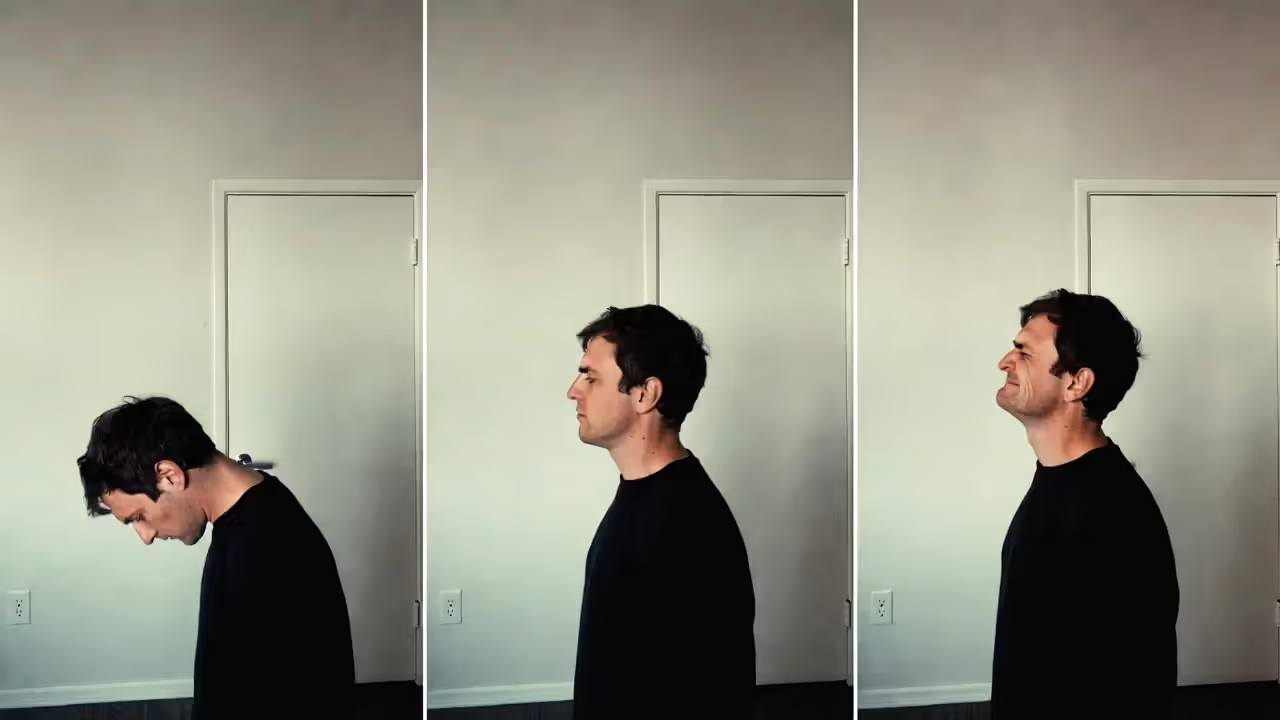
Underactive root energy often feels like emotional flatness or disconnection. You go through the motions but nothing lands deeply. You might hoard money out of fear or avoid making plans because the future feels uncertain.
Overactive root energy shows up as hyper-vigilance. You scan every room for threats, over-prepare for worst-case scenarios, or become rigid about routines because any change feels dangerous.
Underactive vs Overactive vs Balanced
| Area | Underactive | Overactive | Balanced |
| Emotions | Numb, detached, low motivation | Constant worry, panic over small things | Steady calm with appropriate concern |
| Daily Life | Procrastination on basics | Over-control, ritualistic behaviors | Reliable routines without rigidity |
| Relationships | Isolation, difficulty trusting | Clinginess or suspicion | Secure attachment, healthy boundaries |
| Energy | Fatigue, heaviness in legs | Restlessness, wired but tired | Sustained vitality, good sleep |
| Body | Cold feet, lower-back stiffness | Tight pelvic floor, adrenal fatigue | Warm extremities, relaxed yet strong |
Author: Connor Evans;
Source: yogapennsylvania.com
Body-Level Signals + Medical Caution
Common physical cues include persistent lower-back pain, cold hands and feet, digestive sluggishness, unexplained fatigue, or recurring issues with legs and feet. These symptoms overlap with many medical conditions—sciatica, arthritis, thyroid problems, anemia, or hormonal shifts. Always consult a doctor for ongoing pain, bowel or bladder changes, or severe fatigue. Root chakra practices can support your sense of stability but never replace professional diagnosis or treatment.
Why the Root Chakra Gets Blocked
The root chakra closes when the nervous system decides the environment isn’t safe enough. Modern life supplies plenty of reasons: job insecurity, frequent moves, financial pressure, family conflict, or unresolved childhood experiences where basic needs went unmet.
Modern Triggers
Chronic overwork keeps the body in low-level fight-or-flight. Frequent moves or unstable housing signal to the nervous system that safety is temporary. Financial scarcity or even just watching the news can reinforce the belief that resources are unreliable.
The “Safety” Loop
Here’s a common cycle I see often: someone feels anxious about money, so they work longer hours and skip rest. The exhaustion makes them more anxious, which tightens the body further and reinforces the original fear. Breaking this loop requires addressing both the practical reality and the body’s learned response.
The body keeps the score
— psychiatrist Bessel van der Kolk
When early experiences taught that the world is unpredictable, the nervous system stays on guard long after the original threat has passed.
How to Unblock Root Chakra: A Step-by-Step Plan
Start where you are. The fastest way to unblock the root chakra is to give your nervous system repeated, small experiences of safety.
Step One: Regulate First (Breath + Simple Grounding)
Before any deeper work, calm the alarm system. A quick rule of thumb: if your shoulders are near your ears or your breathing is shallow, begin here.
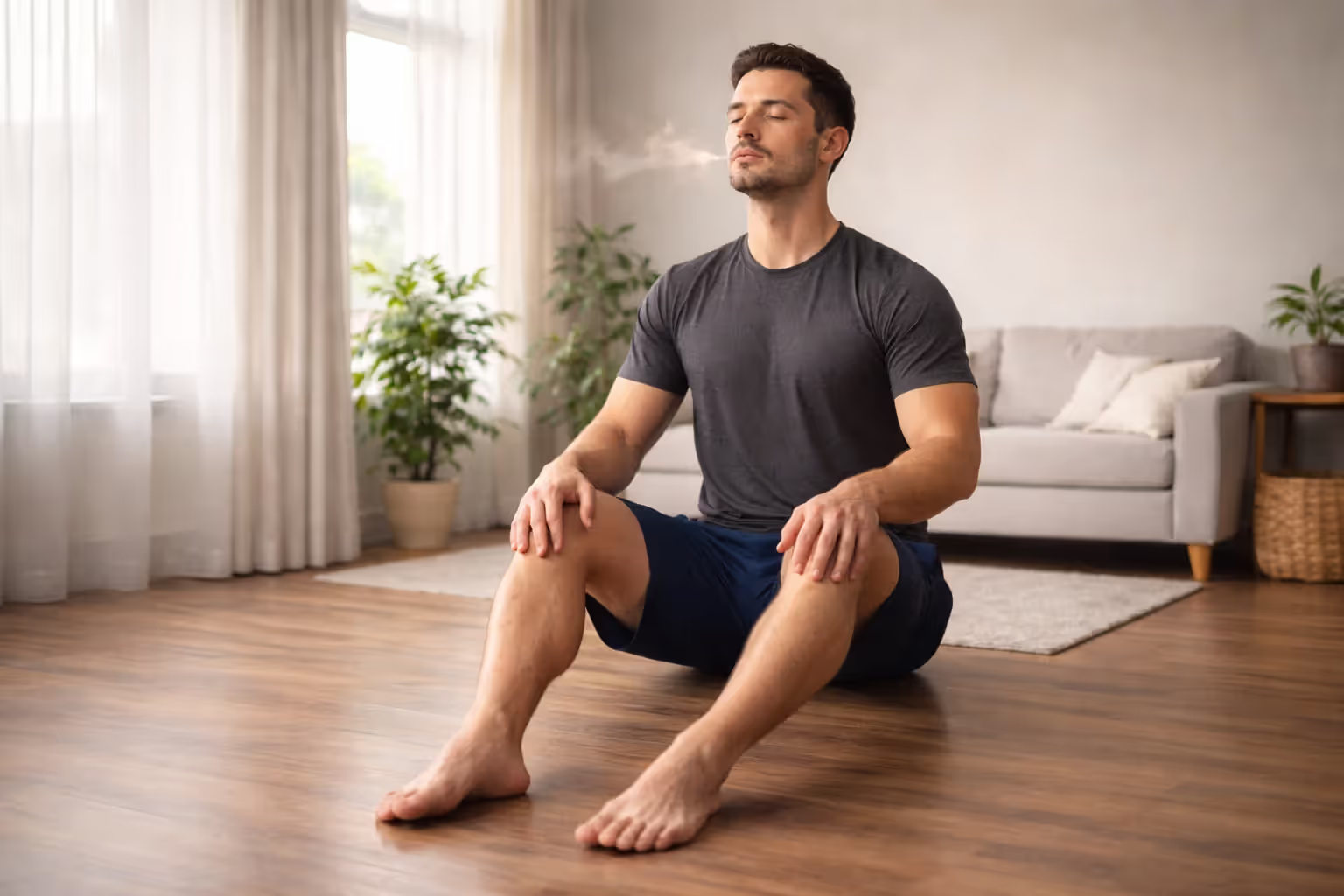
Try this 2-minute reset: Sit or stand with feet flat. Inhale normally, then exhale slowly for a count of six. Feel your weight sinking into the ground. Do this whenever anxiety spikes. It tells the body “we are safe right now.”
Author: Connor Evans;
Source: yogapennsylvania.com
Step Two: Root Chakra Meditation (5–8 Minute Script)
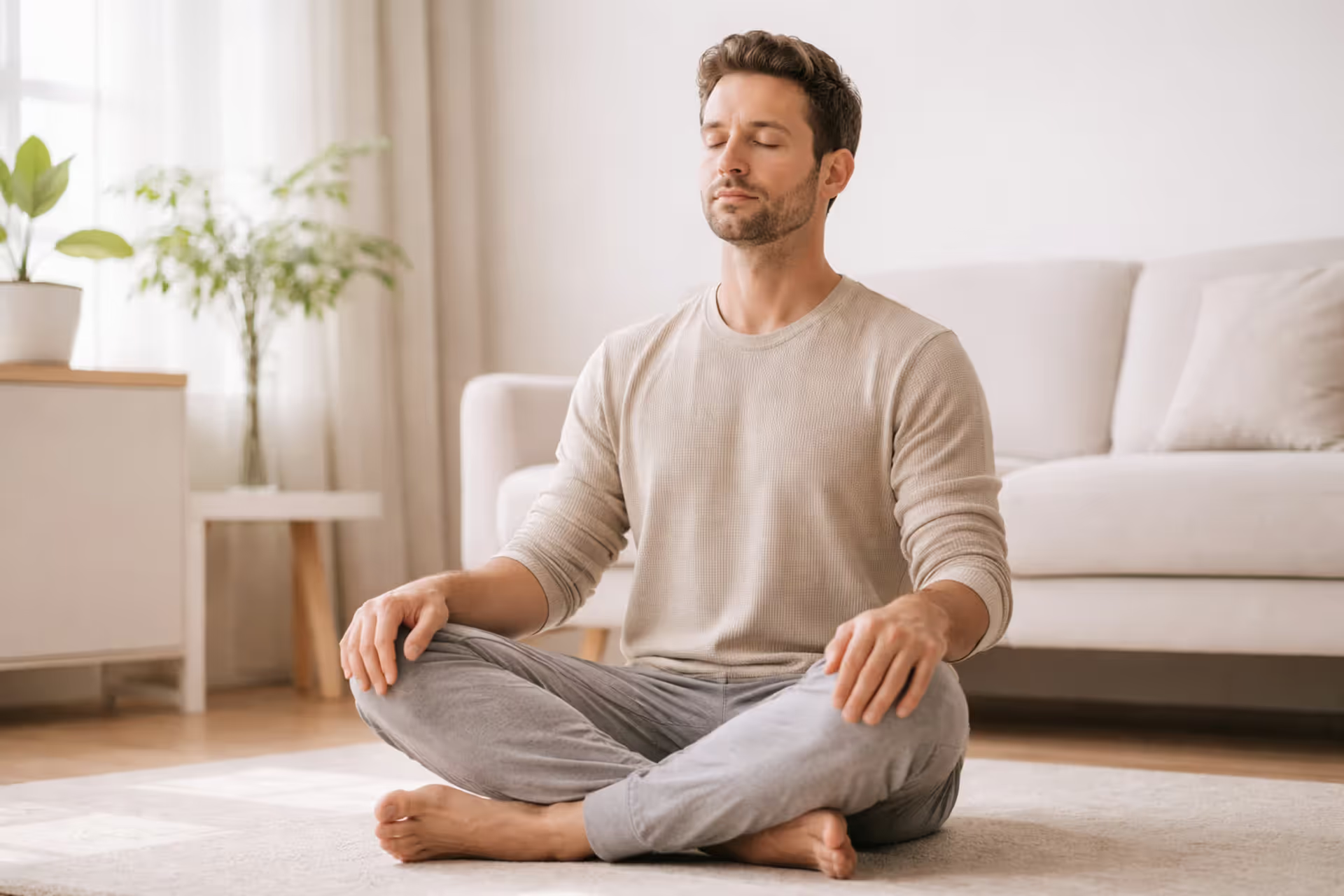
Find a quiet spot. Sit or lie down with your back supported. Place one hand on your lower belly and the other on your chest.
Close your eyes or soften your gaze. Breathe naturally for a few rounds. Then imagine roots growing from the base of your spine down into the earth—thick, strong, flexible. With each exhale, send any tension or fear down those roots. With each inhale, draw up steady, nourishing energy from the ground.
Silently repeat: “I am safe. I am supported. I belong here.” Stay with the imagery and words for 4–5 minutes. When your mind wanders, gently return to the sensation of contact with the floor or chair.
If anxiety rises during meditation, keep your eyes open and focus on naming five things you can see or feel in the room. Shorten the session to three minutes and build from there.
Step Three: Root Chakra Affirmations That Translate into Behavior
Words alone don’t shift energy. Pair them with one small action.
- “I am safe and supported” → Stand barefoot on grass or floor for 60 seconds while saying it aloud.
- “My needs are valid” → Pay one small bill or schedule one neglected health appointment this week.
- “I trust myself to handle what comes” → Make one decision you’ve been avoiding, even if it’s minor.
- “I release what I cannot control” → Write down three worries and physically tear up the paper.
Speak the affirmation after a full exhale when your nervous system is quieter.
Step Four: Build Stability Habits
Long-term balance comes from consistent real-world grounding.
- Sleep and wake at roughly the same times.
- Keep a simple budget or spending log so money feels less mysterious.
- Move your body daily—walking counts.
- Maintain a small emergency fund, even if it grows slowly.
- Create one non-negotiable daily ritual (morning coffee in the same chair, evening stretch).
The only way out is through.
— Robert Frost, poet
Root Chakra Yoga Poses (Grounding Sequence)
Yoga for the root chakra emphasizes poses that connect you to the earth and strengthen the lower body.
Best Root Chakra Yoga Poses
| Pose | Why It Helps | Beginner Modification | Contraindications |
| Mountain Pose | Builds postural awareness | Hands on hips | None major |
| Warrior I | Strengthens legs and focus | Shorten stance | High blood pressure (modify) |
| Squat (Malasana) | Opens hips, grounds energy | Sit on blocks or rolled blanket | Knee issues—use support |
| Child’s Pose | Releases lower back tension | Wide knees for belly room | Pregnancy—use side-lying instead |
| Legs-Up-the-Wall | Calms nervous system | Bolster under hips | Glaucoma, recent neck injury |
| Corpse Pose (Savasana) | Integrates practice | Knees bent with support under them | None—most accessible |
Author: Connor Evans;
Source: yogapennsylvania.com
Grounding Yoga Poses for Root Chakra: 10-Minute Sequence
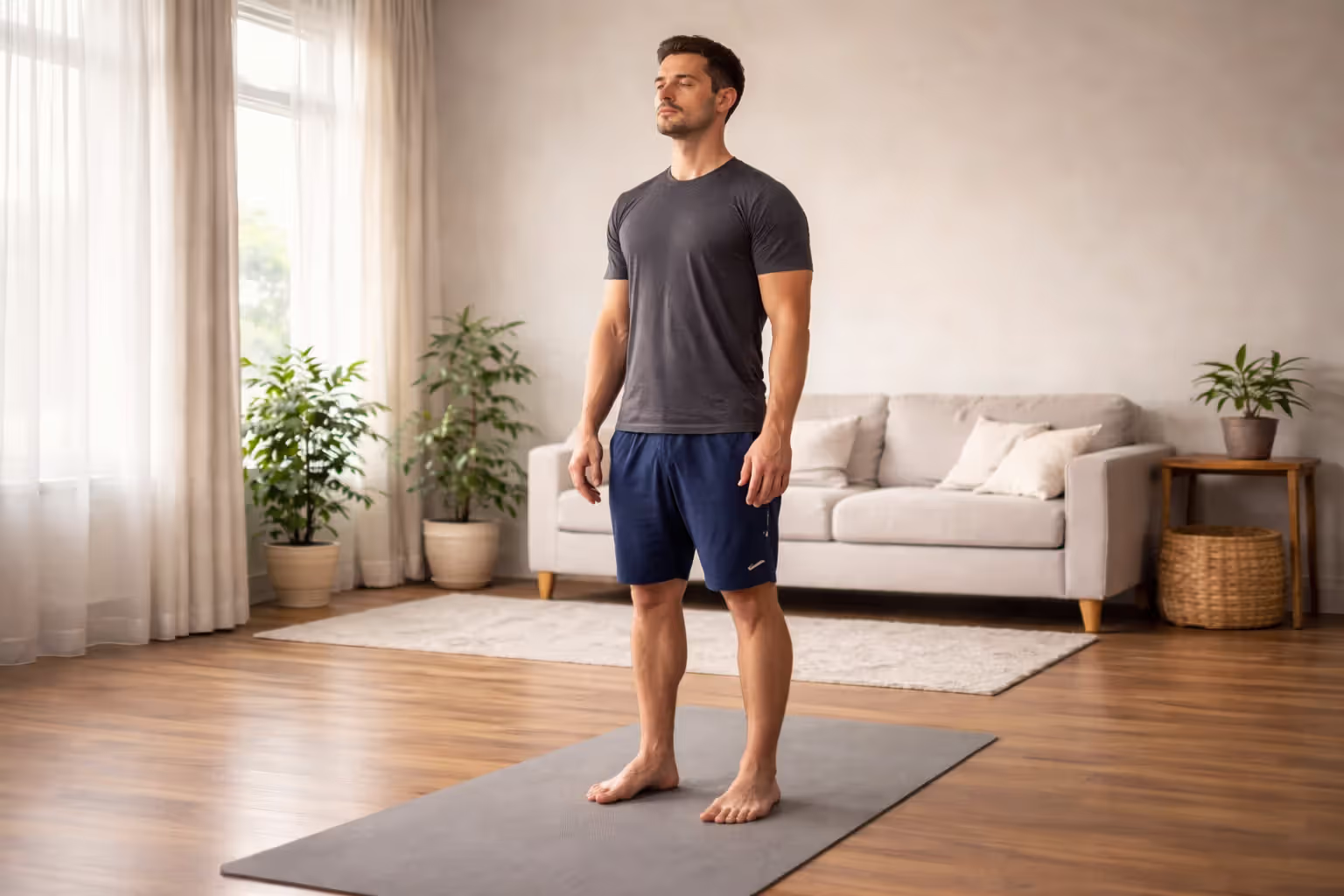
- Mountain Pose (1 min) – Stand tall, feel feet rooted.
- Warrior I (30 sec each side) – Strong legs, steady gaze.
- Squat (1 min) – Breathe deeply into the pelvis.
- Child’s Pose (2 min) – Release forward.
- Legs-Up-the-Wall or supported bridge (3 min).
- Savasana (2 min) – Let everything settle.
Safety Checklist for Hips/Knees/Low Back
- Never force a pose.
- Use props generously.
- Skip deep squats or forward folds if you have acute knee, hip, or disc issues.
- Pregnant practitioners should modify or consult a prenatal yoga teacher.
- Stop immediately if you feel sharp pain.
Practical Examples: What “Being Grounded” Looks Like in Daily Life
Example 1: Anxiety Spike → 90-Second Grounding Reset
You’re stuck in traffic and heart rate climbs. Plant both feet, exhale slowly six counts, name three things you can feel physically (seat, steering wheel, feet). This interrupts the panic loop faster than trying to “think positive.”
Example 2: Decision Paralysis → Body-Based Stability Check
Faced with a big choice, you freeze. Stand up, walk slowly around the room, and ask: “What does my body need right now to feel even 5% safer?” The answer is often simple—water, a short walk, or writing down pros and cons. Action breaks the freeze.
7-Day Root Chakra Reset
- Day 1: 5-min breath + barefoot walk; journal one thing that felt stable today.
- Day 2: Root chakra meditation script; pay one small bill mindfully.
- Day 3: 10-min yoga sequence; set one non-negotiable bedtime.
- Day 4: Speak three affirmations aloud; eat one meal without screens.
- Day 5: Body scan + gentle movement; review your budget briefly.
- Day 6: Legs-Up-the-Wall + gratitude list for basic needs met.
- Day 7: Full sequence + reflect on any shifts in energy or mood.
FAQ
The root chakra reminds us that real strength starts with feeling safe in our own bodies and lives. You don’t need perfect circumstances. You need small, repeated proof that you can meet the moment. Begin with one conscious breath into the base of your spine and one deliberate step onto the floor. Those moments add up. Over time, the ground stops feeling shaky because you’ve taught yourself—through action—that you know how to stand on it.
Related Stories
Read more
Read more


The content on yogapennsylvania.com is provided for general informational and inspirational purposes only. It is intended to share yoga tips, meditation practices, wellness guidance, retreat experiences, and lifestyle insights, and should not be considered medical, therapeutic, fitness, or professional health advice.
All information, articles, images, and wellness-related materials presented on this website are for general informational purposes only. Individual health conditions, physical abilities, wellness goals, and experiences may vary, and results can differ from person to person.
Yogapennsylvania.com makes no representations or warranties regarding the accuracy, completeness, or reliability of the content provided and is not responsible for any errors or omissions, or for decisions or actions taken based on the information presented on this website. Readers are encouraged to consult qualified healthcare or wellness professionals before beginning any new yoga, meditation, or fitness practice.