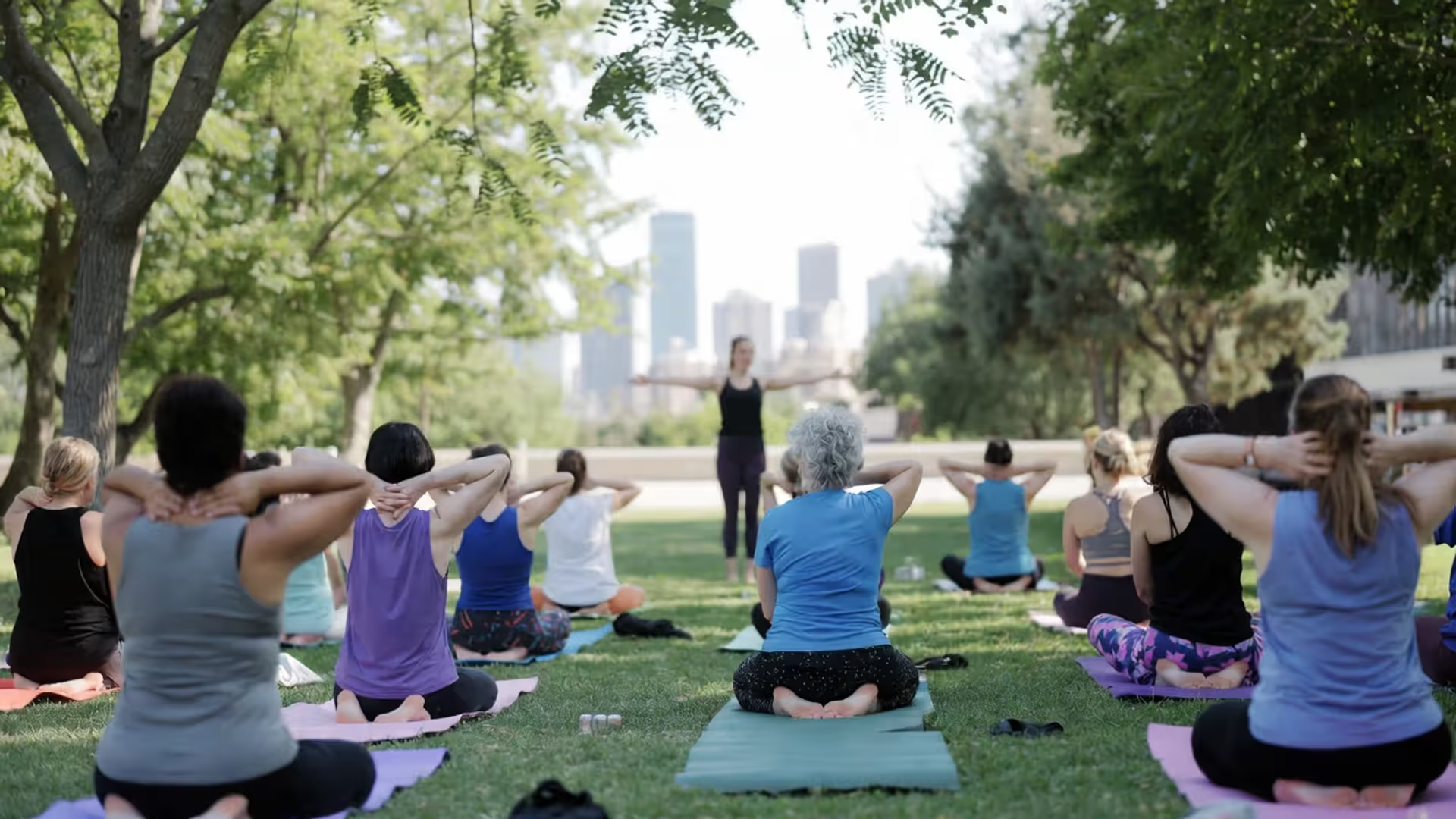
Group of people practicing free outdoor yoga in a city park with an instructor leading.
Free Yoga Classes Near Me: How to Find Local, Community & Outdoor Sessions

You want to try yoga but don't want to commit $150 a month to a studio membership before you know whether it's for you. Or maybe you already practice and simply want more mat time without the price tag. Either way, free and low-cost options exist in almost every U.S. city — they're just not always obvious.
This guide covers where to look, what to expect from donation-based models, how to identify beginner-appropriate sessions, and the practical steps for finding what's available in your specific area.
Where to Find Free Yoga Classes in Your Area
The phrase "free yoga classes near me" returns better results than most people expect — once you know which institutions actually host them.
Parks and recreation departments run complimentary fitness programming in most mid-size and large cities. Yoga shows up on summer schedules regularly, often held in public parks on weekend mornings. Check your city's parks department website directly — these sessions rarely appear on Google Maps or Yelp because they're municipal events, not businesses.
Community centers — especially those run by city or county governments — frequently offer weekly sessions at no charge or for a nominal facility fee ($2–$5). The YMCA and Jewish Community Centers (JCCs) often include mat classes in membership packages, and some offer standalone community sessions open to non-members.
Public libraries have quietly become wellness hubs. Library systems in cities like Denver, Austin, and Portland host monthly or weekly sessions in meeting rooms — completely free, no registration required. Search your library district's event calendar.
Universities offer free sessions through campus recreation departments, usually open to students, staff, and sometimes the public. If you live near a college campus, check their rec center schedule.
Wellness festivals and health fairs pop up seasonally in most metro areas. Earth Day events, wellness weeks, and cultural festivals frequently include open-access group sessions led by local instructors looking to build visibility.
How to search effectively: Type "free yoga classes near me" + your city name into Google. Then check these five sources separately: your city parks department site, local library event calendar, Facebook Events filtered by your zip code, Eventbrite (filter: "free"), and Meetup.com (search: "yoga" within your area).
Local Yoga Studios Offering Free or Donation-Based Classes
Intro Offers and Free Trial Classes
Author: Jackson Wright;
Source: yogapennsylvania.com
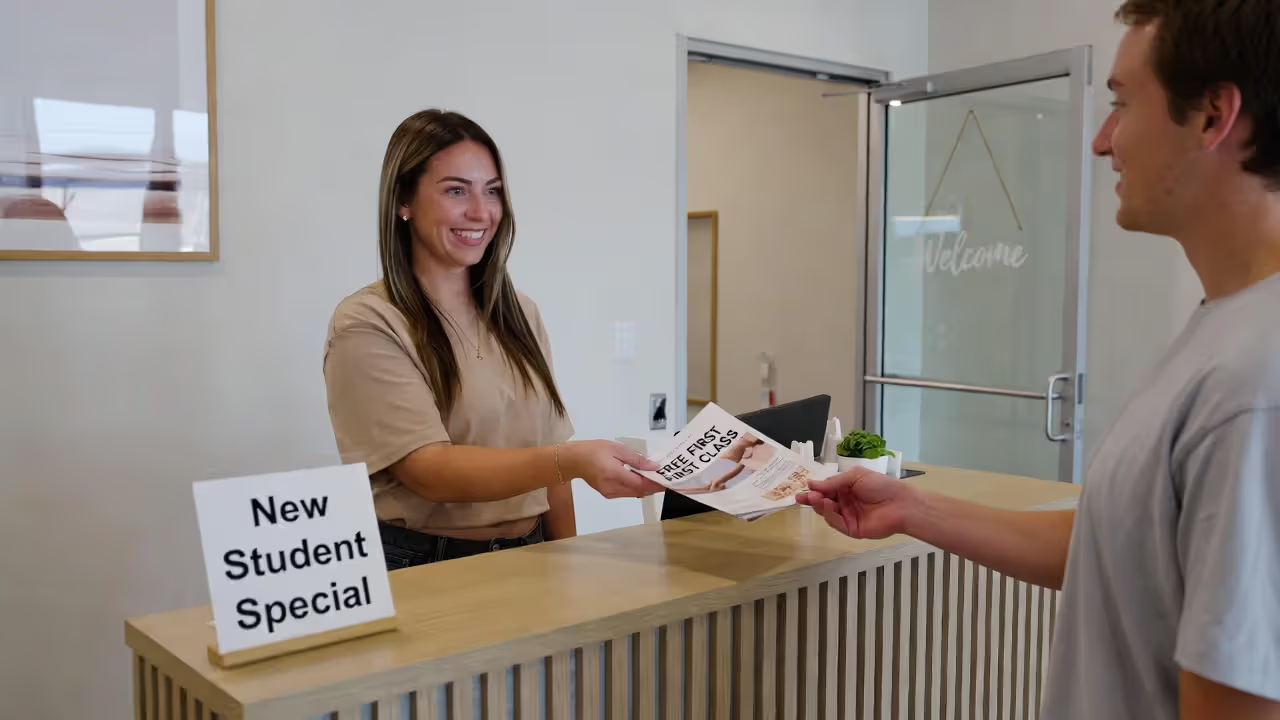
Most local yoga studios offer some form of introductory deal — a complimentary first class, a $10 first week, or an unlimited trial pass for new students. These aren't charity; they're customer acquisition tools. But they're genuine mat time with professional instruction, and there's no obligation to continue.
A few things to watch: some "free trial" offers auto-enroll you in a membership that charges after the trial ends. Read the terms before swiping a card. Ask at the front desk whether the trial requires a payment method on file. If it does, set a calendar reminder to cancel before the billing date if you decide not to continue.
Studios that host weekly "community class" slots — typically one evening per week at a reduced rate or pay-what-you-can — are becoming common. These exist partly as a service commitment and partly to fill off-peak time slots. Saturdays at noon and Tuesdays at 7:30 PM are the most frequent community class windows.
Donation-Based Yoga Classes Explained
Donation based yoga classes operate on a sliding-scale model. No fixed price is set; attendees contribute what they can. The suggested donation is usually $5–$15, but paying $0 is explicitly permitted at most.
Some donation models use an envelope or basket by the door (anonymous). Others use a Venmo QR code or a digital payment link. A few studios track donations digitally but don't enforce minimums.
The social contract: contribute when you can, even if it's $2. Instructors leading these sessions are either volunteering their time or accepting below-market pay to make the offering accessible. Consistent zero-dollar attendance from people who can afford to contribute undermines the model for everyone.
| Type of Class | Typical Cost | Best Suited For |
| Studio intro / free trial | $0 (first visit) | Newcomers exploring studio options |
| Community class (studio-hosted) | $0–$10 suggested | Budget-conscious regulars |
| Donation-based (independent) | Pay what you can ($0–$15) | Anyone, especially lower-income practitioners |
| Municipal park session | $0 | Casual participants, seasonal attendees |
| Library-hosted session | $0 | Beginners wanting a low-pressure environment |
Beginner Yoga Classes Near Me: What to Look For
Signs a Class Is Beginner-Friendly
Author: Jackson Wright;
Source: yogapennsylvania.com
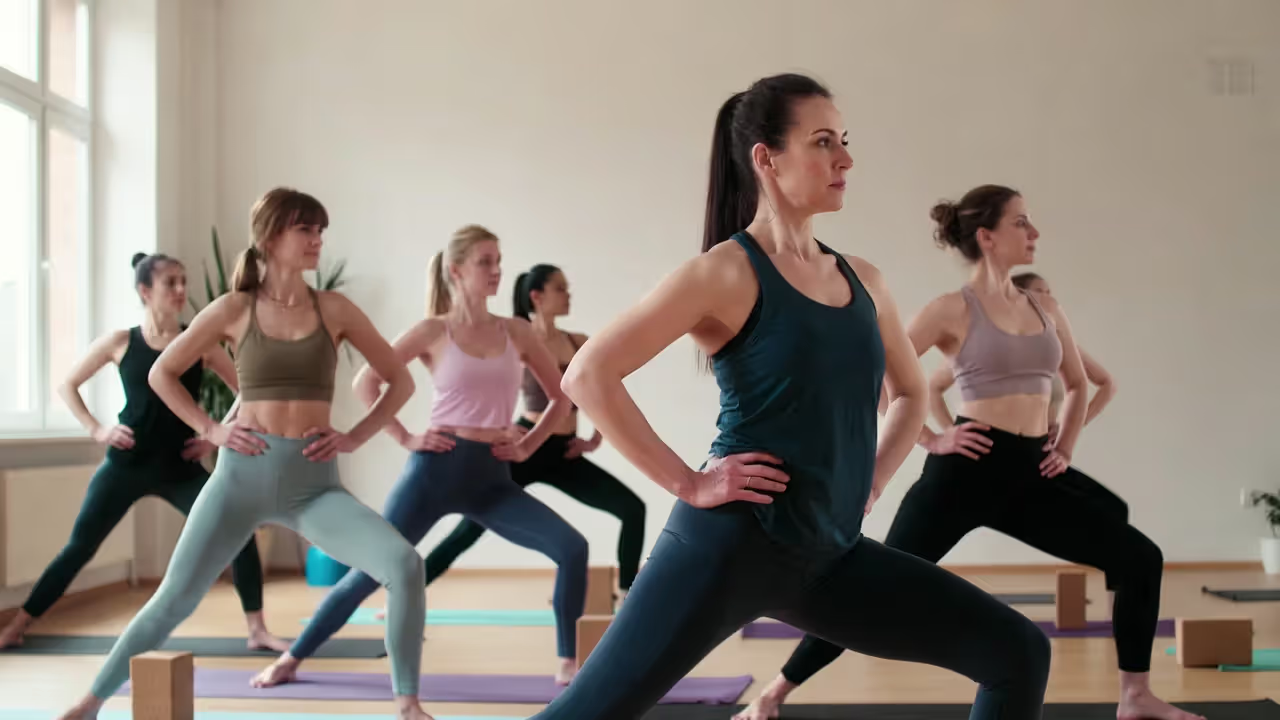
Pace is the clearest indicator. A well-run introductory session moves slowly enough that the instructor can explain hand placement, foot alignment, and breathing cues without rushing through poses. If the description mentions "power," "advanced flow," or "Level 2–3," it's not designed for newcomers.
Look for labels: "Level 1," "Gentle," "Basics," "Intro," or "All Levels" (though "All Levels" varies widely — some teachers genuinely scale for beginners, others default to intermediate pacing). When in doubt, email the studio or instructor directly and ask: "I've never taken a class before. Will this work for me?"
Props matter. A session that provides blocks, straps, and blankets signals that modifications are expected and supported. If the listing says "bring your own mat" with no mention of props, the instruction style may assume prior experience.
Questions to Ask Before Attending
- Is this session labeled "Level 1" or "All Levels"?
- Are mats and props provided, or should I bring my own?
- Is pre-registration required, or can I walk in?
- Are there physical prerequisites or pose expectations?
- What should I wear?
A quick rule of thumb for beginners: if you can comfortably sit cross-legged on the floor for five minutes and stand on one leg for ten seconds, you have enough baseline mobility for any true beginner class. If either of those feels difficult, look specifically for "chair yoga" or "gentle/restorative" sessions, which accommodate limited flexibility.
Community Yoga Classes & Nonprofit Programs
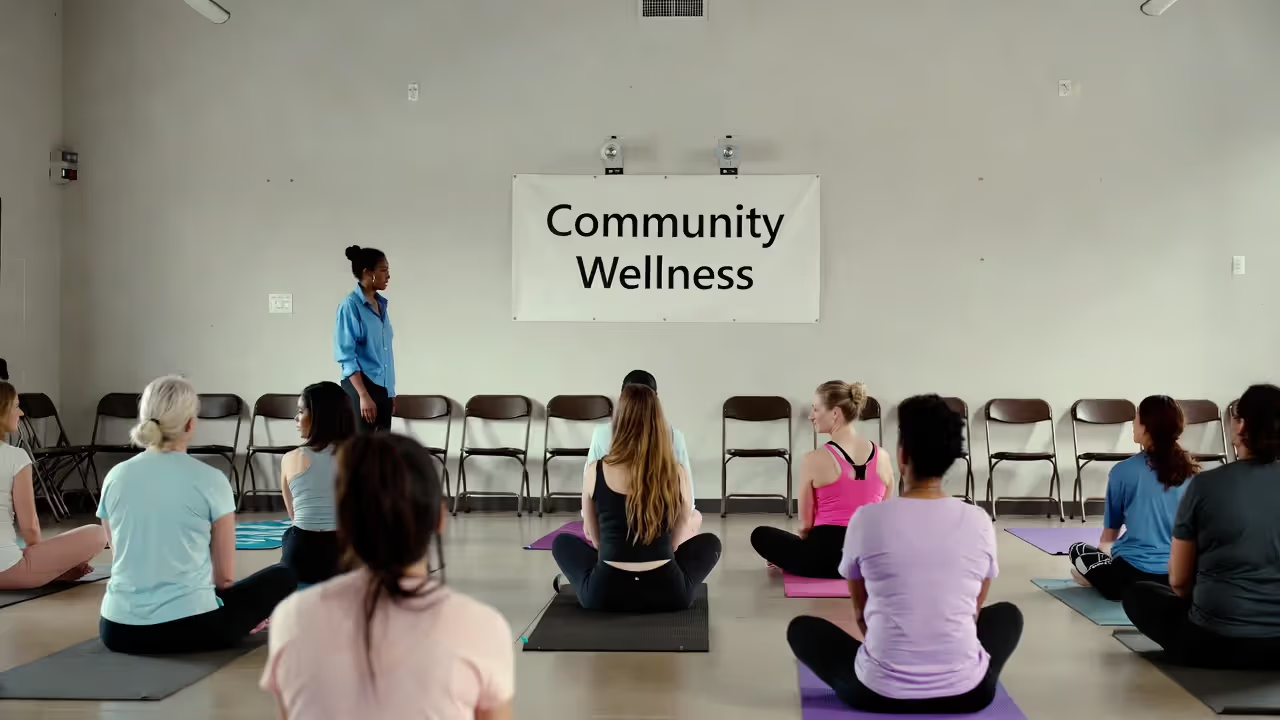
Community yoga classes serve a different function than studio offerings. They're designed for accessibility — reaching people who wouldn't otherwise walk into a studio because of cost, intimidation, or geographic barriers.
YMCA and community fitness centers include group mat sessions in standard memberships. Many Y locations offer financial assistance programs that reduce membership dues to $10–$25/month based on income — making these effectively the cheapest recurring option.
Faith-based community centers (churches, temples, mosques) sometimes host weekly wellness programming, including yoga, as part of outreach. These are typically secular in content — the instruction itself is standard — but held in a neighborhood-focused venue.
Volunteer-led meetups appear in neighborhoods with active wellness networks. Certified instructors donate their time to lead free weekly classes in parks, neighborhood gardens, or recreation centers. These often circulate through word of mouth, neighborhood Facebook groups, or Instagram Stories rather than formal event platforms.
Author: Jackson Wright;
Source: yogapennsylvania.com
Corporate wellness pop-ups open to the public happen near office parks and downtown areas during lunch hours or after work. Companies occasionally sponsor free open-air sessions as employee perks, and some welcome non-employees to join.
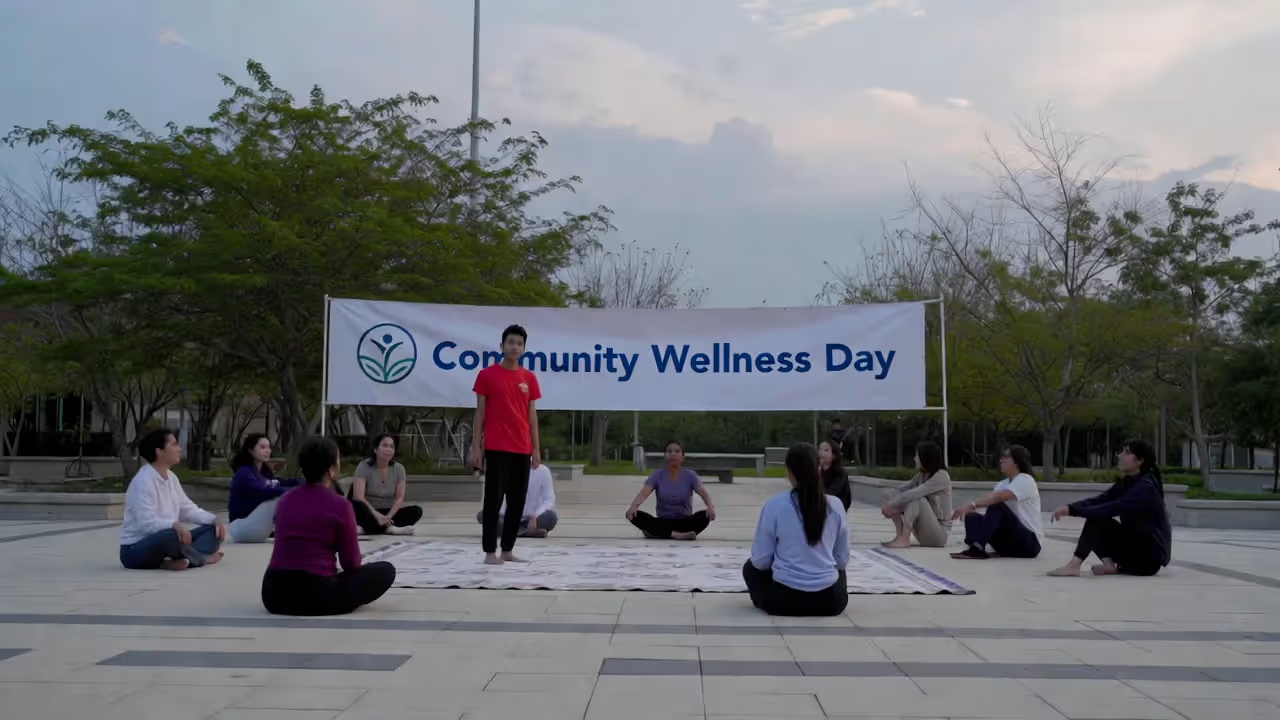
Seasonal example: many cities run "Fitness in the Park" or "Wellness Week" programming during summer months — May through September is peak season. Austin, San Diego, Chicago, and Minneapolis all run recurring free gatherings in public parks during warm months.
Outdoor Yoga Classes in Parks & Public Spaces
How to Find Outdoor Yoga Near You
Outdoor yoga classes are seasonal in most of the country (year-round in warm-climate cities). They tend to be free or donation-based and draw larger, more casual crowds than studio sessions.
Where to search:
City event calendars — your municipal parks and recreation site is the most reliable starting point. Look under "fitness," "wellness," or "special events."
Meetup.com — search "outdoor yoga" filtered by your zip code. Active Meetup groups organize recurring sessions in parks, beaches, and green spaces.
Instagram location tags — search the name of your local park + "yoga" to find instructors who post event announcements through Stories and Reels.
Eventbrite — filter by "free" and "health & wellness" within your area. Many open-air organizers list there for RSVPs.
Facebook Events — type "free yoga" in the Events search and set the location to your city. Filter by "this week" for immediate results.
What to Bring to Outdoor Yoga
- Your own mat or a large towel (park surfaces are uneven; a thick mat helps)
- A full water bottle
- Sunscreen applied before arrival (reapplying mid-session is impractical)
- A light layer — mornings and evenings cool quickly once you stop moving
- Insect repellent if practicing near water or grass at dusk
Skip the fancy outfit. Outdoor sessions are casual. Grass stains happen. Ants visit. The vibe is relaxed.
Free Yoga Workshops Near Me (Special Events & Pop-Ups)
Author: Jackson Wright;
Source: yogapennsylvania.com
Beyond regular weekly sessions, free yoga workshops near me surface through a few predictable channels:
Grand openings — new studios almost always host a launch event with complimentary instruction, snacks, and giveaways. Follow local studios on Instagram or sign up for their email lists to catch these.
Wellness fairs and health expos — these events frequently feature 30–60 minute demo segments led by local instructors. Check convention center or fairground event calendars in your metro area.
Charity fundraisers — "yoga for a cause" events pair a no-cost or donation-based session with charitable giving. These tend to cluster around International Yoga Day (June 21), Earth Day, and mental health awareness months.
Brand-sponsored sessions — athletic apparel companies (Lululemon, Alo Yoga, Nike) sponsor no-cost community offerings in major cities, especially during product launches or seasonal campaigns. Check brand websites and their local store social accounts.
| Workshop Type | Typical Duration | Usually Free? | Notes |
| Studio grand opening | 45–75 min | Yes | One-time; follow studios for announcements |
| Wellness fair demo | 30–60 min | Yes | Often part of a larger event with booths |
| Charity / cause event | 60–90 min | Donation suggested | Tied to specific dates or awareness months |
| Brand-sponsored pop-up | 45–60 min | Yes | Limited spots, RSVP usually required |
How to Search Smarter (Finding Free Sessions Efficiently)
Google Maps: Search "yoga" and filter by rating. Check individual studio pages for "community class" or "free" mentions in their Google listing details or website links.
Facebook Events: The most underused resource. Set your location, search "free yoga," and filter by date. Many grassroots organizers post only on Facebook — not on Eventbrite or Google.
Studio newsletters: Subscribe to 3–5 local studio mailing lists. Free community classes, seasonal specials, and workshop announcements typically go out by email first.
Zip code specificity: "Free yoga 90210" often returns more targeted results than the generic "near me" query, especially in densely populated areas where Google's proximity algorithm may favor paid listings.
Seasonal timing: New offerings launch most frequently in early January (resolution season), late March (spring weather), and September (back-to-routine). Check these periods proactively.
Yoga was never meant to be exclusive. It belongs in parks, libraries, community halls — anywhere people are willing to unroll a mat and breathe together.
— Judith Hanson Lasater
Are Free Classes Worth It? Pros & Cons
What works well: Zero financial barrier. You can test multiple styles, instructors, and formats without commitment. Community-oriented settings often feel less intimidating than upscale studios. For experienced practitioners, free sessions offer supplemental practice without additional subscription costs.
What doesn't: Larger attendance means less individual attention — if an instructor is managing 40 people in a park, hands-on corrections are rare. Time slots are limited and often inconvenient (mid-morning on a Tuesday, for example). Instructor quality varies more than in paid settings; some leaders are newly certified and using free slots to build hours.
The practical takeaway: free offerings are excellent for exploration and supplemental practice. They're less ideal as your only source of instruction if you're a complete beginner who needs personalized alignment feedback.
Safety & Etiquette for First-Time Attendees
Arrive 10–15 minutes early — especially at outdoor or community events where mat space fills quickly and the instructor may not be able to repeat setup cues once the session starts.
Tell the instructor about injuries or limitations before the session begins. A quick "I have a knee issue — any poses I should skip?" takes five seconds and prevents problems.
Respect the donation model. If you can afford to contribute, do so — even $3 sustains the format for others.
At open-air events, follow park guidelines: stay within designated areas, carry out your trash, keep noise to a minimum if arriving late, and silence your phone.
Frequently Asked Questions
No-cost and low-cost sessions exist in nearly every U.S. metro area — the challenge is knowing where to look. Municipal parks departments, public libraries, studio community nights, and seasonal open-air events provide legitimate, instructor-led mat time without a subscription fee. Start by searching your specific zip code across the five platforms listed above, sign up for a few local studio newsletters, and check city event calendars monthly. The right session is probably closer and cheaper than you think.
Related Stories
Read more
Read more

The content on yogapennsylvania.com is provided for general informational and inspirational purposes only. It is intended to share yoga tips, meditation practices, wellness guidance, retreat experiences, and lifestyle insights, and should not be considered medical, therapeutic, fitness, or professional health advice.
All information, articles, images, and wellness-related materials presented on this website are for general informational purposes only. Individual health conditions, physical abilities, wellness goals, and experiences may vary, and results can differ from person to person.
Yogapennsylvania.com makes no representations or warranties regarding the accuracy, completeness, or reliability of the content provided and is not responsible for any errors or omissions, or for decisions or actions taken based on the information presented on this website. Readers are encouraged to consult qualified healthcare or wellness professionals before beginning any new yoga, meditation, or fitness practice.