
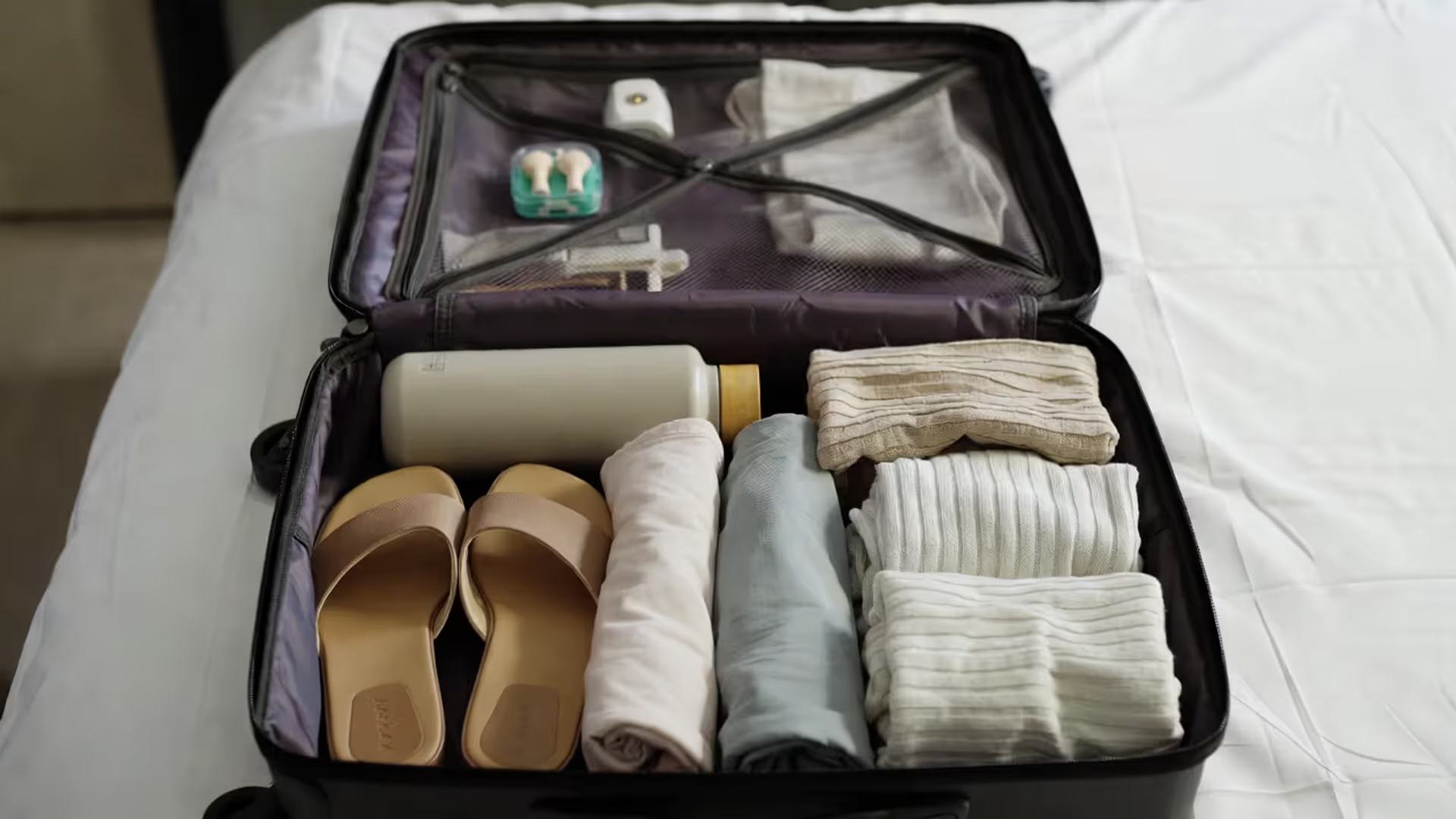
Open suitcase packed with yoga retreat essentials including headlamp, earplugs, water bottle, and practice clothes.
Yoga Retreat Packing List: What to Bring, What to Skip, and What Most People Forget

She zipped the suitcase shut, confident she had everything. Two days into a week-long retreat in Costa Rica, she realized she'd packed six outfits she never wore, forgotten earplugs for a shared dormitory with a world-class snorer, and left her headlamp at home — meaning every 5:30 AM walk to the shala involved stumbling through unlit jungle paths in flip-flops.
This yoga retreat packing list exists to prevent that exact scenario. The goal isn't to pack more — it's to pack right, based on where you're going, what the schedule looks like, and what the facility actually provides.
Before You Pack: Three Questions That Determine Your Entire List
Most overpacking happens because people skip these three questions and just start throwing things into a bag.
1. What's the climate and altitude? A mountain retreat near Asheville in October demands fleece layers and warm socks for unheated morning sessions. A beachside program in Tulum needs breathable fabrics, reef-safe sunscreen, and bug spray. These two destinations share almost nothing on a clothing list.
2. What does the daily schedule look like? A program with two mat sessions, a lecture block, and free afternoons requires different gear than one with four hours of movement, a silence protocol, and no excursions. Ask for the full daily schedule before you pack. If there's a beach afternoon or a guided hike, you need swimwear or trail shoes — items you'd otherwise leave out. If the schedule includes evening meditation or a fire circle, a warm wrap you wouldn't bring for daytime use becomes necessary.
3. What does the facility provide? Most centers supply yoga mats, blocks, straps, blankets, and bolsters. Many provide linens and towels. Some include basic toiletries. A few offer on-site laundry. Each answer eliminates something from your bag. Email the center directly and ask — the booking page rarely covers these details completely. Specifically ask about mat quality if you're particular about grip or cushioning; some facilities stock thin, worn-out mats that experienced practitioners find unusable.
These three answers shape everything that follows. Once you have them, the retreat preparation tips below become specific rather than generic.
Clothing and Layers: What to Wear at a Yoga Retreat Without Overpacking
Author: Connor Evans;
Source: yogapennsylvania.com
Deciding what to wear at a yoga retreat is simpler than most people make it. The guiding principle: functional layers that handle both the mat and the climate, in quantities you'll actually use.
On-Mat Clothing (Practice Gear)
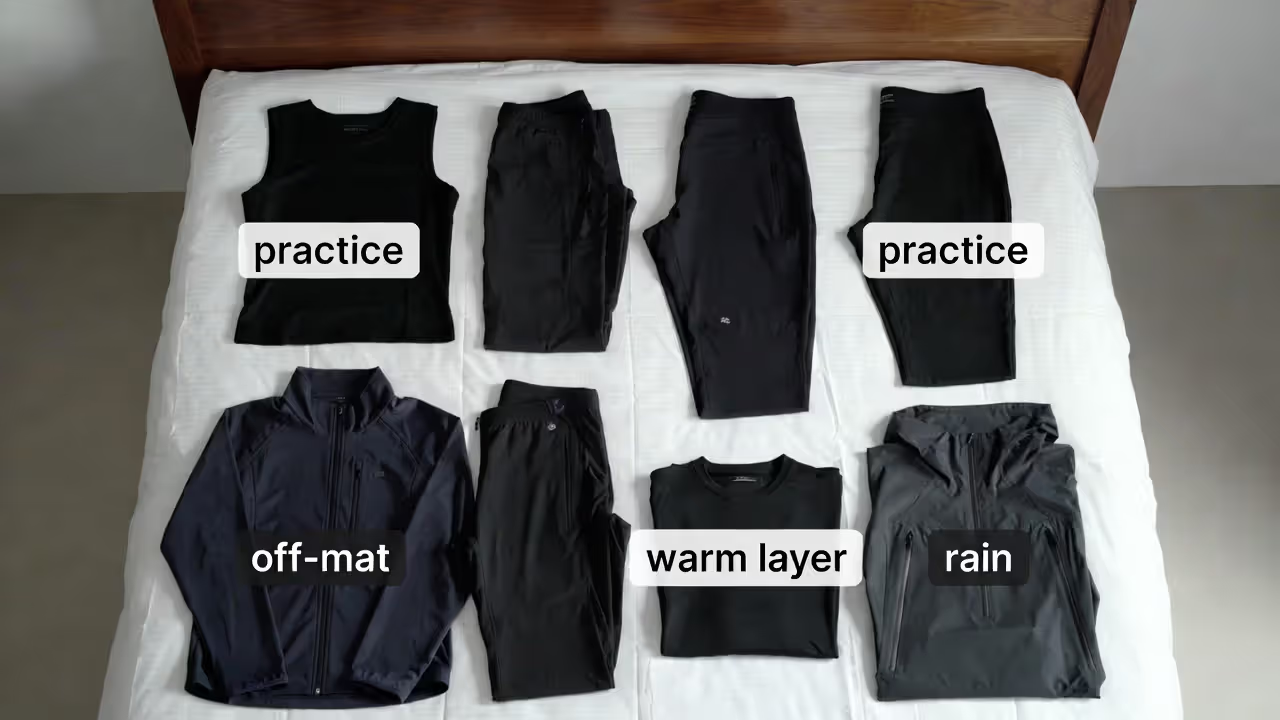
Rule of thumb: pack 3–4 complete practice outfits for a 7-day retreat if laundry access exists. If it doesn't, bring 5–6 sets.
A "practice outfit" means a top and a bottom — not a coordinated ensemble. Quick-dry synthetic blends (nylon-spandex, polyester-elastane) outperform cotton in every setting. Cotton absorbs moisture, dries slowly, and starts smelling by day two in tropical humidity. Synthetics rinse clean in a sink and dry overnight on a balcony railing.
Color tip: dark colors hide sweat stains and laundry-day wear better than pastels or whites. Black and navy are the workhorses of any practice wardrobe for a reason.
For early-morning sessions in unheated spaces — common at mountain locations and ashram-style facilities — pack one warm long-sleeve layer you can shed mid-class. A lightweight hoodie or half-zip pullover works. Avoid bulky fleece that restricts shoulder movement during overhead poses.
Bring one pair of grippy yoga socks if your feet run cold. Skip them otherwise — most practitioners prefer bare feet, and socks can reduce stability on hard floors.
The success of yoga does not lie in the ability to perform postures, but in how it positively changes the way we live our life and our relationships.
— T. K. V. Desikachar
Off-Mat Clothing (Meals, Free Time, Travel Days)
Gatherings outside the shala are deliberately informal. Most people rotate two or three casual outfits for meals, evening circles, and downtime. Loose linen pants, a comfortable sundress, or joggers with a basic tee cover every off-mat scenario you'll encounter.
One warm layer for evenings is essential even in tropical locations — ocean breezes and air conditioning in dining areas catch people off guard. A lightweight cardigan or flannel shirt handles this without taking up significant suitcase space.
Common mistake: packing "just in case" outfits — a nice dinner top, a going-out dress, an extra pair of jeans. These almost never leave the bag. Nobody dresses up at a retreat. The person in the most thoughtful outfit is usually wearing the cleanest version of what they practiced in that morning.
For travel days, wear your bulkiest items (sneakers, jeans or travel pants, outer layer) on the plane to save suitcase space. This single habit can free up 3–4 liters of bag volume.
The Core Packing List (Category by Category)
Author: Connor Evans;
Source: yogapennsylvania.com
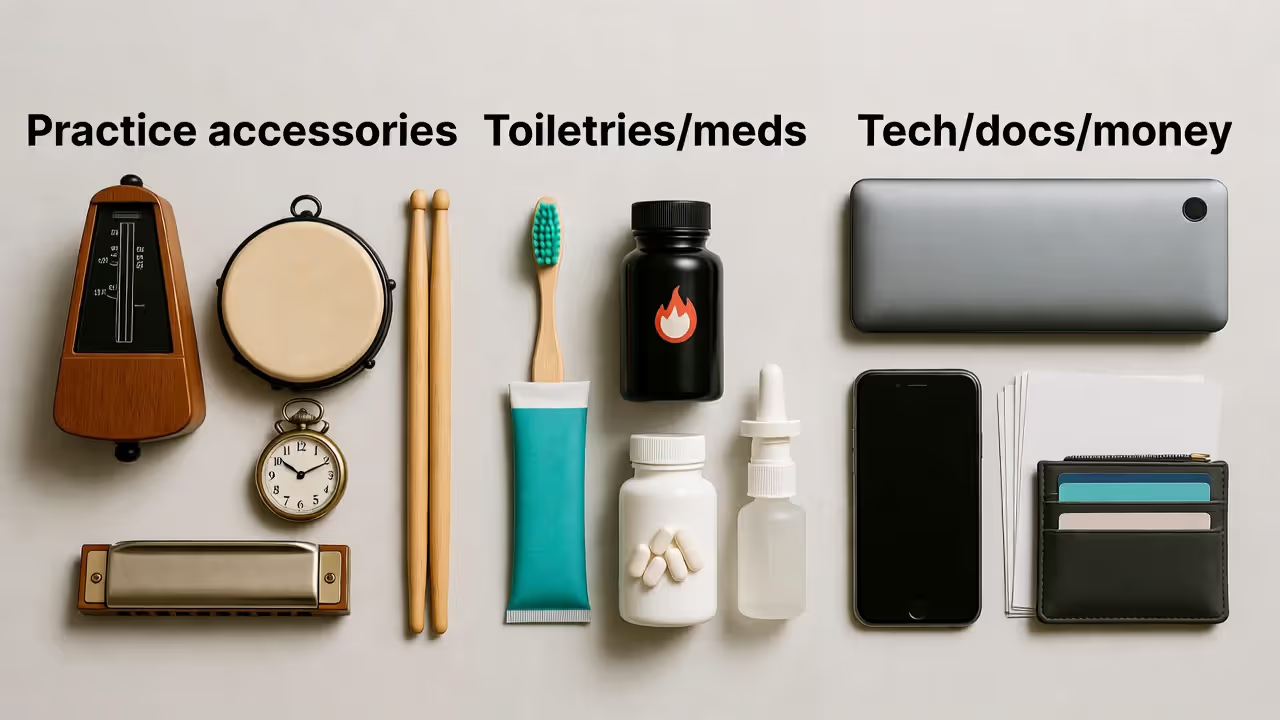
These yoga retreat essentials apply regardless of destination. Adjust quantities and specific items using the comparison table later in this article.
Mat, Props, and Practice Accessories
Most retreat centers provide mats and props — confirm before packing your own. If you strongly prefer your personal mat, consider a lightweight travel mat (under 2 lbs) rather than hauling a full-weight studio mat. A travel mat rolls tighter, fits in a carry-on, and avoids the checked-baggage headache.
Bring your own meditation cushion or travel zafu only if sitting on provided blankets or bolsters causes knee or hip discomfort. Otherwise, skip it.
A small quick-dry towel (hand-towel size) handles sweat during hot sessions and doubles as a grip aid on a rental mat.
Toiletries, Medications, and Sun/Bug Protection
Pack travel-sized versions of everything. Most retreat centers in the U.S. provide shampoo, conditioner, and body wash. International facilities vary — ask ahead.
Non-negotiables: any prescription medications (with originals in labeled bottles for international travel), a basic first-aid kit (bandages, anti-inflammatory, blister pads, antidiarrheal for international destinations), SPF 30+ sunscreen, and insect repellent for any tropical or rural location. Melatonin or a natural sleep aid helps with jet lag at international destinations — the first two nights in a new time zone often disrupt rest that compounds physical fatigue from daily mat work.
Skip the full skincare routine. You're there to simplify. A moisturizer with SPF, a cleanser, and lip balm cover most people for a week. Facility bathrooms typically have limited shelf space and shared showers — minimal kits are practical, not just philosophical. If you wear contact lenses, bring an extra pair of dailies or backup glasses; remote locations with no optician make lens problems a genuine inconvenience.
Tech, Documents, and Money
Passport (international) or government ID (domestic). Printed copies of booking confirmation, flight itinerary, and emergency contacts — phone batteries die at the worst moments. Store digital backups in a cloud folder you can access from any device.
One small power bank. A universal adapter if traveling internationally — Type C covers most of Central America and Europe; check your specific destination. Earbuds for travel and personal meditation. A journal and pen — most programs include reflection time, and handwriting serves the process better than typing.
Phone policy varies. Some locations enforce digital silence; others are relaxed. Pack your phone regardless, but consider deleting social media apps for the duration as a low-effort way to protect the immersion. If your program discourages devices during instruction, a dedicated alarm clock (or the power bank's alarm function) replaces the phone for wake-ups.
Cash in local currency for international destinations — many adjacent vendors (markets, cafés, transport drivers) don't accept cards. Budget $50–$100 in small bills for tips, incidentals, and roadside coconut water. ATMs near rural facilities are unreliable; withdraw before you arrive.
Items Most People Forget (and Regret)
Author: Connor Evans;
Source: yogapennsylvania.com
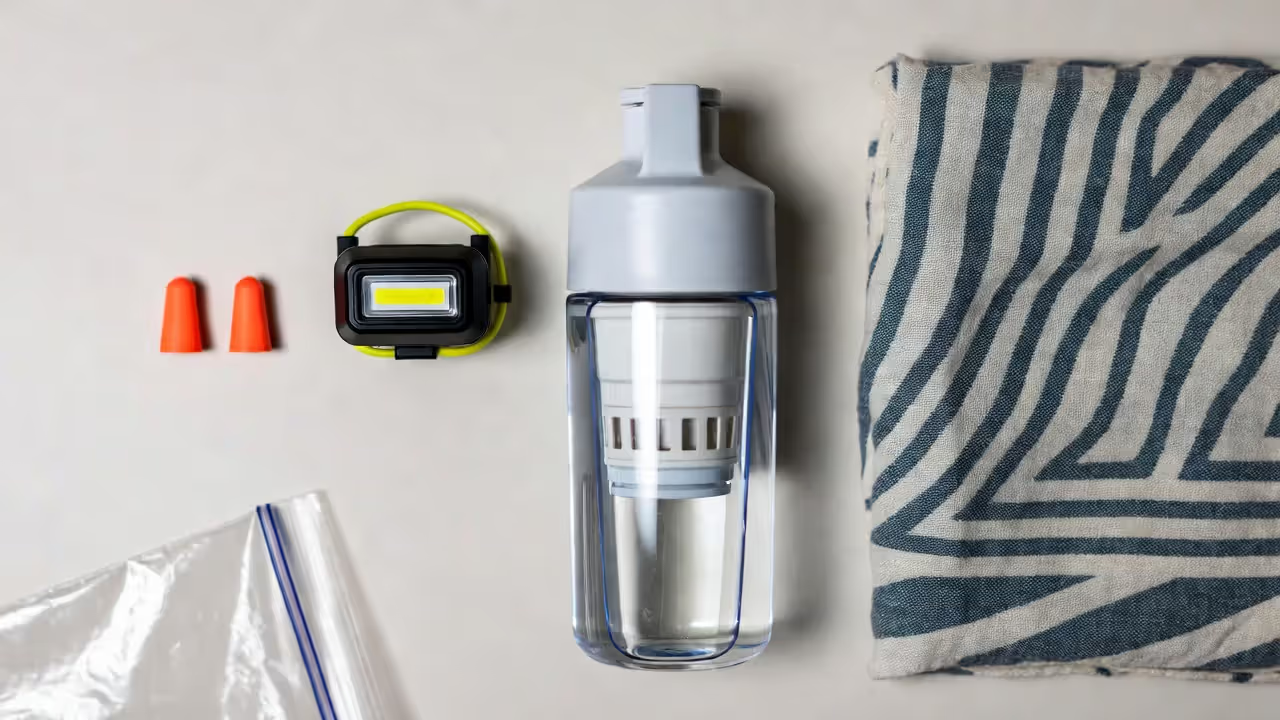
Earplugs. Shared rooms mean other people's alarm clocks, breathing patterns, and 4 AM bathroom trips. Tropical locations add roosters, howler monkeys, and geckos. A $3 pack of foam earplugs is the highest-value item on this list per ounce.
Headlamp or clip-on book light. Pre-dawn schedules plus unlit paths plus shared rooms where your roommate is still sleeping equals stumbling and frustration. A small clip light solves all three problems.
Refillable water bottle with a built-in filter. Essential for international locations where tap water isn't potable. Useful everywhere — hydration needs increase significantly with daily physical activity, warm climates, and the altitude factor at mountain facilities. A 20-oz bottle with a carbon filter (Brita, LifeStraw) costs $15–$25 and pays for itself in one trip by replacing single-use plastic purchases.
A lightweight scarf or sarong. This single item serves as a meditation wrap during cold morning sessions, a blanket for rest periods, a shoulder cover for visiting temples or cultural sites, a beach cover-up, and a makeshift pillow on travel days. Per-ounce, it may be the most versatile thing in your bag.
Ziplock bags (3–4 gallon-size). Wet swimwear, damp practice clothes, muddy shoes, and leaky toiletry bottles all need isolation from clean items. They weigh nothing and solve problems daily.
What to Leave at Home (Overpacking Mistakes That Waste Space)
Full-size toiletries. A 12-oz shampoo bottle for a 7-day trip is dead weight. Transfer what you need into 2-oz travel containers or buy TSA-size versions before your trip. Most drug stores carry kits for under $8.
Multiple books. One paperback plus a Kindle (or phone with downloaded books) handles any amount of free time. Packing three novels because "you might finish one" ignores that most schedules leave very little unstructured reading time. If you do read, expect to manage about 50 pages per day at most.
Jewelry and valuables. Shared accommodations with no personal safes mean anything precious is a liability. A simple watch and inexpensive earrings are the maximum. Leave heirlooms, expensive rings, and designer accessories home.
Heavy denim or formal clothing. No program on earth requires a blazer or hard-soled dress shoes. If your bag includes the word "formal," reconsider.
A full-sized yoga mat (when the center provides one). Unless your personal mat is genuinely essential to your practice, borrowing the center's equipment saves 4–6 lbs of baggage weight and eliminates the awkwardness of carrying a mat tube through airports.
A hairdryer. Most facilities provide one or the climate renders it unnecessary. Tropical humidity wins every argument with a blow dryer anyway.
Packing List by Retreat Type (Comparison Table)
Author: Connor Evans;
Source: yogapennsylvania.com
What to bring to a yoga retreat shifts depending on the setting. Use this table to adjust the core list above.
| Category | Tropical International | U.S. Mountain / Rural | Urban Studio | Camping / Glamping |
| Practice clothing | Lightest fabrics, minimal layers | Warm base layer + removable top | Standard activewear | Quick-dry synthetics, nothing precious |
| Outerwear | Light rain jacket | Fleece + rain shell | Light jacket for transit | Warm fleece + waterproof layer |
| Footwear | Sandals + one closed-toe shoe | Trail shoes + flip-flops for showers | City walking shoes + studio slides | Hiking boots + camp sandals |
| Toiletry considerations | Reef-safe sunscreen, strong bug repellent, water purification | Standard SPF, tick repellent | Minimal — city access to stores | Biodegradable products, wet wipes |
| Unique must-haves | Filtered water bottle, adapter plug, cash in local currency | Hand/toe warmers for early AM, headlamp | Transit card, umbrella | Sleeping bag liner, headlamp, camp towel |
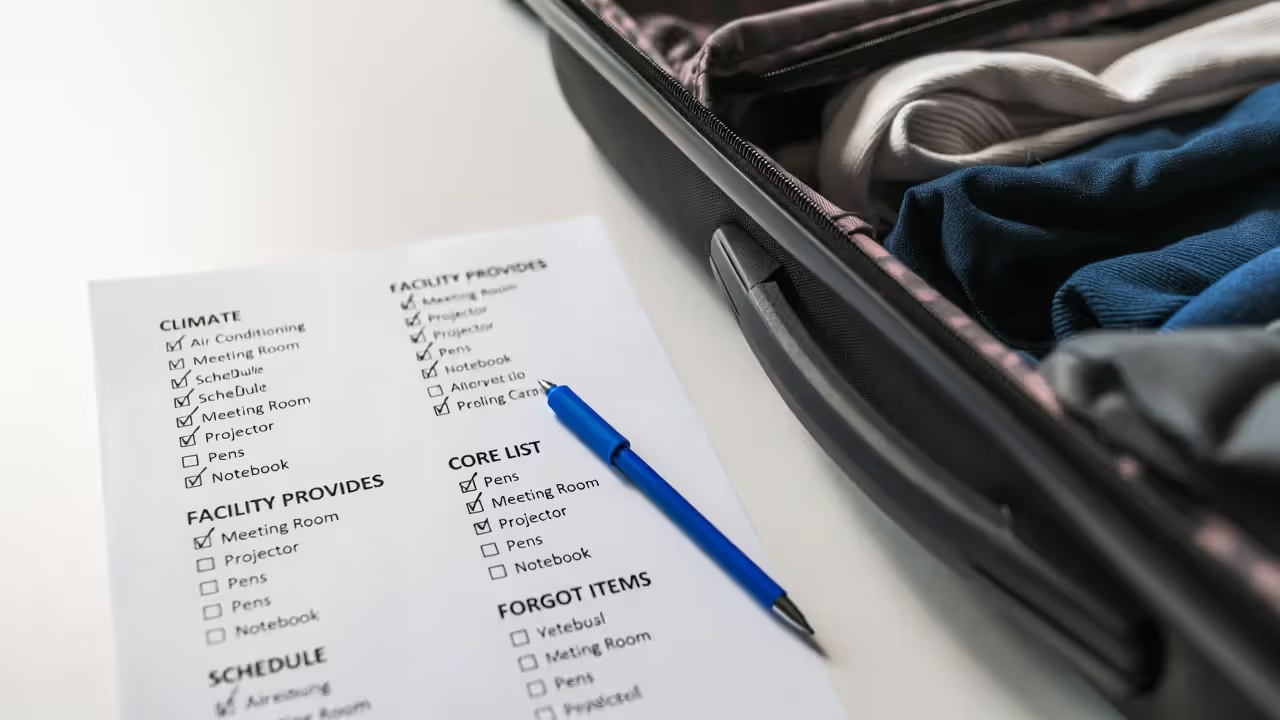
If your center offers a retreat checklist printable with the booking confirmation, use it as a starting point and supplement with the category-specific items above. If not, screenshot or print this section as your working reference.
FAQ
The best-packed bag for a yoga getaway is the one where you use every item at least once and wish you'd brought nothing extra. Answer the three setup questions, build your list by category, cross-reference the type-specific table, and pack 20% less than your instinct tells you. Space in your suitcase translates directly into ease on arrival — and arriving light, with exactly what you need and nothing you don't, is the first act of the experience itself.
Related Stories
Read more
Read more

The content on yogapennsylvania.com is provided for general informational and inspirational purposes only. It is intended to share yoga tips, meditation practices, wellness guidance, retreat experiences, and lifestyle insights, and should not be considered medical, therapeutic, fitness, or professional health advice.
All information, articles, images, and wellness-related materials presented on this website are for general informational purposes only. Individual health conditions, physical abilities, wellness goals, and experiences may vary, and results can differ from person to person.
Yogapennsylvania.com makes no representations or warranties regarding the accuracy, completeness, or reliability of the content provided and is not responsible for any errors or omissions, or for decisions or actions taken based on the information presented on this website. Readers are encouraged to consult qualified healthcare or wellness professionals before beginning any new yoga, meditation, or fitness practice.