
Yoga Teacher Training Certification Guide
Yoga Teacher Training Certification Guide

Yoga, a practice with roots stretching back thousands of years in ancient India, has surged in popularity across the globe due to its comprehensive health benefits. Embraced by millions of practitioners worldwide, yoga offers a unique and harmonious combination of physical postures, breathing exercises, and meditation techniques, which together work synergistically to improve flexibility, reduce stress, enhance mental clarity, and promote overall wellness. The growing interest in yoga across all demographics and cultures has created a substantial demand for qualified instructors who can guide students safely and effectively through their practice. This demand has made yoga teacher training an increasingly appealing path for individuals seeking both personal transformation and professional development in the wellness industry.
The practice of yoga has evolved considerably from its ancient origins as a spiritual discipline practiced by ascetics and seekers in India to become a mainstream wellness practice embraced by people of all ages, backgrounds, and fitness levels around the world. Modern yoga encompasses a broad spectrum of styles and approaches, from gentle restorative practices suitable for beginners and those with health limitations to vigorous athletic sequences that challenge even the most fit practitioners. This diversity creates opportunities for teachers to find their niche and serve students with varied needs and preferences.
Becoming a certified yoga teacher opens doors to not only deepen one's own practice but also to assist others on their wellness journey toward better health, increased mindfulness, and greater self-awareness. The certification process ensures that instructors are equipped with the necessary skills, comprehensive knowledge, and ethical guidelines to teach yoga safely and effectively to students of all levels and abilities. A well-trained yoga teacher understands not only how to demonstrate poses but also how to create a supportive learning environment, modify sequences for individual needs, and inspire students to develop a consistent and meaningful practice.
In this comprehensive guide, we will explore various aspects of Yoga Teacher Training Certification, including the types of certifications available at different levels, how to choose the right program that aligns with your goals, what the training entails in terms of curriculum and daily experience, and what one can expect after becoming a certified instructor. We will also hear from individuals who have undergone the training to understand its profound impact on their personal and professional lives. By the end of this guide, you will have a thorough understanding of what it takes to embark on the rewarding and transformative path of becoming a certified yoga teacher.
Understanding Yoga Teacher Training
Definition of Yoga Teacher Training (YTT)
Yoga Teacher Training (YTT) programs are comprehensively designed to deepen one's practice of yoga while providing the essential tools, methodologies, and knowledge required to teach yoga professionally to others. These structured programs cover a wide range of interconnected topics, including yoga philosophy and its historical context, human anatomy and physiology as it relates to movement, posture alignment and adjustment techniques, sequencing principles, and teaching methodology that encompasses communication skills and class management. YTT is not simply about mastering yoga poses or achieving impressive physical feats; it is fundamentally about understanding the rich philosophy behind the practice and learning how to convey this ancient wisdom effectively to students from diverse backgrounds and with varying abilities.
The training experience transforms participants in ways that extend far beyond the yoga studio. Many trainees report that the intensive nature of YTT programs leads to significant personal growth, increased self-awareness, and a deeper understanding of their own patterns of thought and behavior. The combination of physical practice, philosophical study, and community interaction creates a powerful catalyst for change that often surprises participants who initially enrolled simply to obtain teaching credentials.
The History and Evolution of Yoga Teaching Certifications
Yoga teaching has evolved significantly over centuries, transitioning from ancient spiritual practices traditionally taught by gurus in India through direct transmission to more structured, accessible programs available worldwide today. In the traditional guru-student relationship, known as the guru-shishya parampara, knowledge was passed down orally and experientially over many years of dedicated study and service. Students would often live with their teachers, absorbing not only the techniques of yoga but also the philosophical and ethical framework that gave those techniques meaning and context.
The formalization of yoga teacher certifications began in earnest in the 20th century as yoga gained unprecedented popularity in the Western world. Pioneering teachers like Swami Vivekananda, Paramahansa Yogananda, B.K.S. Iyengar, Pattabhi Jois, and T.K.V. Desikachar introduced yoga to Western audiences and began developing systematic approaches to teaching that could be replicated and standardized. This evolution led to the establishment of various certifying bodies, such as the Yoga Alliance in the USA, which standardize yoga teacher training programs and ensure a global benchmark for yoga instruction quality and safety.
Yoga is the journey of the self, through the self, to the self.
— The Bhagavad Gita
Different Styles of Yoga and Corresponding Training Focuses
There are numerous styles of yoga practiced around the world, each with its own unique focus, methodology, and philosophical emphasis. Understanding these differences is essential for aspiring teachers, as the style you choose to specialize in will significantly influence your training experience, teaching approach, and the students you attract to your classes. Three of the most widely practiced and influential styles include Hatha, Vinyasa, and Ashtanga yoga, though many other styles such as Iyengar, Kundalini, Yin, and Restorative yoga also offer specialized training programs.
Hatha Yoga: Known as the yoga of balance, Hatha yoga is often focused on the physical aspects of yoga practice, emphasizing posture (asana) and breathing control (pranayama). The term "Hatha" itself combines "ha" (sun) and "tha" (moon), symbolizing the balance of opposing energies within the body and mind. YTT programs for Hatha yoga typically cover a broad spectrum of yoga poses held for longer durations, making it particularly suited for beginners and intermediate practitioners who want to develop a strong foundation in alignment and body awareness.
Vinyasa Yoga: This dynamic style is characterized by a flow-like sequence that smoothly transitions from one pose to another, synchronized with breath. The word "vinyasa" can be translated as "to place in a special way," referring to the thoughtful arrangement of poses in a continuous, dance-like sequence. Vinyasa YTT programs often emphasize dynamic movements, creative sequencing, and require a thorough understanding of physical alignment, breath-movement coordination, and flow choreography that keeps students engaged and challenged.
Ashtanga Yoga: Known for its rigorous, athletic style and fixed sequence of poses, Ashtanga yoga is designed for those who prefer a structured and physically demanding practice. Developed by K. Pattabhi Jois, this method follows a specific series of postures always performed in the same order, building heat, strength, and flexibility through consistent practice. Ashtanga YTT programs focus heavily on developing stamina, flexibility, and strength, as well as the traditional teachings of yoga philosophy as outlined in the Yoga Sutras of Patanjali.
Types of Certifications
Overview of Certification Levels
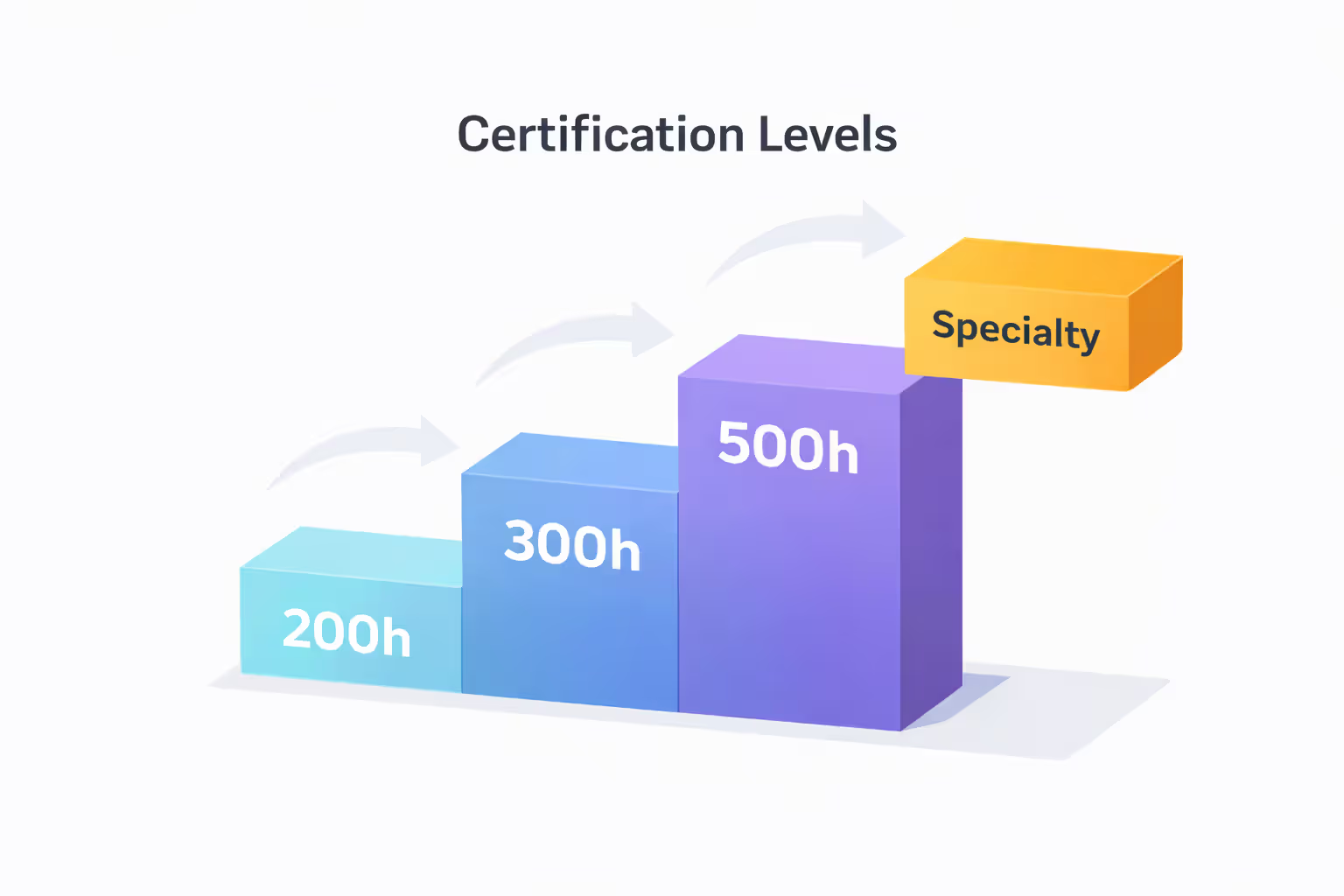
The foundation of yoga teacher training is typically categorized into three primary certification levels: 200-hour, 300-hour, and 500-hour programs. Each level builds upon the previous one, offering progressively deeper knowledge and more sophisticated teaching skills. Understanding these levels is crucial for planning your educational journey as a yoga teacher.
200-hour Certification: This is the entry-level certification required to teach yoga professionally at most studios and fitness centers. The 200-hour program provides a comprehensive introduction to yoga philosophy and ethics, techniques and training methodology, anatomy and physiology basics as they relate to yoga practice, and supervised teaching practice. Graduates of 200-hour programs typically feel prepared to teach foundational-level yoga classes to healthy adult students. This certification is recognized globally and serves as the starting point for most yoga teaching careers.
300-hour Certification: Designed exclusively for those who have already completed the 200-hour certification, this advanced course offers deeper insights into yoga's therapeutic applications, advanced teaching techniques that address more complex student needs, and more intricate aspects of yoga philosophy including the subtle body, chakras, and advanced meditation practices. The 300-hour training often allows students to specialize in particular areas of interest, such as restorative yoga, yoga therapy, or advanced sequencing for specific populations.
500-hour Certification: Achieved by combining the 200-hour and 300-hour courses, this certification provides the most extensive and comprehensive training offered in standard YTT programs. The 500-hour designation prepares individuals to handle more complex teaching situations, work with students who have health conditions or limitations, and specialize in specific areas of yoga such as therapy, prenatal instruction, or teacher training itself. Many studio owners and lead teachers hold this level of certification.
Certification Levels Comparison
| Certification Level | Hours | Purpose | Who It's For |
| 200-hour | 200 | Entry-level certification covering philosophy, techniques, teaching methodology, and anatomy basics | Beginners seeking to become certified yoga instructors |
| 300-hour | 300 | Advanced training with deeper therapeutic insights, advanced techniques, and intricate philosophy | Those who have completed 200-hour certification |
| 500-hour | 500 | Most extensive training combining 200-hour and 300-hour; enables specialization | Experienced teachers seeking comprehensive expertise |
| Specialty | Varies | Focus on specific populations or practices (prenatal, children's, senior yoga) | Teachers wanting to serve particular groups or populations |
Author: Jackson Wright;
Source: yogapennsylvania.com
Specialty Certifications
Apart from the standard hour-based certifications, there are also specialty certifications that focus on teaching specific groups or incorporating unique practices tailored to particular needs. These specialized trainings allow yoga teachers to expand their expertise and serve populations that may benefit from modified approaches to yoga practice.
Prenatal Yoga: This specialization focuses on teaching yoga safely and effectively to pregnant women throughout all trimesters of pregnancy. Prenatal yoga teachers learn to address the unique physical changes, emotional needs, and safety considerations of pregnancy. The training covers modifications for common pregnancy discomforts, poses to avoid during different stages, breathing techniques for labor preparation, and how to create a supportive community atmosphere for expectant mothers.
Children's Yoga: Tailored specifically to engage children of various ages, this certification incorporates games, storytelling, music, and creative movement with basic yoga poses suitable for developing bodies. Teachers learn child development principles, age-appropriate sequencing, classroom management techniques, and how to make yoga fun and accessible while building body awareness, emotional regulation, and concentration skills in young practitioners.
Senior Yoga: This specialty focuses on the unique needs of older adults, emphasizing flexibility maintenance, improved circulation, balance enhancement, and relaxation techniques that are safe and beneficial for this age group. Teachers learn to work with common age-related conditions such as arthritis, osteoporosis, and limited mobility, adapting traditional poses to chair-based or gentle floor practices as needed.
Recognized Certifying Bodies
Several organizations globally work to standardize the curriculum and uphold the teaching standards of yoga teacher training programs. These certifying bodies play a crucial role in ensuring quality, consistency, and professionalism within the yoga industry. Their oversight helps maintain the integrity of yoga instruction worldwide and provides assurance to students seeking qualified teachers.
Yoga Alliance, predominantly recognized in the United States, offers a registry of teachers and schools whose training meets their specific educational standards. Founded in 1999, Yoga Alliance has become the largest nonprofit association representing the yoga community, with over 100,000 registered yoga teachers and 7,000 registered yoga schools worldwide. Their standards specify minimum hours of training in various categories including techniques, anatomy, philosophy, and teaching methodology. The British Wheel of Yoga serves as the governing body for yoga in the United Kingdom, providing accreditations to yoga teacher training courses that meet their rigorous criteria. Established in 1965, the British Wheel of Yoga is the largest yoga membership organization in the UK and offers comprehensive teacher training pathways recognized throughout Europe and beyond.
Choosing the Right Program
Factors to Consider When Selecting a YTT Program
Choosing the right Yoga Teacher Training program is one of the most crucial decisions you will make in your development as a yoga teacher. The program you select will shape your understanding of yoga, influence your teaching style, and potentially determine the trajectory of your career in the wellness industry. Taking the time to carefully research and evaluate your options will pay dividends throughout your teaching journey.
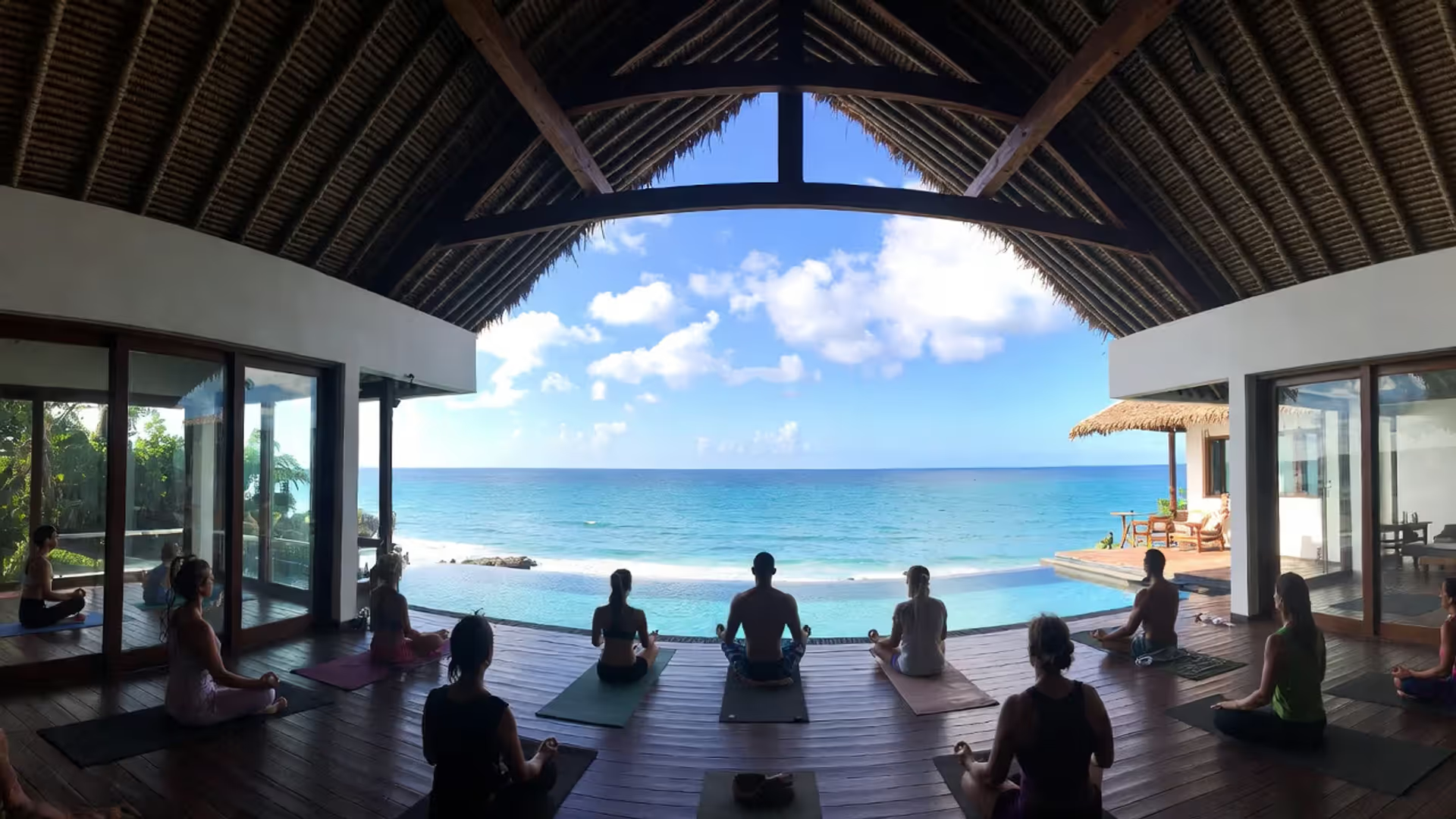
Location: The setting of your training can significantly influence your learning experience and the depth of transformation you undergo. Some practitioners prefer tranquil, immersive environments like residential retreats in nature, where they can fully disconnect from daily responsibilities and immerse themselves in study and practice. Others may choose urban centers for convenience, allowing them to maintain work and family commitments while training on evenings and weekends. Consider whether you would benefit more from total immersion or a gradual integration of learning into your existing lifestyle.
Duration: YTT courses range from intensive few-week residential programs to extended formats spanning several months or even a year. Intensive formats offer deep immersion and rapid transformation but require significant time away from other responsibilities. Extended formats allow more time to integrate learning and may be more suitable for those who cannot take extended leave from work or family obligations. Consider your daily commitments, learning style, and capacity for intensive study when choosing a duration that allows you to immerse yourself fully without undue stress.
Faculty: The experience, credentials, and teaching philosophy of the instructors can greatly impact your training quality and the kind of teacher you become. Look for programs with faculty who have extensive teaching experience, recognized credentials from reputable organizations, and a philosophy that aligns with your own values and approach to yoga. Many programs list their faculty bios on their websites, and you may be able to attend a class with lead instructors before committing to a program.
Curriculum: Ensure the curriculum comprehensively covers all necessary aspects of yoga instruction, including philosophy, anatomy, teaching methodology, and substantial practical teaching experience with feedback. The curriculum should align with your preferred yoga style and interests while meeting the standards required for certification with recognized bodies like Yoga Alliance.
Key Considerations When Researching Programs:
- Read reviews and testimonials from former students to gauge the quality of training, student satisfaction, and post-graduation support offered by the program.
- Attend workshops or trial classes offered by the program, as many schools provide free introductory sessions that can give you valuable insights into the teaching style and course structure.
- Verify that the program's certifications are recognized by reputable organizations, which is crucial for your future career opportunities and credibility as a teacher.
- Consider post-training opportunities such as networking events, continuing education pathways, mentorship programs, and teaching placements that can accelerate your career development.
- Evaluate the financial investment required including tuition, materials, travel, accommodation, and any additional costs, and explore payment plans or scholarship opportunities.
Importance of Accreditation
Accreditation is a hallmark of quality and reliability in yoga teacher training that provides assurance to prospective students and future employers alike. An accredited program has been thoroughly reviewed by an independent certifying body and meets established standards for curriculum content, faculty qualifications, teaching methodology, and educational outcomes. Accreditation ensures that the program provides a curriculum meeting industry standards, is taught by qualified and experienced instructors, and offers valid certifications recognized globally. When you graduate from an accredited program, potential employers and students can trust that you have received a quality education that prepares you to teach safely and effectively.
Curriculum and Training Components
What You Will Learn in a Yoga Teacher Training Program
A comprehensive Yoga Teacher Training program is designed to provide a deep and thorough understanding of yoga that goes far beyond the physical postures most people associate with the practice. The curriculum combines theoretical knowledge, practical experience, and personal development in a carefully structured sequence that ensures future teachers are well prepared to guide others with confidence, safety, and integrity. Each component of the training plays an essential and interconnected role in shaping a competent, compassionate, and mindful yoga instructor.
Author: Jackson Wright;
Source: yogapennsylvania.com
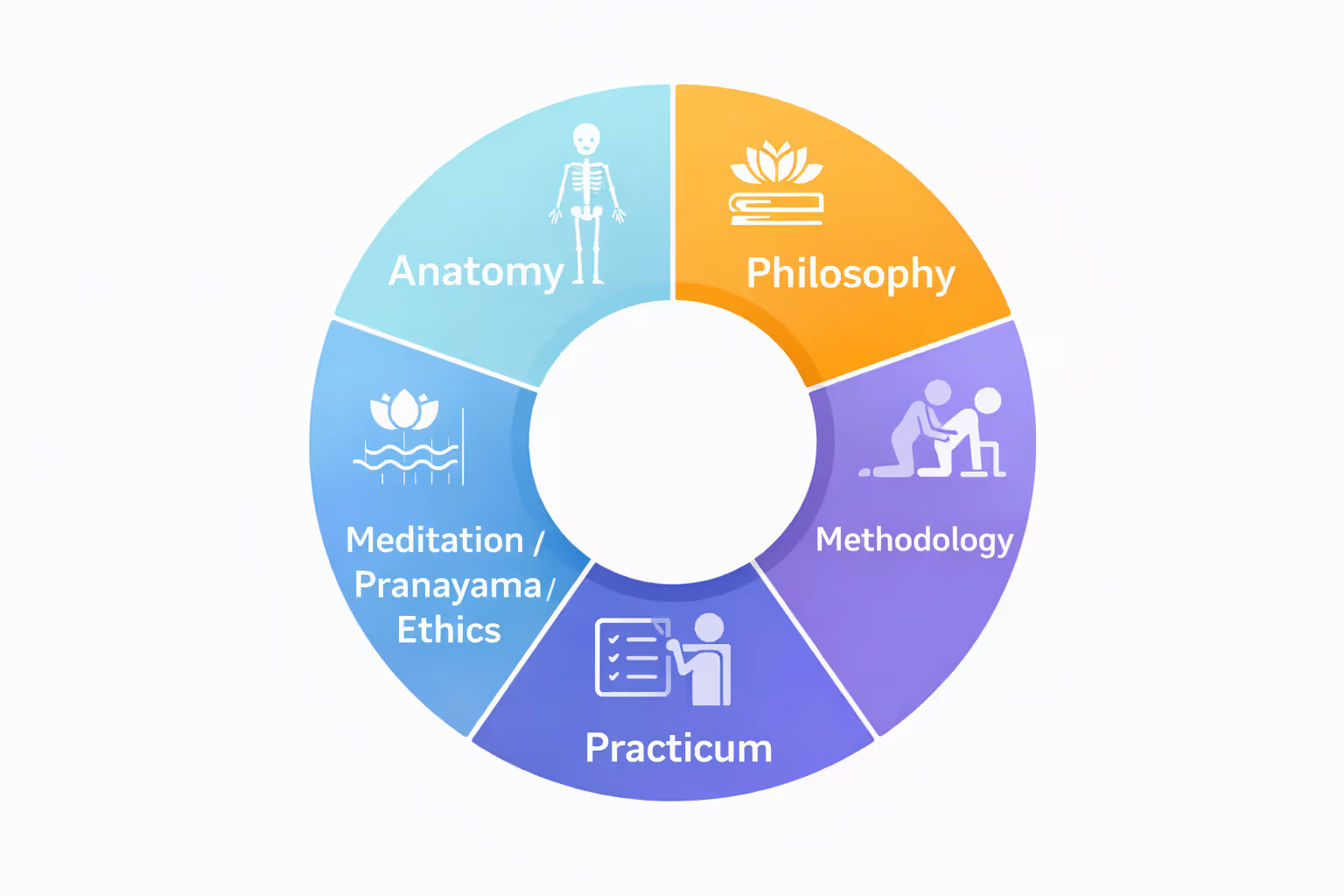
Anatomy and Physiology: Anatomy forms the scientific foundation of yoga teaching and is essential for understanding how the body moves, functions, and responds to practice. During this part of the training, trainees study how the human body functions in movement and stillness, with particular focus on the bones, muscles, joints, and connective tissues most actively involved in yoga practice. Understanding proper alignment, range of motion limitations, and biomechanical principles helps future teachers recognize both safe and potentially harmful patterns in postures. This knowledge allows instructors to offer appropriate modifications, prevent injuries, and adapt classes for students with different physical abilities, health conditions, and experience levels, making yoga accessible and sustainable for everyone.
Yoga Philosophy and History: Yoga philosophy connects modern practice with its ancient roots and provides the ethical and spiritual framework that distinguishes yoga from mere physical exercise. In this section, trainees explore classical texts such as the Yoga Sutras of Patanjali, the Bhagavad Gita, and the Hatha Yoga Pradipika, gaining deep insight into the ethical, spiritual, and psychological aspects of yoga. Concepts like the Eightfold Path (Ashtanga), karma, dharma, mindfulness, and self-discipline are examined in relation to daily life and teaching practice. This philosophical foundation helps future teachers understand yoga as a holistic path of personal growth and transformation rather than merely a physical exercise system.
Teaching Methodology: Teaching methodology focuses on how to effectively share yoga with others in a way that is clear, inspiring, and safe. Trainees learn how to design well-structured classes that serve specific intentions, communicate clearly with diverse students, and guide practitioners through sequences with confidence and presence. This component emphasizes verbal cueing, demonstration techniques, class pacing, the appropriate use of physical adjustments and assists, and creating an inclusive atmosphere. It also addresses how to teach students of varying levels and needs, helping trainees develop a teaching style that is both adaptable to circumstances and authentic to their own voice.
Practical Teaching Hours: Practical teaching hours are where theory comes to life and trainees begin to develop their confidence and identity as teachers. Trainees gradually begin teaching yoga in a supportive environment, often starting with fellow students in small groups before moving on to full-length practice classes with feedback sessions. These sessions provide hands-on experience in class planning, time management, sequencing on the fly, and holding space for a group of practitioners with diverse needs. Feedback from experienced instructors and peers helps trainees refine their voice, presence, and overall teaching approach, building the confidence and professionalism essential for success as a yoga teacher.
Meditation, Pranayama, and Ethics: Meditation and pranayama are essential tools for cultivating awareness, balance, and inner stillness that support both personal practice and effective teaching. Through regular meditation practice, trainees learn techniques that enhance concentration, emotional stability, and mindfulness, developing skills that support both their own wellbeing and their ability to hold calm, centered space for students. Pranayama, the practice of yogic breathing techniques, teaches how breath influences energy levels, the nervous system, and overall mental and physical well-being. Ethical training, grounded in the ancient principles of the Yamas and Niyamas, emphasizes responsibility, respect, appropriate boundaries, and integrity in the teacher-student relationship. Together, these practices ensure that yoga teachers embody the values and wisdom they share with others.
Yoga is not about touching your toes, it is what you learn on the way down.
— Jigar Gor
What to Expect During Training
A Day in the Life of a Yoga Teacher Trainee
The daily routine in a Yoga Teacher Training program can be both rigorous and deeply rewarding, challenging trainees physically, mentally, and emotionally while providing profound opportunities for growth and self-discovery. While specific schedules vary between programs, most intensive trainings follow a similar structure designed to maximize learning and transformation.
A typical day often begins with early morning meditation and pranayama sessions designed to set a focused, centered tone for the learning ahead. These quiet practices help trainees develop the inner stillness and presence essential for effective teaching. Following morning practices, intensive physical practice of yoga poses (asana) helps improve personal technique, deepen body awareness, and build the fitness required for the demanding training schedule. Midday classes typically cover theoretical topics such as anatomy, yoga philosophy, and teaching methodology through lectures, discussions, and workshops. Afternoon sessions often shift to practical teaching exercises where trainees apply what they have learned in controlled settings with peer feedback. The day might conclude with group discussions, personal study time, or evening yoga practice to consolidate learning and allow for reflection on the day's experiences.
Physical, Mental, and Emotional Challenges
Training to become a yoga instructor involves various challenges that test and ultimately strengthen participants in multiple dimensions of their being. Physically, the intense daily practice can be demanding, particularly for those not accustomed to daily vigorous exercise or extended periods of sitting for lectures and meditation. Many trainees experience muscle soreness, fatigue, and the need to manage their energy carefully throughout the program. Mentally, learning the vast amount of theory, from detailed anatomy to nuanced philosophy, requires significant mental stamina, focus, and dedication. The intellectual demands of memorizing Sanskrit terminology, understanding complex philosophical concepts, and developing sequencing skills can feel overwhelming at times. Emotionally, the deep personal reflections required by the training and the transformative nature of the experience can stir profound introspection, bringing unresolved issues to the surface. This emotional processing, while challenging, is ultimately enriching and often leads to significant personal growth and healing.
Community and Relationship Building
One of the most rewarding and often unexpected aspects of YTT is the profound sense of community and the lasting relationships that develop among trainees, instructors, and support staff. The shared intensity of the experience creates strong bonds as participants support each other through challenges, celebrate successes, and share the vulnerability of learning something new. These relationships often provide ongoing emotional support and professional networking opportunities that extend well beyond graduation. The diversity of backgrounds, perspectives, and experiences represented in most training programs enriches the learning environment and broadens each participant's understanding of yoga and its applications. Working closely with others also offers invaluable opportunities for constructive feedback and collaborative learning, enhancing the skills necessary to become a successful and compassionate yoga instructor.
Life After Certification
Registration and Professional Benefits
After completing a 200-hour yoga teacher training, the recommended next step is to register with a recognized yoga association such as Yoga Alliance in the United States or equivalent bodies in other countries. The registration process typically involves submitting proof of your completed training from an accredited school, paying a registration fee, and possibly completing additional forms or meeting requirements specific to the association. Benefits of registration include enhanced credibility as a professional yoga teacher, increased visibility through directory listings that help potential students find you, access to continuing education resources and professional development opportunities, legal resources and liability insurance options, and networking opportunities to connect with other yoga professionals at events and through online platforms.
Starting a Career as a Yoga Teacher
New teachers can explore a wide variety of teaching venues and career paths within the yoga industry. Traditional opportunities include positions at yoga studios, fitness centers, gyms, community centers, and recreational facilities. Many teachers also find rewarding work in corporate environments, bringing yoga and wellness programming to office workers and executives seeking stress reduction and improved work-life balance. Healthcare settings including hospitals, rehabilitation centers, and mental health facilities increasingly recognize the therapeutic value of yoga and seek qualified instructors. Private instruction offers flexibility and often higher hourly rates for those who can build a loyal client base through excellent teaching and personalized attention.
Beyond regular classes, experienced teachers may host specialized workshops, lead destination retreats at beautiful locations around the world, or even teach internationally while traveling. The digital revolution has also created unprecedented opportunities for teaching through online platforms, creating video courses and subscription content, hosting virtual classes, and building global communities of students who practice from the comfort of their homes. Some teachers develop niche specialties such as yoga for athletes, yoga for musicians, prenatal yoga, or chair yoga for office workers, allowing them to serve specific populations with tailored programming.
Challenges in the early stages of a yoga teaching career are common and should be anticipated with realistic expectations and adequate financial planning. Building a consistent student base takes time, patience, and requires effective self-promotion through social media presence, community networking, and word-of-mouth referrals. New teachers often need to manage financial uncertainties, particularly if transitioning from another career with stable income, and may need to juggle multiple teaching jobs, substitute positions, and part-time work in other fields during the beginning stages. Learning to adapt to different teaching environments, diverse student populations, various studio cultures, and unexpected challenges during class is an ongoing process that develops with experience and conscious reflection on one's teaching practice.

Author: Jackson Wright;
Source: yogapennsylvania.com
Continuing Education and Advanced Certifications
The path of a yoga teacher is one of lifelong learning and continuous growth that extends far beyond the initial certification. After gaining teaching experience and establishing a regular practice, many instructors opt to pursue further certifications like 300-hour or 500-hour training programs to deepen their knowledge, refine their skills, and expand their teaching capabilities. These advanced certifications allow teachers to specialize in areas such as therapeutic yoga for specific health conditions, advanced asana practice and alignment, yoga for specific demographics like seniors, athletes, or individuals with disabilities, or deeper study of yoga philosophy, Sanskrit, and meditation traditions.
Workshops and specialized training courses in areas like prenatal yoga, postnatal recovery, trauma-sensitive yoga, yoga for mental health, or yoga nidra can significantly enhance a teacher's skill set and open new teaching opportunities in specialized settings. Many experienced teachers also pursue training in related modalities such as Ayurveda, mindfulness meditation, breathwork facilitation, or somatic movement therapy, which complement their yoga teaching and allow them to offer more comprehensive services to their students. Personal practice remains the foundation of authentic teaching, and the principle of self-study (known as Svadhyaya in yogic tradition) encourages teachers to maintain a curious, humble approach to ongoing exploration of yoga's vast teachings throughout their careers.
Personal Stories and Testimonials
Insights from YTT Graduates
Hearing directly from those who have recently completed Yoga Teacher Training provides valuable insights into what the experience is truly like and what transformations one can expect. Many graduates from various schools share their journeys openly, discussing how the intensive schedule, live teaching practices, and community environment contributed to profound personal and professional growth that exceeded their expectations. These firsthand accounts offer prospective trainees a realistic picture of both the challenges and rewards that await them.
Common themes emerge when graduates reflect on their training experiences. Many describe the intensive nature of the program as one of the most challenging yet rewarding experiences of their lives. The combination of early morning practices, full days of learning, and the emotional processing that naturally occurs during deep self-reflection creates an environment ripe for transformation. Graduates frequently express surprise at how much the training affected them personally, not just professionally. They report improvements in their relationships, increased patience and compassion in daily interactions, and a deeper sense of purpose and direction in their lives.
Many YTT graduates find that their training goes far beyond just learning how to teach yoga postures. The experience often sparks significant personal transformation, shifts in perspective, and opens unexpected professional pathways. Graduates frequently report that the skills they develop during training, such as patience, clear communication, adaptability, emotional intelligence, and the ability to hold space for others, prove invaluable not only in their yoga teaching but also in their personal relationships and other career endeavors. Some graduates have gone on to incorporate yoga and mindfulness into existing careers in healthcare, education, corporate leadership, and social work, finding that the training enhanced their effectiveness in these fields.
Advice from Experienced Instructors:
- Approach your training with an open mind and genuine curiosity, ready to learn not just from the instructors but also from your fellow trainees who bring diverse perspectives and experiences.
- Immerse yourself in regular personal practice beyond the required class hours, as consistent practice helps integrate the learning into your body, mind, and teaching.
- Participate actively in discussions, teaching practices, and community activities, as these interactions are invaluable for gaining confidence, clarity, and connection.
- Keep a journal throughout your training to reflect on experiences, insights, challenges, and breakthroughs, which will prove incredibly useful for personal development and future teaching.
Conclusion
Obtaining a Yoga Teacher Training Certification is far more than just a step towards becoming a professional yoga instructor; it is a transformative journey that enriches both personal and professional life in profound and often unexpected ways. The comprehensive training not only equips aspiring teachers with the necessary skills to lead safe, effective, and inspiring yoga sessions but also deepens their understanding of yoga philosophy, enhances their personal practice, and promotes a holistic approach to health and well-being that extends into every area of life.
The benefits of becoming a certified yoga teacher are manifold and continue to unfold long after graduation. Professionally, certification opens diverse opportunities to teach in various settings, from traditional yoga studios and fitness centers to corporate environments, wellness retreats, and private sessions. The ability to work flexibly, travel, and build a practice aligned with personal values attracts many to this career path. Personally, the journey through yoga teacher training often leads to profound self-discovery, increased self-awareness, improved physical health, and a strengthened ability to manage stress and navigate life's challenges with grace and equanimity.
The global yoga community continues to grow, with millions of practitioners around the world seeking qualified instruction to guide their practice safely and meaningfully. This expanding interest creates ongoing demand for well-trained teachers who can meet the diverse needs of modern students while honoring the traditional foundations of this ancient practice. Whether teaching in urban studios, rural retreat centers, online platforms, or community settings, certified yoga teachers play a vital role in making the benefits of yoga accessible to people from all walks of life.
For those considering this path, the pursuit of yoga teacher training represents a meaningful investment in oneself that pays dividends across all dimensions of life. It is an opportunity to cultivate a deeper connection with one's mind, body, and spirit while acquiring the skills and knowledge to help others do the same. As you embark on this path, embrace the challenges as opportunities for growth, remain open to transformation, and remember that the journey of teaching yoga is as much about continuous learning as it is about guiding others. Yoga teaching is not merely a career choice but a way of life that encourages ongoing personal development, authentic connection, and service to others. Whether you seek to share your passion for yoga with the world, deepen your own practice, or explore new dimensions of personal growth, yoga teacher training offers a rewarding and enriching experience that can transform your life in ways you may never have imagined.
FAQ
Related Stories
Read more

Read more



The content on yogapennsylvania.com is provided for general informational and inspirational purposes only. It is intended to share yoga tips, meditation practices, wellness guidance, retreat experiences, and lifestyle insights, and should not be considered medical, therapeutic, fitness, or professional health advice.
All information, articles, images, and wellness-related materials presented on this website are for general informational purposes only. Individual health conditions, physical abilities, wellness goals, and experiences may vary, and results can differ from person to person.
Yogapennsylvania.com makes no representations or warranties regarding the accuracy, completeness, or reliability of the content provided and is not responsible for any errors or omissions, or for decisions or actions taken based on the information presented on this website. Readers are encouraged to consult qualified healthcare or wellness professionals before beginning any new yoga, meditation, or fitness practice.