
White tantric yoga creates confusion for many people encountering the term. The name alone triggers associations with sexuality, mysticism, or esoteric practices that have little to do with what actually happens in these intensive group meditation sessions.
White Tantric Yoga Meaning: What It Really Is
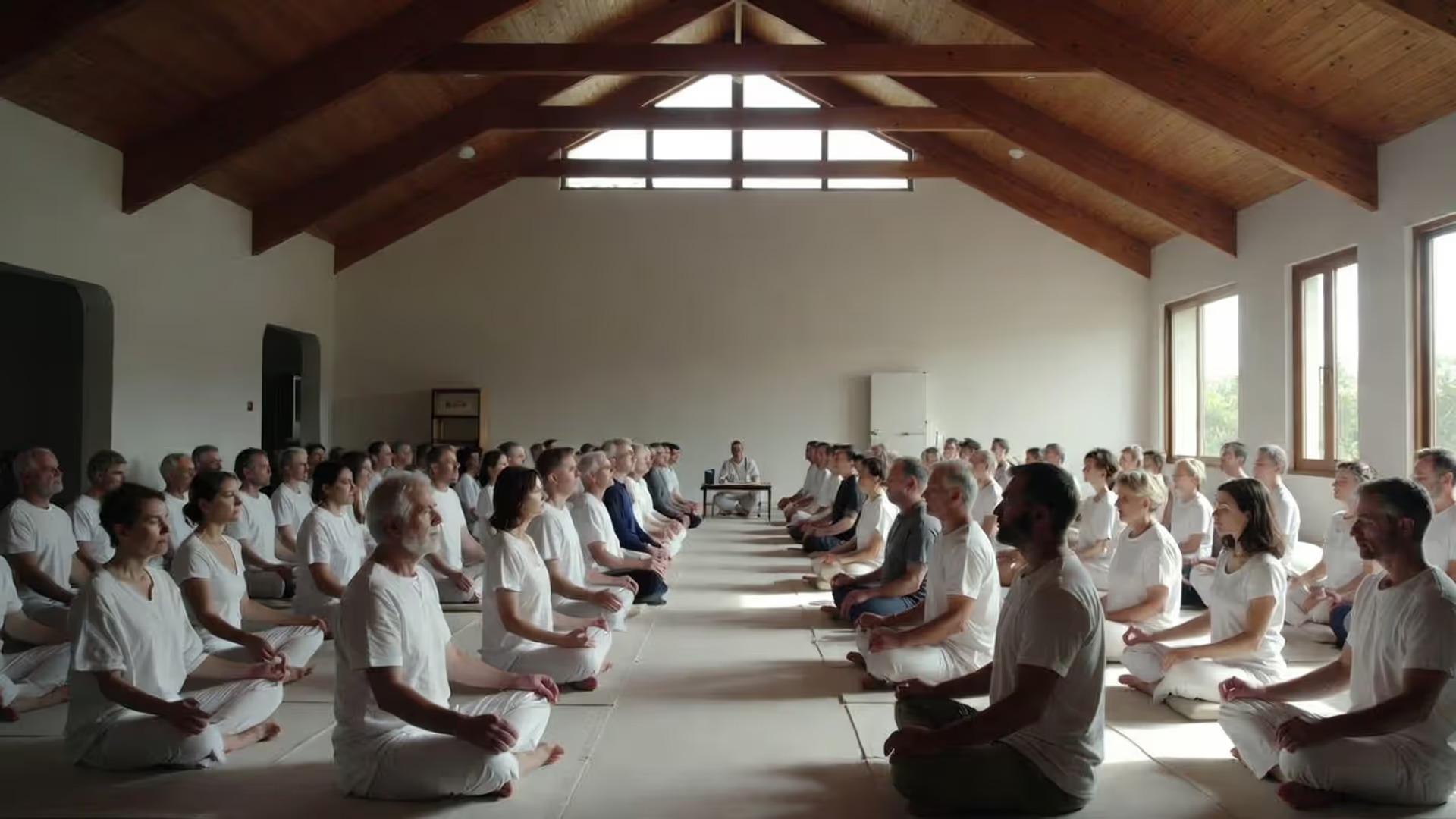
White tantric yoga refers to a specific group meditation practice rooted in the Kundalini yoga tradition, typically led by certified facilitators following structured formats. Participants sit in rows facing partners, engaging in extended meditation sets that combine breath work, mantra, mudra (hand positions), and sustained eye contact.
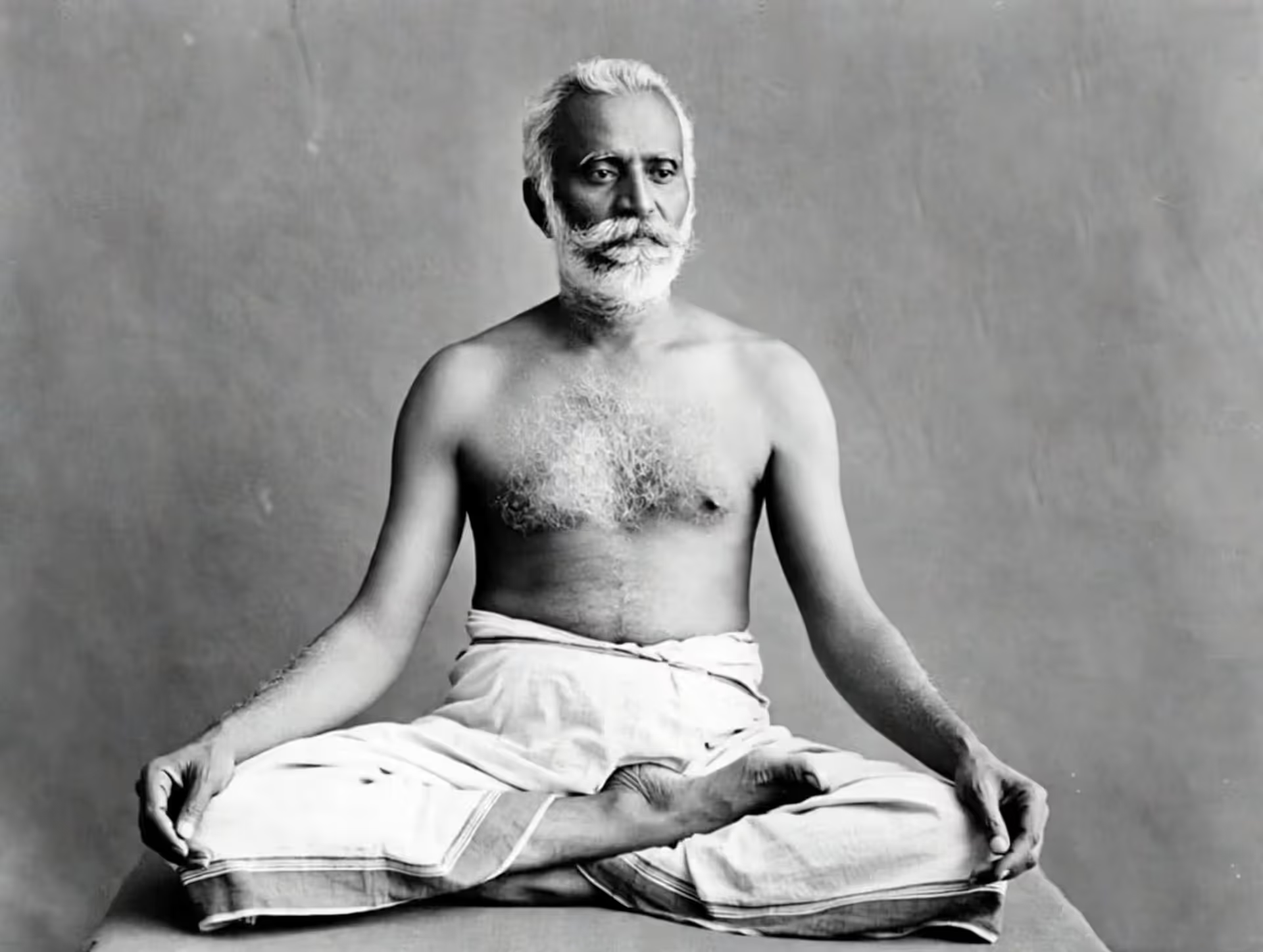
The practice originated through Yogi Bhajan, who brought Kundalini yoga to the West in 1969 and formalized white tantric yoga as a distinct discipline. These sessions occur as day-long or weekend events rather than regular weekly classes, creating an intensive experience designed to work through subconscious blocks and patterns.
Group-based meditation format distinguishes white tantra from individual practice. The energy exchange between partners and the collective field created by dozens of practitioners sitting together form core elements of the methodology. You're not meditating alone—the partner dynamic creates what practitioners describe as a mirror for internal processes.
Focus on discipline and consciousness centers the practice. Sessions demand mental endurance through repetitive exercises lasting 31, 62, or sometimes 90 minutes without breaks. The physical discomfort, mental resistance, and emotional releases that arise during these extended meditations represent the "work" being done.
Clarifying it is not sexual tantra matters because Western culture primarily associates "tantra" with intimate practices. White tantric yoga involves no physical contact beyond possibly holding hands during specific exercises, no nudity, and no sexual component whatsoever. Participants maintain professional boundaries while working with intense personal processes in a group setting.
What Is Tantric Yoga Practice?
Tantric yoga practice encompasses a broader category of techniques aimed at expanding consciousness and working with subtle energy. Traditional tantra emerged in India between the 5th and 9th centuries as a spiritual path that embraced rather than rejected physical existence, using body, breath, and sensory experience as vehicles for awakening.
Author: Connor Evans;
Source: yogapennsylvania.com
Energy, awareness, mantra, and mudra form foundational tools across tantric approaches. Unlike renunciate paths that emphasize withdrawal from the world, tantra works through engagement—using sound vibration (mantra), specific body positions (asana), breath control (pranayama), and focused awareness to shift consciousness states.
The contrast between white, red, and black tantra appears in various teaching lineages, though these categories oversimplify complex traditions. White tantra focuses on spiritual development through discipline and meditation. Red tantra incorporates partnership and includes sexual practices within a spiritual context. Black tantra involves manipulation of energy for personal gain or control over others—most teachers discourage or dismiss this path entirely.
| Type of Tantra | Focus | Setting | Intention |
| White Tantra | Meditation, discipline, consciousness | Group sessions, structured format | Spiritual purification, breaking patterns |
| Red Tantra | Partnership, sacred sexuality | Private or couples workshops | Union, intimacy as spiritual path |
| Black Tantra | Power, manipulation | Generally discouraged | Control (considered harmful) |
This categorization helps orient seekers but shouldn't be taken as absolute. Many practices blend elements, and historical tantric traditions don't always align neatly with these Western interpretations.
The Role of Kundalini in White Tantric Yoga
Kundalini tantra yoga integrates concepts of dormant spiritual energy with tantric meditation techniques. Understanding this relationship clarifies why white tantric yoga uses specific practices and what practitioners hope to achieve.
What Is Kundalini Energy?
Kundalini energy practice works with the concept of dormant potential resting at the base of the spine, often symbolized as a coiled serpent. This represents unrealized consciousness or spiritual capacity waiting to awaken and rise through energy centers (chakras) along the spine.
Symbolic interpretation matters here. Whether you view kundalini as literal subtle energy, psychological metaphor, or neurological phenomenon doesn't invalidate the practice. People report profound experiences during kundalini practices regardless of their belief framework. The techniques produce effects—how you interpret those effects remains personal.
The chakra system overview provides context for kundalini's theoretical path. Seven primary chakras run from the base of the spine to the crown of the head, each associated with different aspects of human experience: survival, creativity, willpower, love, communication, intuition, and spiritual connection. Kundalini awakening describes energy moving through these centers, potentially catalyzing psychological and spiritual transformation.
Energy awakening philosophy in this context emphasizes gradual, supported development rather than forced experiences. White tantric yoga approaches kundalini work through structured group practice with built-in safety mechanisms—the partner format, facilitator guidance, and community container.
How Kundalini Tantra Yoga Differs from Regular Kundalini Classes
Long-duration meditations set white tantra apart from standard Kundalini yoga classes. While regular classes might include 3-11 minute meditation sets, white tantric sessions feature exercises lasting 31 to 62 minutes or longer. This extended time frame pushes practitioners past initial resistance into different mental states.
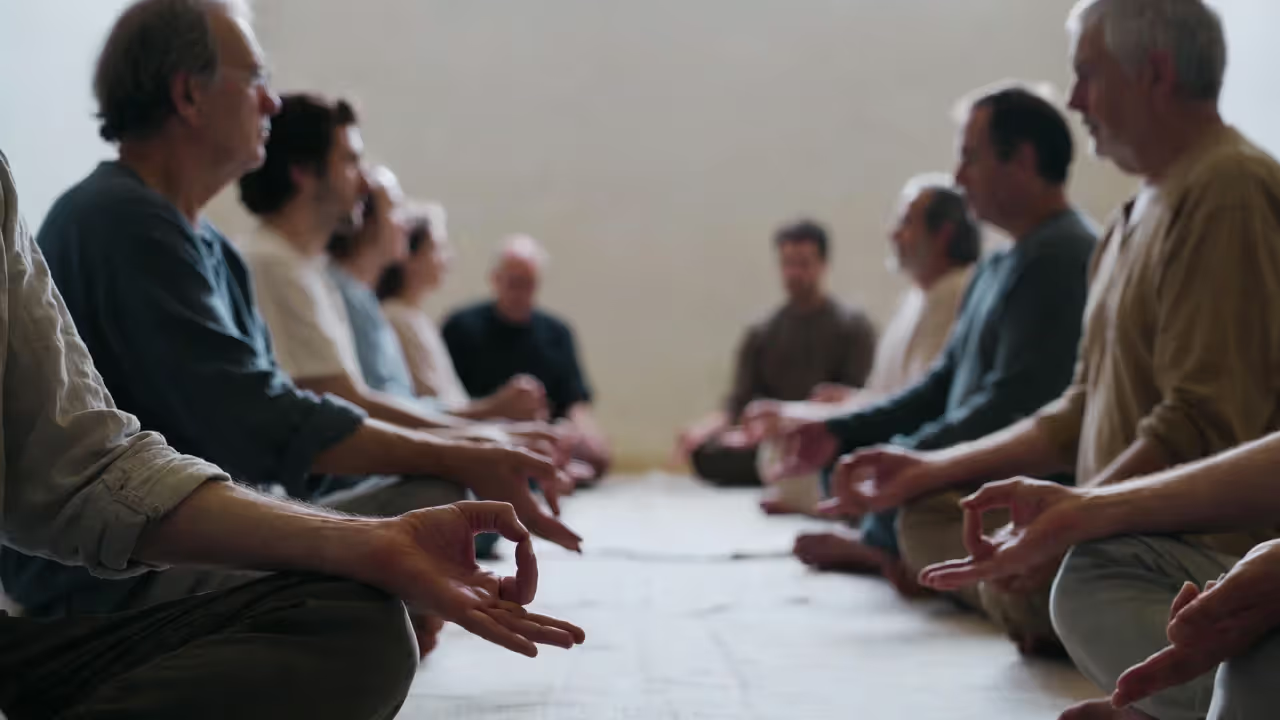
Structured group pairing creates an energetic dynamic absent from individual practice. You sit facing someone, often a stranger, maintaining eye contact while performing meditation techniques. The partner acts as a mirror—their presence amplifies your internal experience and prevents the mind from drifting into comfortable patterns.
Silent gaze practice forms a core element. Looking into someone's eyes for 30+ minutes while chanting mantra or holding mudra creates intensity that many find challenging. Your partner might cry, laugh, zone out, or remain stoic. You continue regardless, witnessing their process while managing your own.

Author: Connor Evans;
Source: yogapennsylvania.com
What Happens During a White Tantric Yoga Session?
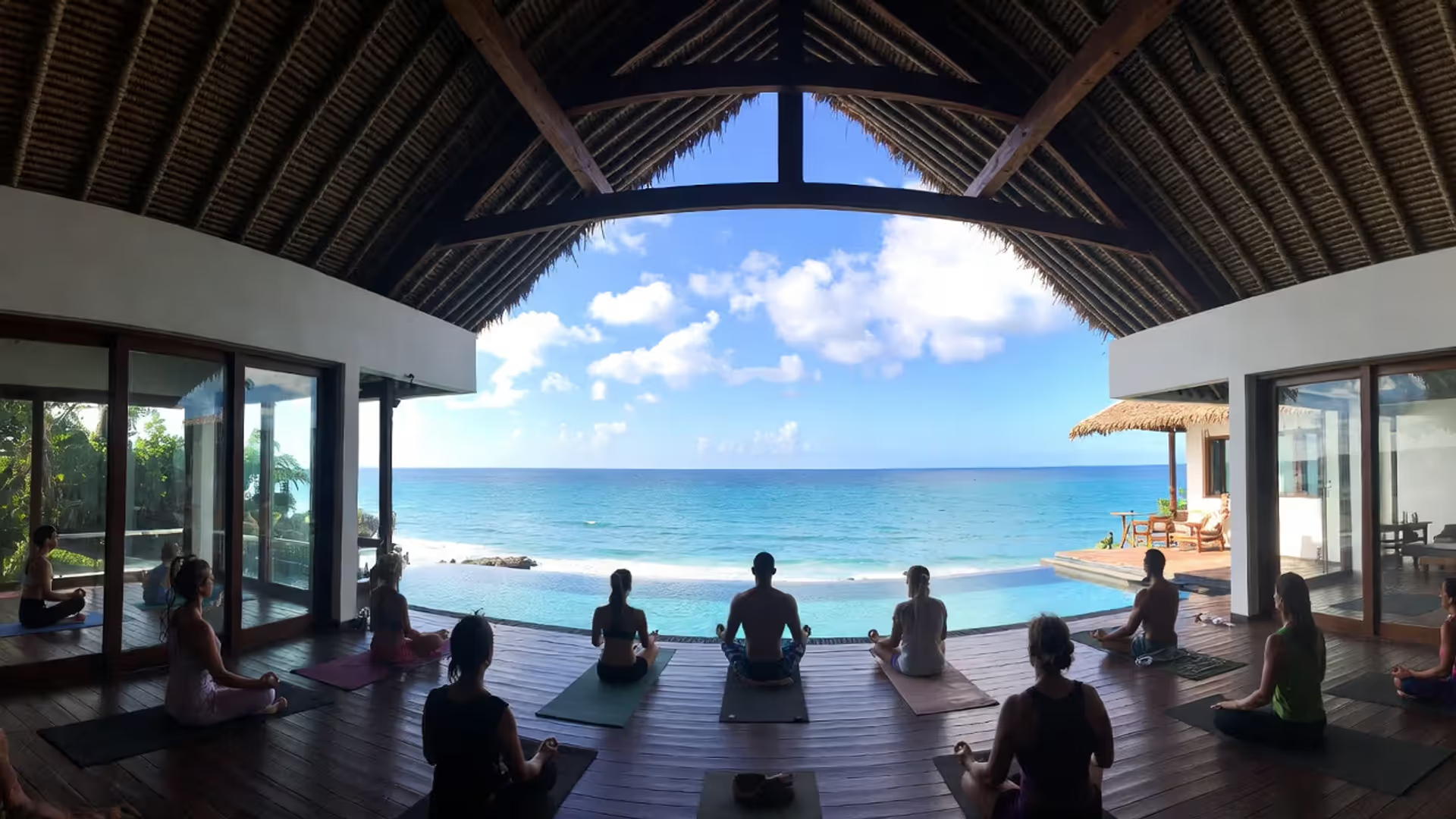
Participants sit in lines facing partners, creating rows that extend across the room. Men typically sit in one line, women in the facing line, though some events allow same-gender pairing or other configurations. You maintain your assigned partner for the entire day.
Guided meditation sets follow a specific format called "kriyas"—combinations of posture, breath, mantra, and mudra designed to work on particular energetic or psychological patterns. A facilitator leads the session, often playing recorded instructions from Yogi Bhajan along with musical accompaniment.
Mantra repetition continues throughout exercises, either chanted aloud or repeated silently. Common mantras include "Sat Nam" (truth is my identity), "Wahe Guru" (ecstatic experience of consciousness), or longer Gurmukhi phrases. The sound vibration serves multiple functions: focus point for the wandering mind, energetic resonance in the body, and interruption of habitual thought patterns.
Eye contact focus with your partner persists through exercises. Sometimes you close your eyes, but many kriyas require sustained eye gaze. This proves harder than it sounds. After 15 minutes of eye contact, most people cycle through discomfort, emotion, resistance, and eventual settling—or they reach a point of complete mental exhaustion.
Extended posture holds create physical challenge alongside mental work. You might sit with arms raised at 60 degrees for 31 minutes while chanting. Your shoulders burn, your arms shake, your mind screams to quit. Pushing through physical discomfort while maintaining the meditation technique supposedly works on deep-seated patterns and limitations.
Typical Structure of a Session (Example Schedule)
Sample White Tantric Yoga Day:
8:00 AM - Opening chant and introduction
8:30 AM - First kriya (meditation set): 31 minutes
9:15 AM - Break
9:30 AM - Second kriya: 62 minutes
10:45 AM - Break
11:00 AM - Third kriya: 31 minutes
12:00 PM - Lunch (90 minutes)
1:30 PM - Fourth kriya: 31 minutes
2:15 PM - Break
2:30 PM - Fifth kriya: 62 minutes
3:45 PM - Break
4:00 PM - Sixth kriya: 31 minutes
4:45 PM - Closing meditation and song
5:00 PM - End
The schedule creates cumulative intensity. Early kriyas feel manageable. By mid-afternoon, fatigue sets in. The final kriyas test your commitment as mental and physical reserves deplete.
Tantric Meditation Techniques Used in White Tantra
Author: Connor Evans;
Source: yogapennsylvania.com
Specific techniques recur across white tantric sessions, each serving particular functions within the practice framework.
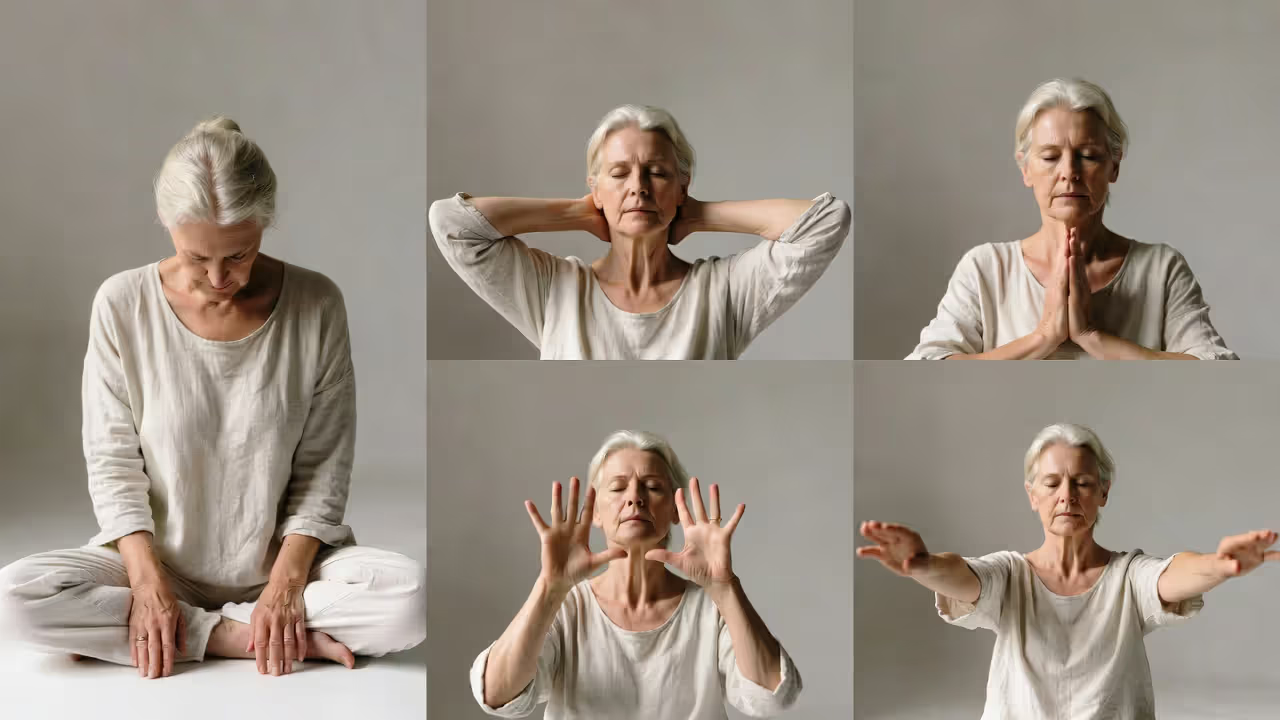
Breath retention (pranayama) appears in various forms. You might hold the breath in or out for specific counts, breathe in segments, or coordinate breath with mantra syllables. Breath manipulation affects nervous system states and mental clarity while creating distinct physiological experiences.
Mantra repetition functions as both focus tool and energetic practice. Whether chanted aloud or repeated mentally, the mantra gives the mind something to do besides wander. The vibration also produces sensations in the body—some traditions attribute specific effects to particular sound combinations.
Drishti (focused gaze) directs attention precisely. Eye focus might be at the third eye (between the eyebrows), the tip of the nose, or into your partner's eyes. Sustaining visual focus for extended periods quiets mental chatter and intensifies concentration.
Mudras (hand positions) complete many exercises. Common mudras include Gyan mudra (thumb and index finger touching), hands in prayer position, or specific configurations prescribed for each kriya. Traditional teachings assign meaning to each mudra related to energy flow and consciousness states.
| Technique | Purpose | Duration | Intensity Level |
| Breath of Fire | Energy generation, mental clarity | 1-11 minutes | High physical |
| Long Deep Breathing | Calming, grounding | 3-31 minutes | Low-medium |
| Mantra with Mudra | Focus, energetic pattern | 11-62 minutes | Medium mental |
| Eye Gaze with Partner | Presence, mirror work | 31-62 minutes | High emotional |
| Arm Positions Held | Endurance, breaking limitations | 31-62 minutes | High physical |
Benefits of Tantric Yoga (What Practitioners Report)
Practitioners report emotional clarity following white tantric sessions. The intensive format can surface buried feelings, unresolved conflicts, or habitual emotional patterns. Sitting with these for 31 minutes while maintaining the meditation technique doesn't make them disappear, but many describe gaining new perspective or experiencing emotional release.
Discipline and focus improve through regular participation. If you can hold your arms at 60 degrees for 31 minutes while chanting mantra and maintaining eye contact with a partner, everyday challenges feel more manageable. The practice builds mental resilience through controlled intensity.
Spiritual growth remains highly individual. Some practitioners describe profound shifts in consciousness, changes in life direction, or deepening commitment to spiritual practice. Others find value in the community aspect or appreciate the structured approach to meditation without experiencing dramatic transformation.
Community bonding develops naturally when you sit across from strangers for hours engaging in vulnerable, intense practices together. The shared experience creates connection beyond typical social interaction. You've witnessed each other's struggles, tears, laughter, and breakthroughs without exchanging more than a few words.
These benefits come with caveats. Experiences vary widely. What feels transformative to one person might feel pointless to another. The intensity that helps some practitioners break through limitations overwhelms others. White tantric yoga isn't universally beneficial—it works well for certain people at certain times in their development.
Is White Tantric Yoga for Beginners?

Author: Connor Evans;
Source: yogapennsylvania.com
Mental endurance required exceeds what most beginners expect. The first time you try to hold a meditation position for 31 minutes, you'll likely discover how restless your mind becomes and how quickly physical discomfort dominates awareness. Beginners can participate, but they should understand what they're signing up for.
Time commitment represents a significant factor. White tantric courses run full days or entire weekends. You're committing 8-10 hours on a given day, not a 90-minute yoga class. This investment makes sense if you're drawn to intensive practice but feels excessive if you're just exploring yoga generally.
Importance of guidance cannot be overstated. White tantric yoga happens under certified facilitation for safety reasons. The structured format, qualified teachers, and group container help manage the intensity these practices can generate. Attempting to replicate white tantric techniques alone or with untrained partners misses essential elements and potentially creates problems.
A quick rule of thumb: if you've never done Kundalini yoga before, attend several regular classes first. Build familiarity with the techniques, mantra, and basic philosophy. Then consider white tantric courses as a deeper dive rather than an entry point.
Common Misconceptions About Tantra
The misconception that tantra is only about sexuality dominates Western understanding. Popular culture has reduced a vast spiritual tradition to bedroom techniques, ignoring centuries of meditation practice, philosophy, and ritual. While some tantric paths include sacred sexuality, that represents one small branch of a much larger tree.
The belief that it's religious creates hesitation for people from different faith backgrounds. Tantric practices emerged from Hindu and Buddhist contexts, but the techniques themselves don't require adopting specific religious beliefs. Many practitioners integrate tantric meditation into their existing spiritual framework or approach it as secular consciousness work.
Viewing tantra as mystical magic misunderstands the methodology. Yes, the philosophy includes concepts like chakras and subtle energy that Western science doesn't validate. But the practices themselves involve concrete techniques—specific breathing patterns, sound repetition, focused attention. The "magic" happens through disciplined practice applied consistently, not through supernatural intervention.
True tantra is not about seeking experience — it is about meeting yourself without distraction.
— Jason Crandell, yoga teacher
Safety, Intensity & Who Should Be Cautious
Emotional intensity during white tantric sessions can surface unexpected material. Buried trauma, unprocessed grief, or psychological patterns you didn't know existed might emerge during extended meditation. This can facilitate healing when you have proper support, or it can overwhelm your capacity to cope if you're unprepared.
Long meditations challenge anyone with attention difficulties, physical limitations, or certain mental health conditions. Sitting in one position for an hour tests joints and muscles. Breath practices affect physiology. Mantra repetition and sustained focus require mental stability.
Consulting a teacher becomes essential if you have concerns. People with trauma histories, active psychological conditions, recent emotional crises, or significant physical limitations should speak with facilitators before participating. Most white tantric courses screen participants and offer modifications, but you need to communicate your situation clearly.
Those who should approach cautiously include anyone with unmanaged anxiety or depression, recent trauma, active PTSD symptoms, psychosis or dissociative disorders, pregnancy (some practices are contraindicated), or serious physical injuries. This doesn't mean you can't participate—it means you need appropriate support and possibly medical clearance.

Author: Connor Evans;
Source: yogapennsylvania.com
How to Prepare for a White Tantric Yoga Event
Preparation Checklist:
The white clothing tradition connects to Kundalini yoga conventions about energy and aura, though wearing white isn't mandatory at all events. Comfortable matters more than color—you'll sit for hours, so restrictive clothing becomes torture.
Arrive early to secure a good spot and settle in. The room setup matters—sitting near the facilitator helps with hearing instructions, while back rows offer more privacy if you're nervous about being watched.
Eat lightly before sessions. A full stomach during breath work and core exercises creates nausea. Empty stomach causes lightheadedness during extended practice. Find the middle ground—a moderate meal 2-3 hours before starting works for most people.