
Yoga and Meditation Holidays
Yoga and Meditation Holidays Guide for Beginners

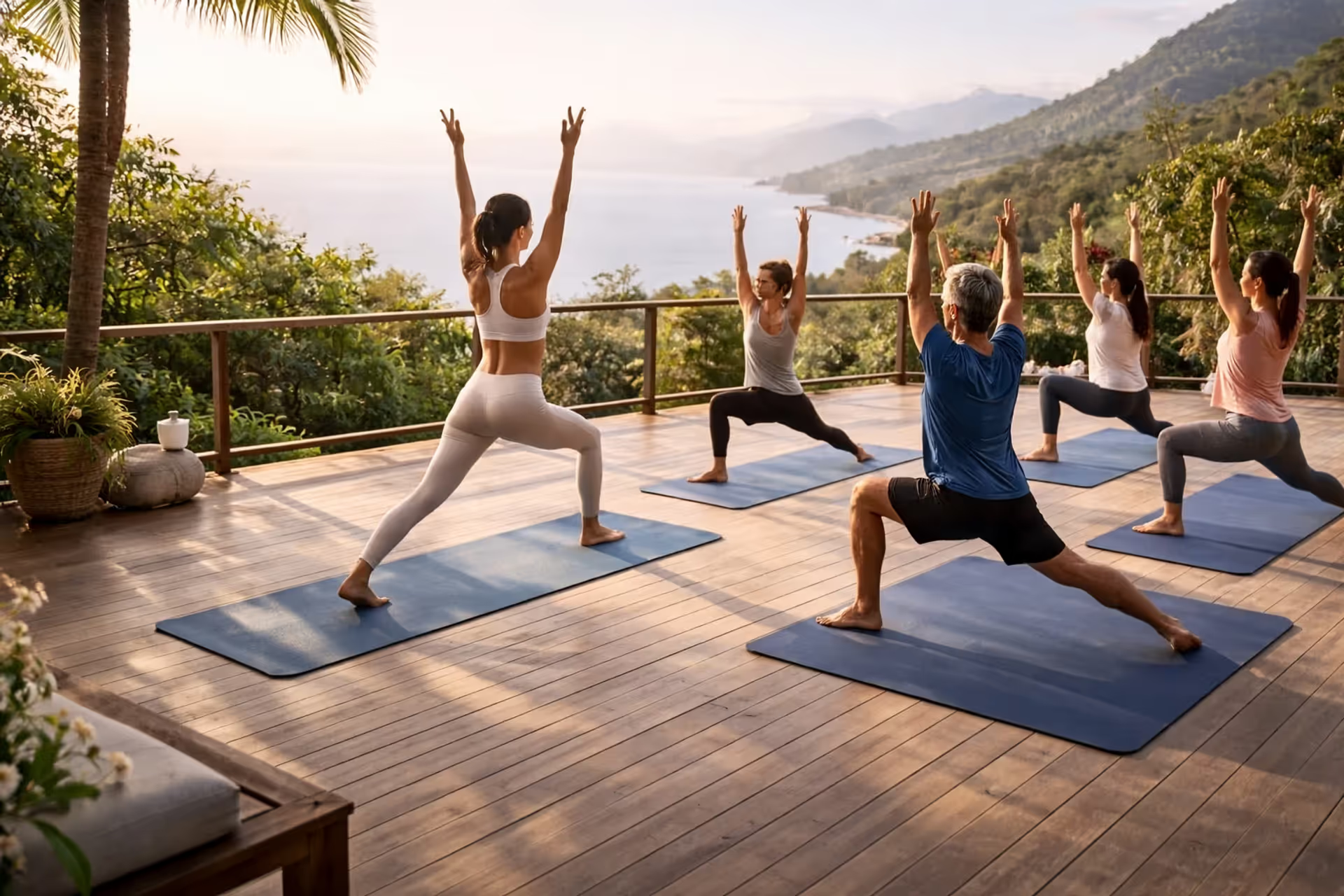
Yoga and meditation holidays represent a rapidly growing segment of the travel industry, offering individuals unique opportunities to combine vacation experiences with profound personal development and wellness practices. These specialized retreats have emerged as sanctuaries from the increasingly hectic pace of modern life, providing participants with dedicated time and space to focus on their physical health, mental clarity, and spiritual awakening in carefully curated, serene, and supportive environments. The rising popularity of these retreats reflects a broader cultural shift toward prioritizing mental health and recognizing the substantial benefits of mindfulness practices, alongside a growing desire among many people to find sustainable, effective ways to manage stress and enhance their overall quality of life.
In the contemporary context of travel, integrating wellness activities such as yoga and meditation into holiday experiences has become far more than a passing trend. This approach to travel enriches the vacation experience by providing travelers with tools and practices they can carry with them long after returning home, promoting lasting health benefits that extend well beyond the duration of the retreat itself. This alignment with the contemporary travel trend toward more meaningful and transformative journeys reflects a fundamental change in how people view their time away from work and daily responsibilities. Rather than simply seeking escape or entertainment, modern travelers increasingly seek experiences that contribute to their personal growth, health, and overall sense of well-being.
The integration of ancient wisdom traditions with modern wellness science has created a unique category of travel experience that appeals to a remarkably diverse demographic. From stressed executives seeking relief from burnout to young professionals looking for meaningful experiences, from retirees exploring new dimensions of health to fitness enthusiasts wanting to deepen their practice, yoga and meditation retreats offer something valuable for virtually anyone interested in self-improvement and holistic wellness. The global expansion of these retreats has made them accessible in virtually every corner of the world, from tropical beaches to mountain sanctuaries, from historic European estates to modern wellness centers equipped with cutting-edge amenities.
Benefits of Meditation and Yoga Retreats
Physical Benefits
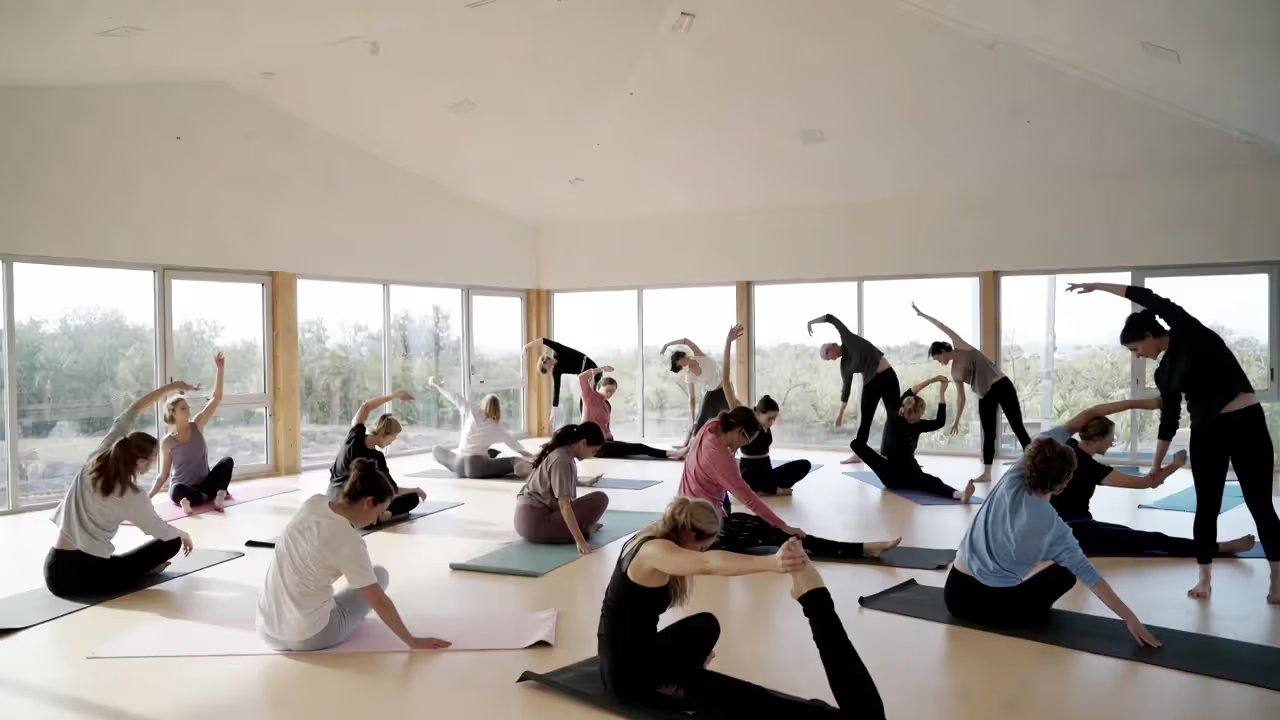
Yoga and meditation holidays offer an extensive array of physical advantages that contribute significantly to participants' overall health and vitality. Regular yoga practice during these retreats provides opportunities for consistent, guided exercise that helps stretch and tone the body's muscles while simultaneously enhancing balance, coordination, and endurance. The physical benefits extend far beyond simple flexibility improvements; participants often experience meaningful reductions in chronic pain, particularly in areas commonly affected by sedentary modern lifestyles such as the lower back, neck, and shoulders.
The intensive nature of retreat experiences, where participants may engage in multiple yoga sessions daily, allows the body to adapt and respond to the practice in ways that may not be possible with occasional studio classes at home. This concentrated exposure to physical yoga practice can lead to breakthrough moments in flexibility, strength, and body awareness that participants might take months or years to achieve in their regular practice. Additionally, many retreats incorporate complementary physical activities such as hiking, swimming, or other movement practices that further enhance the physical benefits and provide variety in the daily routine.
The improvement in posture that results from consistent yoga practice carries benefits that extend into every aspect of daily life. Better posture reduces strain on the musculoskeletal system, decreases fatigue, improves breathing capacity, and even contributes to enhanced confidence and mood. Many participants report that the physical improvements they experience during retreats serve as motivation to maintain healthier lifestyle habits upon returning home, creating a positive feedback loop that extends the benefits of the retreat experience well into the future.
Author: Connor Evans;
Source: yogapennsylvania.com
Mental Health Benefits
The mental health benefits of yoga and meditation retreats represent perhaps their most significant and transformative aspect for many participants. In our increasingly connected and demanding world, the opportunity to step away from the constant stimulation of technology, work pressures, and social obligations provides invaluable space for mental restoration and healing. Participants consistently report experiencing increased calmness, enhanced focus, and dramatically clearer cognition as a direct result of dedicated meditation and mindfulness practices undertaken during their retreat experience.
Scientific research has consistently demonstrated that meditation and yoga practices effectively lower cortisol levels, the hormone most closely associated with stress. This physiological change leads to measurable reductions in stress and anxiety that participants can feel almost immediately and that often persist long after the retreat has ended. The mental clarity and tranquility that develops through consistent practice can fundamentally change how individuals approach challenges, make decisions, and perceive their circumstances.
Beyond stress reduction, many retreats offer specific therapeutic programs designed to address particular mental health concerns such as depression, anxiety disorders, trauma recovery, or addiction. These specialized programs combine the benefits of yoga and meditation with evidence-based therapeutic approaches, creating comprehensive healing experiences that address mental health from multiple angles simultaneously. The supportive community environment of retreats also provides social connection and understanding that many participants find therapeutic in itself.
Yoga is the journey of the self, through the self, to the self.
— Bhagavad Gita
Spiritual Benefits
On a spiritual level, yoga and meditation retreats enable participants to undertake a profound exploration of their inner landscape, fostering a greater sense of peace, purpose, and mindfulness that can transform their relationship with themselves and the world around them. These holidays often serve as catalysts for meaningful personal journeys into one's inner life, assisting individuals in connecting with their authentic self and engaging with the surrounding world with heightened awareness and presence. This increased self-awareness frequently leads to profound personal growth and a more fulfilling, intentional approach to life.
Many retreat participants describe experiencing moments of deep insight or spiritual awakening during their time at these centers, often facilitated by specific practices such as extended silent meditation, breathwork, or guided contemplation. The removal of everyday distractions and responsibilities creates space for these transformative experiences to emerge naturally, while skilled teachers and supportive environments help participants integrate and understand these profound moments. For those seeking to deepen their spiritual practice or explore new dimensions of consciousness, retreat environments offer ideal conditions for such exploration.
The spiritual benefits of retreat experiences often extend into improved relationships, greater compassion for oneself and others, enhanced creativity, and a deeper sense of connection to something larger than oneself. Whether participants frame these benefits in religious terms, secular mindfulness language, or simply as improved well-being and life satisfaction, the spiritual dimension of retreat experiences consistently ranks among the most valued and memorable aspects of these transformative holidays.
Popular Destinations for Yoga and Meditation Retreats
Author: Connor Evans;
Source: yogapennsylvania.com
Asia: The Birthplace of Yoga
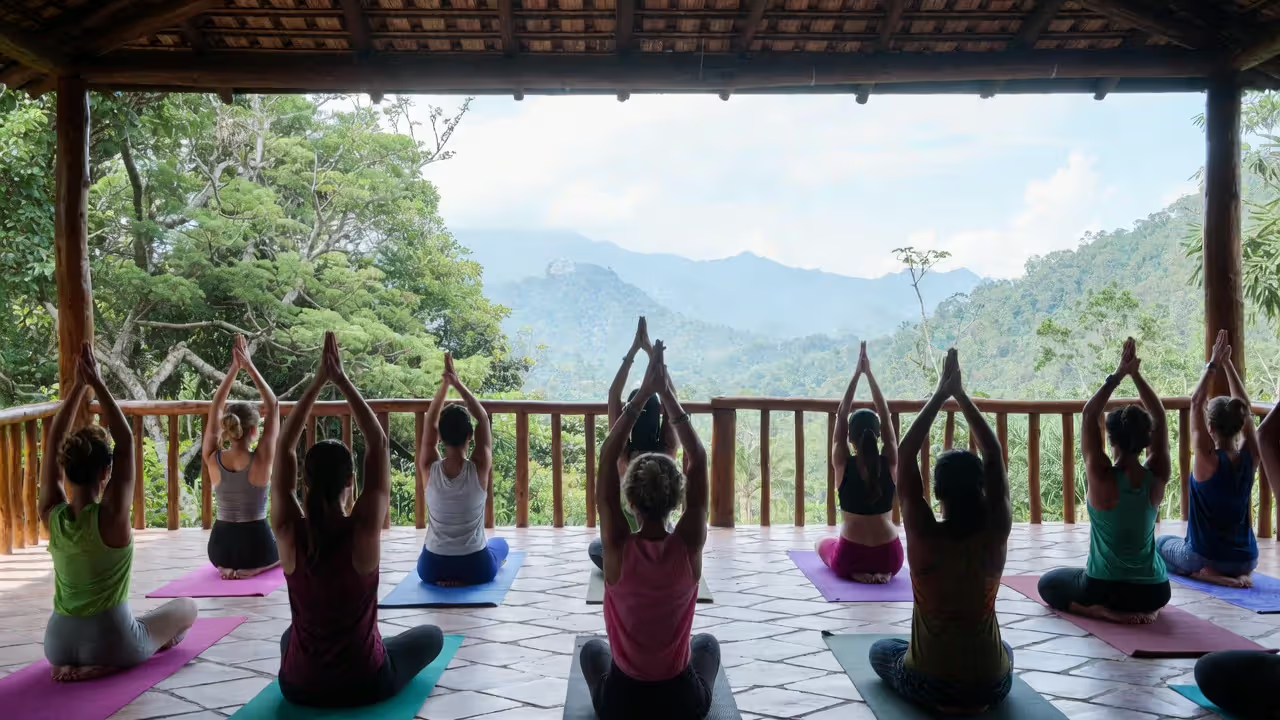
Asia remains the spiritual heartland of yoga and meditation, offering unparalleled authenticity and depth of practice that draws seekers from around the world. India, as the birthplace of yoga, continues to hold a special place in the hearts of practitioners, with destinations like Rishikesh offering transformative experiences in the shadow of the Himalayas. The city of Rishikesh, often called the yoga capital of the world, hosts numerous ashrams and retreat centers where visitors can study with teachers who represent centuries-old lineages and traditions. The spiritual atmosphere of this sacred city, situated along the banks of the holy Ganges River, provides an immersive environment that many practitioners find uniquely conducive to deep practice and personal transformation.
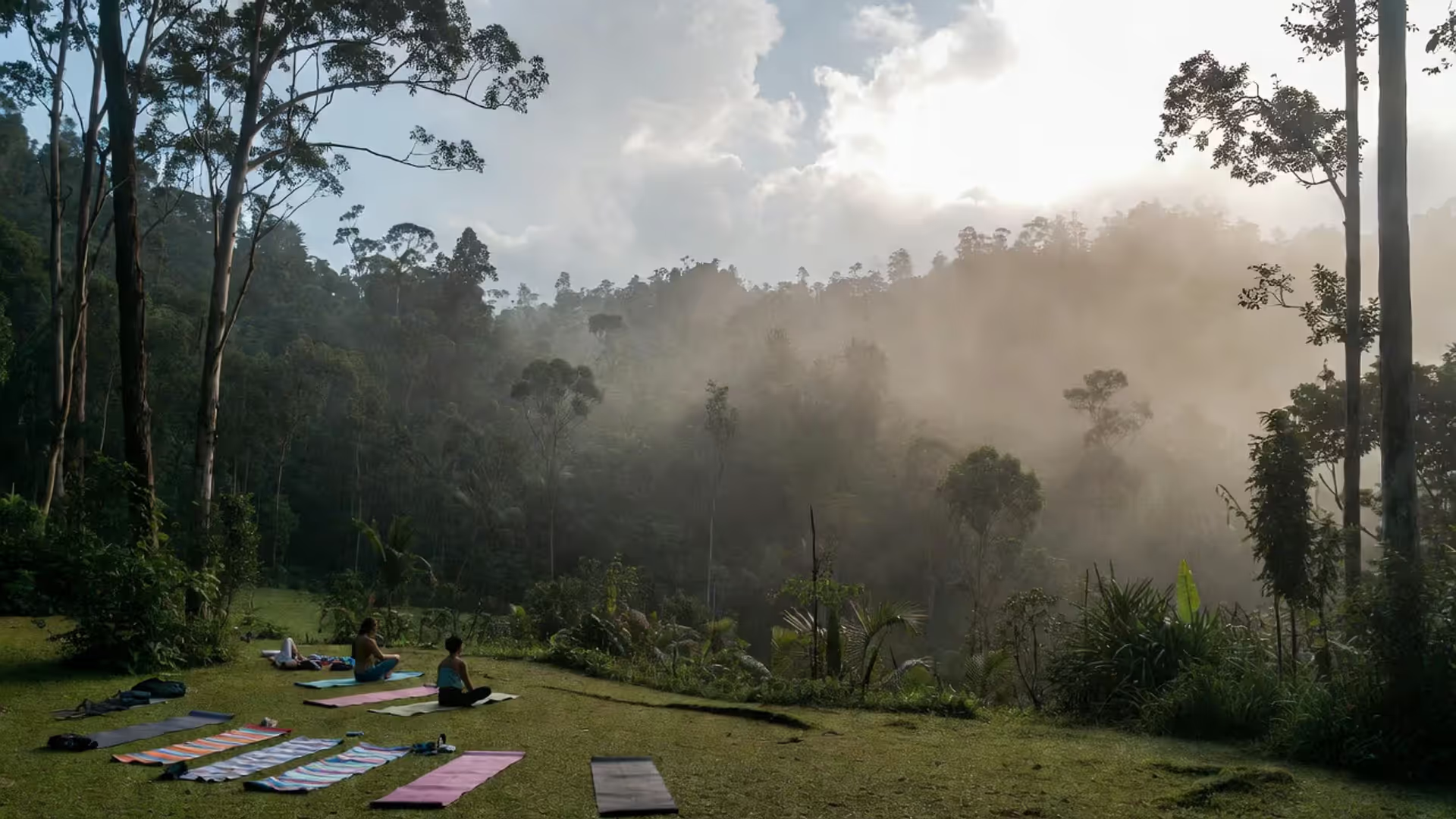
Bali, Indonesia, has emerged as one of the world's premier wellness destinations, combining ancient Balinese spiritual traditions with modern retreat amenities and stunning natural beauty. The cultural landscape of Bali, with its countless temples, traditional ceremonies, and deeply spiritual local population, creates an atmosphere of reverence and mindfulness that pervades daily life. Retreat centers like the Yoga Barn in Ubud have become internationally renowned destinations, offering comprehensive programs among rice paddies and tropical gardens that feel worlds away from the stresses of modern life.
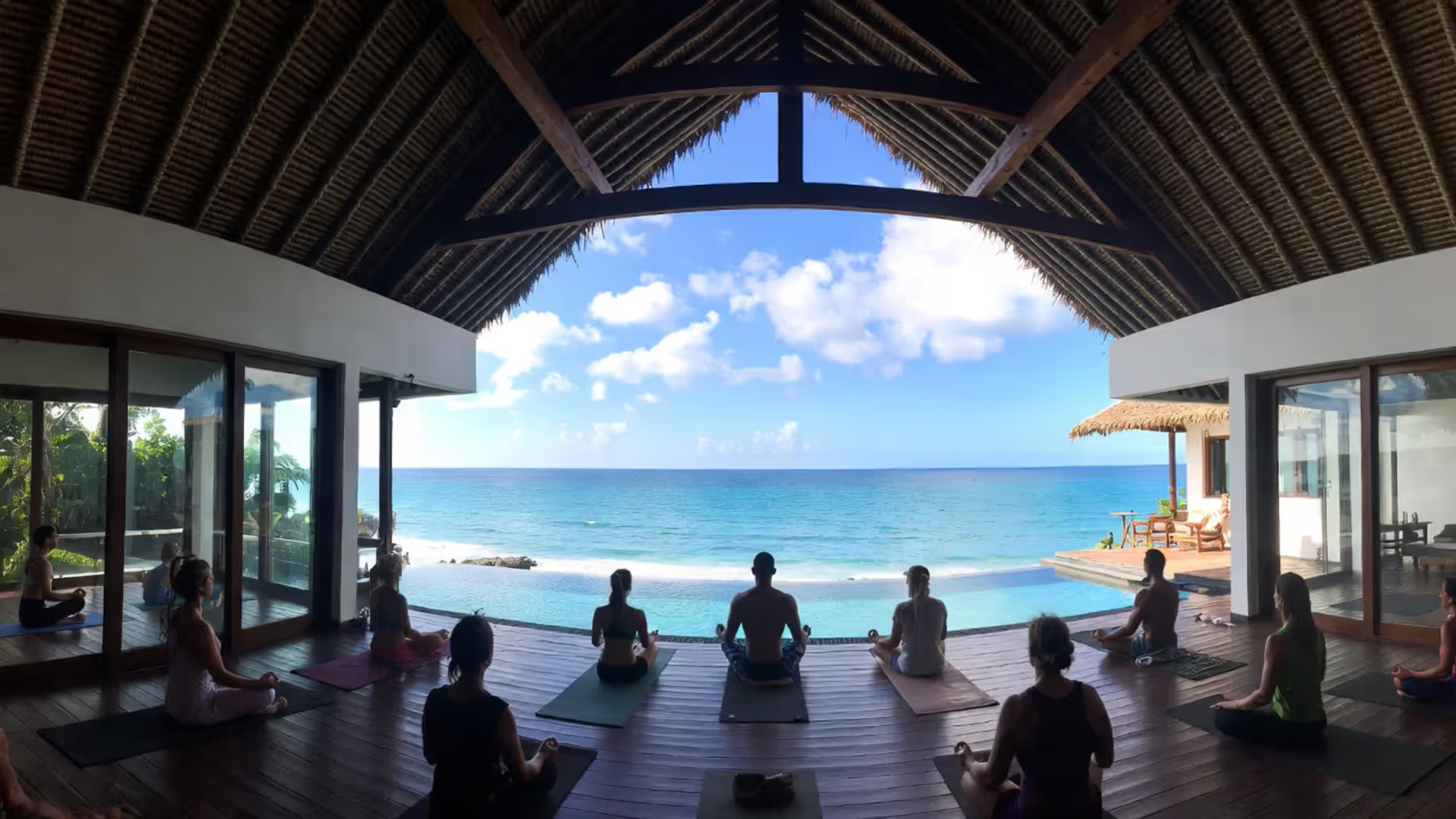
Thailand offers a unique blend of Buddhist meditation traditions with modern wellness infrastructure, making it an ideal destination for those seeking both authenticity and comfort. Retreat centers throughout the country range from traditional Buddhist monasteries offering rigorous meditation training to luxury wellness resorts combining Thai spa traditions with yoga and mindfulness programs. The natural beauty of Thailand, from its pristine beaches to its lush jungle mountains, provides stunning backdrops for practice and contemplation.
Europe: Ancient Charm Meets Modern Wellness
Europe has developed a thriving yoga and meditation retreat scene that combines the continent's rich cultural heritage with modern wellness practices. Spain's Andalusia region has become particularly popular, with retreat centers set among olive groves and historic haciendas offering programs that blend Mediterranean lifestyle with comprehensive yoga training. The warm climate, healthy cuisine, and relaxed pace of life in southern Spain create ideal conditions for retreat experiences that feel both restorative and culturally enriching.
Portugal has emerged as a favorite destination for yoga retreats, offering dramatic Atlantic coastlines, charming rural landscapes, and a growing infrastructure of world-class retreat centers. The country's Vale de Moses retreat, nestled in remote mountains, has gained international recognition for programs combining yoga with silent walking meditations through pristine natural environments. The Portuguese emphasis on quality food, natural beauty, and relaxed living aligns perfectly with the values of most retreat seekers.
Greece offers unique opportunities to combine yoga practice with exploration of ancient philosophical traditions that share deep connections with Eastern wisdom. Retreat centers on Greek islands provide settings of extraordinary natural beauty, where participants can practice yoga overlooking the Aegean Sea while contemplating the philosophical heritage of the ancient Greeks who first explored many questions central to yoga philosophy.
North America: Diverse Landscapes and Approaches
North America offers remarkable diversity in yoga and meditation retreat options, from tropical Central American destinations to serene mountain retreats in the United States and Canada. Costa Rica has become one of the hemisphere's premier wellness destinations, with retreat centers throughout the country offering programs that combine yoga and meditation with eco-tourism, sustainable living education, and immersion in stunning tropical biodiversity. The country's commitment to environmental protection and its philosophy of "pura vida" (pure life) resonate strongly with the values underlying yoga and meditation practice.
Mexico's Pacific coast has developed numerous retreat centers that combine the country's rich cultural traditions with comprehensive wellness programming. Destinations like Sayulita offer retreat experiences that incorporate local cuisine, artistic traditions, and natural beauty alongside rigorous yoga training. The accessibility of Mexican destinations for North American travelers, combined with generally favorable costs compared to domestic options, has made Mexico increasingly popular for retreat seekers.
The United States hosts numerous world-renowned retreat centers that have shaped the development of yoga and meditation in the Western world. The Kripalu Center in Massachusetts offers one of the largest selections of yoga and wellness programs available anywhere, while centers like Esalen in California have pioneered approaches that integrate Eastern practices with Western psychology and human potential development. These established centers offer both the expertise of decades of experience and the infrastructure to host large numbers of guests in comfort.
Types of Yoga and Meditation Retreats
Beginner Retreats
Beginner retreats are specifically designed to welcome newcomers to the practices of yoga and meditation, providing thorough introduction to foundational techniques in supportive, judgment-free environments. These programs typically emphasize patience, personal growth, and gradual skill development, ensuring that newcomers feel comfortable and encouraged throughout their experience. Instruction focuses on basic yoga poses, proper alignment, breathing techniques, and introductory meditation methods, with teachers taking care to explain the purpose and benefits of each practice.
The curriculum at beginner retreats often includes educational components that help participants understand the philosophy and history underlying yoga and meditation, providing context that enriches their practice. Many first-time retreat attendees report that the concentrated, immersive nature of retreat experiences allowed them to develop their practice far more rapidly than they could have through occasional classes at home. The supportive community environment, where everyone is learning together, often proves particularly valuable for beginners who might feel intimidated in mixed-level settings.
Advanced Retreats
For practitioners who have already established a solid foundation in yoga and meditation, advanced retreats offer opportunities to deepen their practice significantly and explore more sophisticated techniques. These programs typically involve more intensive schedules, with multiple hours of practice daily and teachings on advanced topics such as yoga philosophy, subtle body anatomy, pranayama (breathing exercises), and meditation techniques requiring substantial preparation. Advanced retreats often attract serious practitioners seeking breakthrough experiences in their practice.
The teaching at advanced retreats typically goes beyond physical postures to address the full spectrum of yogic practices, including ethical guidelines, study of classical texts, and exploration of meditation states. Many advanced retreats are led by highly accomplished teachers who represent specific lineages or traditions, providing students with access to teachings and guidance not readily available elsewhere. The concentrated time and focused environment of these retreats often enable practitioners to achieve levels of insight and physical accomplishment that transform their relationship with yoga.
Specialty Retreats
Specialty retreats cater to specific interests, demographics, or therapeutic needs, providing targeted programs that address particular aspects of wellness and personal development. Women-only retreats have become particularly popular, providing safe spaces where women can explore personal and spiritual growth while building supportive community connections with other women. These retreats often address topics particularly relevant to women's health and life experiences, creating environments where deep sharing and healing can occur.
Silent retreats, which minimize or eliminate conversation throughout the retreat duration, offer unique opportunities for deep introspection and intensive meditation practice. By removing the stimulation and distraction of social interaction, silent retreats create conditions that allow practitioners to turn their attention fully inward, often leading to profound insights and experiences. Adventure retreats combine yoga and meditation with outdoor activities such as hiking, surfing, rock climbing, or paddleboarding, appealing to those who want to integrate their wellness practice with active engagement with nature and physical challenge.
Comparison of Retreat Types
The following table provides a comprehensive comparison of different retreat types to help you select the most appropriate option for your experience level and goals:
| Retreat Type | Best For | Duration | Key Features |
| Beginner | Newcomers to yoga | 3-7 days | Foundational poses, gentle pace, educational focus |
| Intermediate | Regular practitioners | 5-10 days | Deeper practice, varied styles, philosophy introduction |
| Advanced | Experienced yogis | 7-21 days | Intensive practice, advanced postures, pranayama, philosophy |
| Silent | Deep meditators | 3-14 days | Noble silence, intensive meditation, minimal interaction |
| Adventure | Active travelers | 5-14 days | Yoga combined with hiking, surfing, or other activities |
| Women-Only | Women seeking community | 4-10 days | Safe space, women's health focus, community building |
Choosing the Right Retreat
Selecting the ideal yoga and meditation retreat requires careful consideration of numerous factors to ensure that your experience aligns with your personal goals, preferences, and practical constraints. The diversity of options available today means that there is almost certainly a retreat perfectly suited to your needs, but finding it requires thoughtful evaluation of what you hope to achieve and what conditions will best support your growth and relaxation.

Author: Connor Evans;
Source: yogapennsylvania.com
Key Factors to Consider
The quality of instruction stands as perhaps the single most important factor in determining the value of a retreat experience. Instructors should possess recognized credentials from reputable organizations such as Yoga Alliance, along with substantial teaching experience and a track record of positive student outcomes. Researching instructor backgrounds, reading reviews from previous participants, and even reaching out to instructors directly with questions can help ensure that you will receive guidance that is both safe and genuinely transformative.
The location of a retreat profoundly influences the overall experience, affecting everything from the physical environment of practice to the cultural context that surrounds your time there. Consider whether you are drawn to beach settings, mountain environments, forest retreats, or desert landscapes, and evaluate how travel requirements might affect your arrival state and overall experience. Some practitioners prefer the authenticity of practicing yoga in its countries of origin, while others prioritize convenience and minimal jet lag by choosing closer destinations.
The style of yoga offered should align with your interests, experience level, and physical capabilities. Retreats may specialize in vigorous styles like Ashtanga or Vinyasa, gentle approaches like Restorative or Yin yoga, or more spiritually focused traditions like Kundalini or Bhakti yoga. If you have specific physical limitations or health concerns, ensure that the retreat can accommodate your needs and that instructors are trained to provide appropriate modifications.
The success of yoga does not lie in the ability to perform postures but in how it positively changes the way we live our life and our relationships.
— T.K.V. Desikachar
Preparation Tips
Preparing adequately for your retreat experience will significantly enhance the benefits you receive and help you make the most of your investment of time and resources. In the weeks leading up to your retreat, consider increasing your regular yoga and meditation practice to prepare your body and mind for a more intensive experience. This preparation helps reduce the initial adjustment period at the retreat and allows you to engage more fully with the teachings from the beginning.
Mental preparation is equally important as physical preparation. Clarify your intentions for the retreat by reflecting on what you hope to achieve, experience, or learn. Writing down your goals and reviewing them periodically before departure can help focus your mind and create a framework for evaluating your experience afterward. At the same time, remain open to unexpected developments and outcomes, as some of the most valuable retreat experiences come from unanticipated insights or transformations.
Practical preparations include arranging time away from work and family responsibilities, completing necessary travel arrangements well in advance, and addressing any health or dietary needs with the retreat center before arrival. Many retreats recommend or require abstaining from alcohol, caffeine, or certain foods before and during the program, so understanding and following these guidelines will optimize your experience and show respect for the retreat community.
What to Pack for a Yoga and Meditation Holiday
Packing thoughtfully for your yoga and meditation retreat ensures that you have everything needed to participate fully while avoiding unnecessary items that can complicate travel and distract from your experience. The specific items required will vary depending on your destination, the retreat's focus and amenities, and your personal practice preferences, but certain essentials remain consistent across most retreat experiences.
Essential Items
- Yoga Mat: Bring a high-quality yoga mat that you are comfortable practicing on, as it will be used extensively throughout your retreat. While many centers provide mats, using your own ensures familiar texture and adequate cushioning for your practice.
- Comfortable Clothing: Pack loose, breathable clothing that allows unrestricted movement during yoga sessions. Consider bringing enough outfits for the duration of your stay, accounting for multiple daily practice sessions and the availability of laundry facilities.
- Water Bottle: A reusable water bottle is essential for staying hydrated throughout your practice and during the day. Many retreat centers prioritize sustainability, making refillable bottles both practical and environmentally appropriate.
- Meditation Cushion: A comfortable meditation cushion can significantly enhance your seated practice, especially during longer meditation sessions. Inflatable travel cushions offer a portable solution for those concerned about luggage space.
- Personal Care Items: Bring any personal hygiene products you prefer, as retreat centers may offer limited selections. Natural, unscented products are generally appropriate for shared yoga spaces and respectful of others' sensitivities.
Optional but Recommended Items
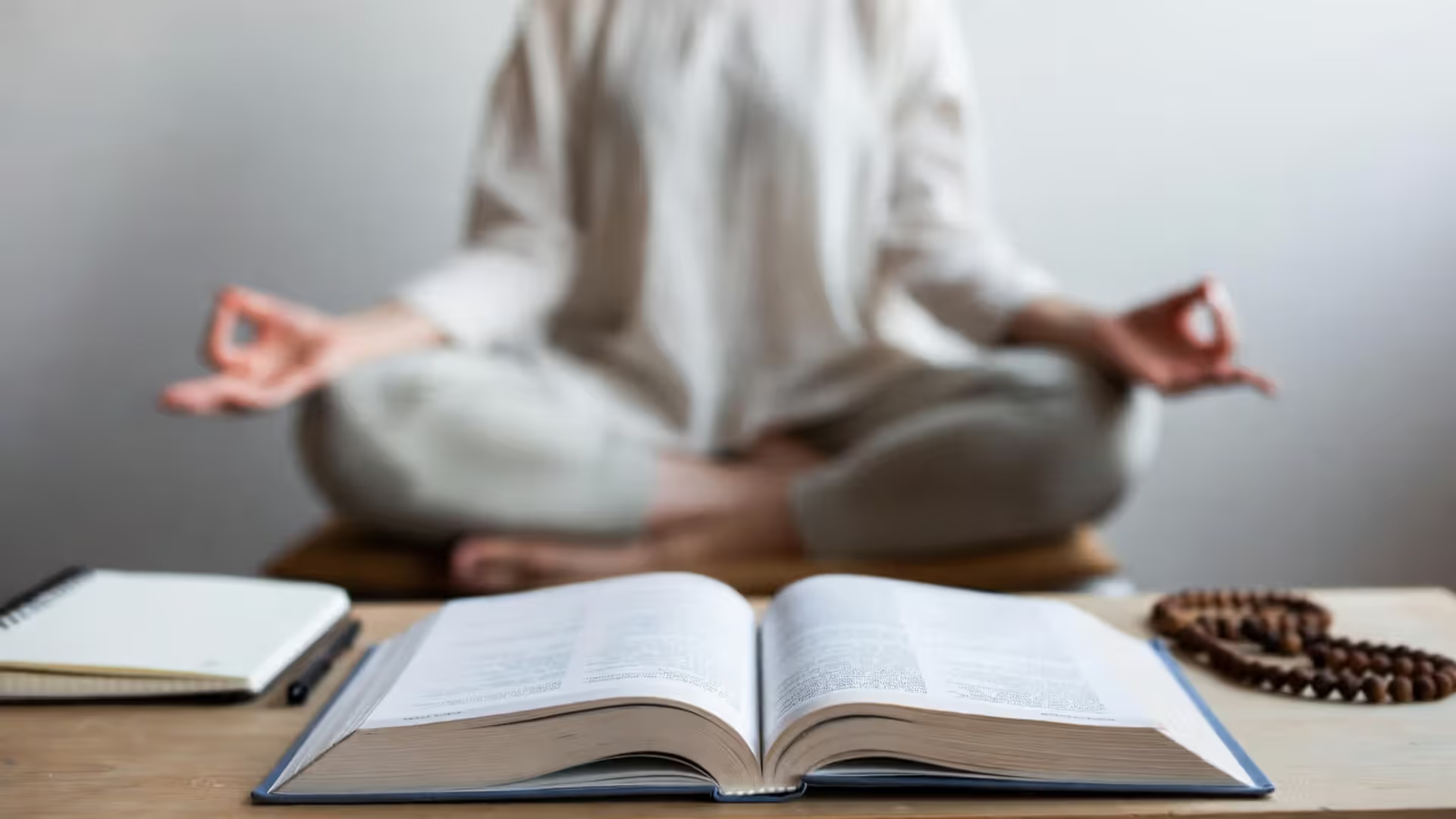
Depending on your personal preferences and the specific nature of your retreat, several optional items can enhance your experience. A journal provides an invaluable tool for processing insights, recording teachings, and documenting your journey of personal growth. Many practitioners find that the reflective writing practice becomes an important complement to their yoga and meditation work, and the journal serves as a meaningful memento of the retreat experience long afterward.
Books on yoga philosophy, meditation practice, or personal development can enrich your experience during quiet times and provide context for the teachings you receive. Choose materials that complement the retreat's focus or explore topics you wish to understand more deeply. Some practitioners also bring inspirational poetry or spiritual texts for contemplation and reflection.
If your retreat includes outdoor activities or is located in areas with hiking trails or natural attractions, appropriate gear such as sturdy footwear, a daypack, and sun protection becomes essential. Research the specific opportunities available at your destination and pack accordingly to take full advantage of the natural environment.
Personal Stories and Testimonials
The transformative power of yoga and meditation retreats is perhaps best illustrated through the personal stories of those who have experienced them firsthand. These accounts reveal the diverse ways that retreat experiences can impact participants' lives, from subtle shifts in perspective to dramatic life changes that ripple outward to affect relationships, careers, and overall well-being.
John, a software developer from San Francisco, describes his time at a mountain retreat center as a genuine reset that fundamentally changed his relationship with work and technology. After years of constant connectivity and mounting stress, John found that the retreat's combination of digital detox, daily yoga practice, and guided meditation helped him reconnect with aspects of himself that had been buried under the demands of his high-pressure career. Upon returning home, he implemented boundaries around work hours and technology use that have improved both his professional performance and personal satisfaction.
Sarah, a school teacher from Boston, attended a week-long yoga retreat seeking tools for managing classroom stress and found that the experience transformed not only her teaching but her entire approach to relationships and communication. The mindfulness techniques she learned allowed her to respond to challenging situations with greater patience and clarity, leading to improved classroom management and more meaningful connections with her students. Her colleagues noticed the change in her demeanor and several have since attended retreats themselves based on her recommendation.
Mike, a retired veteran, arrived at his first meditation retreat struggling with anxiety and insomnia that had plagued him for years following his military service. The combination of gentle yoga, breathing practices, and extended meditation sessions provided him with tools that pharmaceutical interventions had failed to deliver. After two weeks of intensive practice, Mike experienced significant improvements in sleep quality and a noticeable reduction in anxiety symptoms. He continues to practice daily at home and returns to the retreat center annually for refresher programs.
These stories represent just a small sample of the countless transformations that occur at yoga and meditation retreats around the world. While each person's experience is unique, common themes emerge: the power of removing oneself from ordinary routines and distractions, the value of expert guidance and supportive community, and the lasting benefits that accrue from intensive, focused practice in nurturing environments.
The Science Behind Retreat Benefits
Modern scientific research has increasingly validated what practitioners have long known intuitively about the benefits of yoga and meditation. Studies using advanced neuroimaging technologies have demonstrated measurable changes in brain structure and function among regular meditators, including increased gray matter density in regions associated with learning, memory, and emotional regulation. These physical changes in the brain provide a biological basis for the improved mental clarity and emotional resilience that retreat participants commonly report.
Research on the physiological effects of yoga has documented improvements in cardiovascular health, respiratory function, and immune system response among practitioners. The combination of physical postures, controlled breathing, and meditation appears to activate the parasympathetic nervous system, countering the chronic stress response that contributes to numerous modern health problems. Studies specifically examining retreat experiences have found that the intensive, immersive nature of these programs can produce more rapid and pronounced benefits than comparable amounts of practice spread over longer periods.
Psychological research has documented significant reductions in symptoms of anxiety, depression, and post-traumatic stress among retreat participants, with benefits often persisting for months following the retreat experience. The combination of multiple therapeutic elements, including physical exercise, mindfulness training, social support, and time in natural environments, appears to create synergistic effects that enhance overall outcomes. This growing body of evidence has led many healthcare providers to recommend yoga and meditation retreats as complementary approaches to various health concerns.
Integrating Retreat Benefits into Daily Life
The true measure of a retreat's value lies not in the experience itself but in how effectively participants integrate its benefits into their ongoing lives. This integration process requires intentional effort and thoughtful planning, beginning even before the retreat ends. Most programs include guidance on maintaining practice at home, and taking advantage of these resources can significantly enhance the long-term impact of your retreat experience.
Establishing a consistent home practice is perhaps the most important factor in sustaining retreat benefits. This practice need not replicate the intensive schedule of the retreat; even brief daily sessions can maintain and build upon the progress achieved during the immersive experience. Starting with realistic commitments and gradually expanding practice duration and frequency allows for sustainable integration that becomes a natural part of daily routine rather than an additional burden.
Creating physical and social environments that support continued practice also contributes to successful integration. This might include designating a dedicated space for home practice, connecting with local yoga communities or meditation groups, and communicating with family and friends about the changes you hope to maintain. Many retreat participants find that periodic return visits to retreat centers help refresh their commitment and deepen their practice over time.
Frequently Asked Questions
Yoga and meditation holidays represent a powerful opportunity for personal transformation, offering participants the chance to step away from the demands of ordinary life and immerse themselves in practices that promote physical health, mental clarity, and spiritual growth. The diversity of retreat options available today ensures that virtually anyone can find a program suited to their needs, preferences, and goals, whether they seek rigorous physical challenge, deep meditation experience, therapeutic healing, or simply a meaningful vacation that leaves them feeling renewed and refreshed.
The benefits of these retreats extend far beyond the duration of the program itself, providing participants with tools, insights, and experiences that can enhance their lives for years to come. From improved physical flexibility and strength to reduced stress and enhanced emotional resilience, from deeper self-understanding to more meaningful relationships with others, the positive effects of retreat experiences touch virtually every aspect of participants' lives.
As our world becomes increasingly fast-paced and digitally connected, the value of retreating to simpler, more intentional environments for periods of focused practice and reflection only grows. Yoga and meditation holidays offer a proven path to wellness that honors ancient wisdom while embracing modern understanding of health and human potential. Whether you are new to these practices or have been on the path for decades, a well-chosen retreat can serve as a catalyst for meaningful growth and lasting positive change in your life.
Related Stories
Read more
Read more


The content on yogapennsylvania.com is provided for general informational and inspirational purposes only. It is intended to share yoga tips, meditation practices, wellness guidance, retreat experiences, and lifestyle insights, and should not be considered medical, therapeutic, fitness, or professional health advice.
All information, articles, images, and wellness-related materials presented on this website are for general informational purposes only. Individual health conditions, physical abilities, wellness goals, and experiences may vary, and results can differ from person to person.
Yogapennsylvania.com makes no representations or warranties regarding the accuracy, completeness, or reliability of the content provided and is not responsible for any errors or omissions, or for decisions or actions taken based on the information presented on this website. Readers are encouraged to consult qualified healthcare or wellness professionals before beginning any new yoga, meditation, or fitness practice.