
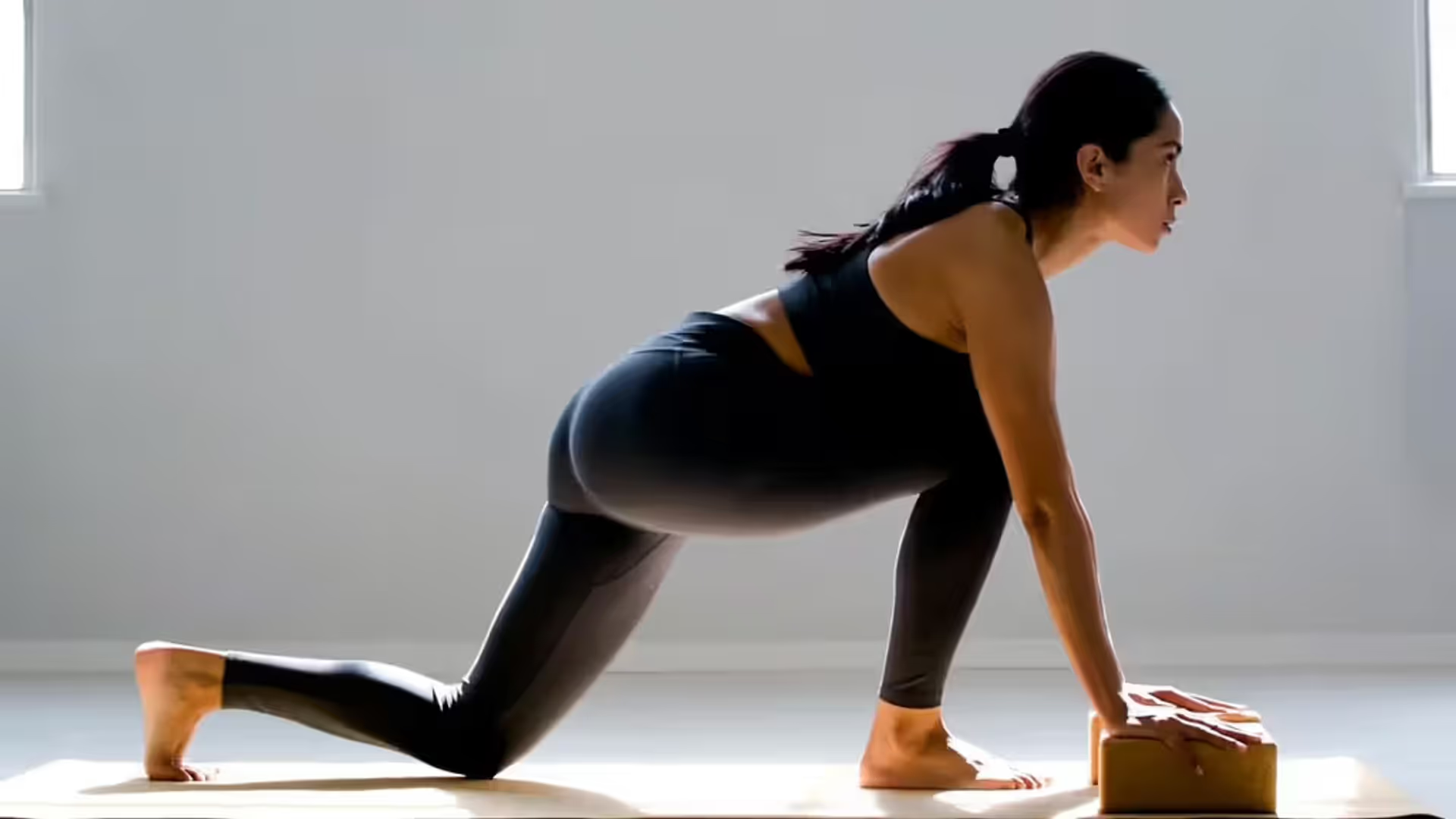
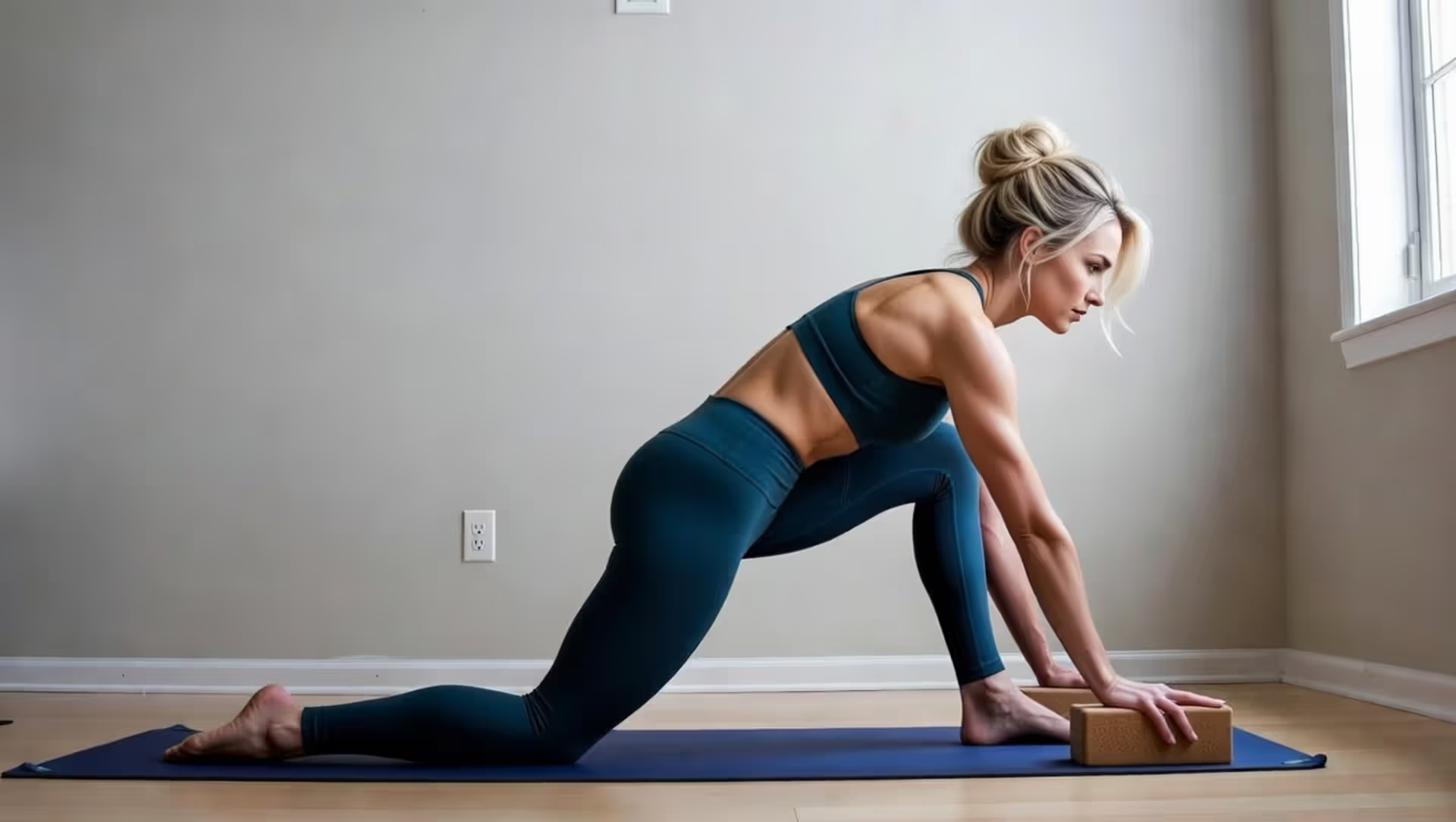
Low Lunge — effective hip flexor release for anterior tilt correction
Anterior Pelvic Tilt: How to Fix It Naturally with Yoga and Posture Correction

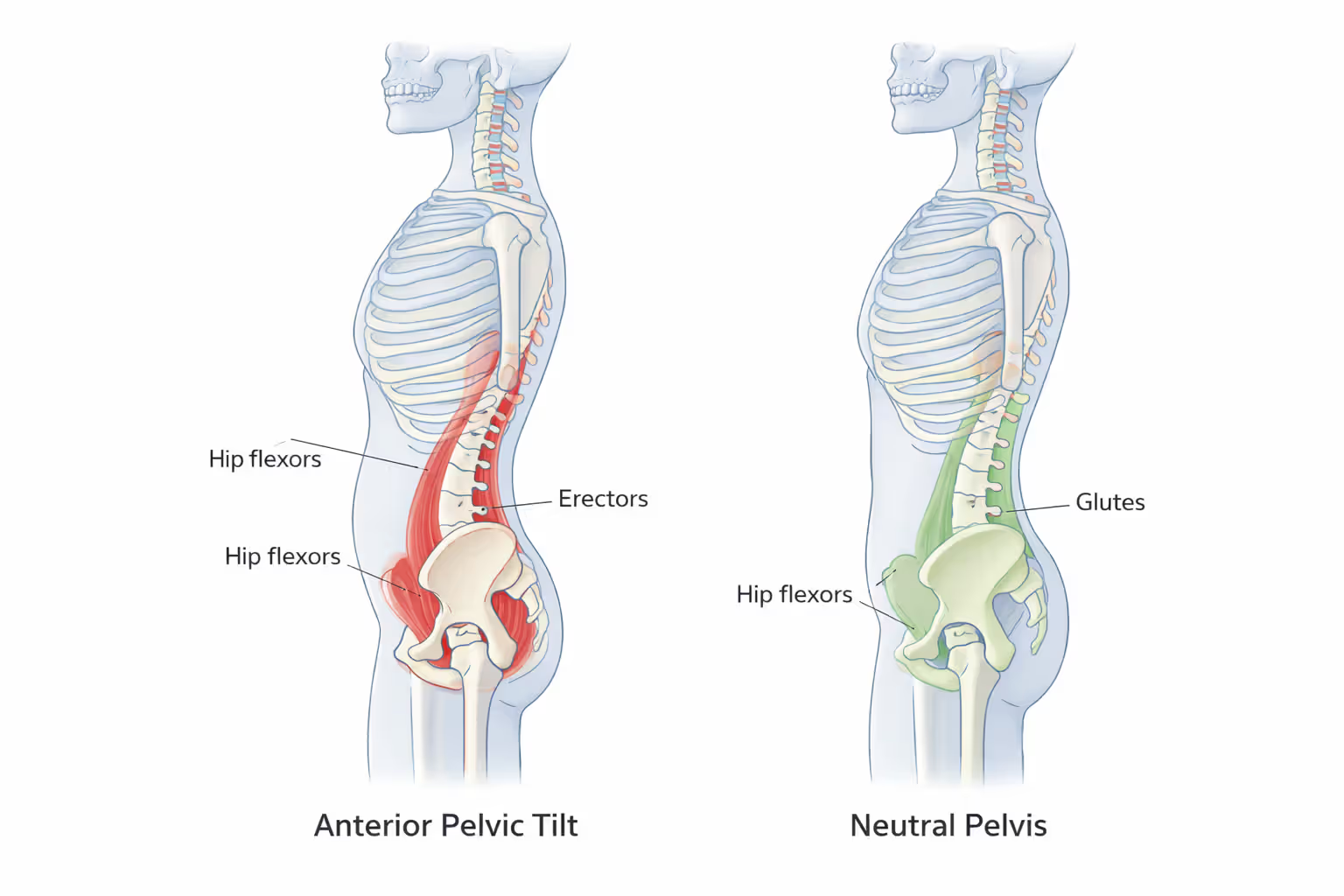
Forward pelvic tilt, often called APT, happens when the pelvis's front dips below its rear, heightening the lower back's inward bend. Folks frequently spot it via a sticking-out belly or persistent lumbar strain, even sans intense activities. Fortunately, steady, focused efforts can nudge the basin toward even positioning, lessening aches and refining stance, stride, and motion. Tackling forward pelvic tilt without meds typically means sorting muscle habits over shoving into one "ideal" pose. Yoga excels by mixing soft extensions of contracted areas with energizing dormant ones, all while sharpening bodily insight.
What Is Anterior Pelvic Tilt?
This tilt arises as the basin spins ahead, boosting the lumbar curve (the spine's natural dip). In balanced setup, the pelvis's forward and backward edges align roughly flat, with a mild arch. Excess tilt sees the front bony points (ASIS) drop low against the back ones (PSIS). For details, see Wikipedia on Pelvic Tilt.
How Anterior Pelvic Tilt Affects Posture and Lower Back
Such rotation squeezes the back spine into a sharper bow, pinching rear parts while pulling front ones. Gradually, this might spark ongoing lumbar unease, notably post long sits or stands. Contracted front hip muscles yank the basin forward, whereas slack rear and mid muscles can't offset. Alignment yoga for posture aids by fostering neutral spot awareness, and spinal relief pulls ease pressure for freer daily shifts.
Common Causes of Anterior Pelvic Tilt
Inactive routines hold front hip muscles compact daily. Tense front hips from jogging or pedaling sans cooldown amplify the drag. Feeble backside muscles arise from disuse—seating quiets them, halting rear steadiness. Midsection unevenness factors in; lax deep belly muscles leave the spine overtaxed for support. Wrong shoes, shifts during carrying a child, or routine hunching can pile on these triggers.
Muscle Imbalances Behind Anterior Pelvic Tilt
The setup mirrors a typical cross pattern: tense spots on one flank match lax ones opposite, fixing the basin off-center. Basin evenness betters when range and power both get care.
Tight Muscles That Pull the Pelvis Forward
Front hip pullers (deep hip and thigh front) contract from seats, hauling the lower spine and basin down. Lower back straighteners remain hyperactive offsetting weak front hold. Thigh fronts, notably the crossing one, stiffen more, bolstering the forward tug.
Author: Connor Evans;
Source: yogapennsylvania.com
Weak Muscles That Fail to Stabilize the Pelvis
Backside muscles (chiefly the big one) fade from neglect, cutting rear tilt ability. Rear thighs slacken versus fronts, missing basin anchor from behind. Inner mid muscles (belly wrap, spine supporters) underperform, exposing the back.
| Tense Areas | Slack Areas | Effect on Basin Setup |
| Front hip pullers (deep and thigh crosser) | Backside (big and side) | Ahead drag on basin; lessened rear hold |
| Lower back straighteners | Rear thighs | Heightened spine bend; weak hip reach control |
| Thigh fronts | Inner mid (wrap, supporters) | Front lead; spine squeeze |
Can Yoga Fix Anterior Pelvic Tilt Naturally?
Yoga tackles forward tilt well by coupling free-up of stiff spots with spark of counters, nurturing even power and sense. Backing from therapy and motion studies favors merging pulls with builds for stance changes. Plenty feel dropped spinal strain and simpler upright hold in weeks of regular drills.
Postural dysfunction improves when you address both mobility and strength simultaneously.
— Dr. Stuart McGill
Best Yoga for Anterior Pelvic Tilt (Step-by-Step)
Zero in on forms that open the front while sparking the back chain and mid. Proceed attentively, dodging over-bow in the lower spine. Explore more on poses at Wikipedia on Asana.
Hip Flexor Release Poses
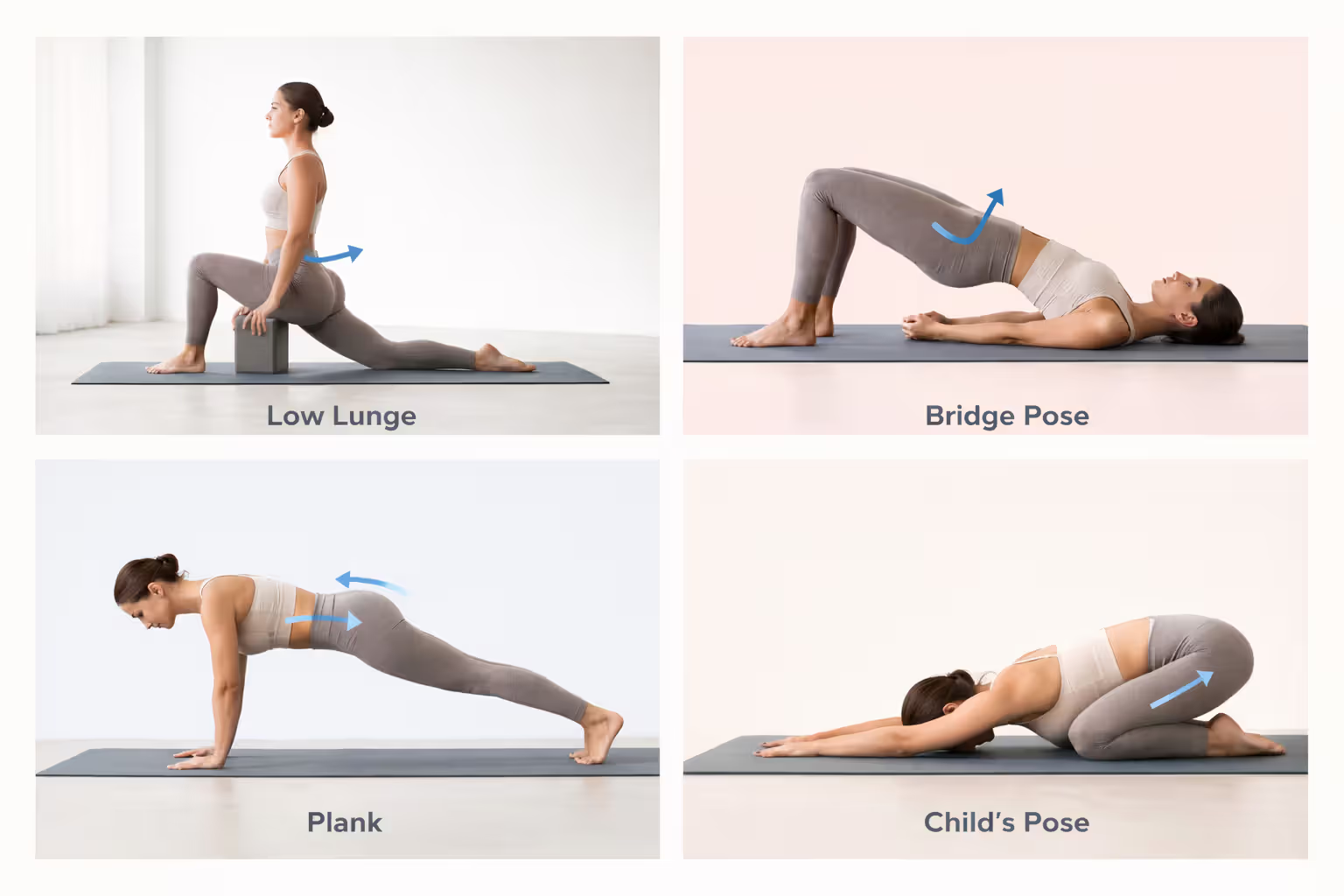
Forward Step (Anjaneyasana): Push one foot ahead, drop back knee. Slightly curl tail, fire backside, dip basin forward. Grip 45–60 seconds each leg. Deep hip pull variants: From forward step, reach arms up or ease a mild back lean if mid holds firm.
Glute & Hamstring Activation Poses
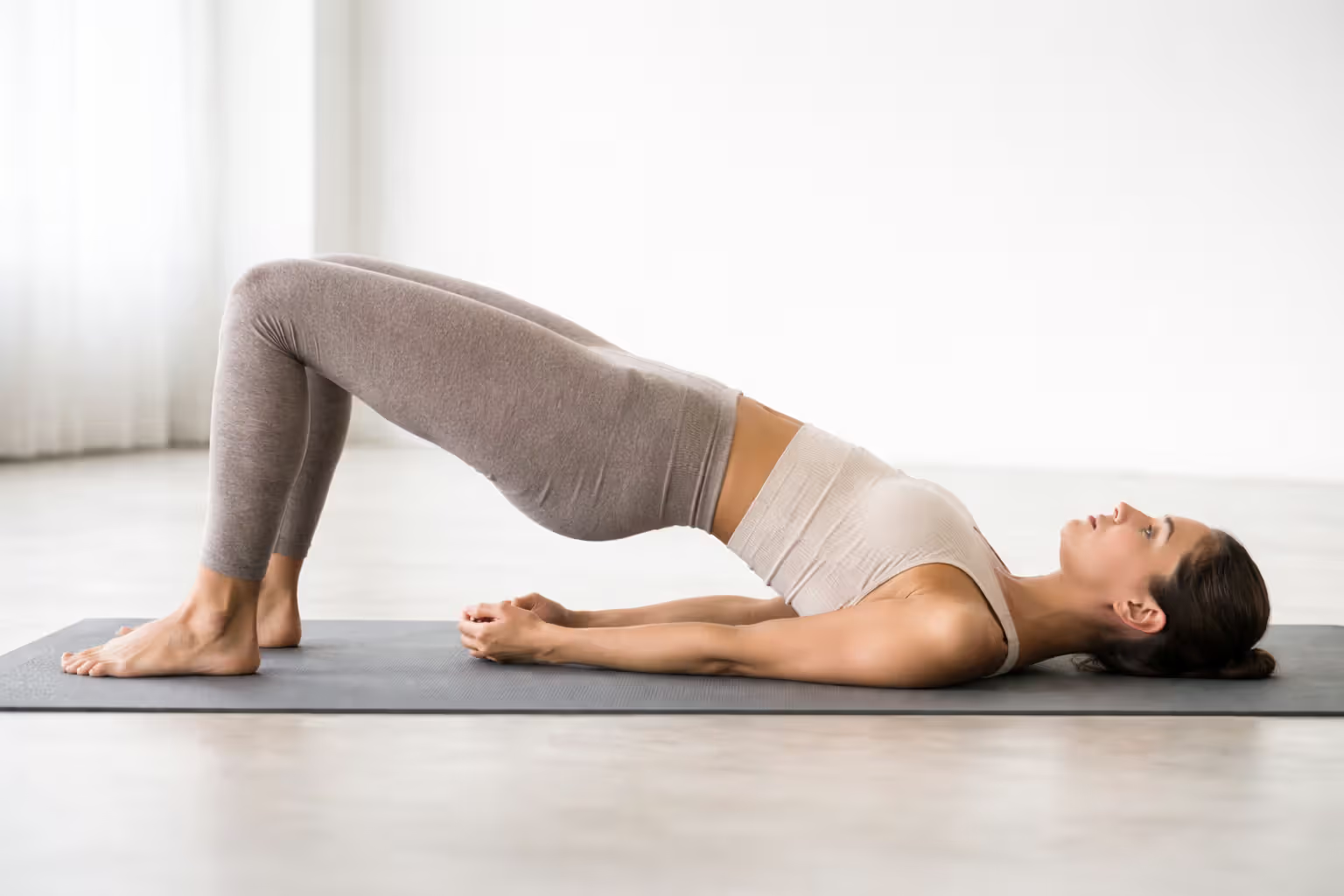
Hip Lift: Back flat, feet apart. Raise basin squeezing backside, hold basin level (skip over-bend). Grip 20–30 seconds, redo 8–10. Back Lift: Face down, raise upper and legs a bit, clench backside and rear thighs. Grip 15–20 seconds, redo 5.
Core Stabilization for Pelvic Balance
Board: Arms or palms down, frame straight. Pull belly to spine, skip drop or bow. Grip 20–60 seconds. Floor Switch (yoga tweak): Back down, limbs up. Reach opposite limb while flattening lower back. Switch 10 each side.
Author: Connor Evans;
Source: yogapennsylvania.com
Lower Back Yoga Stretches for Decompression
Rest Fold: Knees spread, settle back to heels, arms out. Inhale into spinal base for 1–2 minutes. Lying Spiral: Back flat, cross one knee over, arms wide. Grip 45 seconds each.
| Form | Goal | Grip Length | Entry Tweak |
| Forward Step | Open front hips | 45–60 sec/leg | Soft pad under rear knee; props under palms |
| Hip Lift | Spark backside & rear thighs | 20–30 sec | One-leg for added push |
| Board | Mid hold | 20–60 sec | Knees grounded |
| Rest Fold | Ease spinal base | 1–2 min | Spread knees for ease |
| Back Lift | Back chain power | 15–20 sec | Raise just upper or legs in turns |
Author: Connor Evans;
Source: yogapennsylvania.com
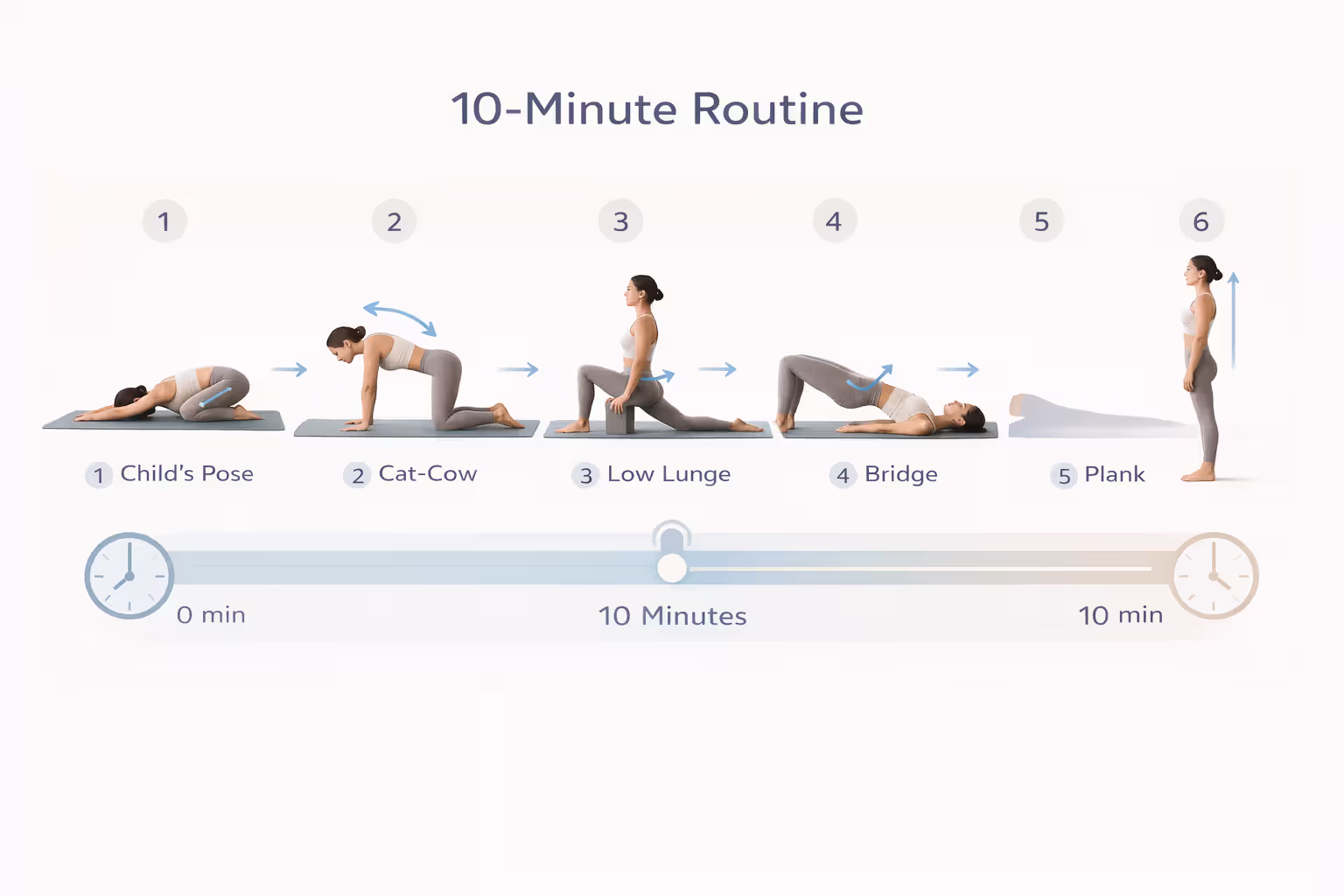
10-Minute Daily Routine to Correct Anterior Pelvic Tilt
Run this flow 5–6 days weekly. An office regular who began after prolonged desks noted a flatter spinal dip and reduced dawn rigid after roughly 6 weeks steady.
- Prep pull (3 min): Rest Fold → Spine Wave (8–10 cycles) to loosen back.
- Front hip & spinal base free (3 min): Forward Step (45 sec/leg) → Lying Spiral (45 sec/leg).
- Build & blend (4 min): Hip Lift (8–10) → Board (30–45 sec) → Floor Switch (10/leg). End upright, soft tail curl to sense even basin.
Author: Connor Evans;
Source: yogapennsylvania.com
How to Check If Your Pelvic Alignment Is Improving
Log advances weekly for drive.
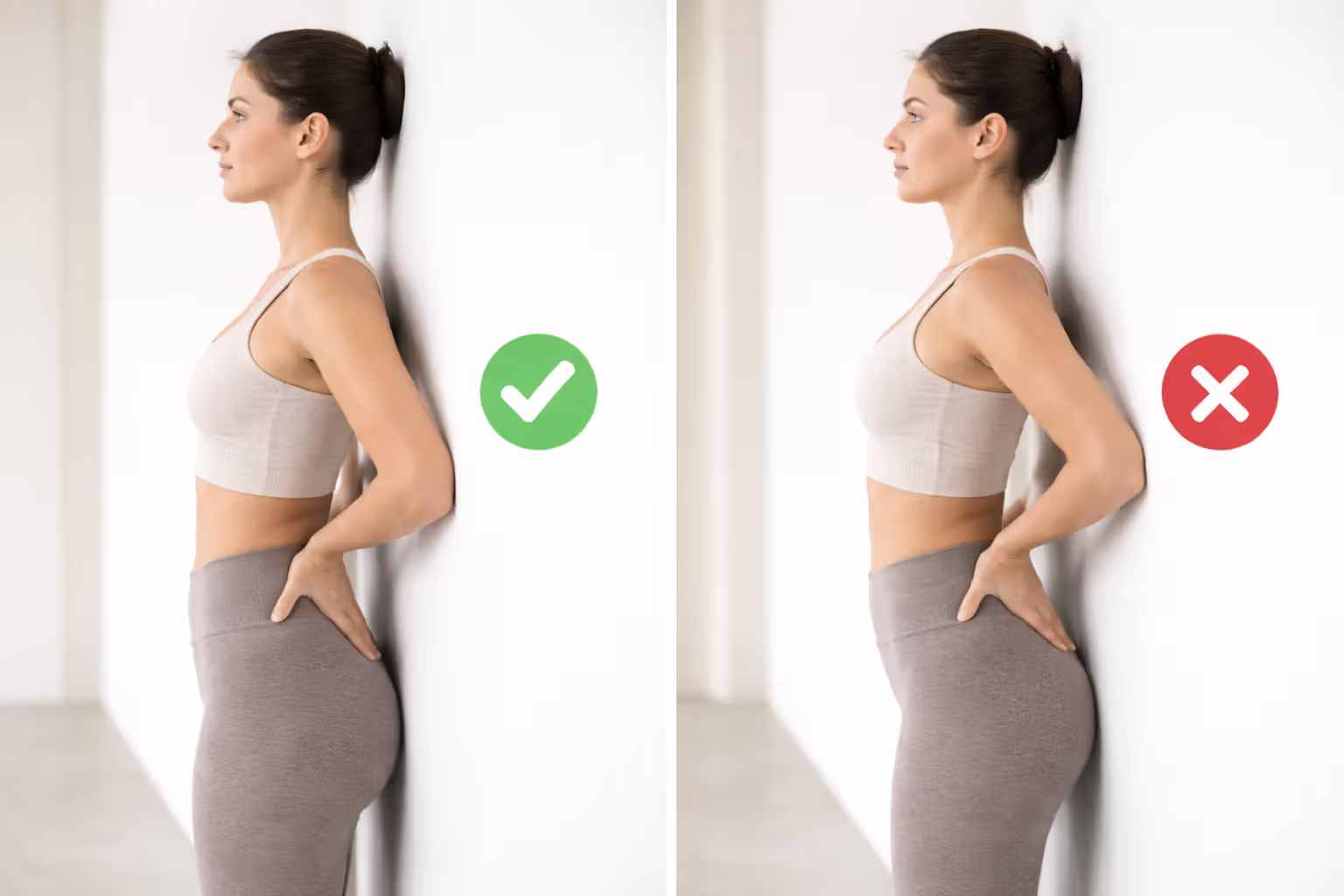
Wall Test
Back to wall, feet 2–3 inches out. Slip hand behind lower spine—if gap shrinks, tilt eases.
Mirror Test
Side glance in glass: scan for lessened spinal bow and reduced belly jut in natural stand.
Pain & Mobility Indicators
Reduced constraint post seats, smoother full hip reach in steps, dropped spinal throb in routine duties.
Mistakes That Prevent Pelvic Tilt Correction
Anterior pelvic tilt is the correct pelvic rotation for squatting and lifting heavy loads off the floor.
— Yuri Verkoshansky and Mel Siff, sports scientists.
Just pulling tense spots sans powering opposites sustains unevenness. Overlooking backside lets front hips rule. Extended seats erase daily gains—rise and shift each hour. Over-bowing in forms locks the forward habit; cue mild tail tuck always.
Wall test — simple at-home way to track pelvic tilt progress
Author: Connor Evans;
Source: yogapennsylvania.com
Breathwork and Mindfulness for Lasting Pelvic Balance
Beyond physical poses, weaving in breath techniques and mindful practices can deepen corrections for basin misalignment. Breath acts as a bridge between mind and body, helping release hidden tensions that lock patterns like forward lean. Start by exploring diaphragmatic breathing: lie flat, hand on belly, inhale to expand the abdomen while keeping chest still. This engages deep core layers, countering shallow patterns that tighten front hips and arch the spine. Practice for 5 minutes daily—exhale fully to draw navel inward, imagining a gentle pull toward neutral basin position. Over time, this builds subconscious awareness, making it easier to catch and adjust slumps during work or walks. Mindfulness amps this by tuning into sensations.
During yoga flows, pause in neutral stances like mountain pose: feet grounded, knees soft, tail slightly tucked to flatten excessive curve. Scan from toes up, noting if front basin dips or rear juts. If tightness flares, breathe into it without judgment. Studies in mind-body therapies show such approaches reduce chronic discomfort by 20-30% in months, as they retrain neural paths tied to posture habits. For runners with tilt from repetitive strides, add focused exhales during cooldowns to release hip pullers. Pair with everyday tweaks: set phone reminders for "alignment checks" every two hours. Stand tall, engage backside lightly, and breathe deeply— this prevents desks from reinforcing forward shifts. For parents or caregivers, incorporate kid-friendly versions: play "statue game" where everyone holds balanced poses for fun. Edge cases matter too; if pregnancy amplified tilt, gentle breathwork post-delivery aids recovery, but ease in slowly to avoid strain. Trade-offs exist: over-focusing on breath might feel overwhelming at first, so start simple.
A heuristic— if daily unease persists despite poses, layer in 2-3 mindful breaths per session. Real scenarios highlight benefits: a teacher I know cut lumbar aches by half after adding breath cues to her routine, noticing freer movement in class. Another, a cyclist, used mindfulness to spot tilt triggers mid-ride, adjusting for smoother pedaling. Advanced breath like alternate nostril (nadi shodhana) calms nerves, indirectly supporting even basin by lowering stress that tightens muscles.
Hold for 5 rounds: close right nostril, inhale left; switch, exhale right; repeat. This balances energy, fostering resilience against daily pulls. For long-term hold, journal weekly: note breath ease, stance feel, and any shifts in energy or aches. Consistency turns these into habits, where neutral alignment feels natural, not forced. Breath and awareness aren't quick fixes but amplify yoga's impact, addressing root emotional ties to posture. If anxiety contributes to hunching, mindfulness uncovers it, allowing gentler corrections. Combine with earlier routines for holistic gains—breath during hip lifts enhances glute fire, while mindful spirals deepen spinal release. Over seasons, this integration yields not just fixed tilt but embodied ease, where body and mind sync for fluid living.
FAQ — Anterior Pelvic Tilt and Yoga
Lasting basin evenness needs time and everyday focus, but rewards emerge in simpler stance, eased unease, and smooth shifts. Kick off with the 10-minute flow, note wall checks, and tweak per body cues. Across months, even setup turns norm over push. For more on back wellness, scan Mayo Clinic pieces or reviewed motion studies.
Related Stories
Read more

Read more

The content on yogapennsylvania.com is provided for general informational and inspirational purposes only. It is intended to share yoga tips, meditation practices, wellness guidance, retreat experiences, and lifestyle insights, and should not be considered medical, therapeutic, fitness, or professional health advice.
All information, articles, images, and wellness-related materials presented on this website are for general informational purposes only. Individual health conditions, physical abilities, wellness goals, and experiences may vary, and results can differ from person to person.
Yogapennsylvania.com makes no representations or warranties regarding the accuracy, completeness, or reliability of the content provided and is not responsible for any errors or omissions, or for decisions or actions taken based on the information presented on this website. Readers are encouraged to consult qualified healthcare or wellness professionals before beginning any new yoga, meditation, or fitness practice.