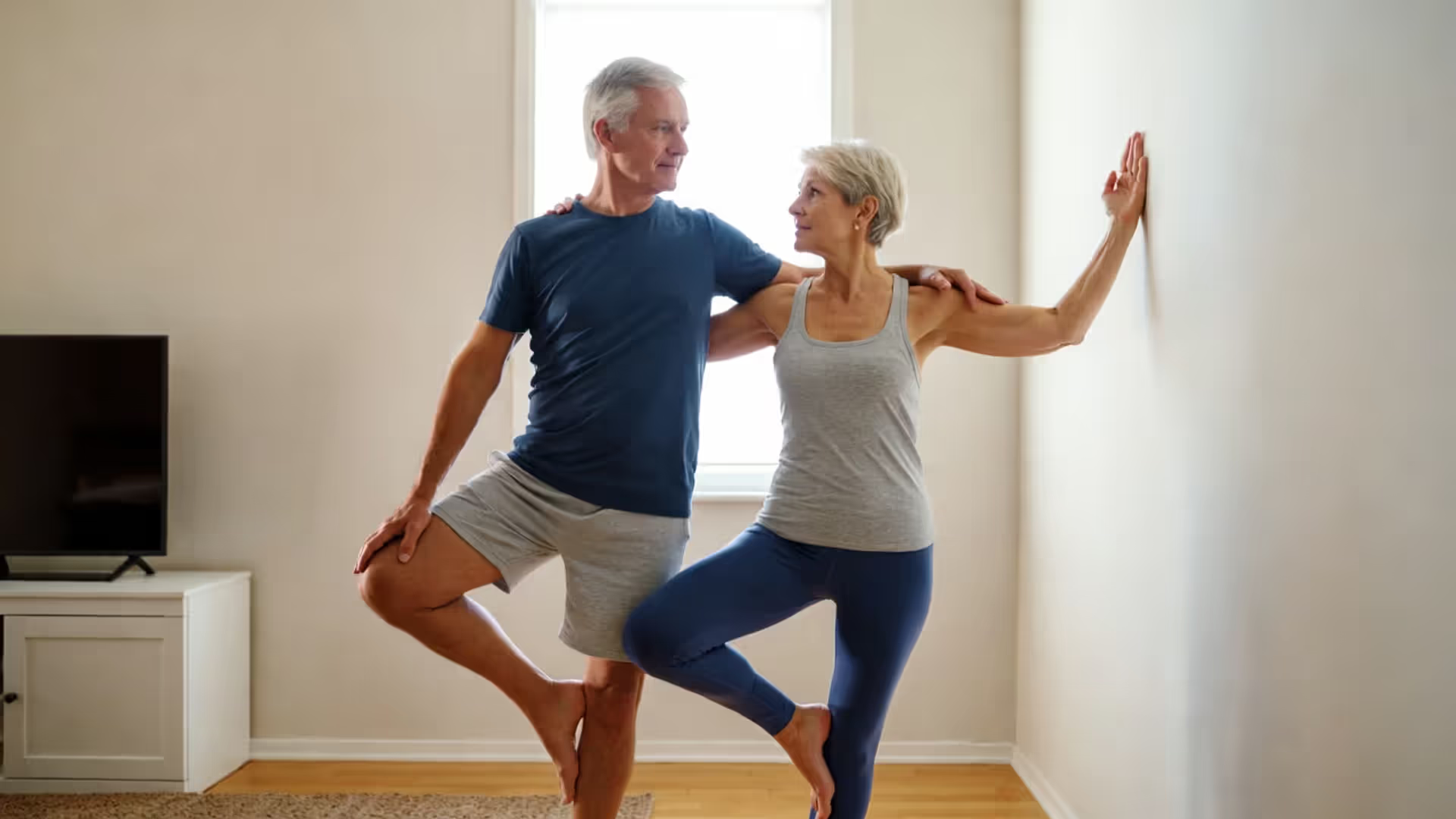
Stability and confidence begin with simple balance work.
Yoga for Seniors: Poses to Boost Balance and Mobility

Content
Many folks in their 60s and beyond turn to yoga when morning stiffness makes getting out of bed feel like a chore, or when a short walk leaves the knees protesting. Yoga for seniors tailors classic postures to everyday realities—joint wear, slower reflexes, occasional balance wobbles—prioritizing controlled motion that rebuilds confidence without pushing limits.
Benefits of Yoga for Older Adults
Consistent practice bolsters bone health, countering the gradual density loss that heightens fracture risk. Research from Harvard-affiliated teams reviewing 33 studies with over 2,300 participants aged 65+ shows yoga improves walking speed and chair-rise ability, key markers of reduced frailty and better longevity prospects. Another long-term study found daily 12-minute routines increased spine and femur density significantly in compliant practitioners, offering a low-risk option alongside standard care.
Yoga for balance and mobility stands out for fall prevention. One pilot program reported notable drops in fear of falling and better Timed Up and Go test scores after 10 weeks of targeted sessions. While some styles like vigorous Iyengar may raise fall rates in certain groups, gentle adaptations consistently enhance stability, core engagement, and proprioception—translating to steadier footing on slick kitchen floors or uneven garden paths.
Mental clarity gains traction too. Breathing-focused work quiets the nervous system, easing anxiety and sharpening focus. Reviews of multiple trials link regular sessions to lower depression scores and preserved cognitive function, with benefits scaling alongside practice frequency. Sleep often improves as evening wind-down poses signal rest, reducing nighttime wake-ups.
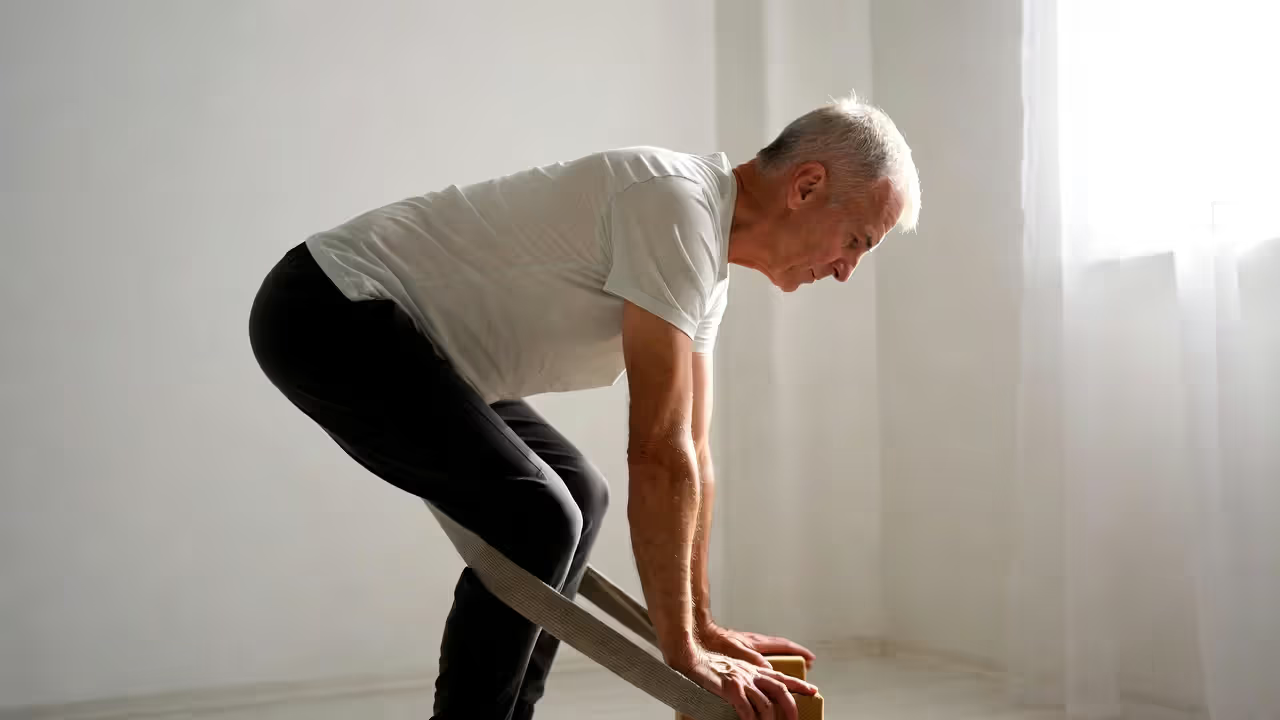
Heart metrics benefit from the calm it induces—lower resting pressure, steadier rhythms, better circulation. Back discomfort eases through stronger supporting muscles and taller posture. A frequent slip-up: rounding the spine in forward bends, which can pinch instead of release; keep a slight bend in the knees and lengthen forward from the hips.
For those navigating osteoporosis, modifications matter—avoid extreme spinal flexion per Mayo Clinic guidance to sidestep compression risks. Always pair practice with medical clearance, especially post-injury or with chronic conditions.

Author: Connor Evans;
Source: yogapennsylvania.com
Getting Started with Yoga
Beginner yoga over 60 starts with self-honesty: note where energy dips mid-morning or which joints creak loudest after sitting. If wrist arthritis flares with weight-bearing, swap to forearm planks or skip downward dog entirely.
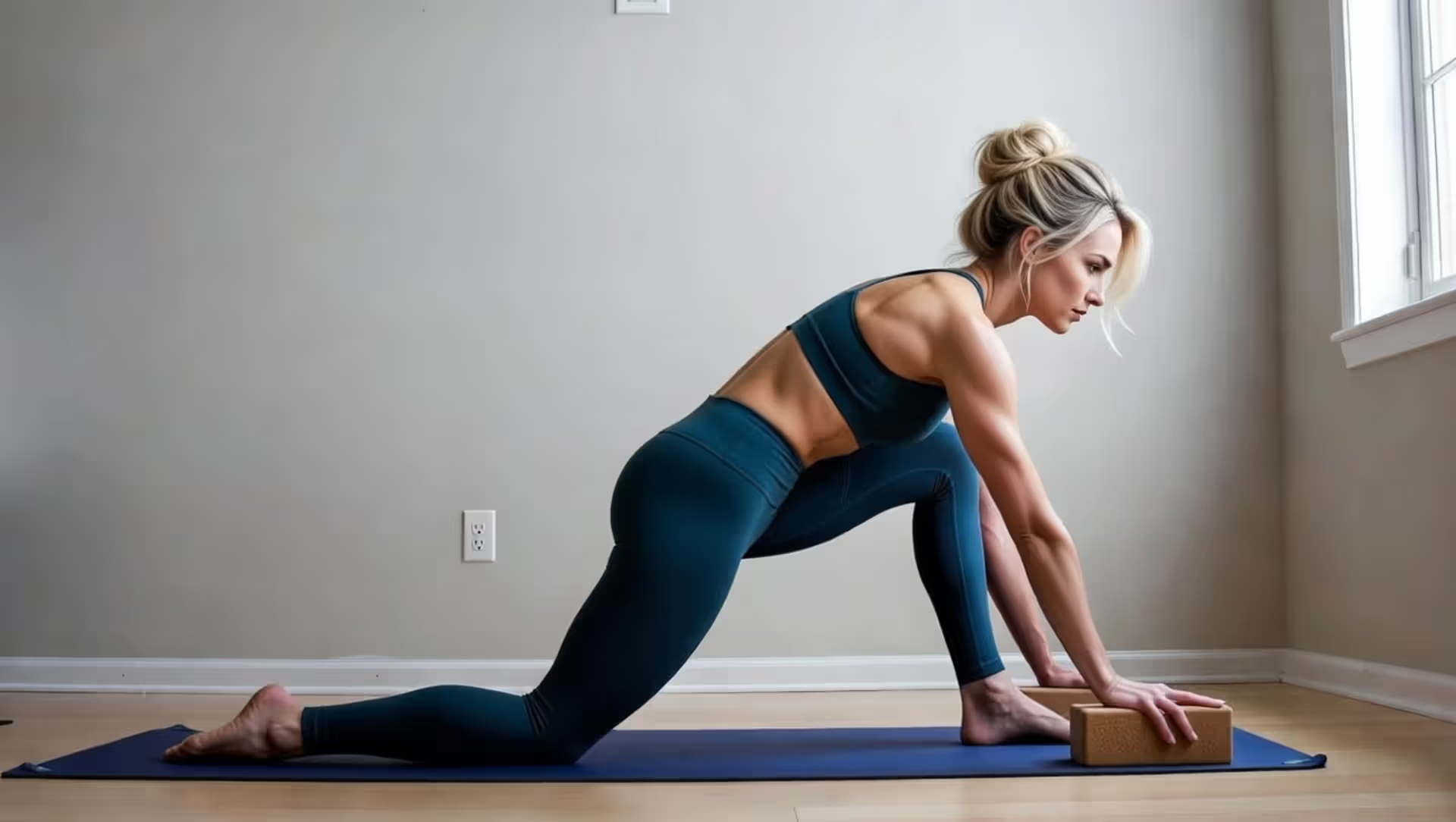
Set up simply—a grippy mat on carpet or hardwood, breathable layers, a firm chair nearby. Blocks under hands shorten reach; straps loop around feet for hamstring stretches without strain. See your doctor first, mentioning any heart concerns, recent surgeries, or balance history—they might green-light most poses but flag inversions.
Build gradually: 10–15 minutes most days trumps sporadic longer efforts. Jot quick notes after sessions—what felt steady, what tugged—so adjustments come easier next time. Rule of thumb: mild muscle effort signals progress; sharp or shooting sensations mean pause and modify.
Essential Tips for Beginners

Author: Connor Evans;
Source: yogapennsylvania.com
- Get physician approval, sharing your full health picture.
- Choose snug-yet-flexible attire; loose hems catch toes.
- Place the mat on a stable surface for secure footing.
- Inhale nose, exhale mouth or nose—keep breaths even.
- Adapt freely: chair for standing poses, wall for balance support.
- Drink water before and after; avoid gulping mid-flow.
- Show up regularly—even five minutes of seated breathing counts.
Types of Yoga Suitable for Seniors
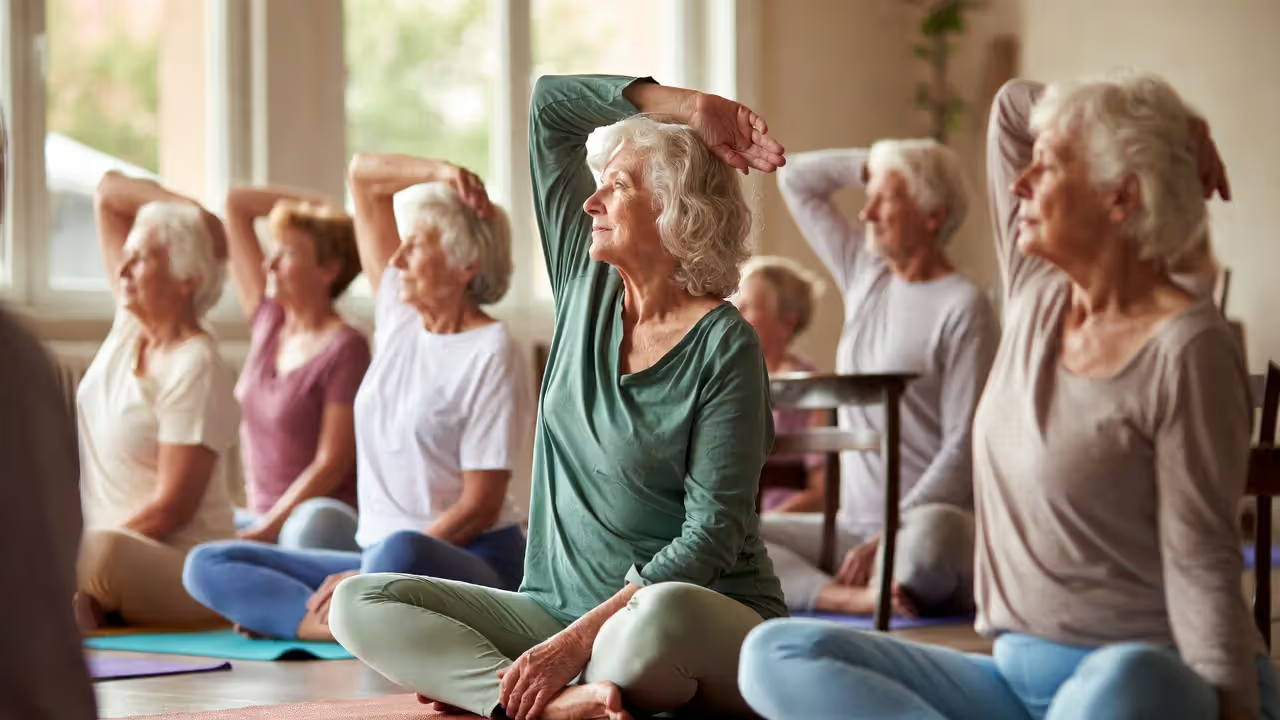
Gentle yoga for seniors slows everything down, centering on breath-linked moves that release tension without haste. Think extended holds in cat-cow or easy twists, often 20–30 minutes total, ideal after sedentary mornings.
Chair yoga for seniors removes floor barriers entirely. Seated or standing-with-support variations hit shoulders, arms, and core while sparing knees and hips—practical for small living spaces or post-hip-surgery recovery.
Low impact yoga routines maintain even effort, skipping bounces or rapid shifts. Poses like modified warrior or tree emphasize grounded feet and open chests, building endurance safely. Restorative styles lean on blankets and bolsters for passive stretching; yin targets deeper tissues with longer, floor-based holds. Gentle paths foster assurance slowly; they may not satisfy high-energy seekers, but they minimize overexertion risks.
Author: Connor Evans;
Source: yogapennsylvania.com
A Simple Senior Yoga Sequence
This 20–25-minute senior yoga sequence mixes seated and standing work for broad accessibility. Hold each 3–5 steady breaths unless noted. Tune in—if fatigue creeps in, shorten or skip. Warm up, build strength, then unwind.
Author: Connor Evans;
Source: yogapennsylvania.com
Warm-Up Poses
Sit tall in a chair. Belly breathing: Hands rest on abdomen; inhale to widen it, exhale to draw navel in. Repeat 10 cycles. Settles the mind, primes lungs.
Cat-cow seated: Palms on thighs. Inhale, lift chest and gaze; exhale, round back gently. 5–8 rounds. Mobilizes the entire spine without strain.
Hip circles: Hands steady, circle pelvis clockwise then counterclockwise, 5 each way. Loosens lower back.
Main Poses for Strength and Flexibility
Mountain pose: Stand feet hip-distance, arms relaxed. Root down, lift crown tall. Strengthens posture foundation.
Tree pose: Weight on one leg, other foot to ankle or calf (not knee). Hands at heart or sides. Wall nearby for light touch if needed. Enhances hip and core control.
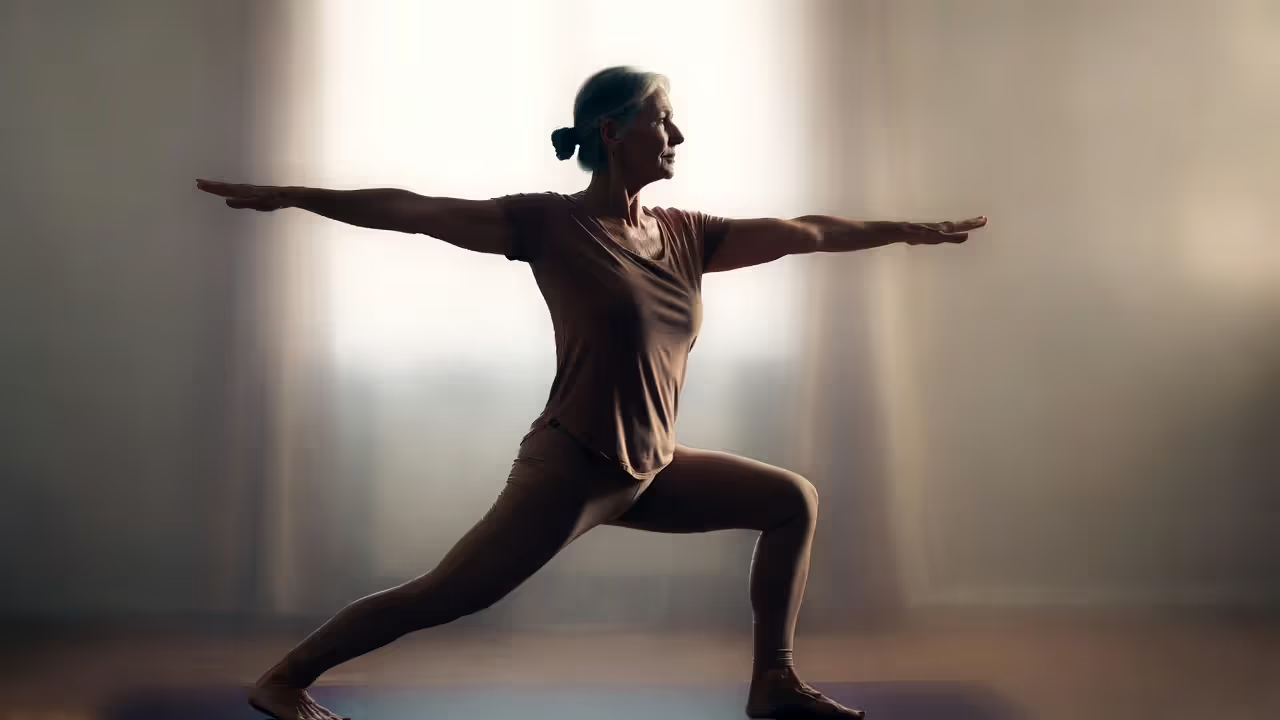
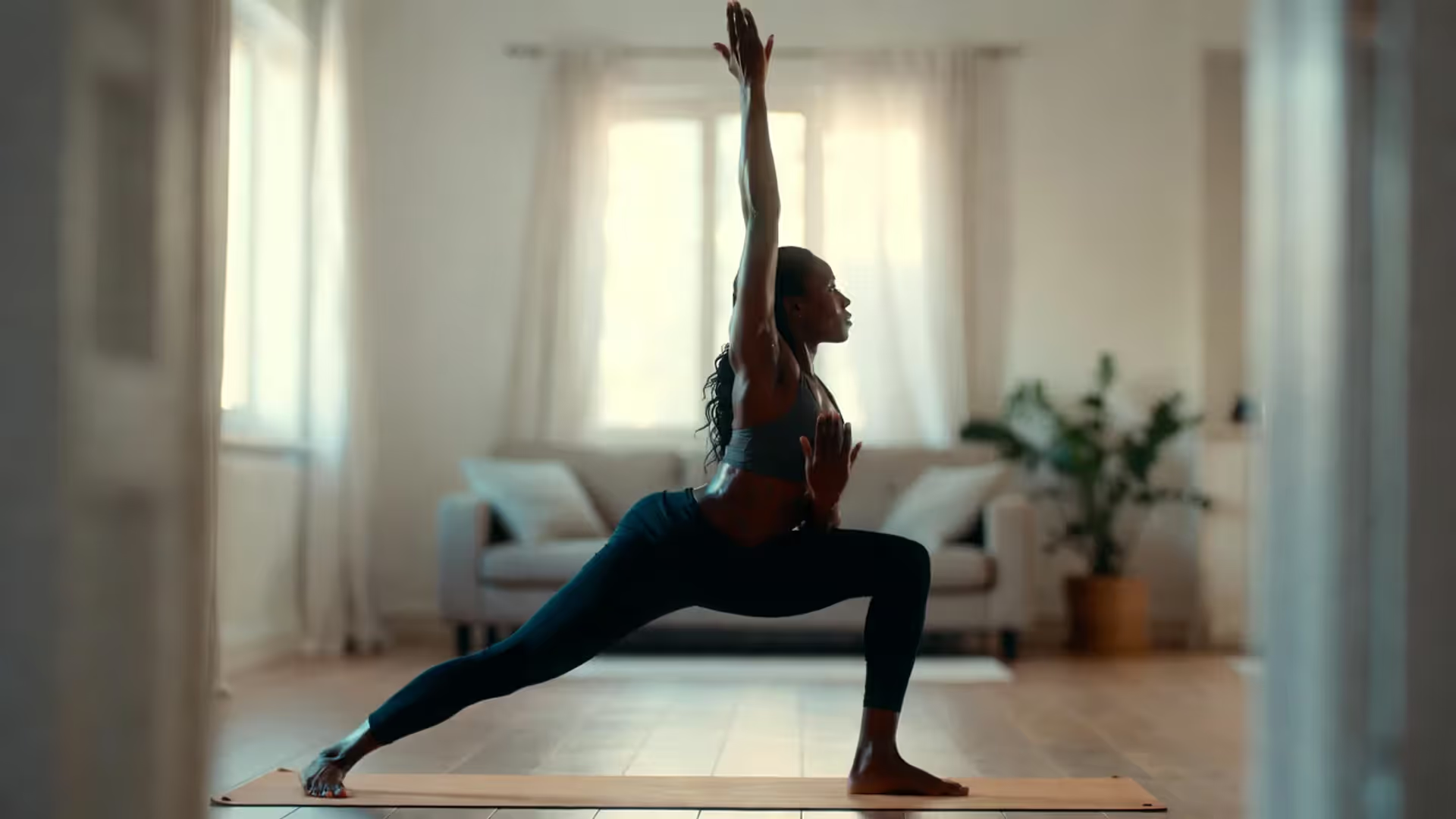
Warrior II: Step one foot back, front knee bent over ankle, arms extended parallel. Look over front fingers. Fortifies legs, expands chest.
Seated forward bend: Hinge from hips, let arms hang or rest on thighs. Targets hamstrings gently.
Ankle-to-knee: Cross one ankle over opposite thigh, sit tall or lean slightly. Opens hips; ease off if knees complain.
Yoga at any age is less about touching your toes and more about what you learn on the way down. For seniors, every small, mindful movement becomes a quiet victory over limitation.
— Dr. Elena Marquez, geriatric physiotherapist and certified yoga therapist specializing in adaptive practices for adults 60+
Cool-Down and Relaxation
Overhead side stretch: Fingers interlaced above head, lean gently side to side, 3 breaths each. Releases shoulders.
Neck release: One hand to opposite ear, tilt head softly. 5 breaths per side. Eases daily tension.
Finish in rest: Sit or lie comfortably, eyes closed, 2–3 minutes. Absorbs the practice.
Yoga teacher Terecita “Ti” Blair emphasizes grounding: “Feeling your body in space is the single most important thing we can do.” She adds that even brief moments—standing in mountain while coordinating breath and arm lifts—count as real practice.
| Pose Name | Target Area | Key Benefit | Modifications |
| Mountain Pose | Legs, Posture | Builds stability | Chair support if standing fatigues |
| Tree Pose | Core, Hips | Improves balance | Foot to ankle; wall assist |
| Warrior II | Thighs, Chest | Strengthens lower body | Shorter stance for knee comfort |
| Ankle to Knee | Hips | Increases flexibility | No forward lean if back sensitive |
| Cat-Cow | Spine | Mobilizes back | Seated only |
Staying Safe: Precautions and Common Pitfalls in Yoga for Seniors
Author: Connor Evans;
Source: yogapennsylvania.com
Before any session, medical clearance is non-negotiable. Share your full history—osteoporosis, arthritis flares, high blood pressure, recent joint replacements, or even subtle dizziness—with your doctor. They can highlight absolute no-gos, like full inversions (headstands, shoulder stands) or extreme breath holds that spike pressure. The National Center for Complementary and Integrative Health notes higher emergency rates for yoga injuries in those 65+, often tied to unsupervised practice or aggressive moves. Working with a qualified instructor trained in senior adaptations cuts that risk sharply.
Listen intently to signals during movement. Gentle stretching feels like mild tension easing; sharp, shooting, or pinching sensations signal stop immediately. A frequent error: pushing through discomfort to “get deeper.” In forward bends, for example, many round the lower back instead of hinging from the hips with bent knees—this compresses vertebrae, risky with low bone density. The National Osteoporosis Foundation advises against deep spinal flexion or twists taken to strain points; keep twists mid-range, fluid, never forced. For osteoporosis, prioritize poses that load bones safely (weight-bearing like modified mountain or warrior) while avoiding those that crunch the spine.
Breath mismanagement tops the list of pitfalls. Holding breath during effort—common when balancing or focusing—raises blood pressure and creates tension, counter to yoga’s calming intent. Instead, cultivate steady nasal breathing: inhale to expand the belly softly, exhale to release. Techniques like ujjayi (gentle throat constriction for ocean-like sound) or simple belly breathing ground the nervous system and support joint lubrication. Arthritis patients especially benefit from this; deep, rhythmic breath reduces perceived pain and improves oxygenation to inflamed areas, per Johns Hopkins research on yoga for arthritis.
The greatest gift yoga offers in our later years is not flexibility of the body, but patience and kindness toward it. Listen to what it tells you today, and tomorrow it will trust you a little more.
— Sarah Linwood, senior yoga instructor with 18 years teaching chair and gentle yoga in community centers across the US
Alignment slips cause many issues. Shoulders creeping toward ears in standing poses add neck strain; lock knees in extensions stress joints. A quick fix: engage the core lightly throughout—imagine drawing navel toward spine without gripping—to stabilize the pelvis and protect the back. In chair work, avoid slumping; sit tall on sit bones, feet flat, to maintain neutral spine. Props prevent overreach: blocks under hands in forward folds shorten distance, straps assist hamstring stretches without rounding.
Pace yourself realistically. Jumping into hour-long sessions too soon leads to fatigue and sloppy form. Start with 10–20 minutes, building as stamina grows. Hot yoga or vigorous styles often dehydrate or overheat—stick to gentle, room-temperature classes. Practice on a non-slip surface; a sturdy, armless chair for support prevents wobbles. If dizziness hits during transitions (standing to seated), pause, breathe, move slower.
Common beginner traps include comparing to others—everyone’s range differs due to anatomy, past injuries, medications. Focus inward: progress shows in easier breathing, steadier holds, less daily ache, not prettier shapes. Another: skipping savasana or cool-down. Those final minutes integrate gains, calm the mind, reduce post-practice soreness.
For specific conditions:
- Osteoporosis/osteopenia: Favor weight-bearing poses (tree with wall support, warrior variations) to stimulate bone remodeling. Avoid loaded forward folds with straight legs or extreme backbends.
- Arthritis: Use props generously—cushions under knees/hips, chairs for stability. Gentle joint circles and breath-linked movement lubricate without aggravation.
- Balance concerns: Keep one hand on wall or chair; practice tree pose with foot at ankle first.
Incorporate these habits early, and yoga becomes a reliable ally rather than a source of setbacks. Small adjustments compound: better alignment prevents strain, mindful breath eases pain perception, consistent pacing builds resilience. Over time, the practice feels intuitive, supporting longer, more active years with fewer limitations.
FAQ
Small, steady sessions accumulate into easier days—smoother stair climbs, less hesitation reaching for items, quieter evenings. Adjust poses to your body’s feedback, keep showing up, and watch how ordinary movements start feeling lighter.
Related Stories
Read more
Read more

The content on yogapennsylvania.com is provided for general informational and inspirational purposes only. It is intended to share yoga tips, meditation practices, wellness guidance, retreat experiences, and lifestyle insights, and should not be considered medical, therapeutic, fitness, or professional health advice.
All information, articles, images, and wellness-related materials presented on this website are for general informational purposes only. Individual health conditions, physical abilities, wellness goals, and experiences may vary, and results can differ from person to person.
Yogapennsylvania.com makes no representations or warranties regarding the accuracy, completeness, or reliability of the content provided and is not responsible for any errors or omissions, or for decisions or actions taken based on the information presented on this website. Readers are encouraged to consult qualified healthcare or wellness professionals before beginning any new yoga, meditation, or fitness practice.