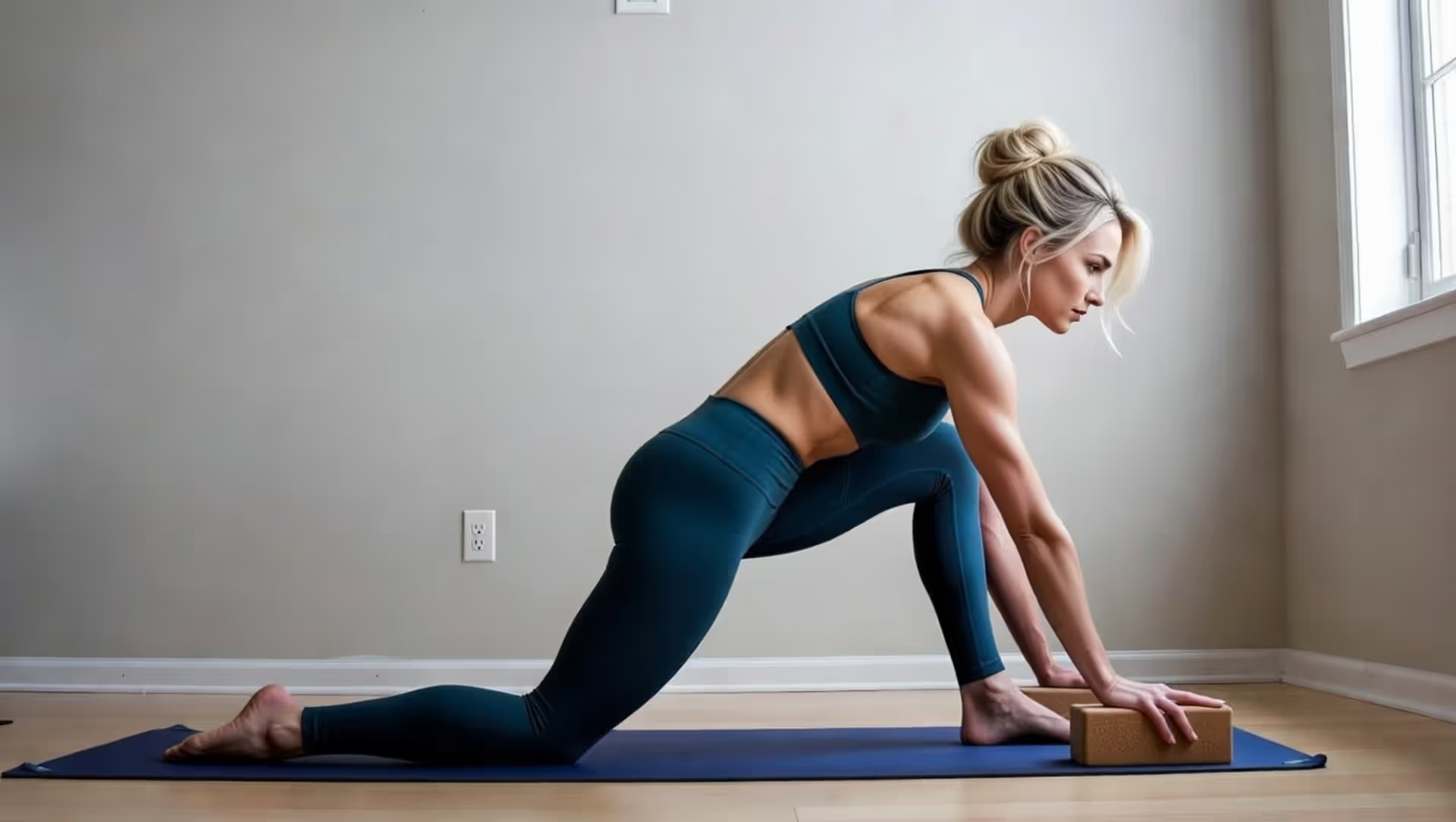
Targeted yoga can safely restore hip and lower back mobility.
Yoga for Low Back and Hips: Safe Stretches to Ease Pain & Mobility

This article offers practical guidance on using yoga to manage discomfort in the lower back and hips. It is not medical advice. Consult your doctor or a physical therapist before trying these practices, particularly if you have a history of disc problems, sciatica, osteoporosis, recent surgery, or severe pain. Stop immediately if any movement causes sharp, shooting, or worsening symptoms.
Why the Low Back and Hips Are Connected
The psoas major runs from the lumbar vertebrae through the pelvis to the femur, so when it shortens from hours of sitting, it tugs the lower spine forward into an exaggerated curve. This anterior tilt strains the erector spinae muscles and compresses lumbar discs over time. Weak glutes allow the pelvis to tip unchecked, while a tight piriformis can irritate the sciatic nerve as it passes underneath or through the muscle, sending pain down the leg.
Prolonged sitting also shortens hamstrings, which pull the pelvis into posterior tilt on standing, flattening the natural lumbar curve and creating stiffness. Many notice this most in the morning after lying still all night—fluid in the discs redistributes, but tight tissues resist easy motion. Lower back pain yoga stretches address these connections by lengthening the front body and strengthening the posterior chain. Stretches for tight hips target the iliopsoas, adductors, and external rotators to restore even pull on the pelvis.
Consider someone who drives long distances for work: the right hip flexor often tightens more from pedal use, creating asymmetry that torques the spine leftward. Over months, this imbalance shows up as one-sided low back ache. Recognizing these patterns helps tailor practice—focus extra time on the tighter side without forcing symmetry.
When Yoga Helps — and When to Be Careful
Yoga strengthens supporting muscles, improves circulation, and teaches body awareness, often reducing chronic low back pain as effectively as physical therapy in studies. A 2017 NCCIH-funded trial found structured yoga provided similar pain relief and functional gains to PT for underserved patients with moderate-to-severe chronic symptoms. Meta-analyses confirm small-to-moderate improvements in pain and disability compared to no exercise, with benefits most noticeable short-term.
Our results suggest that both yoga and stretching can be good, safe options for people who are willing to try physical activity to relieve their moderate low back pain.
— As Karen J. Sherman, a senior investigator who led key yoga-back pain trials
Yoga for sciatica relief can decompress the nerve through gentle hip rotation and extension poses when tightness (e.g., piriformis syndrome) is the culprit. Evidence remains limited and mixed for disc-related sciatica, with some reviews noting very low certainty for non-surgical interventions overall.
Signs You Can Safely Practice at Home
Discomfort feels muscular—dull, achy, better with gentle movement. No leg weakness, numbness, or bowel/bladder changes. Pain stays above the knee and eases after 5–10 minutes of light activity. You can perform basic daily tasks without sharp increases in symptoms.
Red Flags That Require Medical Evaluation
Sudden onset after trauma suggests possible fracture—seek imaging if osteoporosis is a factor. Pain worsens with coughing/sneezing or radiates below the knee with numbness/tingling. Loss of strength in foot/leg or incontinence signals nerve compression needing urgent care. Swelling, fever, or night pain that disrupts sleep warrants prompt evaluation to rule out infection or other serious issues.
Gentle Warm-Up for Stiff Mornings
Begin supine to unload the spine. This 5–7 minute morning yoga for back pain routine increases synovial fluid flow and primes nervous system awareness before standing. A gentle back yoga sequence prevents cold starts that often trigger spasms.
Author: Lily Patterson;
Source: yogapennsylvania.com
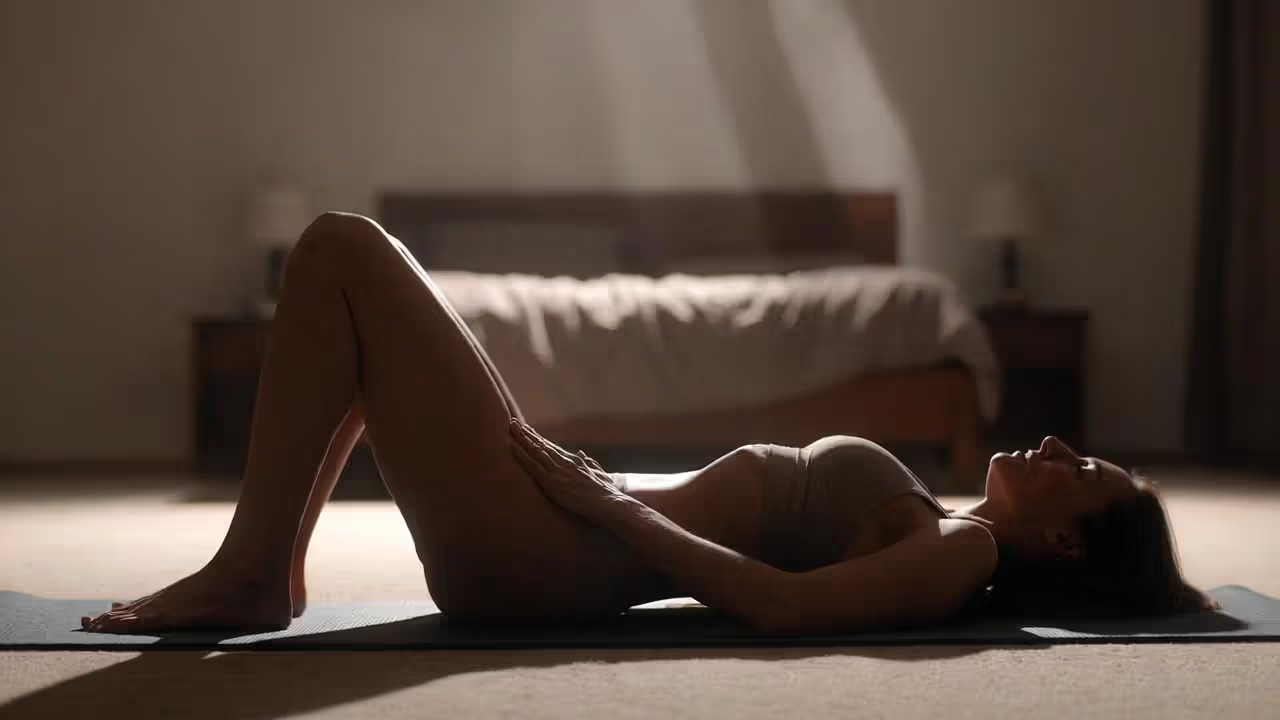
1. Supine Pelvic Tilts
Knees bent, feet flat. Inhale to gently arch low back (small space under lumbar). Exhale to imprint spine down, tilting pelvis up. 10–12 slow reps, 3–4 seconds each direction. Teaches neutral alignment.
2. Cat–Cow
Hands and knees, wrists under shoulders. Inhale, lift chest and tailbone (Cow). Exhale, round spine and tuck chin (Cat). 8–10 cycles. If wrists ache, make fists or place forearms on blocks.
3. Reclined Knee-to-Chest
Hug one knee in, extend other leg along floor. Hold 20–30 seconds, switch. Use strap around foot if hamstrings pull. Releases psoas gently.
Lower Back Pain Yoga Stretches (Step-by-Step Guide)
Author: Lily Patterson;
Source: yogapennsylvania.com
Hold poses 45–90 seconds, 2–3 breaths per side where applicable. Focus on ease over depth. Lower back pain yoga stretches work best when done consistently rather than intensely.
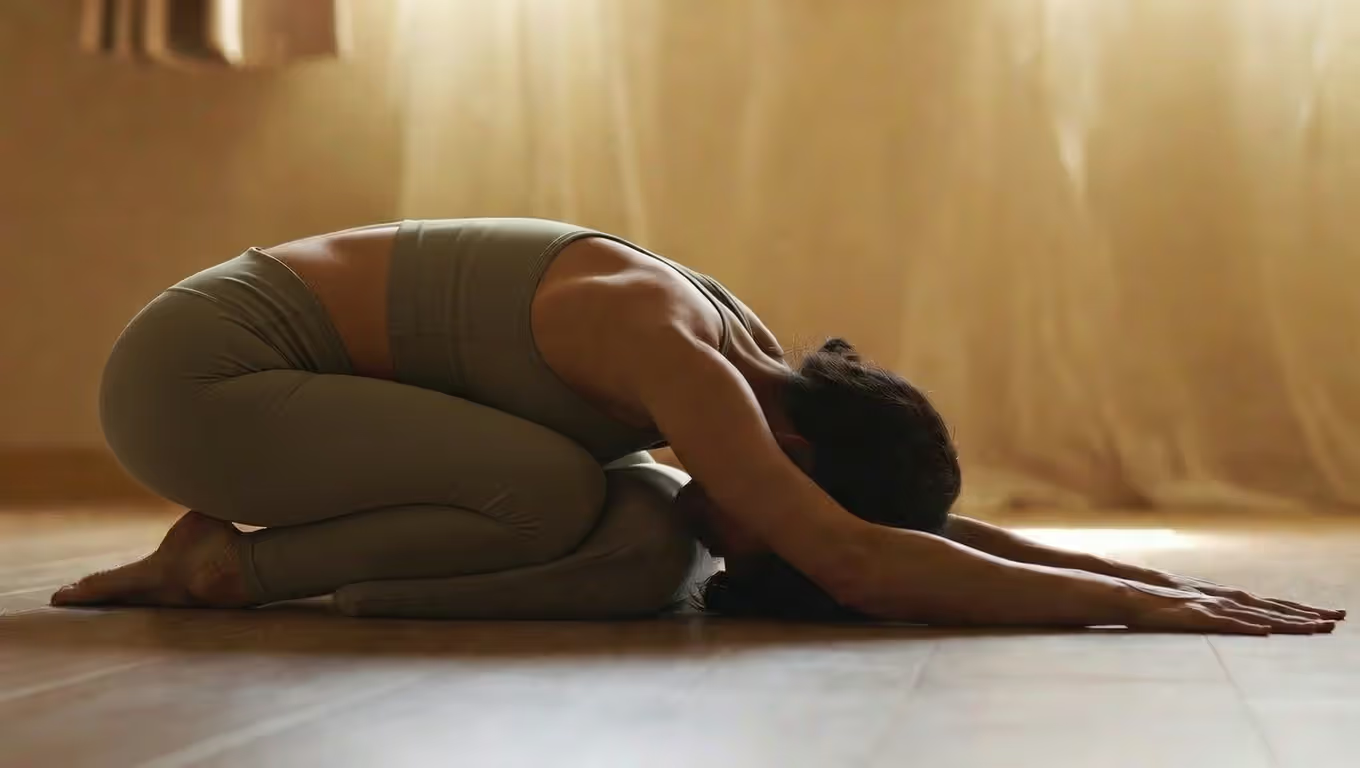
Child’s Pose: Kneel, big toes touch, knees wide or together. Fold forward, arms extended or by sides. Rest forehead on mat or stacked fists. Use bolster under chest if tight.
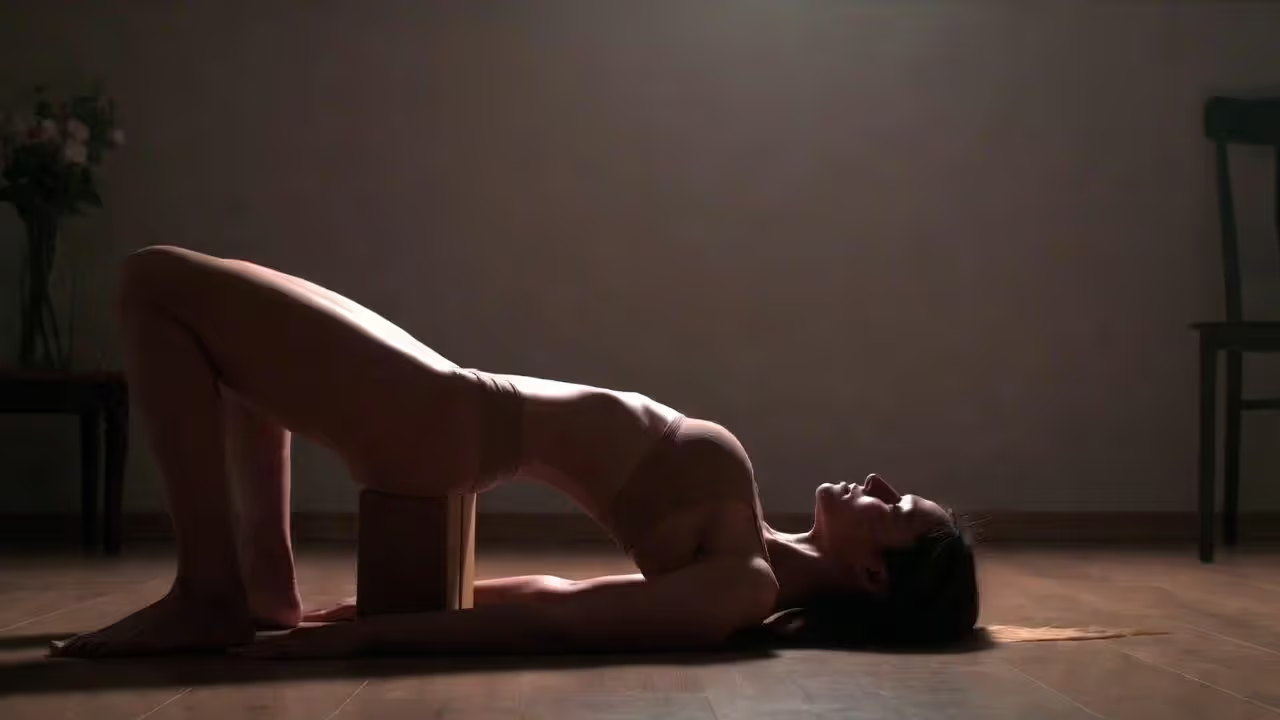
Supported Bridge: Lie back, feet flat. Lift hips, slide block under sacrum. Arms relaxed. 1–3 minutes. Avoid if hamstrings cramp—lower block or skip.
Supine Twist: Knees to chest, drop both knees right, arms in T. Gaze left. 45 seconds each side. Keep shoulders grounded.
Thread the Needle: All fours, right arm threads under left, shoulder and ear to mat. Left arm extends or wraps. Switch. Targets rhomboids linked to low back tension.
Common errors: Pushing into pain instead of backing off. Those with disc issues add blanket under knees in Child’s or avoid full twist depth.
Hip Opening Yoga Flow for Tight Hips
Link these in sequence for 10–12 minutes, moving with breath. Hip opening yoga flow lubricates joints and balances pelvic pull. Stretches for tight hips emphasize patience—progress comes from daily gentle holds.
Author: Lily Patterson;
Source: yogapennsylvania.com
Low Lunge Variation
Step right foot forward, back knee down. Square hips, hands on front thigh or blocks. Sink gently. 5–8 breaths. Switch.
Pigeon (with modifications)
From lunge, lower right shin forward (not perpendicular if tight). Extend left leg back. Fold over or stay upright. Blanket under right hip evens pelvis. 1–2 minutes. Switch.
Figure Four (supine option)
Lie back, right ankle on left thigh. Thread hands through or pull left thigh in. Safer during sciatica flares. 45–60 seconds. Switch.
Half Split (Hamstring + Hip Integration)
From low lunge, straighten front leg, hinge forward from hips. Micro-bend knee. Use blocks under hands. 30–60 seconds. Switch.
Inhale to lengthen, exhale to soften. Trade-off: Longer holds increase release but risk strain if form slips.
Yoga for Sciatica Relief — Modifications That Matter
Distinguish muscular compression (piriformis) from disc herniation—former responds better to gentle external rotation. Yoga for sciatica relief prioritizes neutral spine; avoid deep forward folds or aggressive twists in acute phases.
Safer choices: Supine Figure Four over seated Pigeon. Reclined twists with both knees bent. Rule of thumb: If symptoms shoot below knee, reduce hold to 20–30 seconds and prop generously.
Sample 20-Minute Gentle Back Yoga Sequence
Author: Lily Patterson;
Source: yogapennsylvania.com
Practice 3–5 times weekly, ideally mornings or evenings. Flow smoothly or pause between poses.
| Time | Pose | Target Area | Modification |
| 0–3 min | Supine Pelvic Tilts | Low back awareness | Blanket under head for neck comfort |
| 3–6 min | Cat-Cow | Spinal mobility | Forearms on mat if wrists sensitive |
| 6–10 min | Child’s Pose | Back decompression | Knees wider or bolster under torso |
| 10–13 min | Low Lunge Variation | Hip flexors | Blocks under hands; pad back knee |
| 13–16 min | Figure Four (supine) | Piriformis/glutes | Use strap around thigh if reach limited |
| 16–18 min | Supine Twist | Gentle rotation | Both knees bent; pillow between knees |
| 18–20 min | Supported Bridge | Mild extension | Lower block height or skip if neck tense |
Rest in savasana 2 minutes at end.
Building Long-Term Resilience in the Back and Hips
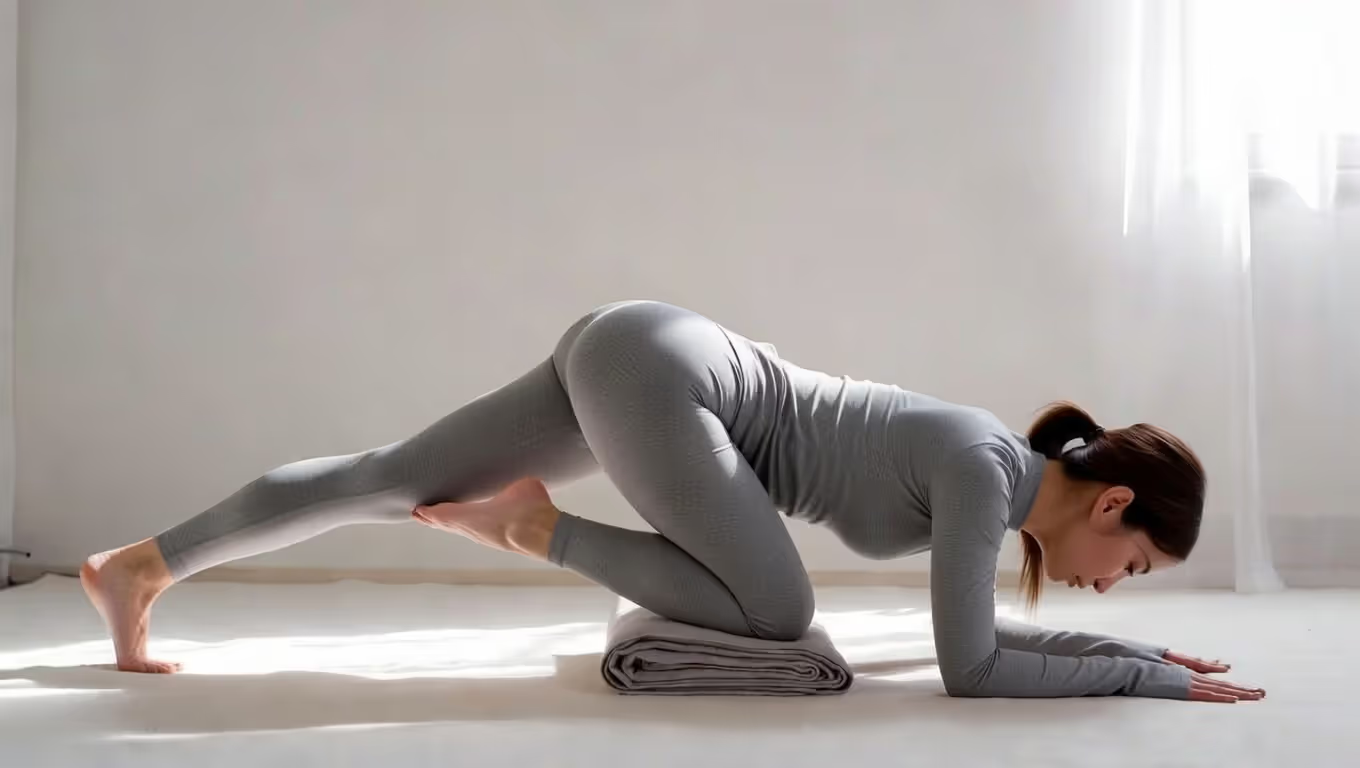
Add glute bridges: Lie back, lift hips squeezing glutes, hold 5 seconds, 10–15 reps. Knee planks build transverse abdominis without lumbar load. Yoga for low back and hips succeeds through steady practice—20–30 minutes most days outperforms sporadic longer sessions.
Sample weekly plan: Mon/Wed/Fri: Full 20-min sequence. Tue/Thu: 10-min warm-up + bridges/planks. Sat: Longer hip-focused flow. Sun: Rest or gentle walks. Adjust for energy—shorter on fatigued days.
Tools & Props That Make Practice Safer and More Effective
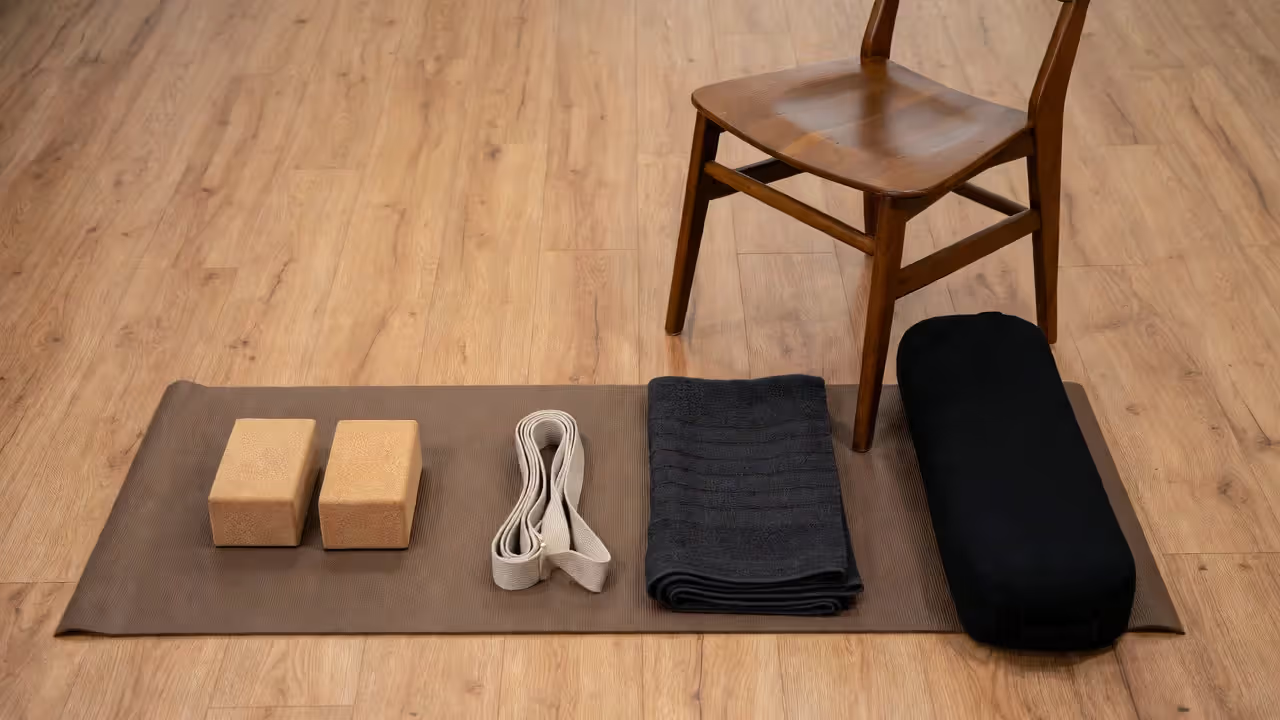
Props transform yoga from intimidating to accessible, especially when lower back or hip discomfort limits range or stability. They reduce strain, support proper alignment, and allow deeper relaxation without forcing the body. Most items are inexpensive or already at home.
Author: Lily Patterson;
Source: yogapennsylvania.com
A yoga block (or sturdy book stack) shortens reach in forward folds and lunges. In Low Lunge, place blocks under hands to keep the spine long instead of rounding—crucial if tight hamstrings pull on the pelvis. For Supported Bridge, a block under the sacrum lets gravity do the work, opening hips passively for 2–5 minutes while decompressing the lumbar spine. Choose foam or cork blocks; wooden ones feel firmer for standing poses.
A yoga strap (or belt/tie) extends limbs safely. In Reclined Knee-to-Chest or Figure Four, loop it around the foot to draw the leg closer without gripping the thigh and tensing the low back. For Half Split, hold the strap around the foot to maintain a flat back—many people over-reach with straight arms, compressing discs. A quick rule of thumb: if shoulders hunch forward, the strap prevents that compensation.
Bolsters or firm pillows provide crucial support in restorative poses. In Child’s Pose, rest the torso on a bolster to avoid straining the lower back if hips are very tight. For Supine Twist, place a bolster lengthwise under one side of the spine to guide a gentler rotation—ideal during sciatica flares when full drops feel too intense. A rolled blanket under the knees in lying poses maintains neutral pelvis and eases pressure on the sacrum.
A chair becomes an instant prop for stability and modifications. Sit tall for Cat-Cow variations: hands on thighs, arch and round the spine without loading wrists. In standing flows, use the chair back for balance in Low Lunge transitions or as a prop to rest the front foot higher, reducing hip flexor demand. Apartment dwellers often prefer chair-based sequences on bad days—same benefits, zero floor work.
Wall space offers free support. Practice Thread the Needle with the wall: slide the arm under while the opposite hand presses the wall for leverage, keeping shoulders even. For gentle standing hip openers, place one foot on the wall at hip height in a modified Figure Four—controls depth perfectly.
A non-slip mat is non-negotiable; socks slip, hardwood floors amplify pressure points. If wrists hurt in tabletop positions, fold the mat edge or use forearm variations. For extra cushioning under knees in lunges or Pigeon, fold a blanket—small padding prevents bruising and lets you hold poses longer.
Common beginner oversights with props: treating them as "cheating" and skipping them. In reality, props allow better alignment and longer holds, which build strength faster than forcing poor form. Trade-off: carrying blocks to class adds bulk, but home practice eliminates that issue.
Start minimal—one block and strap cover 80% of needs. Experiment: if a pose feels compressive, add support; if too easy, reduce it gradually. Over weeks, many notice they need less propping as mobility improves, but keeping options handy prevents regression during flare-ups or fatigue.
Props also support mindfulness. When you adjust a bolster or tighten a strap, you pause and check in—am I forcing? Is breath steady? This habit alone reduces injury risk more than any single pose.
Incorporate one new prop per week if budget allows. Thrift stores often have blocks and straps cheaply. Ultimately, the right support turns "I can't do that" into "I can do this version today"—a mindset shift that keeps practice sustainable for years.
Common Mistakes That Worsen Back Pain
- Forcing depth beyond mild sensation, tearing tissues.
- Locking knees in extensions, shifting stress to joints.
- Breath-holding during effort, spiking tension.
- Skipping warm-up, inviting spasms.
- Overstretching acute flares, prolonging inflammation.
FAQ
Regular, attentive practice gradually eases morning creaks, smooths transitions from sitting to standing, and builds confidence in daily movement. Tune into subtle feedback, celebrate small improvements like bending without hesitation, and let the body guide adjustments over time.
Related Stories
Read more
Read more

The content on yogapennsylvania.com is provided for general informational and inspirational purposes only. It is intended to share yoga tips, meditation practices, wellness guidance, retreat experiences, and lifestyle insights, and should not be considered medical, therapeutic, fitness, or professional health advice.
All information, articles, images, and wellness-related materials presented on this website are for general informational purposes only. Individual health conditions, physical abilities, wellness goals, and experiences may vary, and results can differ from person to person.
Yogapennsylvania.com makes no representations or warranties regarding the accuracy, completeness, or reliability of the content provided and is not responsible for any errors or omissions, or for decisions or actions taken based on the information presented on this website. Readers are encouraged to consult qualified healthcare or wellness professionals before beginning any new yoga, meditation, or fitness practice.