
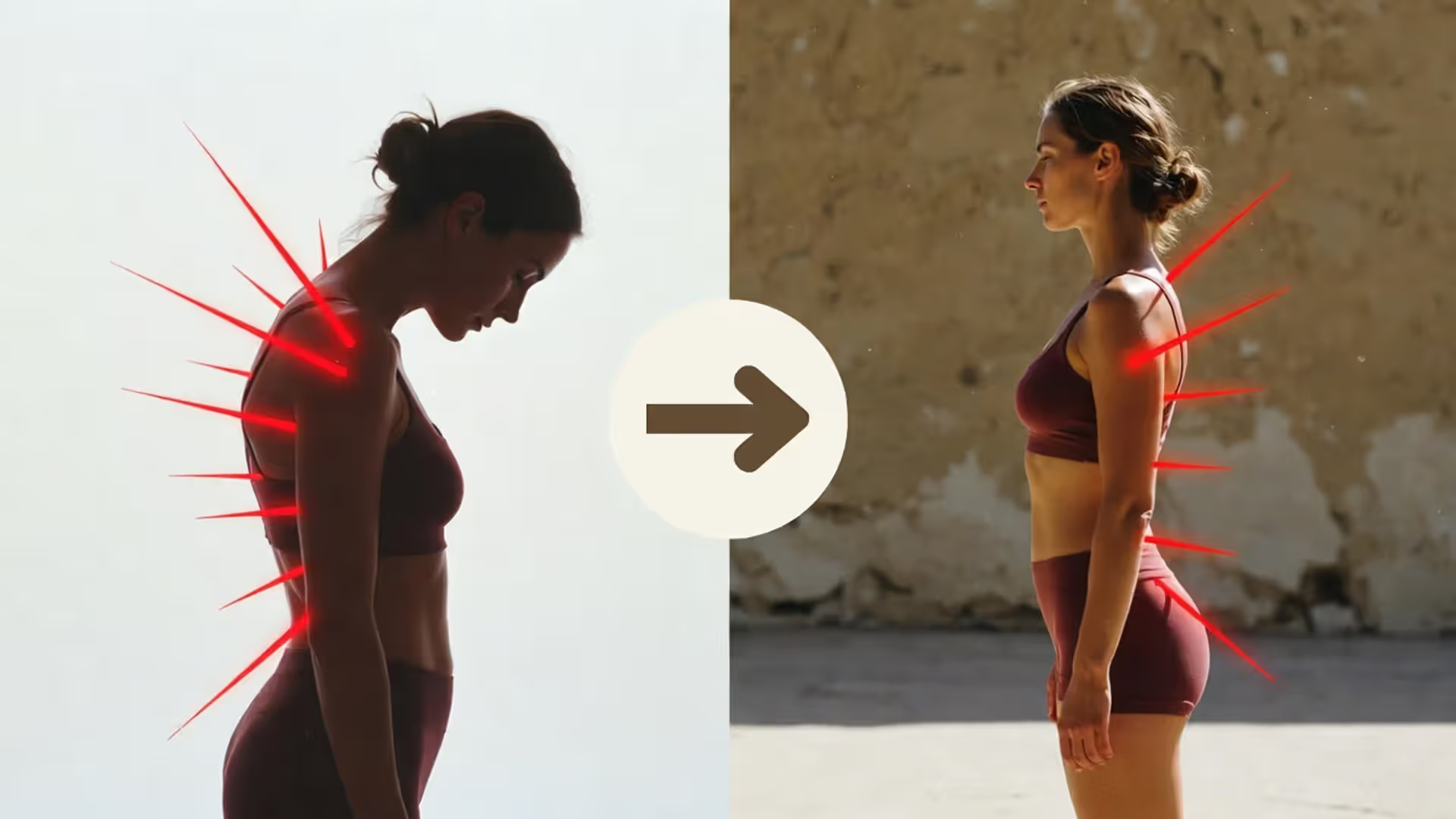
Progress you can expect with consistent hip flexor
Hip Flexor Exercises: How to Stretch, Strengthen, and Improve Mobility with Yoga

Content
Content
Medical Disclaimer: This content shares broad insights drawn from yoga and therapy principles. It doesn't replace expert medical input. Speak with a doctor prior to beginning fresh workouts, particularly if dealing with ongoing hip issues or prior harms.
The muscles at the front of your hips, known as hip flexors, handle key roles in routine actions like climbing steps or swinging a leg. They enable knee raises and forward torso bends. When these get stiff, even basic motions such as bending to pick something up turn tricky. Stiffness frequently arises from extended desk time or vehicle commutes, keeping hips in a bent state without full straightening. Those who jog or bike deal with comparable strains due to repeated thigh lifts that contract these areas progressively. Imbalances in power, such as underdeveloped backside muscles, worsen matters by overburdening the front hip groups in various tasks. Tackling this calls for hip flexor exercises blending specific elongations to ease pressure and fortifying drills to enhance durability. Yoga serves as a practical method to merge the two, boosting smoother movement sans complex gear. For example, weaving in yoga for tight hip flexors can soften stretches for hip pain and foster a fluid hip mobility yoga flow.
What Are the Hip Flexors and Why Do They Get Tight?
Grasping hip flexors begins by noting their part in steadying the lower body and allowing seamless leg shifts. These connect backbone, lower torso, and upper legs, serving as a conduit for force during steps or leans.
Key Muscles Involved
The main one is the iliopsoas, consisting of psoas major and iliacus, starting from the lumbar region and basin before linking to the thigh bone. For more on this, check Wikipedia on Iliopsoas. The rectus femoris, a quad component, spans the joint to aid knee straightening and front bending. Sartorius wraps from basin over thigh to assist rotation outward and bending. Tensor fasciae latae steadies during lateral shifts and backs bending. Restriction in these can throw off equilibrium, underscoring the need for hip flexor exercises to sustain yoga for flexibility hips.
Common Causes of Tight Hip Flexors
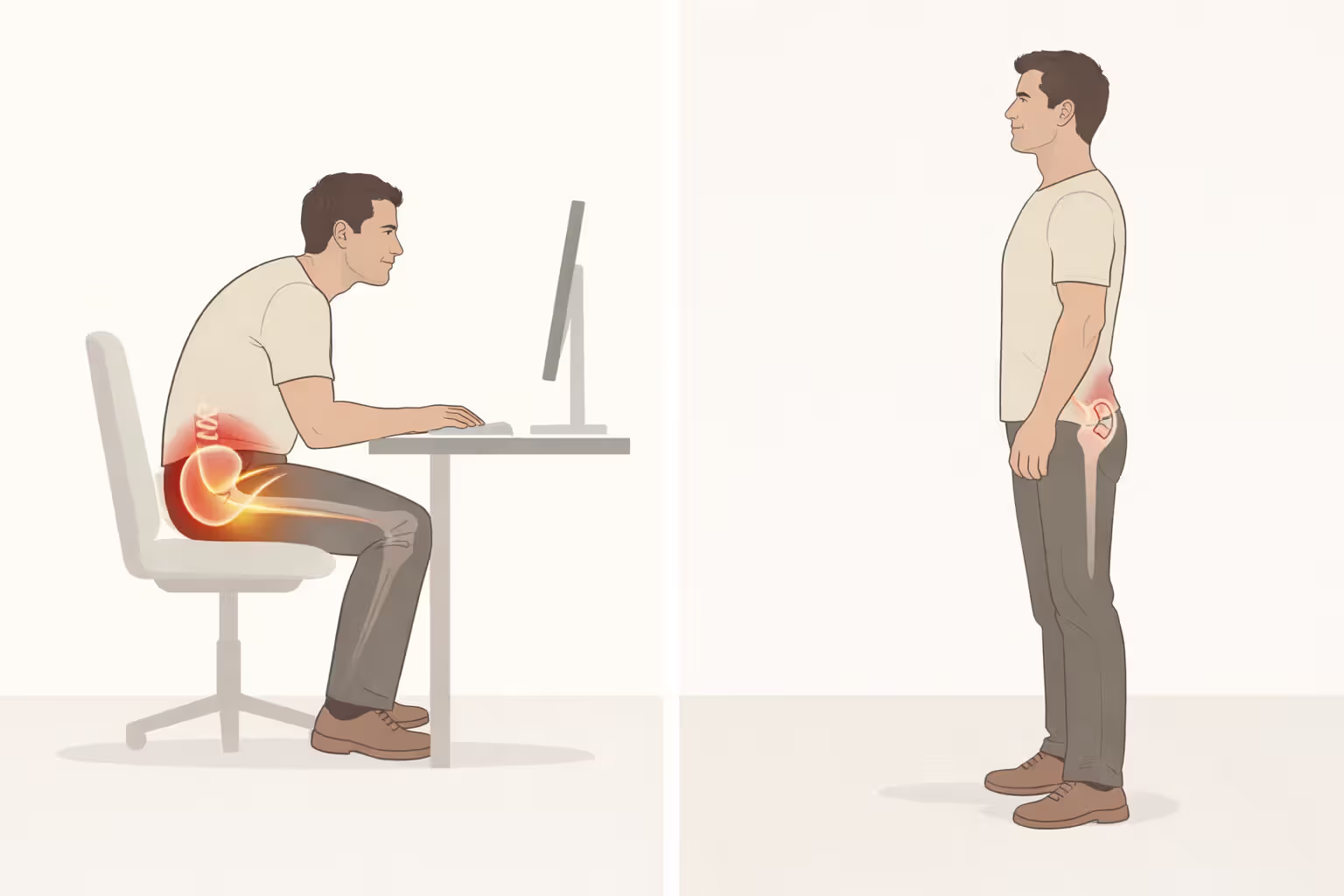
Extended seating holds these in a compacted form, slowly cutting their reach and suppleness. Picture an office employee logging eight hours at a screen—their lower body seldom stretches out, resulting in persistent rigidity come nightfall. Joggers and riders encounter constraints from ongoing bends minus proper cooldown pulls, adapting the tissues to remain taut. Underpowered rear and midsection muscles transfer excess duty to the front, intensifying during lifts or inclines. Slumped stance, including forward basin lean from poor habits, adds more pull. Yoga aimed at hip looseness can offset this through promoting reach and posture focus.
Author: Ava Mitchell;
Source: yogapennsylvania.com
Signs You May Need Hip Flexor Exercises
Constraints in these front muscles don't always hit with intense aches; they creep in via unease in connected spots. Spotting initial hints lets you add stretches for hip pain before problems grow.
Lower Back Discomfort
Constricted front hips tug the basin ahead, amplifying the lumbar arch and squeezing vertebrae. This might show as a steady throb post-standing or strolling, notably after seated stretches.
Anterior Hip Tightness
A dragging feel could emerge at the hip's front during rear leg extensions, such as in a relaxed walk. This limits easy paces and renders full dips uneasy.
Limited Range of Motion
Tasks needing hip reach-back, like reverse thrusts or long steps, grow confined. Check by reclining and hugging one knee close—if the other thigh rises, front muscles might be overly bound.
- Aches intensifying after lengthy seats, such as in films or travels.
- Constraint shifting from seated to erect, often requiring a quick hip wiggle.
- Unease in poses like forward steps, where the trailing leg fights to lengthen.
Stretching vs Strengthening: What Your Hips Actually Need
Folks often grab elongations solely for rigid hips, yet this misses the dynamic between pliability and vigor. Bound front muscles frequently point to deficiencies elsewhere, so an even method averts repeats.
When Stretching Is Enough
For pure inactivity-induced binds, like post-road trip, soft holds can swiftly regain span. Emphasize sustains that prompt slow unwind minus push.
When Strengthening Is Essential
Feeble front hips fatigue fast in extended efforts, causing shifts to adjacent groups and later binds. Bolstering endurance helps, especially for sports folks or seated workers.
The Mobility-Strength Balance
Genuine progress stems from linking elongations with focused power builds for joint steadiness.
We focus so much on outer and inner hip openers and hamstring stretches that we sometimes forget how influential quad and hip mobility can be on not just our hips but low back, too.
— Rachel Land, yoga teacher and podcast host
A fast gauge: If pulls give brief ease but binds recur, weave in fortifying to hit the core issue. Weigh pros and cons—tilting too much to power sans range can curb bendiness, whereas over-pulling could sap vigor absent equilibrium.
Best Yoga for Tight Hip Flexors (Beginner-Friendly Stretches)
Yoga delivers approachable paths to zero in on bound front hips, kicking off with forms stressing mild releases. These entry-level choices foster assurance alongside tangible comfort.
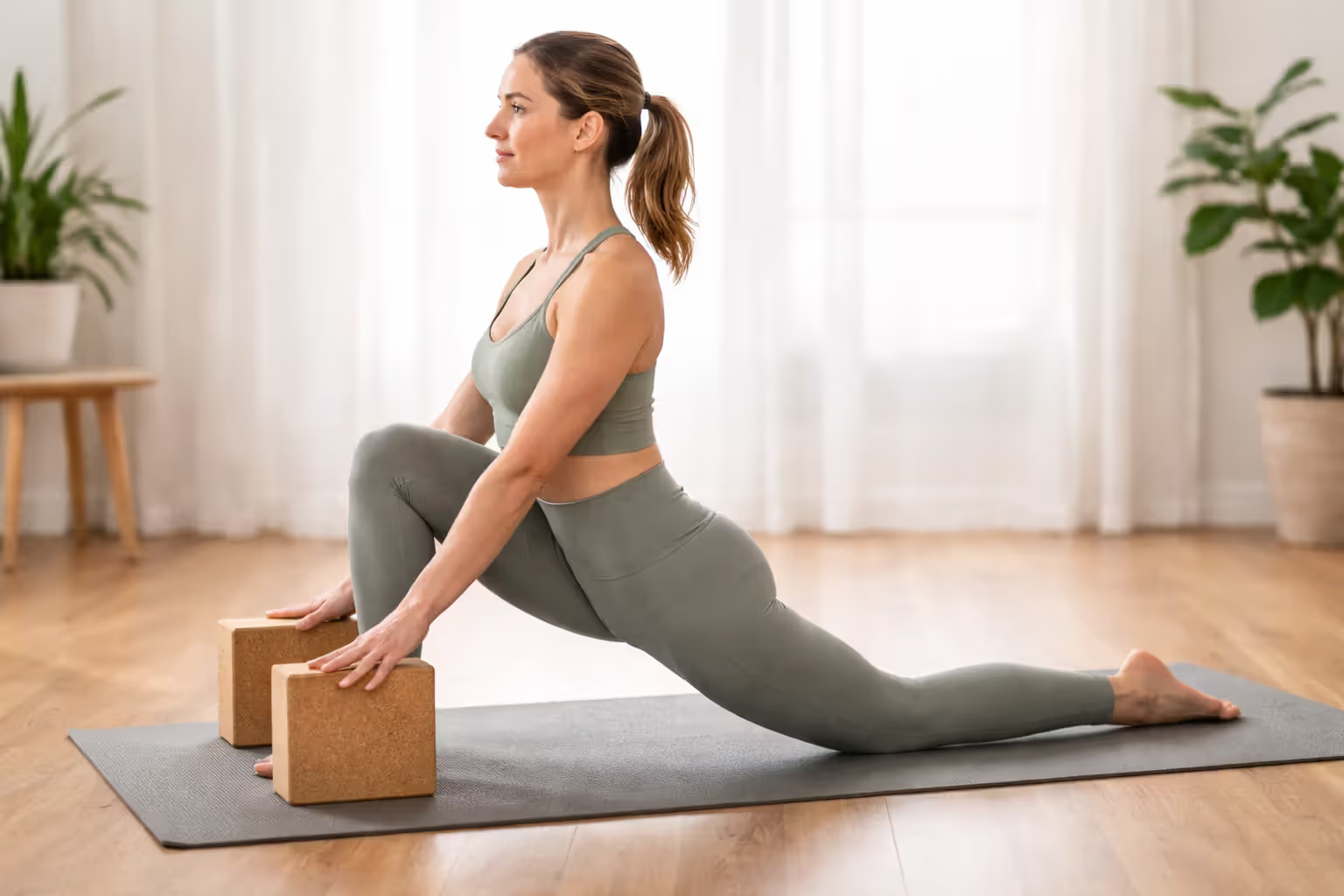
Low Lunge (Anjaneyasana)
Author: Ava Mitchell;
Source: yogapennsylvania.com
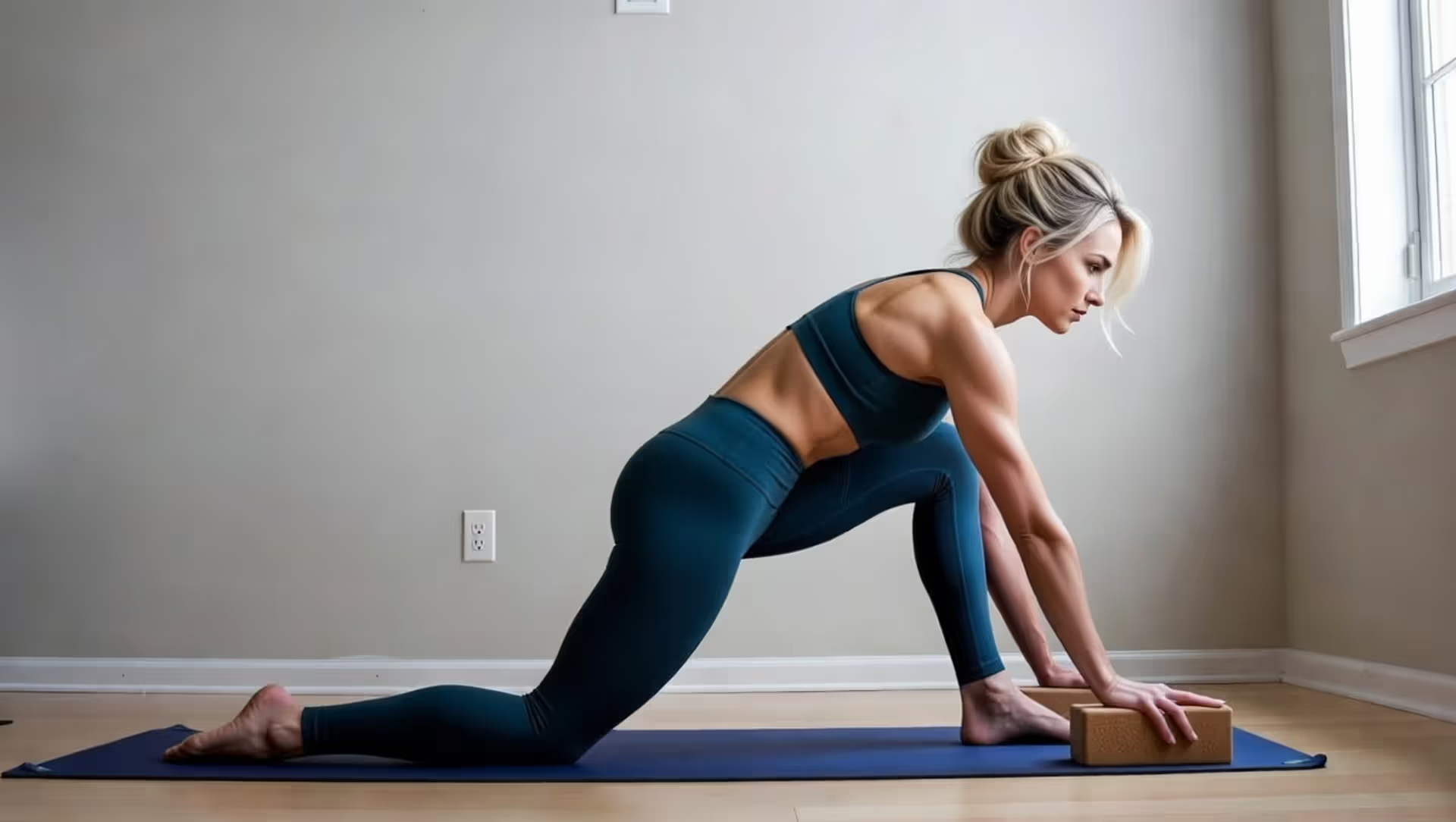
Advance one foot into a step-down, dropping the rear knee down. Ease basin forward till a pull hits the trailing hip's front. Sustain 30 seconds with steady breaths.
Pigeon Pose
From board stance, slide one knee ahead near wrist and stretch the opposite back. Align basin and lean ahead for intensified outer and front release.
Reclined Figure Four
Back down, place one ankle atop the other knee, draw the lower leg near torso. This pinpoints hip turner amid front muscle pull.
Half Splits
From step-down, extend lead leg and bend over it. Point lead toes to heighten rear thigh and front hip elongation.
| Pose | Primary Target Area | Duration | Beginner Modification | Common Mistake |
| Low Lunge | Front hip and deep connector | 30-60 seconds each leg | Pad rear knee with soft layer for ease | Letting lead knee pass toes, stressing joint |
| Pigeon Pose | Side hip and main flexor | 1 minute each leg | Support basin with prop if ground unreachable | Uneven basin twist, lessening effect |
| Reclined Figure Four | Hip spinner and thigh front | 45 seconds each leg | Ground lower foot for aid | Over-tugging, overlooking knee signals |
| Half Splits | Rear thighs and front benders | 30 seconds each leg | Slight lead knee bend if backs tight | Curving spine rather than pivoting from hips |
Hip Opening Yoga Poses for Deeper Mobility
After basics feel solid, move to forms challenging inner layers. These uplift total hip work, but tune in—joint tenderness means tweaks like supports.
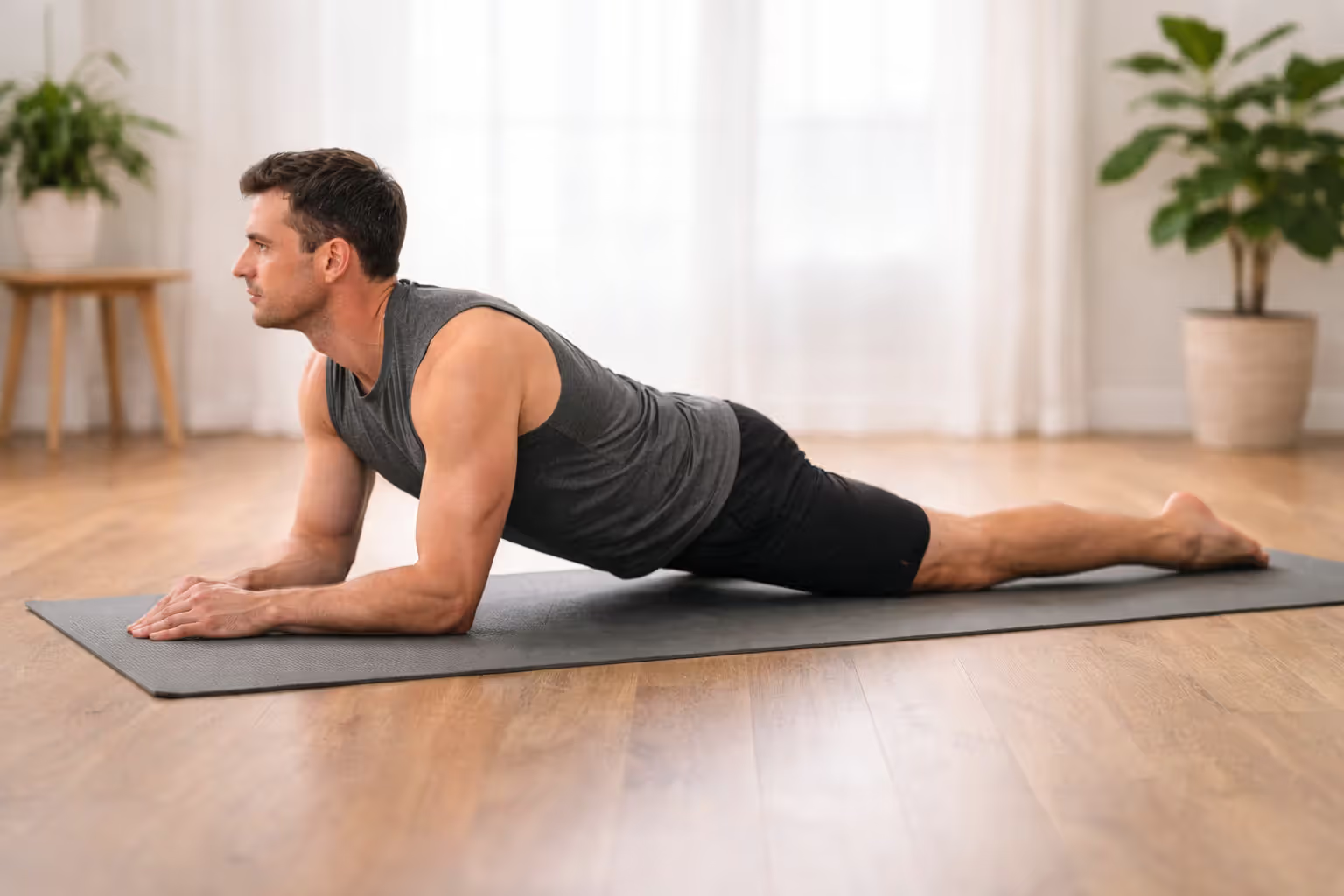
Lizard Pose
From step-down, descend to forearms and shift lead foot out. Inhale to extend back, exhale into inner leg and hip pull.
Author: Ava Mitchell;
Source: yogapennsylvania.com
Frog Pose
Belly down, widen bent knees frog-style, join soles. This spreads inner areas; cushion under basin if press mounts.
Goddess Squat
Feet broad, toes angled, drop into squat. Thighs braced by hands, breaths centered on easing front benders.
Garland Pose
Full squat, feet grounded, knees apart, arms pushing thighs wide. Sustain to grow power while spreading hips; toe-lift if heels rise.
Caution: For knee pangs, lessen drop or seat prop. Link breaths—draw in to ready, release to advance—to dodge tension grip.
Strengthen Hip Flexors with Yoga-Based Movements
Fortifying pairs with pulls by crafting tissue backing. These yoga-rooted actions stress managed activation.
Author: Ava Mitchell;
Source: yogapennsylvania.com
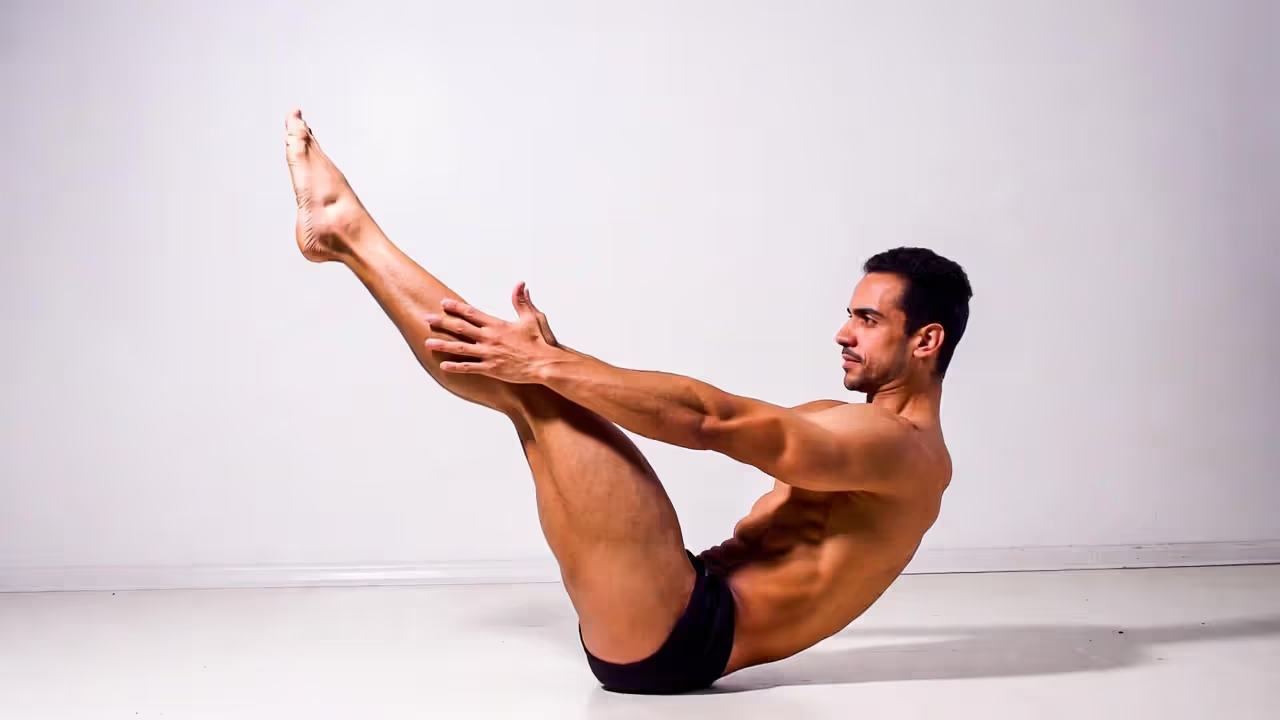
Boat Pose Variations
Seated knees folded, recline, elevate feet. Straighten for tougher; grip 20 seconds engaging mid and benders.
Most everyone can benefit from hip openers.
— Cator Shachoy, veteran yoga guide
Standing Knee Lifts
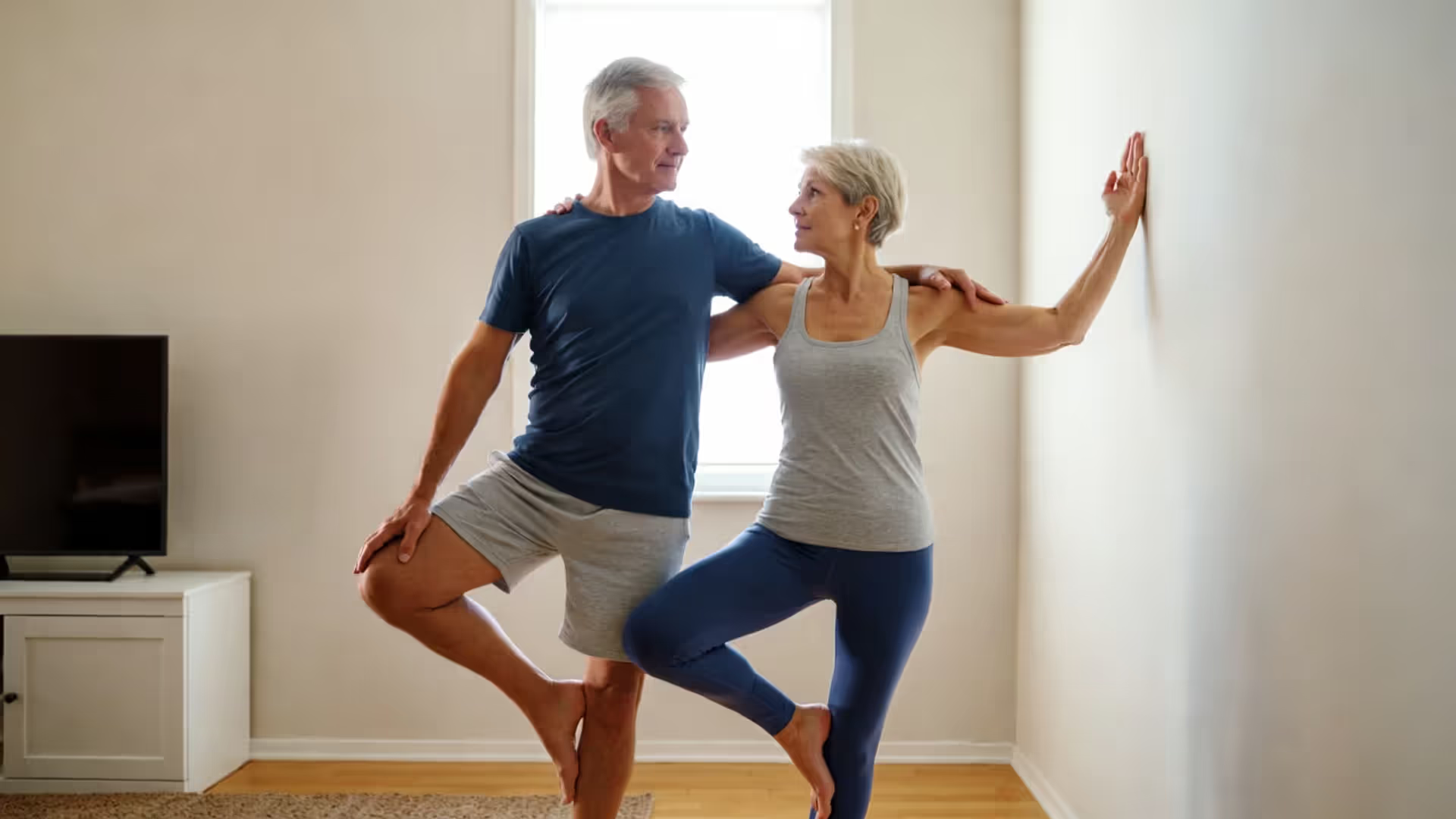
Upright, raise one knee chest-ward deliberately, descend. 10 each side, prioritizing steadiness over speed.
Warrior III
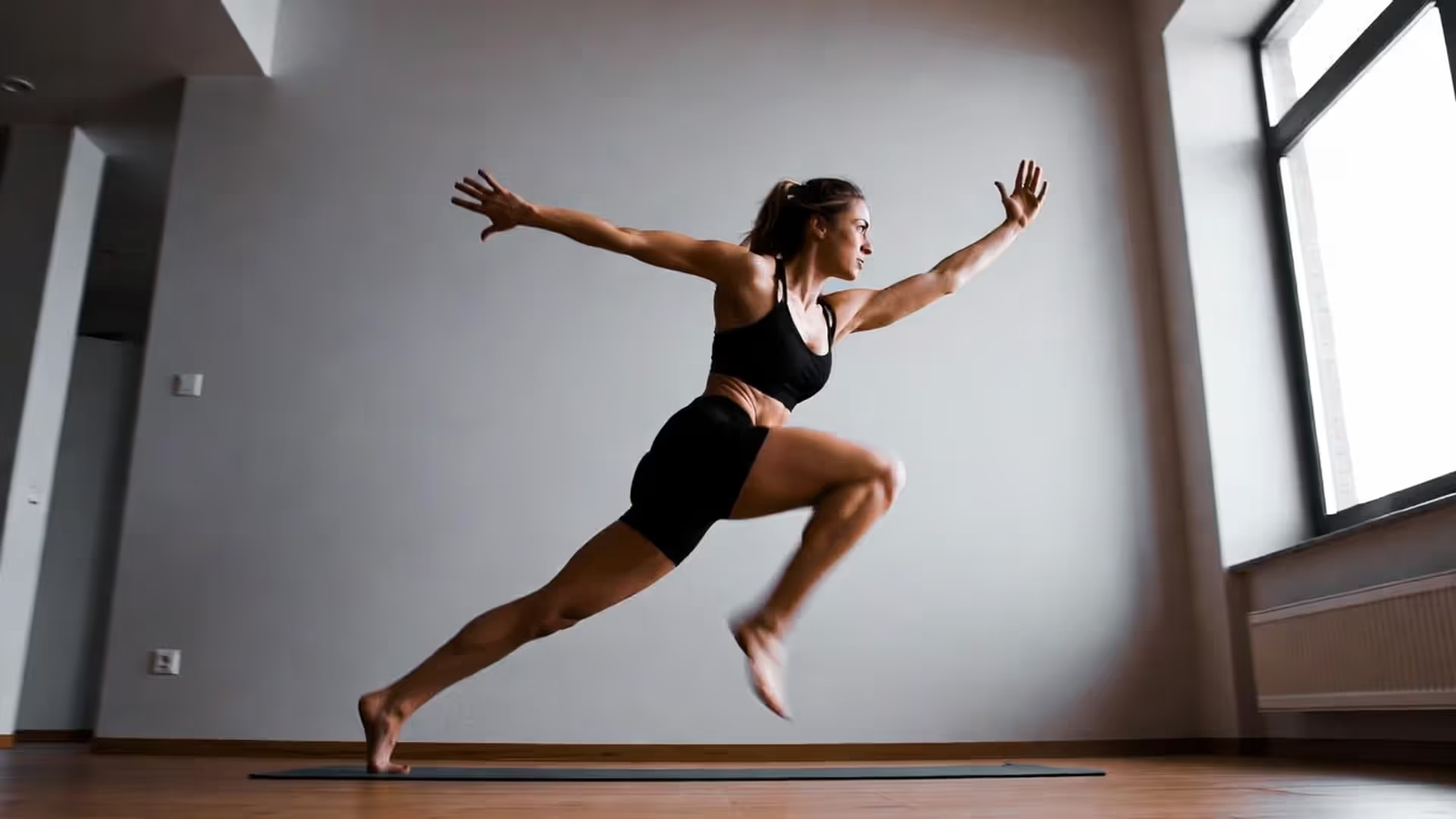
Standing, pivot forward on single leg, trail other rear. Arms ahead for poise; 15 seconds to bolster benders and balancers.
Slow Mountain Climbers
Board hold, pull one knee near slowly, switch. 8 each, basin even.
Form guide:
20-Minute Hip Mobility Yoga Flow (Step-by-Step Routine)
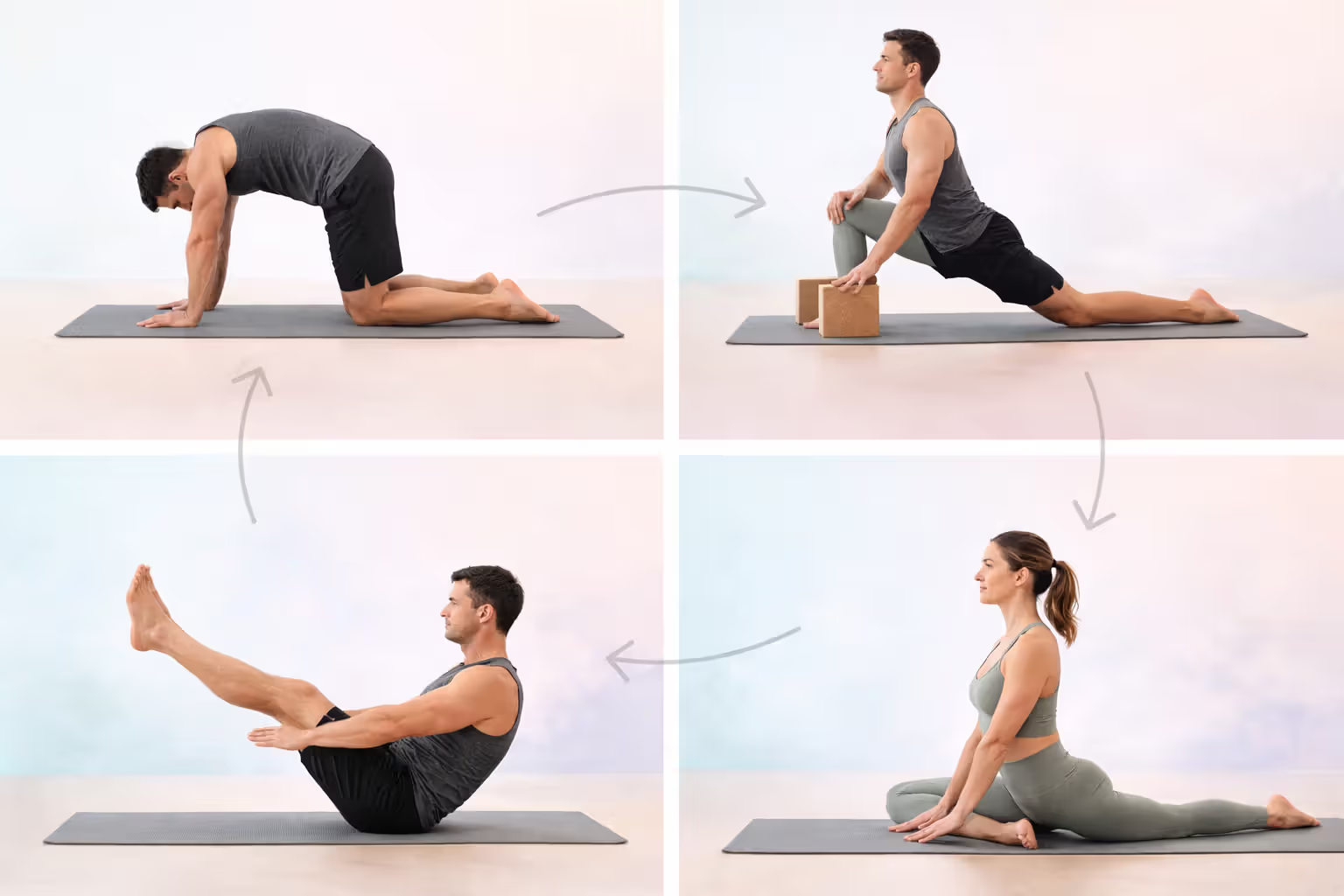
This sequence fuses pulls and power for swift range boosts. Mat-based, start with light prep.
Author: Ava Mitchell;
Source: yogapennsylvania.com
Warm-Up (5 Minutes)
Begin in rest fold, cycle through arch-dip for back flow. Include standing circles to ready joints.
Mobility Sequence (10 Minutes)
Switch step-down and partial split, flow to side release per leg.
Stability & Strength Finish (5 Minutes)
Close with vessel hold and upright lifts for solidification.
| Exercise | Time/Reps | Focus | Modification |
| Rest Fold to Arch-Dip | 2 minutes | Back prep | Hold fold if spine tender |
| Hip Rotations | 1 minute per way | Joint ease | Reduced arcs for starters |
| Step-Down to Partial Split | 2 minutes per leg | Bender unwind | Rear knee up for milder |
| Side Release | 1 minute per leg | Inner depth | Prop under side |
| Vessel Hold | 20 seconds x 3 | Mid and bender power | Folded knees |
| Upright Knee Raises | 10 each leg | Controlled motion | Wall grip for steadiness |
Yoga for Flexibility Hips: How Often Should You Practice?
Steadiness trumps force for enduring hip bendiness. Target 3-5 times weekly, 15-30 minutes each, permitting downtime sans excess. Blend with power sessions twice weekly to dodge unevenness. Watch rebound—if ache persists past two days, dial back. Fold into habits, like post-jog pulls or break-time moves.
Common Mistakes That Can Worsen Hip Pain
Steer clear of these traps to halt worsening stretches for hip pain.
- Over-extending sans power build, exposing tissues to pulls.
- Skipping rear engagement, letting front dominate actions.
- Pushing far ranges pre-warm, chancing rips in cool areas.
- Faulty basin positioning, such as forward tip, locking in constraints.
Frequently Asked Questions (FAQ)
Lasting lower body wellness hinges on folding hip flexor exercises into habits, merging elongations with vigor for enduring range. A regular hip mobility yoga flow, done attentively, battles daily loads like seats or sport repeats.
Yoga for tight hip flexors not just softens hurt but grows body sense, aiding imbalance dodges. Dedicate to this even route, and motion flows freer, trimming odds of linked woes like lumbar aches. Tiny, frequent steps pile into major wins across seasons.
Related Stories
Read more
Read more

The content on yogapennsylvania.com is provided for general informational and inspirational purposes only. It is intended to share yoga tips, meditation practices, wellness guidance, retreat experiences, and lifestyle insights, and should not be considered medical, therapeutic, fitness, or professional health advice.
All information, articles, images, and wellness-related materials presented on this website are for general informational purposes only. Individual health conditions, physical abilities, wellness goals, and experiences may vary, and results can differ from person to person.
Yogapennsylvania.com makes no representations or warranties regarding the accuracy, completeness, or reliability of the content provided and is not responsible for any errors or omissions, or for decisions or actions taken based on the information presented on this website. Readers are encouraged to consult qualified healthcare or wellness professionals before beginning any new yoga, meditation, or fitness practice.