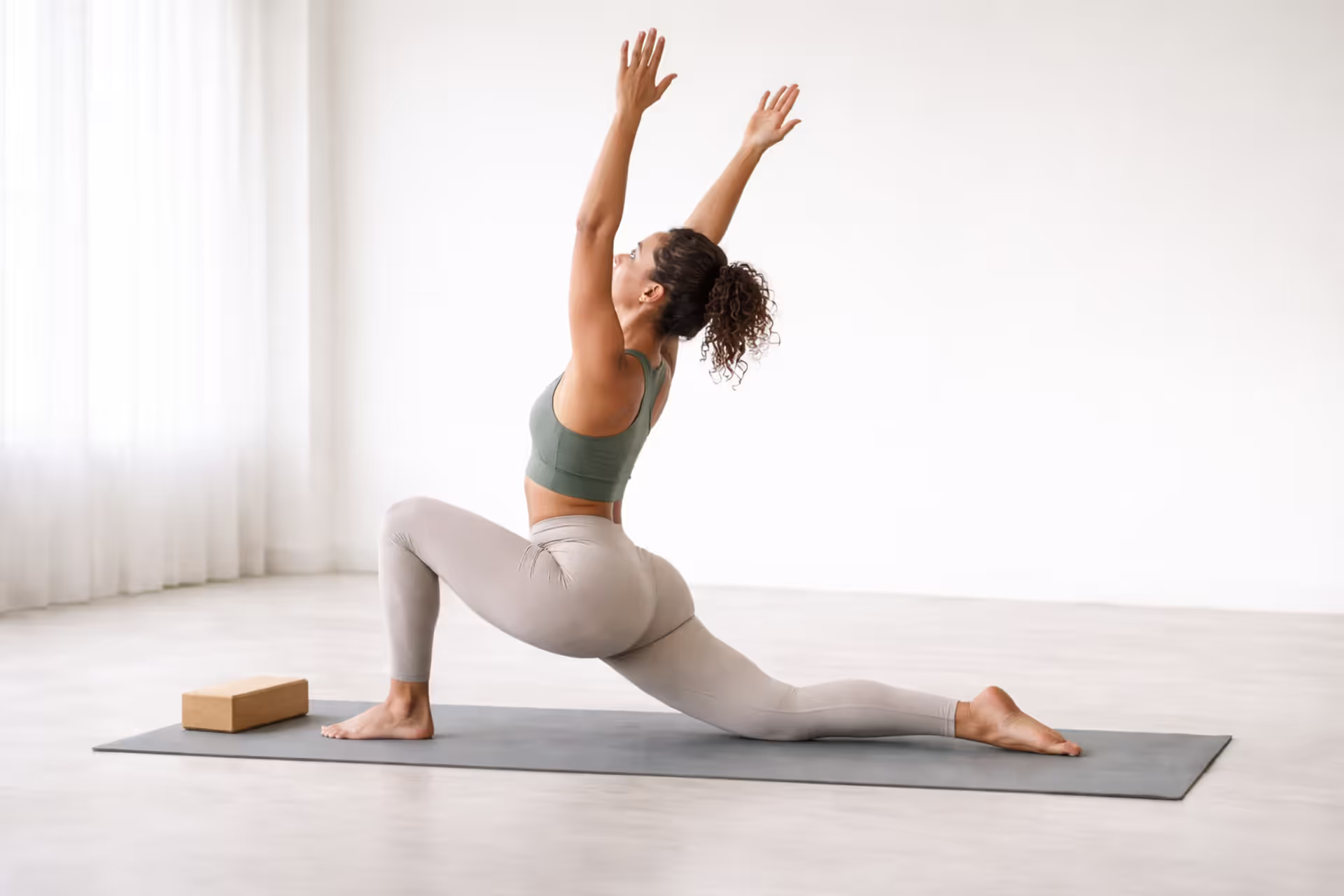
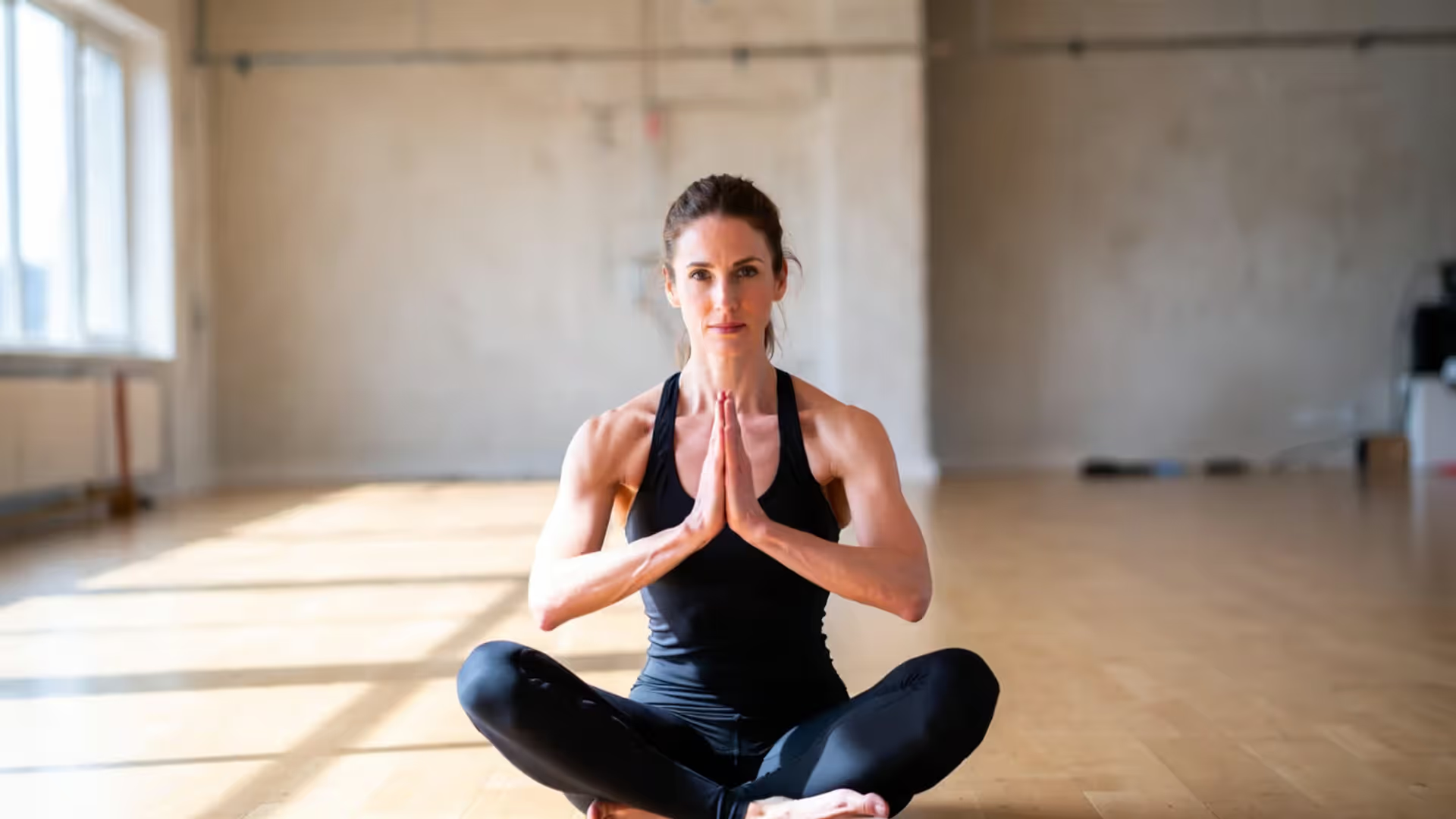
Mindful quad stretching improves flexibility and joint alignment.
Quad Stretches: Best Yoga Poses for Tight Thighs and Better Flexibility

Medical Disclaimer: This article draws from established yoga and physical therapy practices to share general guidance. It does not replace personalized medical advice or diagnosis. Consult a doctor or physical therapist before beginning any stretching routine, especially with knee pain, injuries, or conditions like arthritis.
Quadriceps drive essential movements, from propelling steps in a brisk walk to stabilizing during a squat. When these front thigh muscles tighten, daily actions turn cumbersome. Desk-bound professionals often feel this after hours in chairs, where quads shorten without extension. Runners push through miles, accumulating tension that limits recovery. Quad stretches address this by lengthening the muscle group, restoring range that eases knee pressure and hip alignment. Yoga integrates these stretches with breath and awareness, making gains stick longer than isolated pulls.
Why Quad Stretches Matter for Leg Health and Mobility
Quadriceps span the front thigh, attaching from pelvis to kneecap and shin. They extend the knee and flex the hip, crucial for climbing stairs or kicking. Tightness here pulls the pelvis forward, straining lower back and knees. Athletes like cyclists build quad dominance, leading to imbalances that heighten injury risk during lateral moves.
Regular quad stretches counteract this by increasing tissue elasticity. Improved length reduces anterior knee strain, common in those who sit eight hours daily. Hip mobility gains follow, aiding posture—think standing taller without that forward tilt. Yoga for tight quads adds mindful holds, which calm the nervous system and deepen release over time.
Signs You Have Tight Quads
Discomfort often shows at the knee front during descents, like walking downhill. Hips feel restricted when lunging forward, a telltale for shortened quads. Lower back aches emerge from compensatory arching, especially after long drives. Squats or deep bends reveal limited depth without forcing.
Test this at home: Lie face down, bend one knee to pull heel toward glute. If the heel stays far or hips lift excessively, tightness exists. Yoga for tight quads can pinpoint these through simple assessments, helping track subtle shifts.
Author: Lily Patterson;
Source: yogapennsylvania.com
How Yoga Helps Improve Leg Flexibility
Static holds in yoga allow gradual muscle lengthening, unlike dynamic swings that risk tears in cold tissue. Active engagement—contracting opposites while stretching—builds functional flexibility for real-world use. Passive versions rely on gravity or props, ideal for recovery days.
Breath coordinates this: Inhale to prepare, exhale to sink deeper, signaling muscles to relax. Neuromuscular responses improve, reducing guarding reflexes in tight areas. Yoga outperforms basic pulls by addressing connected chains—quads link to hips and back—yielding broader mobility. Trade-off: Yoga demands consistency for results, but it prevents rebound tightness better than sporadic gym sessions.
Best Yoga Quad Stretch Poses (Step-by-Step Guide)
Focus on alignment to avoid knee torque. Use a mat for grip and props for support.
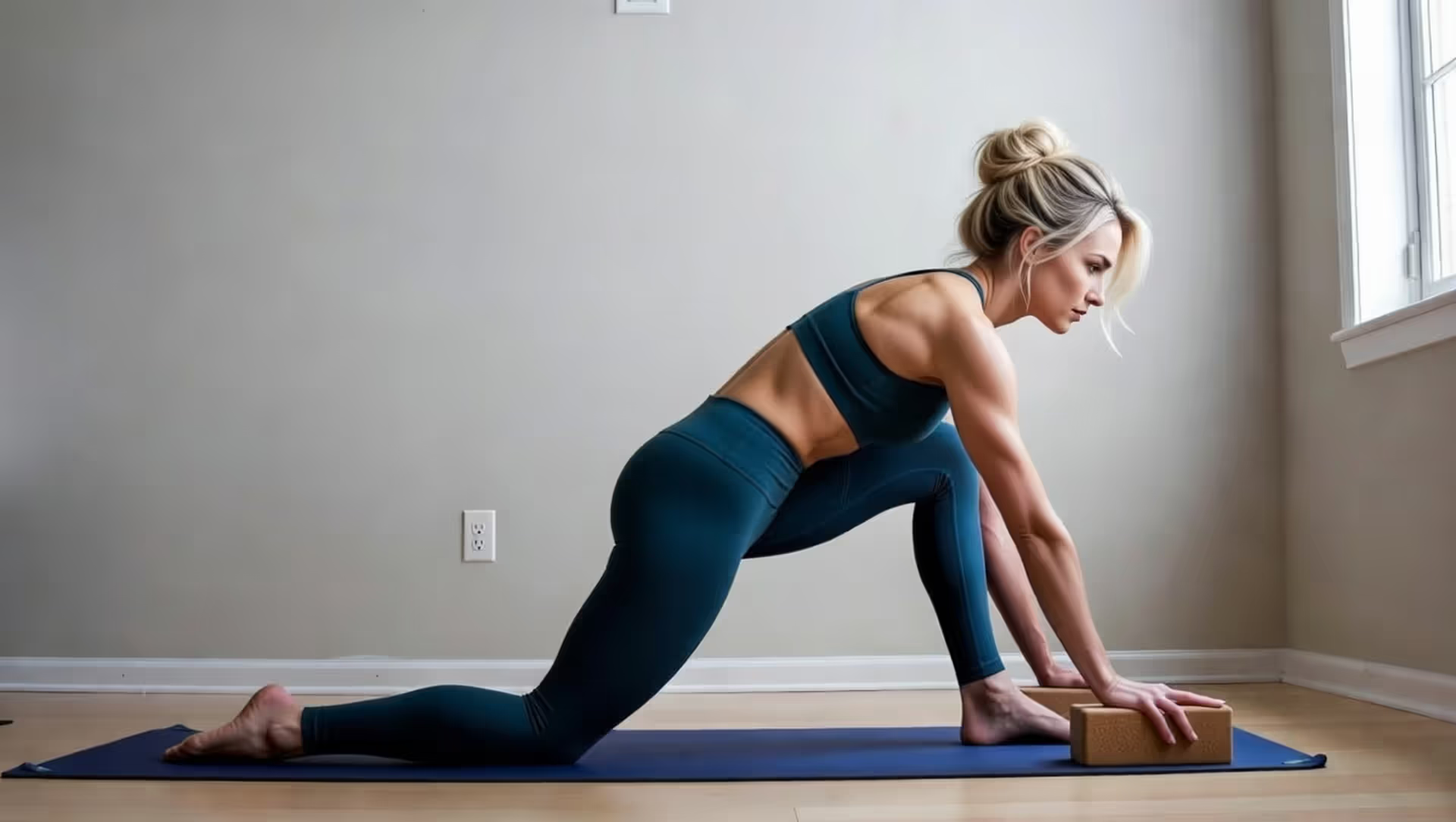
1. Low Lunge (Anjaneyasana)
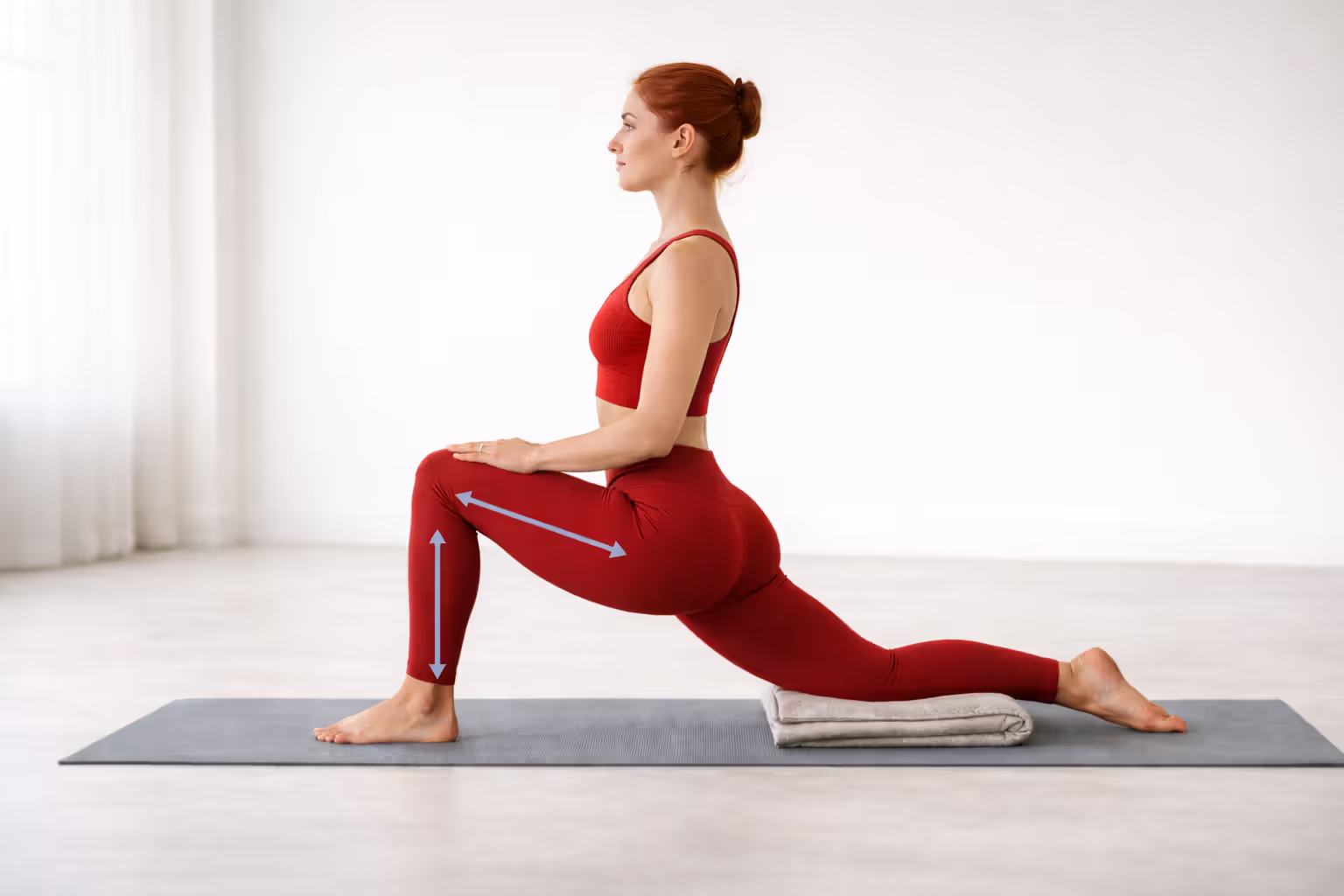
Step one foot forward, back knee down. Tuck tailbone, sink hips until front thigh stretches. Arms overhead optional for added release. Hold 45 seconds per side. Alignment: Front knee stacks over ankle. Beginner modification: Blanket under back knee cushions. Common mistake: Letting front knee cave inward—press outer edge down.
Author: Lily Patterson;
Source: yogapennsylvania.com
2. Standing Quad Stretch Yoga Variation
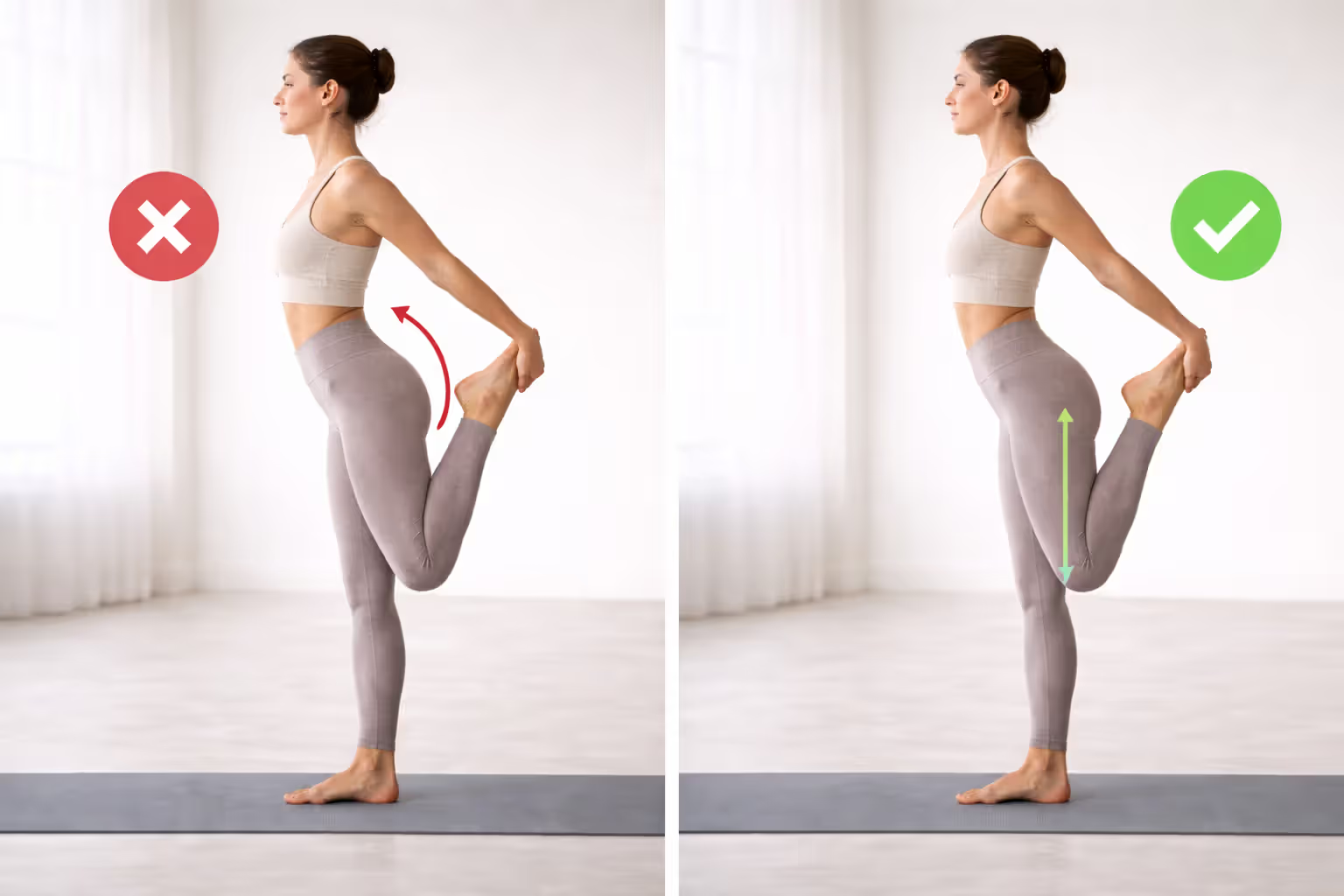
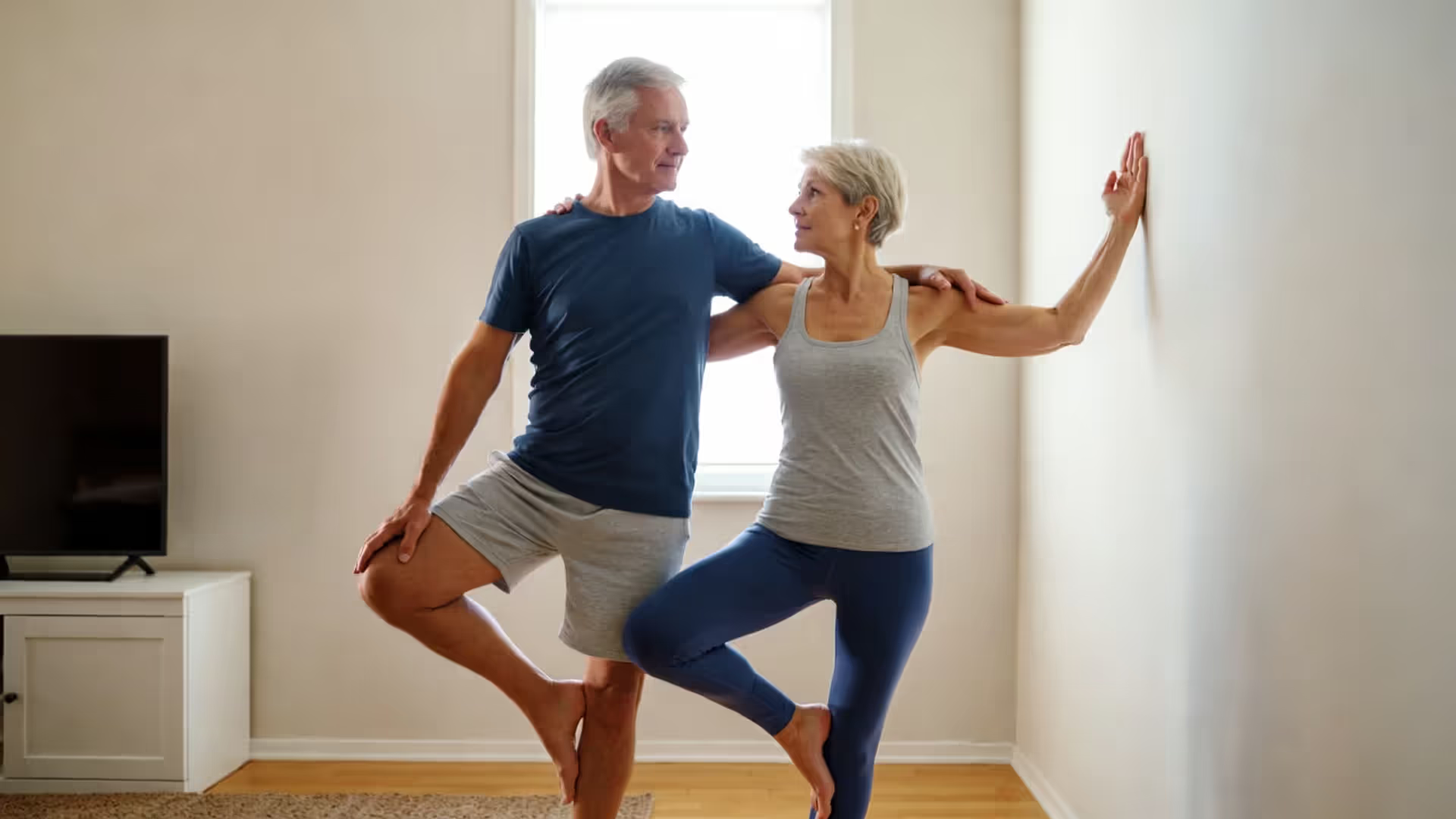
Stand tall, bend one knee, grasp ankle behind. Draw heel to glute, keep knees aligned. Pelvis neutral to avoid back arch. Balance with wall if wobbly. Who should avoid unsupported: Those with ankle instability—use a strap instead.
3. Hero Pose (Virasana)
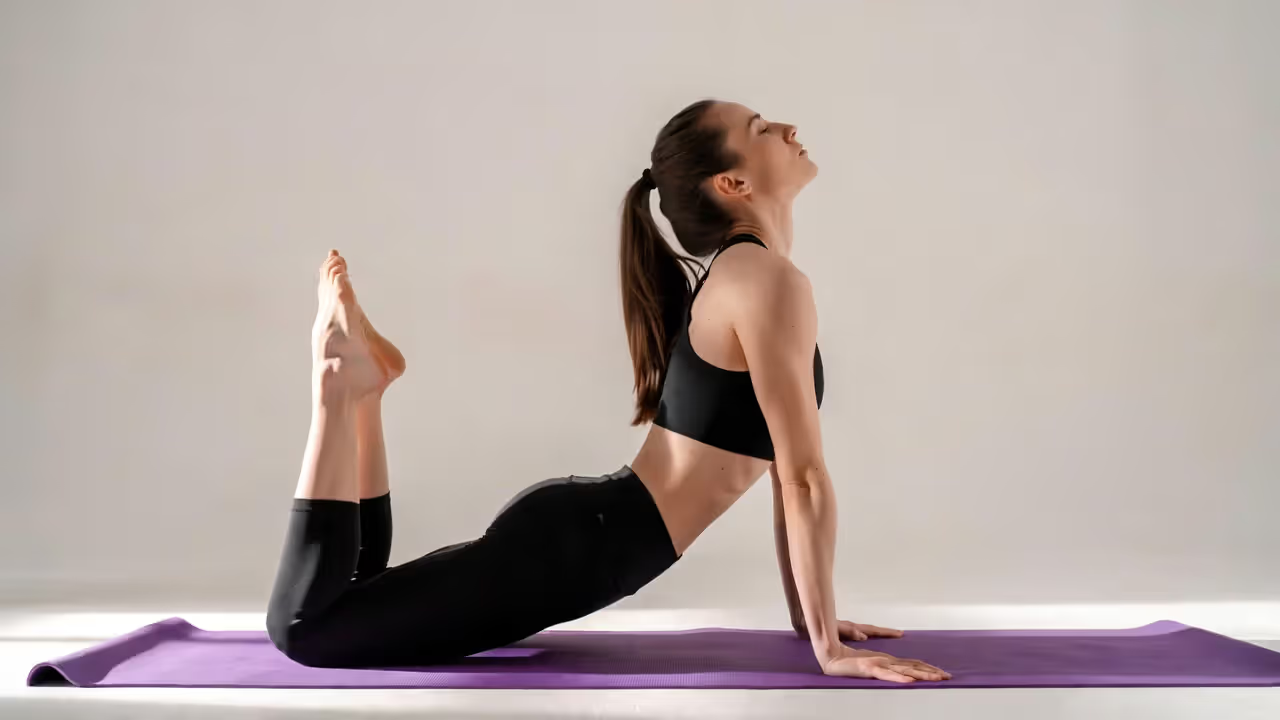
Kneel, sit between heels, toes untucked. Lean back slightly if tolerable. Deepens quad opening over time. Cushion/block modification: Sit on riser if knees protest. Contraindications: Skip with meniscus issues—opt for supine versions.
4. Half Bow Pose (Ardha Dhanurasana)
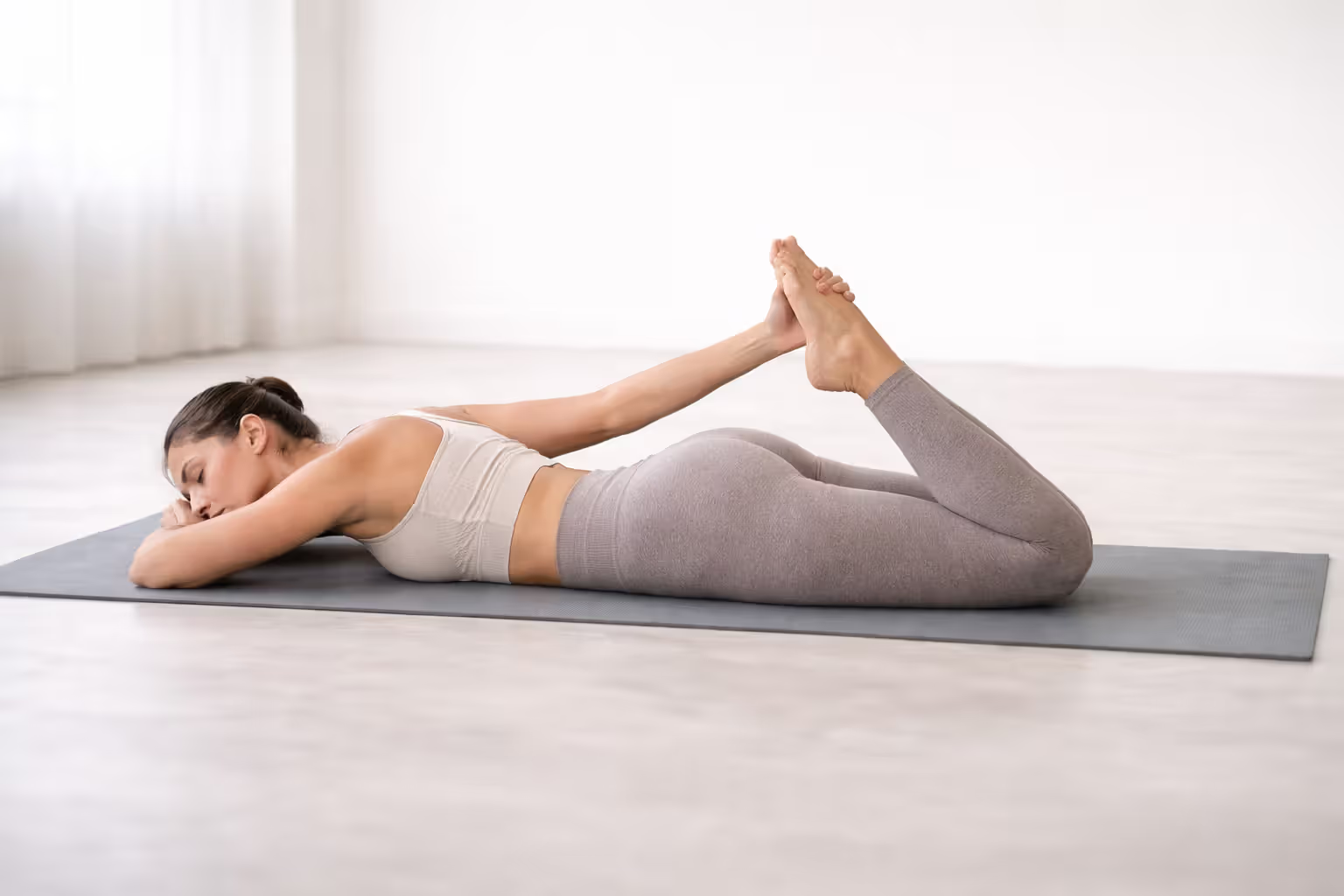
Lie belly down, bend one knee, reach back for foot. Lift chest and thigh together. Engages back for balanced pull. Breath: Exhale on lift. Advanced progression: Both legs if single side masters.
5. Reclined Quad Stretch for Beginners
Lie back, bend one knee, foot flat. Loop strap around other foot, extend leg up then back. Gentle for tight muscles. Safe for low mobility: Keep extended knee soft. Yoga quad stretch pose like this minimizes gravity's pull.
Author: Lily Patterson;
Source: yogapennsylvania.com
Gentle Yoga for Tight Quads (Beginner Routine)
This 10-minute flow eases into release. Order starts with grounded poses to build confidence.
- Reclined Quad Stretch: 30 seconds per side.
- Hero Pose with block: 1 minute.
- Low Lunge: 45 seconds per side.
- Standing Variation: 30 seconds per side.
Breath evenly through nose. Practice 4 times weekly. Yoga for tight quads routines like this suit beginners, offering quick relief without fatigue.
Standing vs Floor Quad Stretches – Which Is Better?
Standing versions engage balance, activating stabilizers for functional gains. Floor options isolate the stretch, reducing sway risk.
| Type | Best For | Difficulty | Balance Required | Knee Pressure |
| Standing | Active individuals, quick sessions | Medium | Yes | Moderate |
| Floor | Beginners, deep release | Low | No | Low |
Choose based on energy: Standing energizes mornings, floor unwinds evenings.
Common Mistakes That Limit Progress
Arching lower back pulls focus from quads—tuck pelvis instead. Pulling foot too hard strains knees—ease grip. Holding breath tenses muscles—exhale to release. Ignoring knee alignment lets it track outward—stack over ankle. Stretching cold skips warm-up, risking pulls—march in place first.
Author: Lily Patterson;
Source: yogapennsylvania.com
Safety Tips for Protecting Knees and Lower Back
Avoid deep quad stretches with acute knee inflammation—opt for elevation instead. Strain feels sharp, stretch mild—know the line. Modify by shortening hold times if back tightens. Consult physical therapists for persistent pain; edge cases like post-surgery need clearance. Thigh stretch yoga pose safety hinges on listening to signals.
Sample Weekly Plan to Improve Quad Flexibility
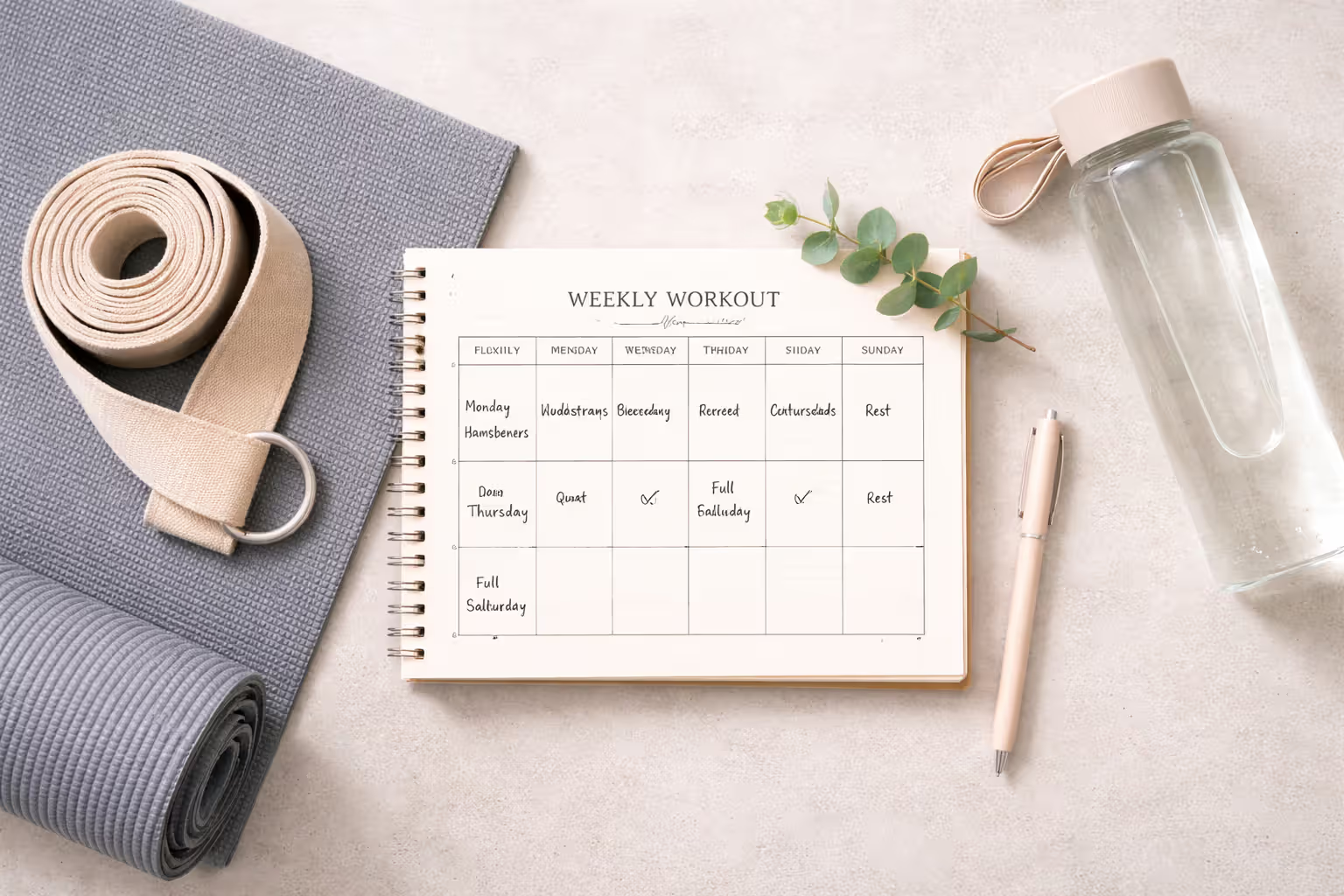
Monday/Wednesday/Friday: 10-minute routine post-walk. Tuesday/Thursday: Single poses during breaks—Low Lunge at desk. Saturday: Full session with holds doubled. Sunday: Rest or light walk. Post-workout: Add Hero after runs. Mobility-focused: Pair with hip openers twice weekly.
Author: Lily Patterson;
Source: yogapennsylvania.com
Frequently Asked Questions
Sustained practice reshapes how quads function in movement. Track small wins like easier squats. Adjust based on feedback—consistency yields lasting ease. For anatomy details, see Mayo Clinic resources or NCBI studies on flexibility.
Related Stories
Read more
Read more

The content on yogapennsylvania.com is provided for general informational and inspirational purposes only. It is intended to share yoga tips, meditation practices, wellness guidance, retreat experiences, and lifestyle insights, and should not be considered medical, therapeutic, fitness, or professional health advice.
All information, articles, images, and wellness-related materials presented on this website are for general informational purposes only. Individual health conditions, physical abilities, wellness goals, and experiences may vary, and results can differ from person to person.
Yogapennsylvania.com makes no representations or warranties regarding the accuracy, completeness, or reliability of the content provided and is not responsible for any errors or omissions, or for decisions or actions taken based on the information presented on this website. Readers are encouraged to consult qualified healthcare or wellness professionals before beginning any new yoga, meditation, or fitness practice.