
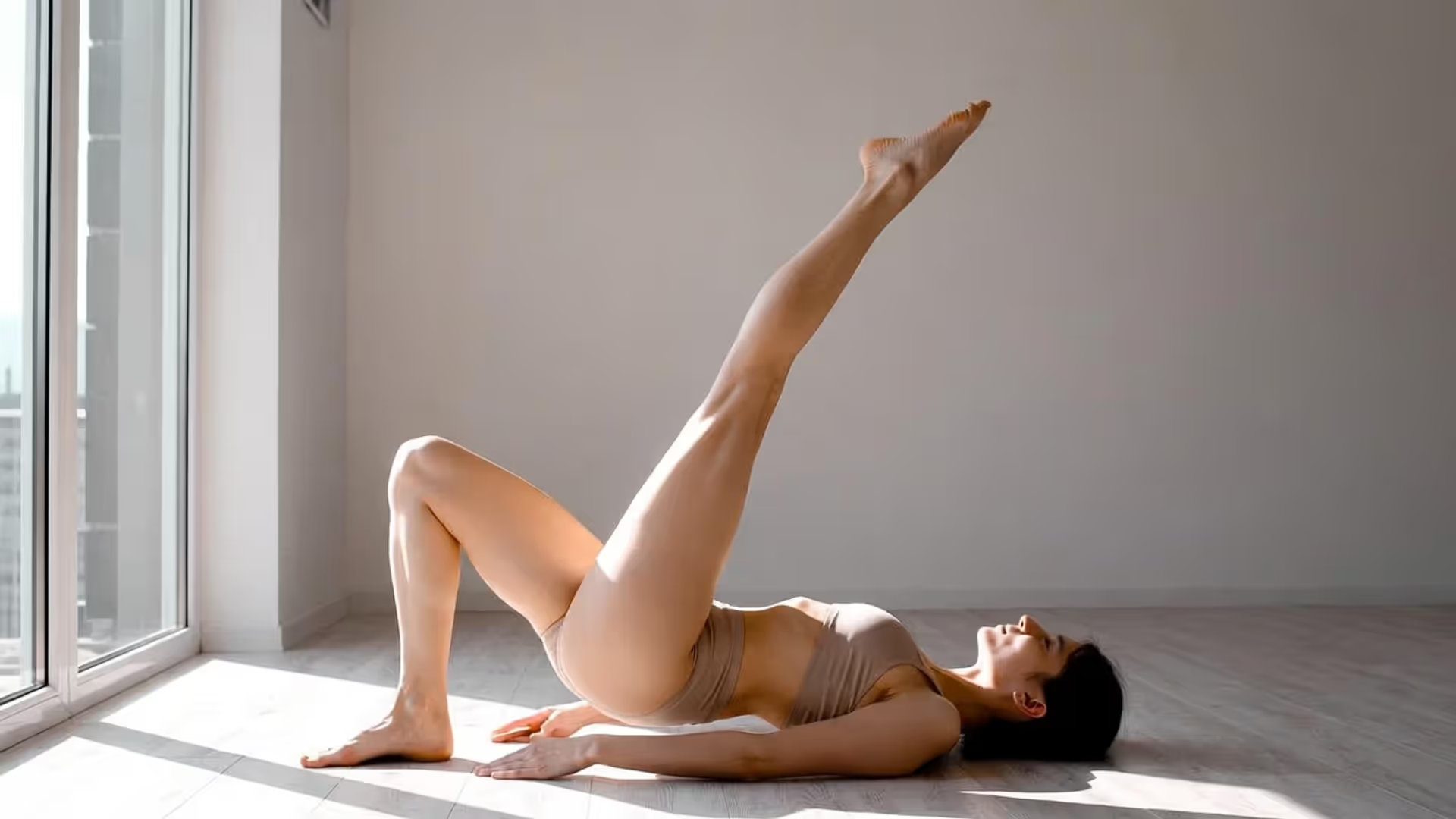
Reclining Hand-to-Big-Toe — gentle hamstring release without knee strain
Yoga for Knees: Safe Poses, Strengthening & Pain Relief for Better Mobility

Joints like knees endure constant wear from routine tasks—extended office hours that stiffen rear thighs or casual runs that jar without prep. Yoga intervenes by zeroing in on surrounding tissues to foster resilience and soften pulls. Those with early joint wear frequently gain from steady mild routines that enhance flow minus harsh jolts. Athletes coping with tracking problems could experience steadier steps following consistent targeted work. Yoga for knees stresses equilibrium: unwind bound zones while sparking helpers like front thighs and backside. Handled properly, it lessens that persistent throb on inclines or prolonged rests.
Understanding Knee Pain and How Yoga Can Help
Aches in these hinges often trace to uneven pulls built gradually. Tense front thighs from biking misalign the cap, while lax backside from prolonged seats allow inward shifts in gait. Strain from athletics or mere years erode padding, turning each move tentative. Clients sometimes overlook initial pangs, leading to intensified hurt down the line—a frequent oversight that slows healing.
Yoga offsets this through balanced tissue engagement. It extends pinched spots to widen hinge gaps and bolsters anchors for improved weight spread. Soft actions promote nutrient delivery to mend areas. A fast gauge: if hurt surges in a form, pull back right away—yoga for knee pain relief thrives on care, not push.
Safety First — How to Protect Your Knees in Yoga
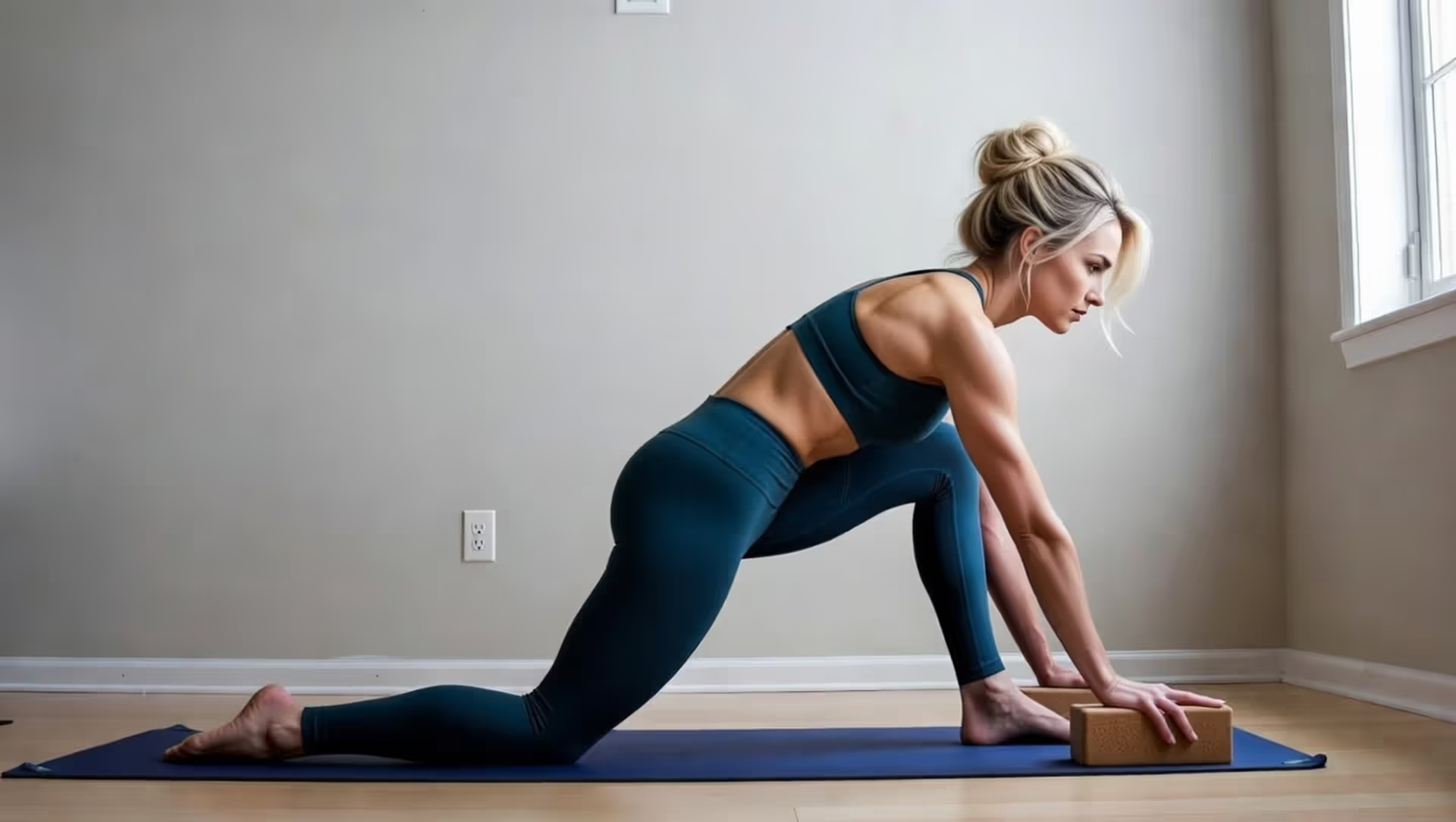
Positioning lays the base for harm-free sessions. Align hinges straight above feet in upright forms to prevent side collapse, which taxes bands. Fire outer sides by grounding soles solidly—this shares load uniformly. Employ aids like risers beneath palms to cut hinge angle without losing shape.
Some stances require changes or omissions. Full drops like complete squat burden if rear thighs bind; choose propped types with a riser below the base. Crossed binds and seated presses distort the hinge oddly—swap with simple leg crosses or lying options. For specials like after-op healing, cap load-bearing till approved by an expert. Balance: fuller forms grow power quicker but chance flare; lighter ones linger longer but remain secure. For more on joint structure, check Wikipedia on Knee.
Best Gentle Yoga Poses for Knees (with Modifications)
These picks favor hinge care while yielding precise gains. Shift gradually, sustaining each 30-60 seconds except stated.
Poses for Gentle Knee Mobility & Release
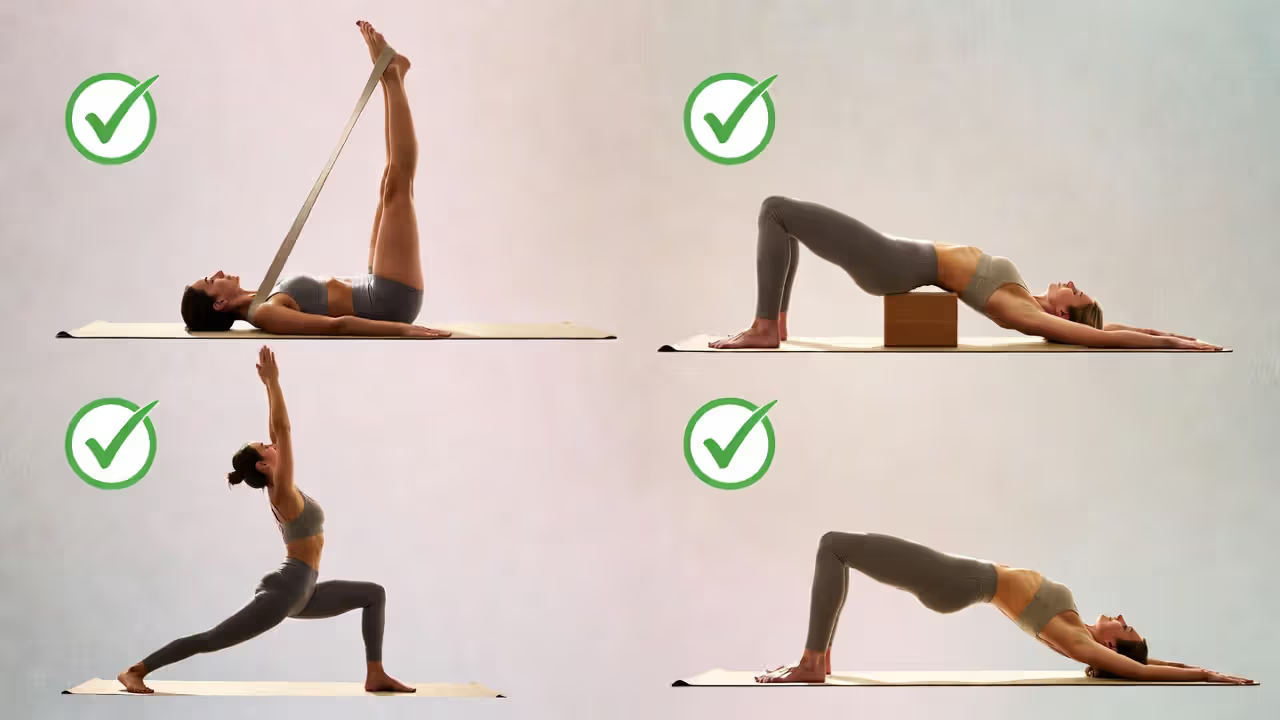
Lying Leg Pull (Supta Padangusthasana): Flat back, band around sole, raise limb high. Hold opposite hinge folded if required. This frees rear thighs sans hinge load. Tweak: Soft fold in raised hinge for ease.
Propped Arch Shift: Flat, hinges folded, elevate base onto riser. Ground soles to widen sides mildly. Boosts knee flow. Tweak: Omit raise if spinal base tender; simply settle with riser beneath tail.
Lying Turn: Flat, draw one hinge close, let it fall over. Turn softens side strain that tugs hinges. Tweak: Cushion under fallen hinge for backing.
Standing & Balancing Poses with Knee-Friendly Alignment
Author: Connor Evans;
Source: yogapennsylvania.com
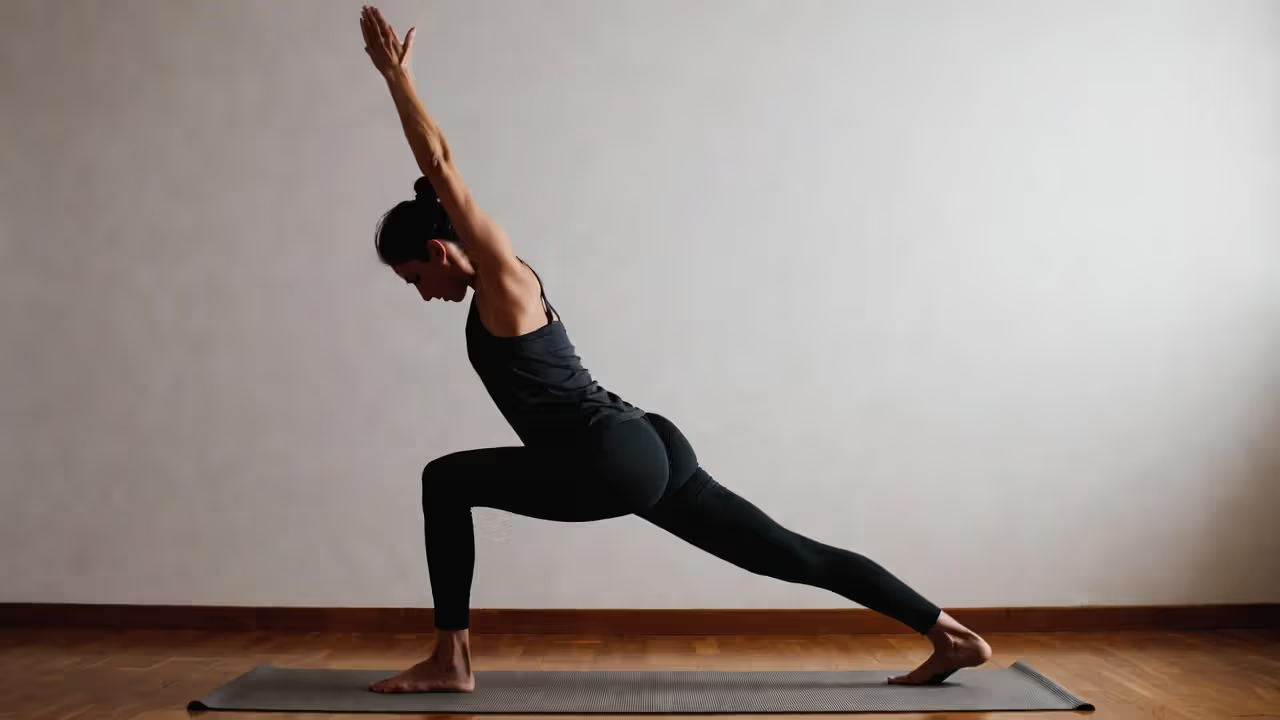
Upright Hold (Tadasana): Soles apart, mild hinge fold, fire thighs. Cultivates even load sense. Tweak: Surface behind for steadiness verify.
Side Warrior (Virabhadrasana II): Broad step, lead hinge over foot, trail straight. Bolsters outer sides. Tweak: Narrow step if hinge sways.
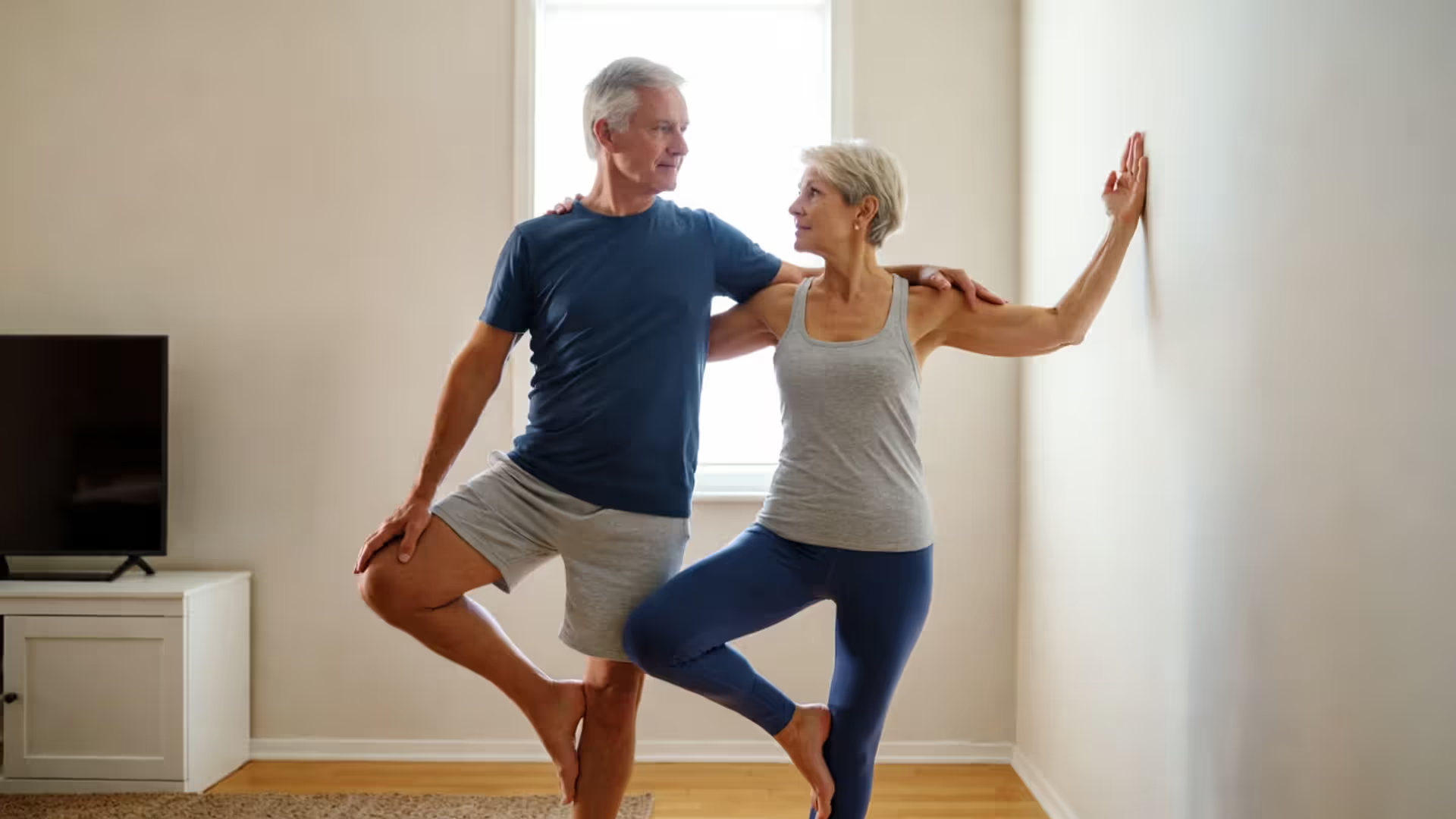
Branch Stand (Vrksasana): One sole base, other on lower leg (skip hinge). Boosts hold. Tweak: Surface contact for firmness.
Strengthening Poses to Support the Knees
Arch Lift (Setu Bandhasana): Flat, raise base grounding soles. Clenches backside for hinge aid. Sustain 20 seconds, redo 5. Tweak: Riser beneath base for milder.
Seat Hold (Utkatasana) with Backing: Phantom seat drop, surface lean. Hits front thighs. Sustain 15-30 seconds. Tweak: Elevated drop for starters.
Rear Raise Shift: Face down, elevate single limb each turn. Sparks rear thighs. 10 each side. Tweak: Low rises.
| Form | Key Gain | Sustain/Redos | Starter Change | Frequent Slip |
| Lying Leg Pull | Rear thigh free | 45 sec/each | Fold hinge | Push straight |
| Propped Arch | Side widen | 1 min | Skip raise | Spinal bow |
| Side Warrior | Side hold | 30 sec/each | Narrow step | Hinge beyond foot |
| Arch Lift | Backside spark | 20 sec, 5 redos | Riser back | Hinge squeeze in |
| Seat Hold | Front thigh power | 15-30 sec | Raised spot | Hinge lock |
Knee Strengthening Yoga — Building Stability from the Ground Up
Emphasis moves to tissues that guard the hinge. Front thighs manage ahead push, rear check back drag, backside curb lateral drift. Slack in these cause shakes in tasks like dropping for items.
Author: Connor Evans;
Source: yogapennsylvania.com
Targeted Strength for Quads, Hamstrings & Glutes
Begin with surface drops: Lean surface, lower to right-angle hinges, sustain 20 seconds. Grows front thigh stamina. Next rear pulls: Seated, band sole, draw heel close, 10 each limb. Backside arches complete: Raise base, clench peak, 8 redos.
Short 10–15 Minute Knee-Focused Sequence
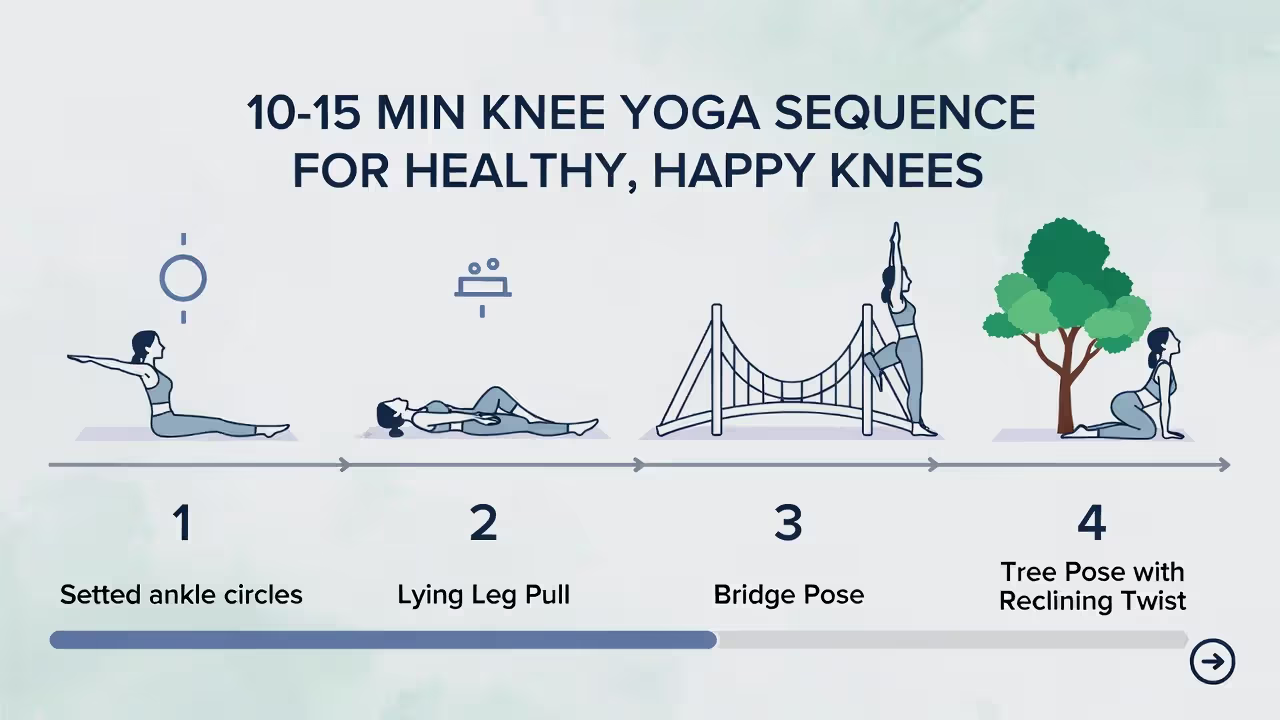
- Prep (2 min): Seated joint circles, 10 per way each limb.
- Range (3 min): Lying Leg Pull, 30 sec/each.
- Power (5 min): Arch Lift 5 redos, Seat sustain 20 sec (twice).
- Hold (3 min): Branch 30 sec/each.
- Ease (2 min): Lying Turn 45 sec/each.
Author: Connor Evans;
Source: yogapennsylvania.com
A commuter with joint creaks post trips saw this flow soften early rigid in a fortnight.
Signs Your Knees Are Improving & When to Seek Professional Help
Monitor fine changes for encouragement. Aches fade on paths, or inclines grow firmer—these mark firmer backs. Full hinge stretch sans snaps signals better range. Puff lessens after moves as flow betters.
Note alerts: Sudden jabs, catches, or lasting puff hint troubles like tissue rips. If sessions amp signs, halt and seek expert. Specials like immune joint swell require custom schemes from pros. Explore basics at Wikipedia on Yoga as Exercise.
- Aids set: band, risers, cover.
- Hinges above feet in folds.
- Soft fold in straight limbs.
- Halt at hurt, not unease.
- Air steady.
Daily Habits & Complementary Practices That Support Knee Health in Yoga
Yoga alone brings meaningful change, yet knees respond best when supported by small consistent choices throughout the day. Many people notice faster progress once they layer in habits that reduce inflammation, improve circulation, and maintain joint lubrication outside of mat time.
Author: Connor Evans;
Source: yogapennsylvania.com
Start with movement breaks every 45–60 minutes if you sit for work or study. Stand up, do 8–10 gentle standing knee lifts (slowly draw one knee toward chest while holding a chair for balance), then shake out the legs. This prevents the rear thigh shortening that pulls the knee cap upward and creates anterior pressure. A client who added these micro-breaks during long coding sessions reported that her morning knee stiffness dropped noticeably within three weeks.
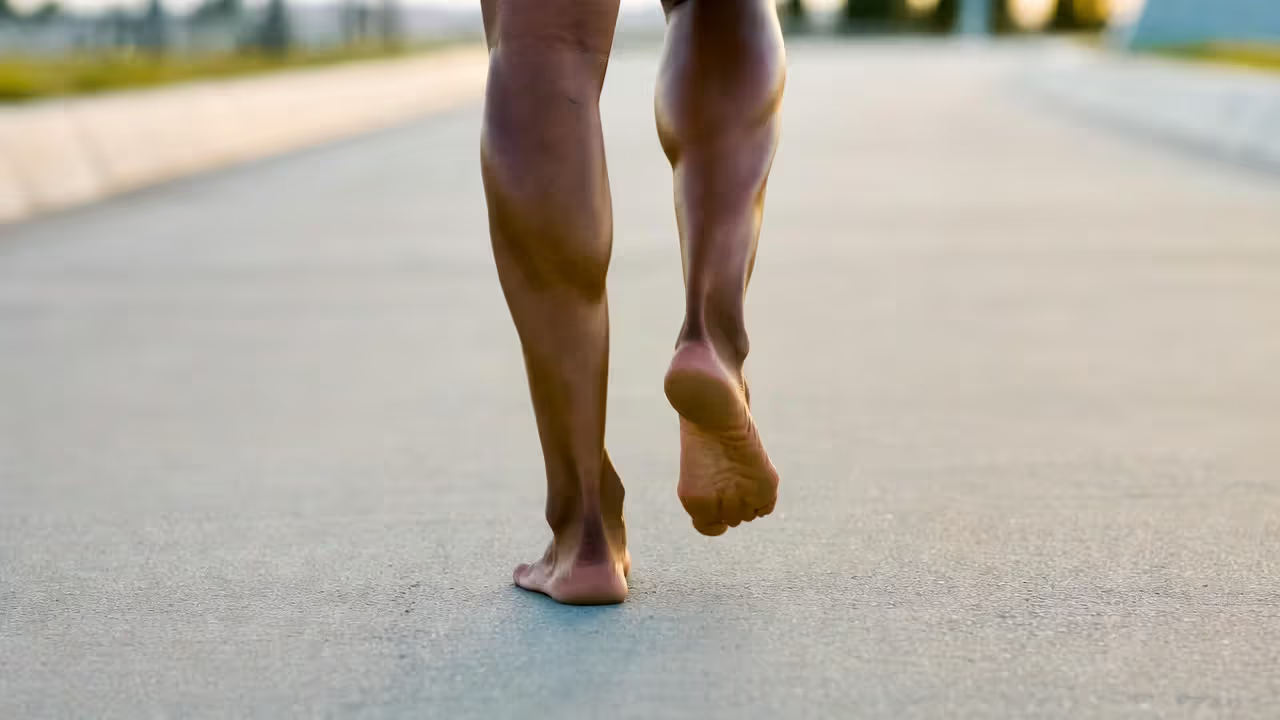
Footwear matters more than most realize. Shoes with zero drop (flat sole) or excessive cushioning alter natural gait mechanics. Over time, thick heels tilt the pelvis forward and shorten calf muscles, which tug on the knee from below. Switch to minimal or barefoot-style shoes for daily walking, or at least wear flatter soles when at home. Transition slowly—start with 30 minutes per day—to avoid calf strain.
Ice or heat application timing can amplify yoga benefits. After practice, if mild swelling appears, apply a cold pack wrapped in cloth for 10–12 minutes to calm inflammation. On non-practice days or when stiffness dominates, use a warm pack or take a warm shower before gentle mobility work; heat increases tissue elasticity and makes stretches more effective. A simple rule: cold for fresh swelling, heat for chronic tightness.
Yoga's true power for knees lies in mindful alignment over aggressive depth.
— Dr. Timothy McCall, yoga therapist and author.
Nutrition plays a quiet but real role. Omega-3 fatty acids from fatty fish (salmon, sardines), flaxseed, or algae oil help modulate inflammatory pathways. Aim for 1–2 grams of combined EPA/DHA daily through food or supplement. Turmeric with black pepper (piperine enhances absorption) shows promise in reducing joint discomfort in multiple studies; 500–1000 mg curcumin with meals can be helpful for those with inflammatory conditions. Hydration directly affects synovial fluid quality—aim for clear or pale urine as a rough marker. Dehydration thickens joint lubricant, making movement feel gritty.
Walking technique deserves attention. Many people over-stride, landing heavily on the heel and sending shock upward through the knee. Practice shorter, quicker steps with a slight forward lean from the ankles (not waist). Land mid-foot under the body rather than reaching far ahead. This reduces peak forces on the patella by up to 20–30% according to gait analysis research. Try it during a 10-minute walk after yoga to reinforce the pattern.
Sleep posture affects morning knee feel. Side-sleepers often let the top knee drop forward, twisting the lower one. Place a small pillow between the knees to keep the hips stacked and the spine neutral. Back sleepers can put a rolled towel under the knees to maintain a gentle bend, reducing overnight strain on the joint capsule.
For those who enjoy other activities, cross-training choices matter. Swimming or pool walking provides resistance without impact—excellent for building quad strength while the water unloads the joints. Cycling on a properly fitted bike (seat high enough so the knee has a soft bend at the bottom of the pedal stroke) maintains range without compression. Avoid stair-climbing machines or deep lunges in other fitness classes until knee stability improves significantly.
Temperature changes also influence joint comfort. Cold weather thickens synovial fluid and tightens tissues. Before morning practice in winter, do 3–5 minutes of marching in place or arm swings to raise core temperature. In hot weather, joints can feel looser but more prone to over-stretching—maintain mindful limits even when everything feels easy.
Finally, mindset shifts quietly support physical gains. Many people with chronic knee discomfort unconsciously brace or limp, creating secondary tightness in hips or lower back. Practice noticing when you guard the knee during daily tasks (getting out of a car, standing from a chair) and consciously relax the surrounding muscles while moving slowly. Over months this reduces compensatory patterns and allows yoga work to integrate more deeply.
Combining these habits with the yoga sequence creates a virtuous cycle: better daily mechanics make yoga safer and more effective, while yoga improves body awareness that carries into walking, sitting, and sleeping. Small adjustments compound—most people see the biggest leap not from one dramatic session, but from layering thoughtful choices consistently over 8–12 weeks.
Steady work with these methods alters hinge daily work. Tune to cues closely, shift as called, and blend with strolls or dips for full back. Firmer hinges unlock pursuits once dodged.
Frequently Asked Questions (FAQ)
Related Stories
Read more
Read more

The content on yogapennsylvania.com is provided for general informational and inspirational purposes only. It is intended to share yoga tips, meditation practices, wellness guidance, retreat experiences, and lifestyle insights, and should not be considered medical, therapeutic, fitness, or professional health advice.
All information, articles, images, and wellness-related materials presented on this website are for general informational purposes only. Individual health conditions, physical abilities, wellness goals, and experiences may vary, and results can differ from person to person.
Yogapennsylvania.com makes no representations or warranties regarding the accuracy, completeness, or reliability of the content provided and is not responsible for any errors or omissions, or for decisions or actions taken based on the information presented on this website. Readers are encouraged to consult qualified healthcare or wellness professionals before beginning any new yoga, meditation, or fitness practice.