
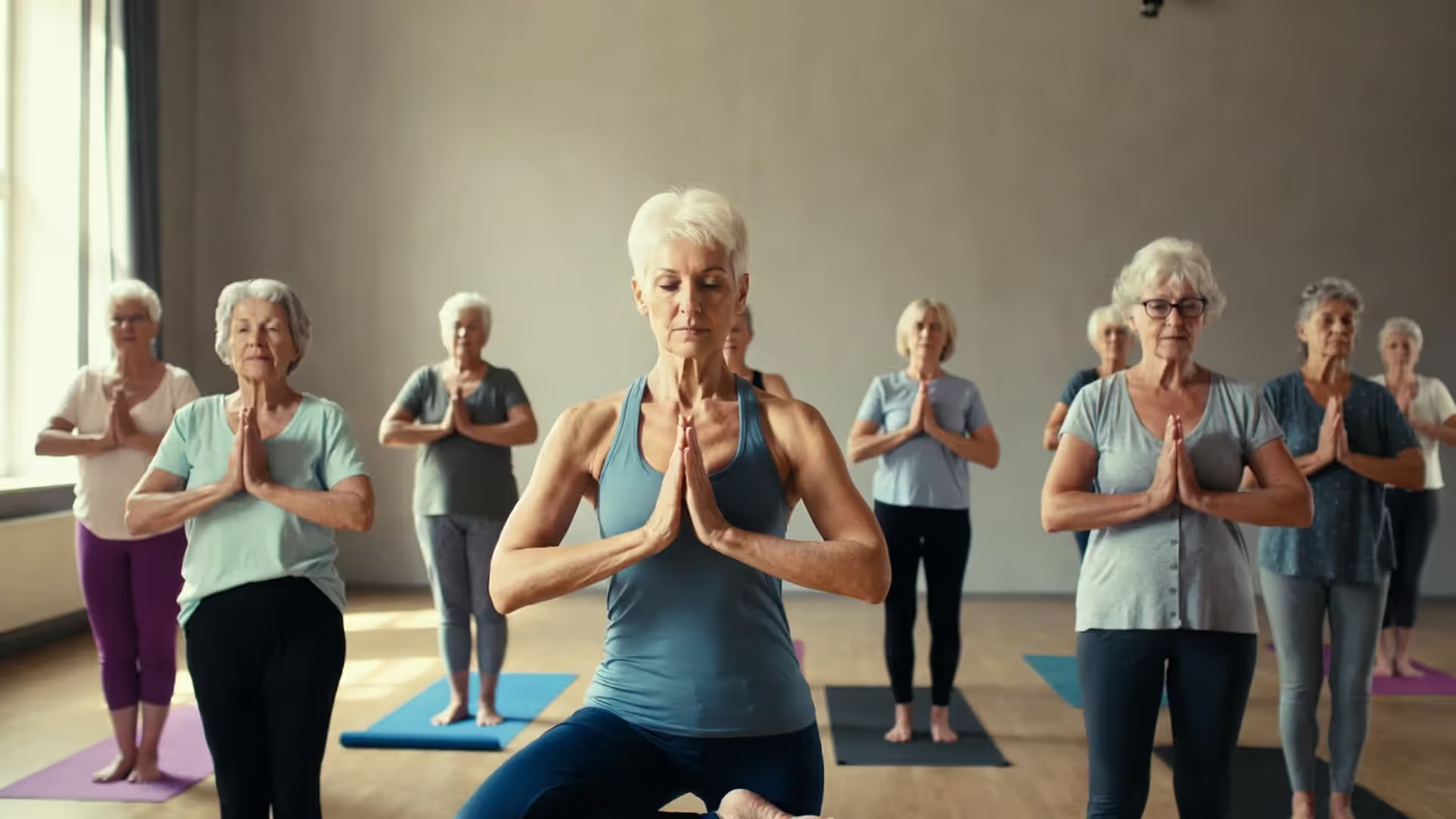
Yoga for Seniors Guide to Balance and Wellness
Yoga for Seniors Guide to Balance and Wellness

Importance of Staying Active as We Age. Staying physically active is crucial for maintaining health and independence as we age. Regular physical activity can help manage weight, strengthen muscles and bones, and improve cardiovascular health. Moreover, it can enhance mental health and cognitive function, reducing the risks of depression, cognitive decline, and chronic diseases. Organizations like the World Health Organization and the Centers for Disease Control and Prevention emphasize the importance of ongoing physical activity for older adults, recommending that they engage in at least 150 minutes of moderate-intensity aerobic physical activity throughout the week.
Overview of Yoga and Its Adaptability for Older Adults. Yoga is a versatile form of exercise that can be adapted to suit different fitness levels and physical capabilities, making it an ideal choice for seniors. It involves a combination of postures, breathing exercises, and meditation, which can be modified to accommodate one's physical limitations. Yoga's adaptability is highlighted by resources like the Yoga Journal, which offers guidance on poses and modifications specifically designed for older practitioners. This adaptability ensures that seniors can practice safely, maximizing benefits while minimizing the risk of injury.
Benefits of Yoga for Physical and Mental Health in Seniors. The benefits of yoga for seniors are extensive, impacting both physical and mental health positively. Physically, yoga helps improve flexibility, balance, and strength. These improvements can lead to better mobility, reduced risk of falls, and enhanced ability to perform daily activities. Mentally, yoga is known for its ability to alleviate stress, promote relaxation, and support emotional well-being. It can also enhance sleep patterns and boost overall mood. The mental health benefits of yoga are supported by numerous studies, including research published in reputable sources like the National Institutes of Health, which detail how yoga can significantly impact depression, anxiety, and overall mental health in the elderly.
By engaging in yoga, seniors can enjoy a holistic workout that not only strengthens the body but also calms the mind, promoting an overall sense of well-being that is crucial during the golden years. For more detailed insights into how yoga can be adapted for older adults, resources such as Yoga Journal and health guidelines from the CDC can provide valuable information.
Why Yoga is Ideal for Seniors
Explanation of the Low-Impact Nature of Yoga. Yoga is often touted as an ideal exercise for seniors due to its low-impact nature, which makes it easier on the joints compared to other forms of exercise like jogging or traditional aerobics. Low-impact exercises are particularly beneficial for older adults because they reduce the risk of injury and are less strenuous on the body. Yoga involves a series of movements and poses that can be performed at a slow pace, allowing individuals to stay within their comfort zones while gradually improving their fitness levels. This aspect of yoga ensures that seniors can maintain regular physical activity without overexerting themselves, making it a sustainable option for long-term health.
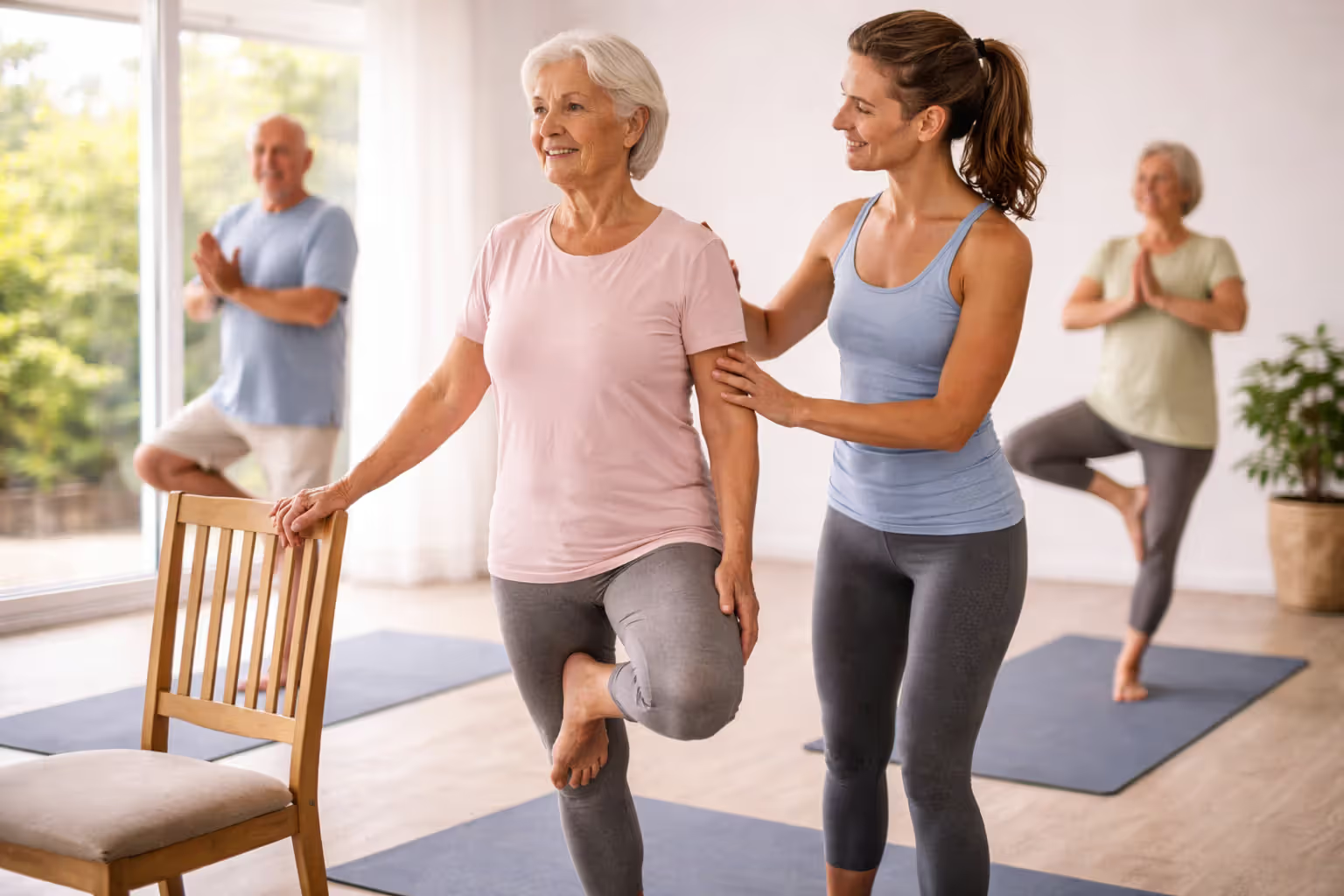
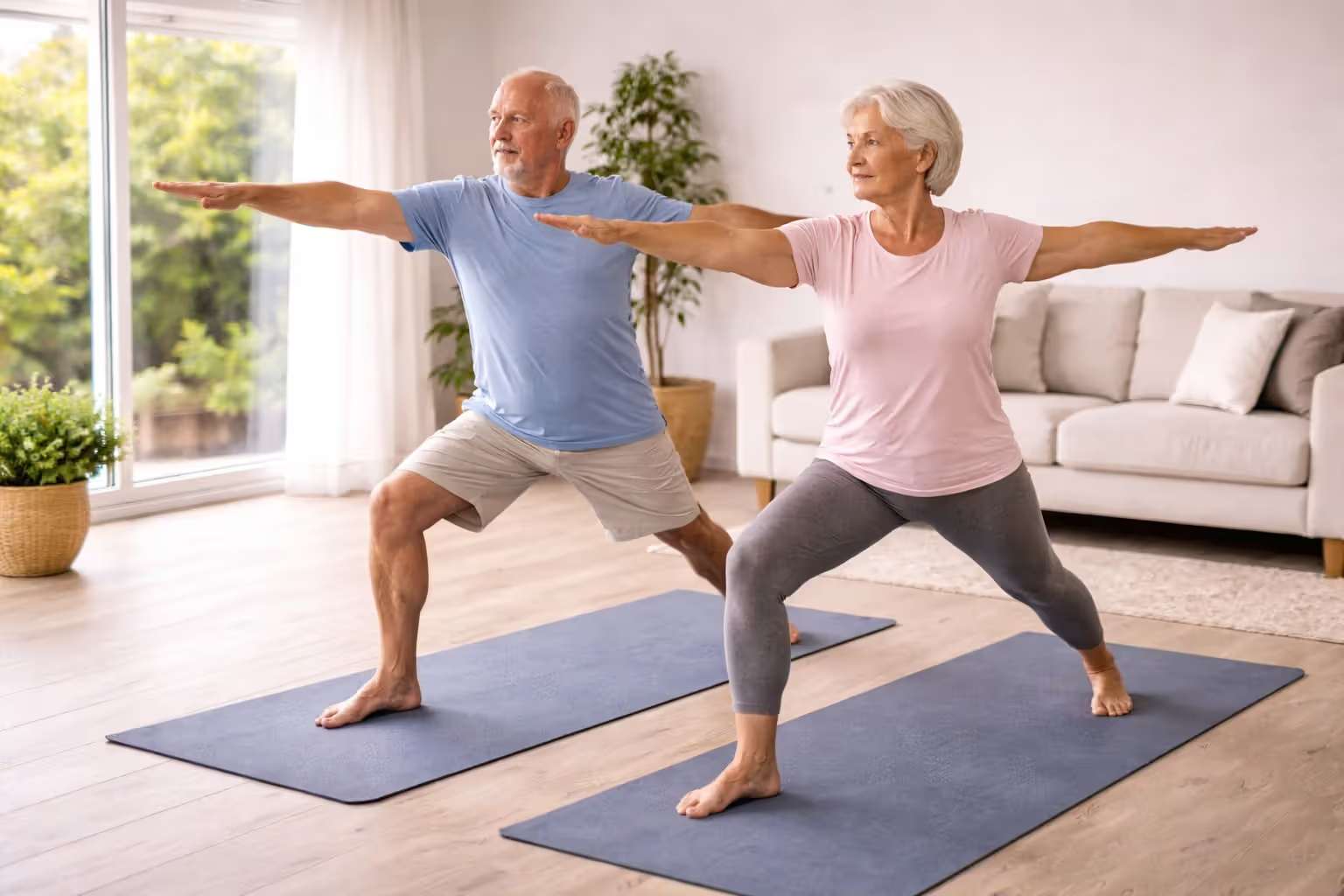
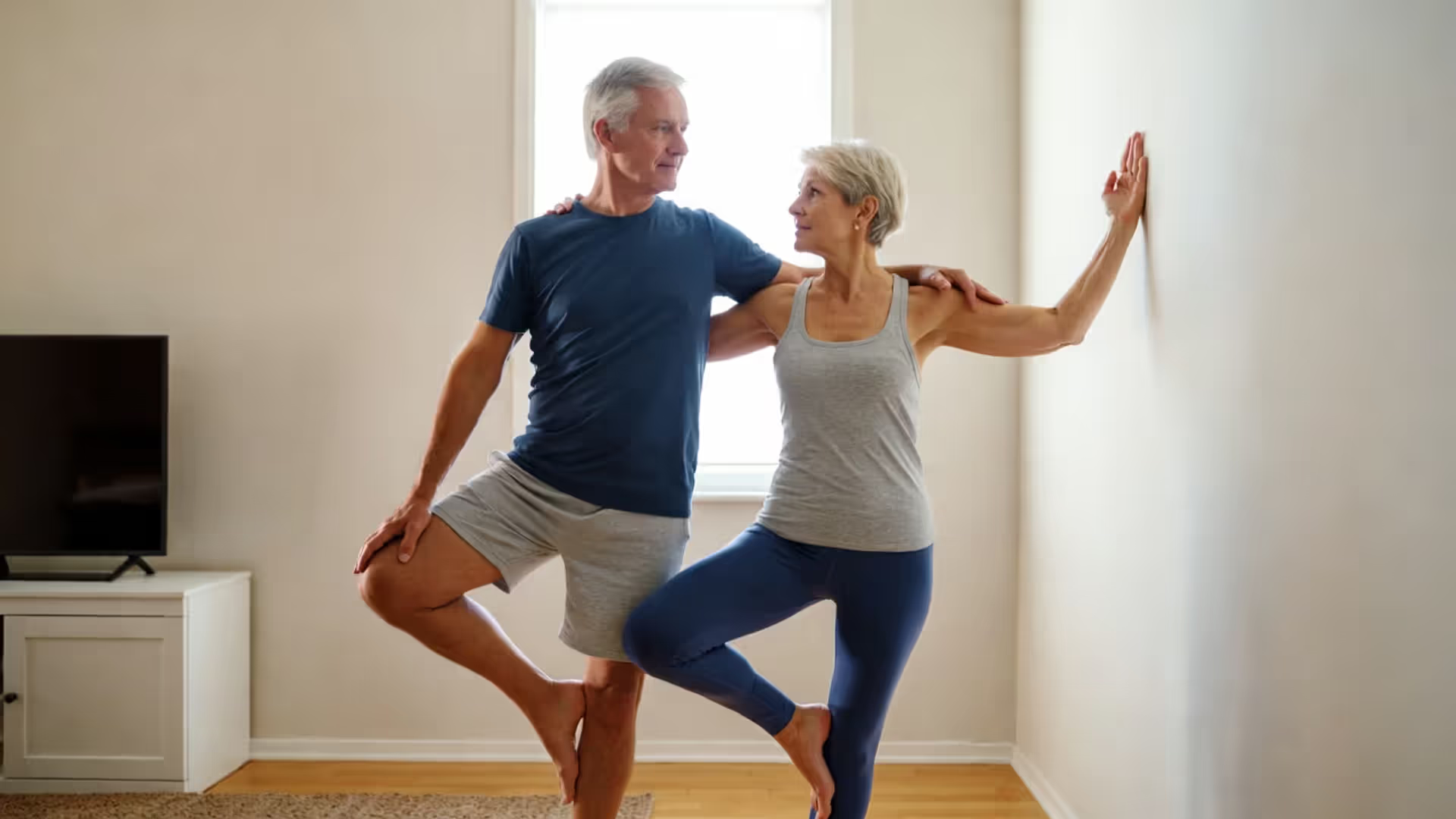
Yoga’s Role in Improving Balance, Flexibility, and Strength. One of the key benefits of yoga for seniors is its ability to improve balance, flexibility, and strength. These are critical areas of concern as people age, as they directly impact mobility and the risk of falls. Yoga poses like the Tree Pose or Warriors eries help enhance balance and stability, while stretches and poses that focus on different muscle groups improve flexibility and overall strength. Regular yoga practice can lead to better muscle tone, improved posture, and enhanced coordination, all of which are important for maintaining independence in later years. Research supports the effectiveness of yoga in enhancing these physical capabilities, which can significantly improve the quality of life for older adults.
Author: Jackson Wright;
Source: yogapennsylvania.com
Mental Health Benefits: Stress Reduction and a Sense of Community. Beyond the physical benefits, yoga offers profound mental health advantages, particularly in stress reduction and fostering a sense of community. The meditative aspects of yoga, including controlled breathing and mindfulness, help reduce stress and promote mental clarity. These practices encourage relaxation and can significantly lower levels of the stress hormone cortisol. Furthermore, attending regular yoga classes can provide seniors with valuable social interactions, creating a community of like-minded individuals who share similar goals and interests. This social aspect of yoga can be especially beneficial for seniors, helping combat loneliness and isolation, which are common issues in older age. Numerous studies have highlighted how these social interactions can boost mental health and contribute to a happier, more fulfilled life.
For those interested in exploring more about the benefits of yoga for mental health, resources such as the American Psychological Association provide extensive research and articles detailing how yoga influences psychological well-being.
Common Concerns and Safety Tips
Addressing Typical Fears and Concerns. Many seniors may be hesitant to start yoga due to concerns about injury risk or doubts about their fitness levels being adequate. It's important to address these fears by emphasizing that yoga is one of the most adaptable forms of exercise, suitable for all levels of fitness and physical capabilities. Beginners can start with basic poses and gradually progress as their flexibility and strength improve. Additionally, there are specialized classes designed for seniors that focus on gentle yoga, ensuring a safe environment for learning and practice. Instructors in these classes are typically trained to work with older adults and can offer modifications to accommodate specific health issues or physical limitations.
Safety Tips for Seniors Practicing Yoga. Safety is paramount, especially for seniors engaging in any new form of physical activity, including yoga. Here are some key safety tips for seniors:
- Start Slow: Begin with classes designed for beginners or specifically for seniors to ensure the poses are manageable.
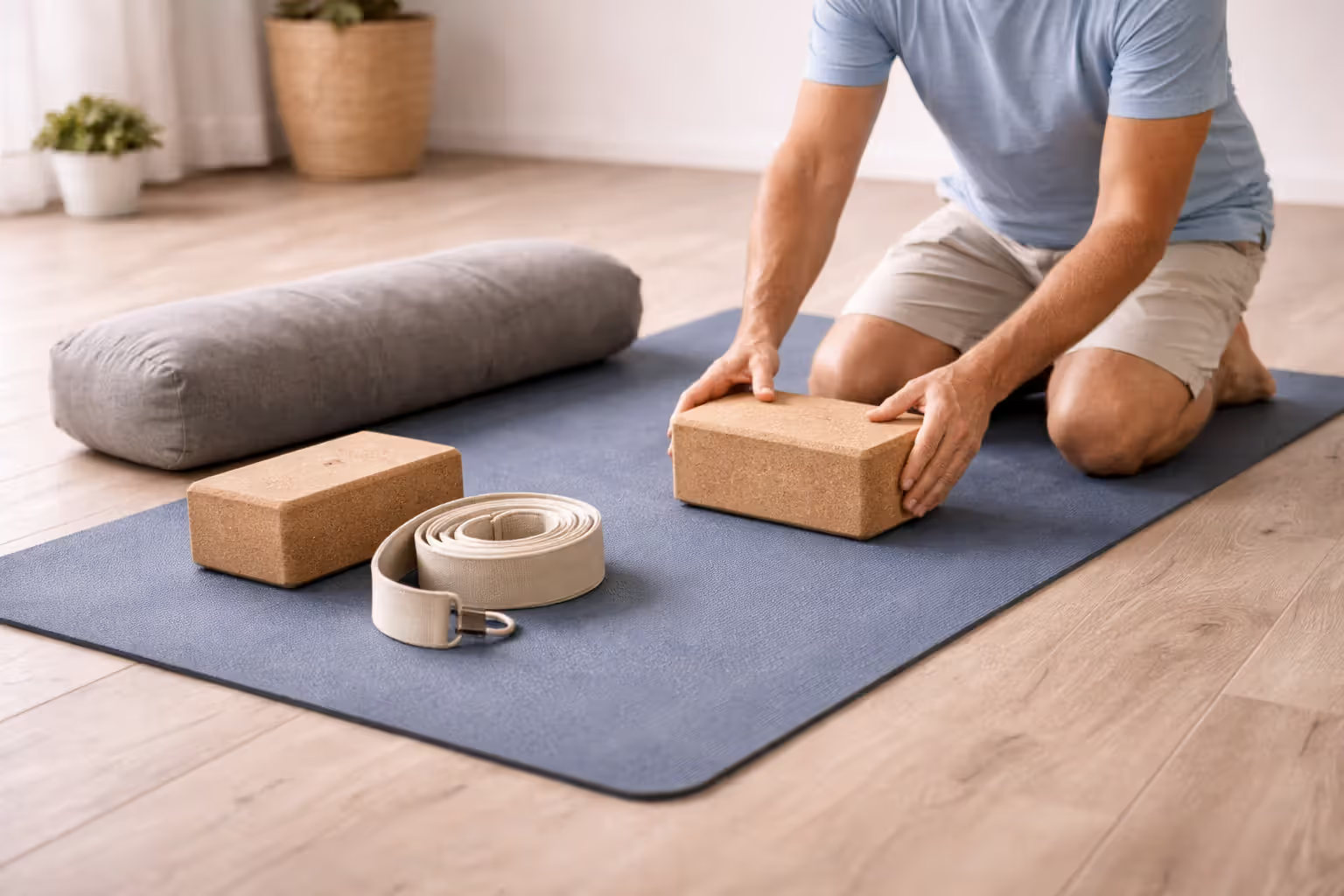
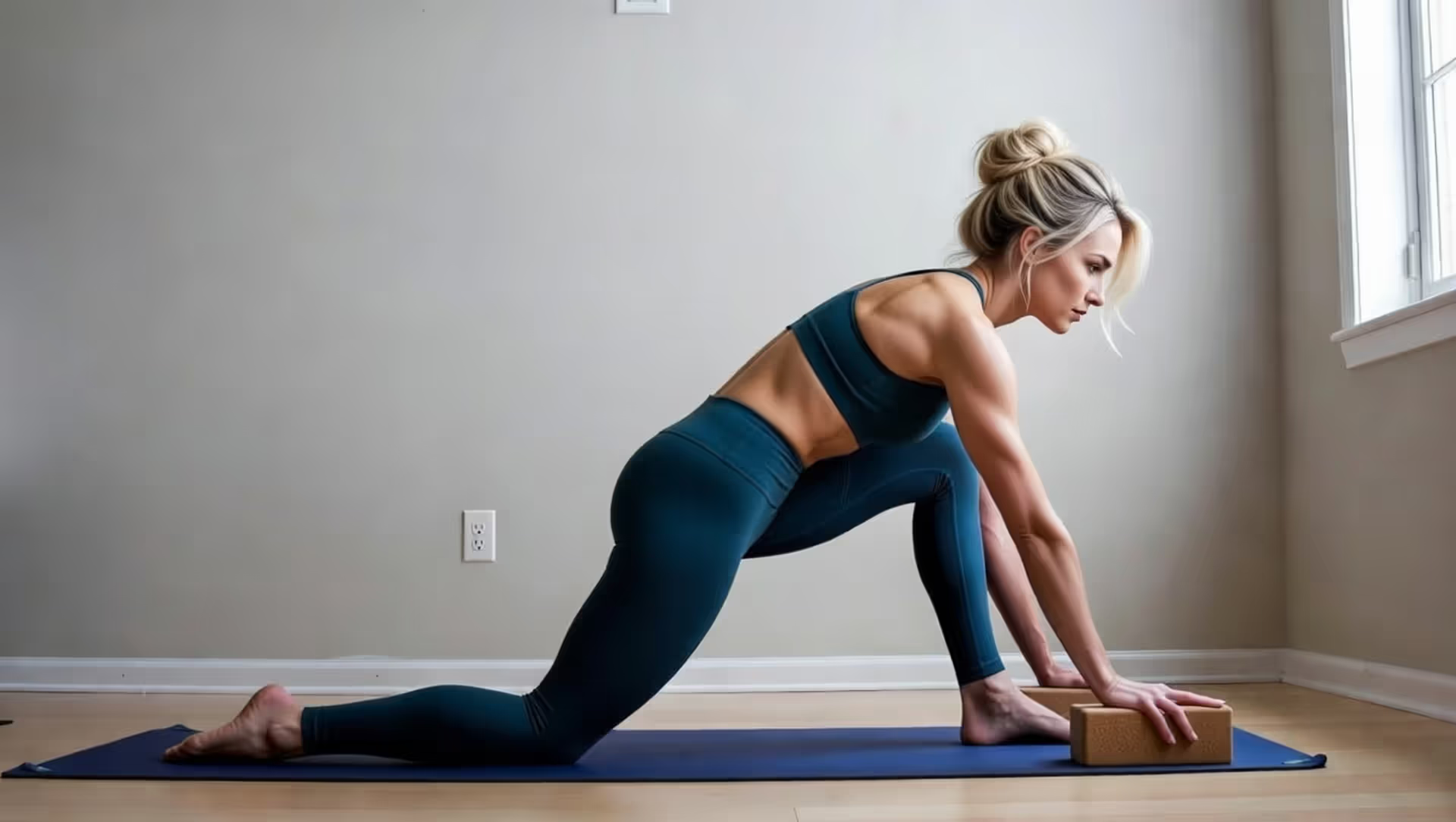
- Use Props: Utilize props such as blocks, straps, and cushions to help maintain balance and alignment and to make poses more accessible.
- Listen to Your Body: Avoid pushing too hard and respect your body’s limits. Yoga is not about competition; it’s about personal growth and well-being.
- Maintain a Comfortable Environment: Practice in a well-ventilated room with enough space and on a non-slip surface to prevent falls.
- Stay Hydrated: Drink plenty of water before and after sessions to stay hydrated, especially if practicing hot or more intense yoga styles.
Consulting Healthcare Providers Before Starting a New Exercise Regimen. It is crucial for seniors to consult with their healthcare providers before starting any new exercise program, including yoga. This step is particularly important for those with existing health conditions such as heart disease, high blood pressure, or musculoskeletal issues. A healthcare provider can offer guidance on any precautions to take and suggest the most suitable types of yoga. They may also recommend attending sessions tailored to any specific medical concerns or limitations. Consulting a doctor ensures that the chosen form of exercise contributes positively to the individual’s overall health without exacerbating any existing conditions. For more detailed guidance, the National Institute on Aging provides resources and tips on how seniors can safely engage in physical activities like yoga, ensuring they benefit maximally while minimizing risks.
Types of Yoga Suitable for Seniors
Yoga can be safely and effectively adapted for older adults, offering physical, mental, and emotional benefits without placing excessive strain on the body. For seniors, the focus of yoga practice is typically on gentle movement, balance, flexibility, breathing, and relaxation rather than intensity or athletic performance. Choosing the right style of yoga is essential to ensure safety, comfort, and long-term enjoyment of the practice.
Several yoga styles are particularly well-suited for seniors, as they emphasize controlled movements, proper alignment, and supportive modifications.
Hatha Yoga is one of the most accessible and widely practiced yoga styles for seniors. It is characterized by a slow pace, simple sequences, and an emphasis on holding poses for a short duration while focusing on breathing. Movements are deliberate and mindful, allowing practitioners to fully understand each posture and transition safely between poses.
For seniors, Hatha Yoga helps improve flexibility, maintain joint mobility, and gently strengthen muscles without overstressing the body. The focus on breath awareness promotes relaxation, reduces stress, and supports mental clarity. Because of its calm and steady nature, Hatha Yoga is an excellent starting point for older adults who are new to yoga or returning to physical activity after a long break.
Iyengar Yoga places a strong emphasis on precise alignment and careful execution of postures. This style is especially beneficial for seniors because it prioritizes safety, stability, and body awareness. A key feature of Iyengar Yoga is the use of props such as blocks, straps, bolsters, chairs, and walls, which help practitioners achieve correct alignment without unnecessary strain.
For older adults, Iyengar Yoga can improve muscular strength, posture, and joint stability—important factors in preventing falls and maintaining independence. The methodical approach allows seniors to hold poses longer with proper support, enhancing both strength and confidence. This style is particularly suitable for individuals with joint issues, limited mobility, or chronic conditions who need a highly structured and adaptable practice.
Chair Yoga is specifically designed for individuals who have difficulty standing for extended periods, balancing, or transitioning to and from the floor. In this style, traditional yoga poses are modified so they can be performed while seated on a chair or using the chair for support during standing poses.
Chair Yoga allows seniors to experience the benefits of yoga in a safe and accessible way. It helps improve flexibility, muscle tone, circulation, and breathing capacity while significantly reducing stress on the joints. This practice is ideal for individuals with mobility limitations, arthritis, fatigue, or balance concerns, making yoga accessible even to those with very limited physical abilities.
| Yoga Style | Best For | Key Features |
| Hatha Yoga | Beginners, those new to yoga | Slow pace, simple sequences, focus on breathing and relaxation |
| Iyengar Yoga | Those needing precise alignment, joint issues | Uses props (blocks, straps, chairs), emphasizes stability and posture |
| Chair Yoga | Limited mobility, balance concerns, arthritis | Poses performed seated or with chair support, very low injury risk |
Benefits of Each Yoga Style for Seniors
Hatha Yoga supports overall flexibility, relaxation, and mental focus. Its gentle movements help maintain joint health and reduce stiffness, while controlled breathing promotes calmness and stress relief.
Iyengar Yoga strengthens muscles and improves alignment, which is essential for joint protection and balance. The extensive use of props allows seniors to practice safely while gradually building strength and confidence.
Chair Yoga enhances mobility, circulation, and muscle engagement without placing pressure on the knees, hips, or spine. It also supports mental clarity and emotional well-being, making it especially beneficial for managing chronic conditions such as arthritis, high blood pressure, and stress-related issues.
Spotlight on Chair Yoga as an Accessible Option
Chair Yoga stands out as one of the most inclusive forms of yoga for seniors. It is particularly well-suited for those who are concerned about falling, experience chronic pain, or have limited stamina. Practicing yoga from a seated position or with the support of a chair allows participants to focus on gentle movement, breathing, and mindfulness without fear or discomfort.
Beyond physical benefits, Chair Yoga offers improved balance, better body awareness, and reduced stress levels. It also provides an important social component when practiced in group settings, helping combat isolation and support emotional health. Classes can be easily adapted to meet individual needs, making Chair Yoga one of the most versatile and effective yoga options for older adults.
Seniors interested in exploring Chair Yoga can look for certified instructors with experience teaching older populations. Organizations such as Yoga Alliance list qualified teachers who specialize in senior and adaptive yoga, ensuring that classes are safe, supportive, and tailored to the unique needs of aging bodies.
— Jackson Wright
Getting Started with Yoga
What to Look for in a Senior-Friendly Yoga Class. When choosing a yoga class that is suitable for seniors, there are several key factors to consider:
Essential Questions to Ask When Joining a Yoga Studio or Class. To ensure a yoga class meets your needs, consider asking the following questions:
- “What experience does the instructor have with teaching seniors or individuals with mobility issues?”
- “Can the class be modified to accommodate specific health issues such as arthritis, osteoporosis, or balance problems?”
- “What is the typical class size, and how much individualized attention can I expect?”
- “Are there any preparatory sessions for beginners to learn the basics before joining a regular class?”
- "What equipment is provided, and what will I need to bring?"
Asking these questions can help you find a class that is not only safe but also beneficial and enjoyable.
Importance of Qualified Instructors Familiar with Senior Needs. The qualifications and experience of the yoga instructor are crucial, especially when dealing with older adults who may have specific health concerns and physical limitations. Instructors trained in senior yoga or therapeutic yoga are aware of the common issues faced by seniors and are skilled in making appropriate adjustments and modifications. Qualified instructors understand the importance of pacing and can recognize the signs of strain or discomfort among their students. They are also knowledgeable about safety protocols to prevent injuries and can provide immediate modifications to poses to accommodate sudden health issues during a class. Furthermore, experienced instructors can significantly enhance the effectiveness of yoga practice by integrating mindfulness and relaxation techniques specifically suited for seniors, aiding in mental as well as physical health.
To ensure you are getting the best possible instruction, check if the instructors are certified through recognized yoga institutions such as the Yoga Alliance and have additional training in age-specific yoga teaching methods.
Selecting the right yoga class with a qualified instructor can make a significant difference in your yoga journey, ensuring safety, enjoyment, and the maximum health benefits of your practice.
Equipment and Tools for Senior Yoga Practitioners
Recommended Yoga Accessories. For seniors starting yoga, having the right accessories can enhance both safety and effectiveness. Key items include:
- Yoga Mats: A good yoga mat provides cushioning and reduces impact on the joints, which is essential for seniors. Mats with a non-slip surface also prevent sliding and help maintain stability during poses.
- Yoga Blocks: These are helpful for those who may not feel flexible enough to complete certain poses. Blocks can be used to support the body in a variety of positions, making poses more accessible and comfortable.
- Yoga Straps: Straps ar e useful for extending the reach and maintaining poses longer without straining. This tool is especially beneficial for improving flexibility gradually and safely.
How These Tools Aid in Performing Yoga Safely and Effectively. The right tools can significantly improve the yoga experience for seniors, ensuring that they feel supported and stable during their practice. Here’s how each tool helps:
Yoga Mats: These mats are crucial for group classes where safety and personal space are important. A thick, grippy mat ensures that seniors can perform poses without fear of slipping, which is vital for maintaining confidence and focus during the session.
Yoga Blocks: Blocks bring the ground closer to the practitioner, which is particularly useful for those who struggle with bending or reaching the floor. By providing a firm and stable support, blocks help seniors feel secure during the practice, enabling them to engage fully with the group without feeling left behind due to flexibility limitations.
Yoga Straps: Straps assist in achieving deeper stretches without compromising form or safety. They allow seniors to experience the full benefits of poses that might otherwise be out of reach, helping them to feel a sense of progression and achievement as part of the group.
Together, these tools not only enhance the physical aspects of yoga but also boost the social experience by enabling seniors to participate more fully and comfortably in group settings. The use of props helps foster a community feel, as everyone in the class can engage in variations of the poses tailored to their individual needs, ensuring no one feels excluded. These accessories are integral to performing yoga safely and effectively, allowing seniors to enjoy the benefits of yoga while minimizing the risk of injury.
Author: Jackson Wright;
Source: yogapennsylvania.com
Preparing for a Yoga Class: Tips and Best Practices
Physical Preparation
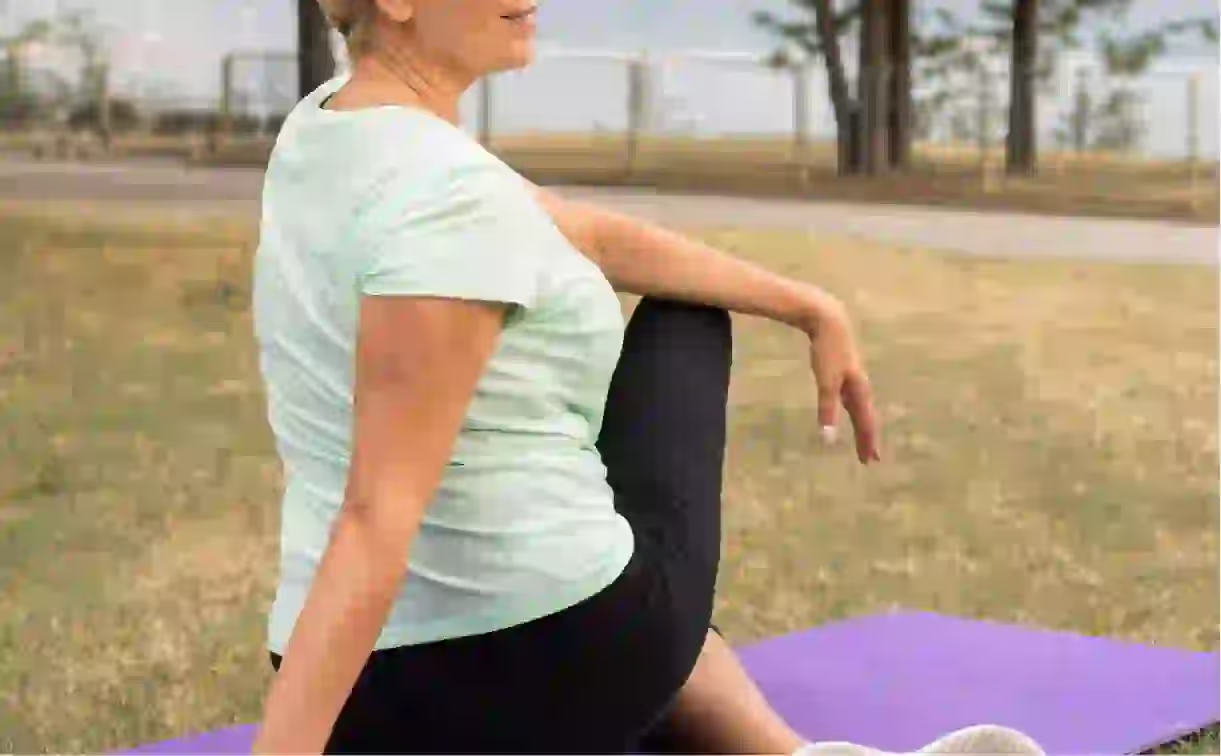
Attire. Comfort is key when choosing what to wear to a yoga class. Opt for lightweight, breathable clothing that allows for a full range of motion. Stretchable fabrics that fit well but are not too tight are ideal, as they do not restrict movements during various poses. It's also advisable to wear layers that can be easily added or removed based on body temperature changes during and after the class.
Hydration. Staying hydrated is crucial, especially for seniors. Drink water before and after the class to keep the body well-hydrated. Bringing a water bottle to the class is also a good practice, allowing for small sips between poses as needed.
Meals. It's best to eat a light meal a few hours before the class to avoid discomfort while practicing. Meals should be nutritious but not too heavy, focusing on vegetables, fruits, and proteins that are easy to digest. Avoiding large meals or foods that can cause bloating and discomfort during yoga is essential.
Mental Preparation
Author: Jackson Wright;
Source: yogapennsylvania.com
Setting Intentions. Before starting the class, take a few moments to set a personal intention for the yoga session. This could be a goal to stay focused throughout the practice, to maintain mindfulness of breathing, or simply to enjoy the experience. Setting intentions can help create a more purposeful and fulfilling practice.
Mindfulness. Yoga is as much a mental practice as it is physical. Begin the class with a mindset of openness and non-judgment. Engaging in mindfulness means being present in the moment and aware of your body's movements and sensations during the poses. This practice can significantly enhance the mental health benefits of yoga.
What to Expect in Your First Few Sessions. During your first few yoga sessions, expect to learn the basic poses and breathing techniques. Instructors typically guide new students through the fundamentals, ensuring everyone is comfortable with the movements and understands the flow of the class. It's normal to feel unsure about some poses or sequences, but remember that yoga is a personal journey and progresses with practice. It is also common for instructors to offer individual guidance to beginners during the class, helping them adjust poses to better suit their flexibility and strength levels. Be open to receiving feedback and ask questions whenever you're uncertain about a pose or technique.
Most importantly, expect to feel a range of emotions as you start your yoga journey. Many find yoga to be a deeply emotional experience that releases stress and tension that they might not have been aware they were holding. Embrace these feelings, and allow yourself the space to experience the full benefits of yoga, both physically and mentally.
Author: Jackson Wright;
Source: yogapennsylvania.com
Yoga for Healthy Aging and Independence
One of the greatest concerns for many older adults is maintaining independence and quality of life as they age. Beyond fitness or flexibility, yoga offers something especially valuable for seniors: the ability to support healthy aging in a way that strengthens both the body and the sense of self-reliance. Regular yoga practice helps seniors remain active, confident, and capable in their daily lives, reducing dependence on others and supporting long-term wellbeing.
A key aspect of healthy aging is preserving functional movement—the ability to stand up from a chair, walk steadily, reach overhead, and maintain balance while performing everyday tasks. Yoga directly supports these abilities through controlled movements, gentle strength-building, and balance-focused postures. Over time, these improvements translate into greater ease with daily activities such as climbing stairs, carrying groceries, or getting in and out of bed.
Yoga also plays an important role in fall prevention, which is a major health concern among older adults. By improving balance, coordination, and body awareness, yoga helps seniors develop better stability and reaction time. Practices that emphasize slow transitions, standing poses with support, and mindful movement strengthen the muscles responsible for balance while increasing confidence in movement. This combination of physical readiness and mental assurance can significantly reduce fear of falling—a fear that often limits activity and leads to further physical decline.
Equally important is yoga’s impact on posture and breathing. As people age, posture can deteriorate due to muscle weakness, stiffness, or prolonged sitting. Yoga encourages upright posture, spinal mobility, and chest opening, which improves breathing capacity and circulation. Better posture not only reduces pain and tension but also enhances energy levels and supports cardiovascular health, contributing to a more active and engaged lifestyle.
Beyond the physical benefits, yoga nurtures a sense of autonomy and emotional resilience. Practicing yoga empowers seniors to take an active role in their health rather than viewing aging as a process of decline. The mindfulness cultivated through yoga helps individuals develop greater patience, self-compassion, and acceptance of natural changes in the body. This mental shift is essential for healthy aging, as it promotes confidence, emotional balance, and a positive outlook on life.
In many cases, yoga becomes more than an exercise—it becomes a tool for maintaining independence, dignity, and purpose. By supporting mobility, balance, mental clarity, and emotional wellbeing, yoga helps seniors not only live longer but live better, staying engaged in their daily lives and connected to their communities.
Related Stories
Read more
Read more

The content on yogapennsylvania.com is provided for general informational and inspirational purposes only. It is intended to share yoga tips, meditation practices, wellness guidance, retreat experiences, and lifestyle insights, and should not be considered medical, therapeutic, fitness, or professional health advice.
All information, articles, images, and wellness-related materials presented on this website are for general informational purposes only. Individual health conditions, physical abilities, wellness goals, and experiences may vary, and results can differ from person to person.
Yogapennsylvania.com makes no representations or warranties regarding the accuracy, completeness, or reliability of the content provided and is not responsible for any errors or omissions, or for decisions or actions taken based on the information presented on this website. Readers are encouraged to consult qualified healthcare or wellness professionals before beginning any new yoga, meditation, or fitness practice.