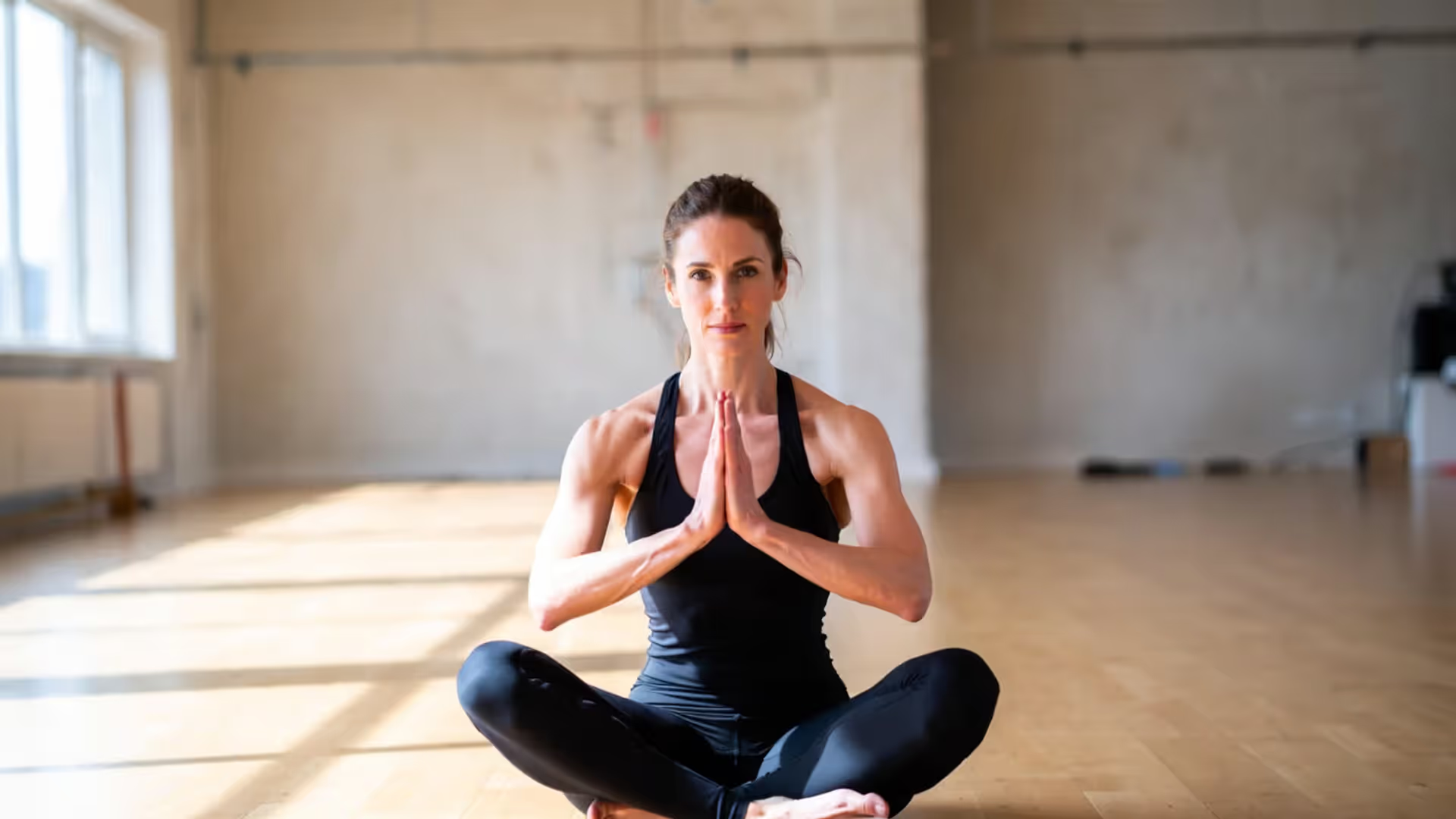
The Global Popularity of Yoga. Yoga, originating over 5,000 years ago in India, has become a worldwide phenomenon, celebrated for its holistic benefits on mental and physical health. As yoga has spread globally, it has been embraced by millions, evidenced by its integration into health and wellness cultures across various societies. For more on the history and spread of yoga, see Yoga Journal.
Yoga and Weight Loss. Recent research supports yoga's effectiveness in aiding weight loss. It offers a combination of physical exercises and mental practices that reduce stress and enhance overall body functions such as metabolism and cardiovascular health. These factors play significant roles in weight management. For an in-depth look at studies on yoga and weight management, visit Healthline.
This article will explore how yoga can be effectively integrated into weight loss programs. We will cover: Various yoga styles that are most effective for weight loss. Specific yoga poses targeted at calorie burning and muscle strengthening. Tips for incorporating yoga into daily routines for sustained weight loss. The psychological benefits of yoga that aid long-term weight management. Personal success stories and testimonials from those who have transformed their bodies and lifestyles through yoga. To read more about real-life success stories, check out Yoga Magazine.
This introduction aims to provide readers with a structured guide on what to expect throughout the article, combining insightful research and practical advice to showcase yoga as a viable tool for weight loss.
Understanding Yoga Definition and History of Yoga
Yoga is a physical, mental, and spiritual practice that originated in ancient India, believed to be over 5,000 years old. The term "yoga" derives from the Sanskrit root "yuj," meaning to join or to unite, symbolizing the union of body and consciousness. Historically, yoga was more than just a method of teaching; it was a way of life, encompassing meditation, ethical disciplines, physical postures, breathing control, and more. Over centuries, it has evolved into various forms and has spread globally, influencing millions of people. For more historical insights, visit Yoga Basics.
Different Types of Yoga
Yoga is not a single, uniform practice. Over time, it has evolved into many different styles, each offering a distinct approach to movement, breath, and awareness. Understanding the differences between yoga styles is especially important for future teachers, as it helps them choose a specialization and better meet the needs of diverse students. Each style varies in intensity, pace, and focus, making yoga accessible to people of all ages, fitness levels, and personal goals.
Hatha Yoga is often considered one of the most traditional and beginner-friendly styles of yoga. It focuses on fundamental postures, basic breathing techniques, and slower transitions between poses. Classes typically move at a calm and steady pace, allowing students to hold postures for longer periods and develop body awareness. Because of its gentle nature, Hatha Yoga is ideal for beginners, older adults, or anyone seeking a more mindful and relaxed practice that emphasizes balance, flexibility, and foundational strength.
Vinyasa Yoga is known for its dynamic, flowing sequences that link movement with breath. Unlike more structured styles, Vinyasa classes often vary from session to session, giving teachers creative freedom in designing sequences. The practice emphasizes smooth transitions, continuous movement, and rhythm, often creating a meditative, dance-like experience. Vinyasa can range from moderate to highly intense, making it suitable for students who enjoy an active, energizing practice that builds strength, flexibility, and cardiovascular endurance.
Ashtanga Yoga is a highly disciplined and physically demanding style that follows a fixed sequence of postures. The practice is traditionally taught in a progressive manner, meaning students must master each pose before moving on to the next. Ashtanga emphasizes strength, flexibility, stamina, and mental focus, often attracting practitioners who enjoy structure, routine, and physical challenge. Due to its intensity, it is best suited for experienced practitioners or those seeking a rigorous and transformative yoga practice.
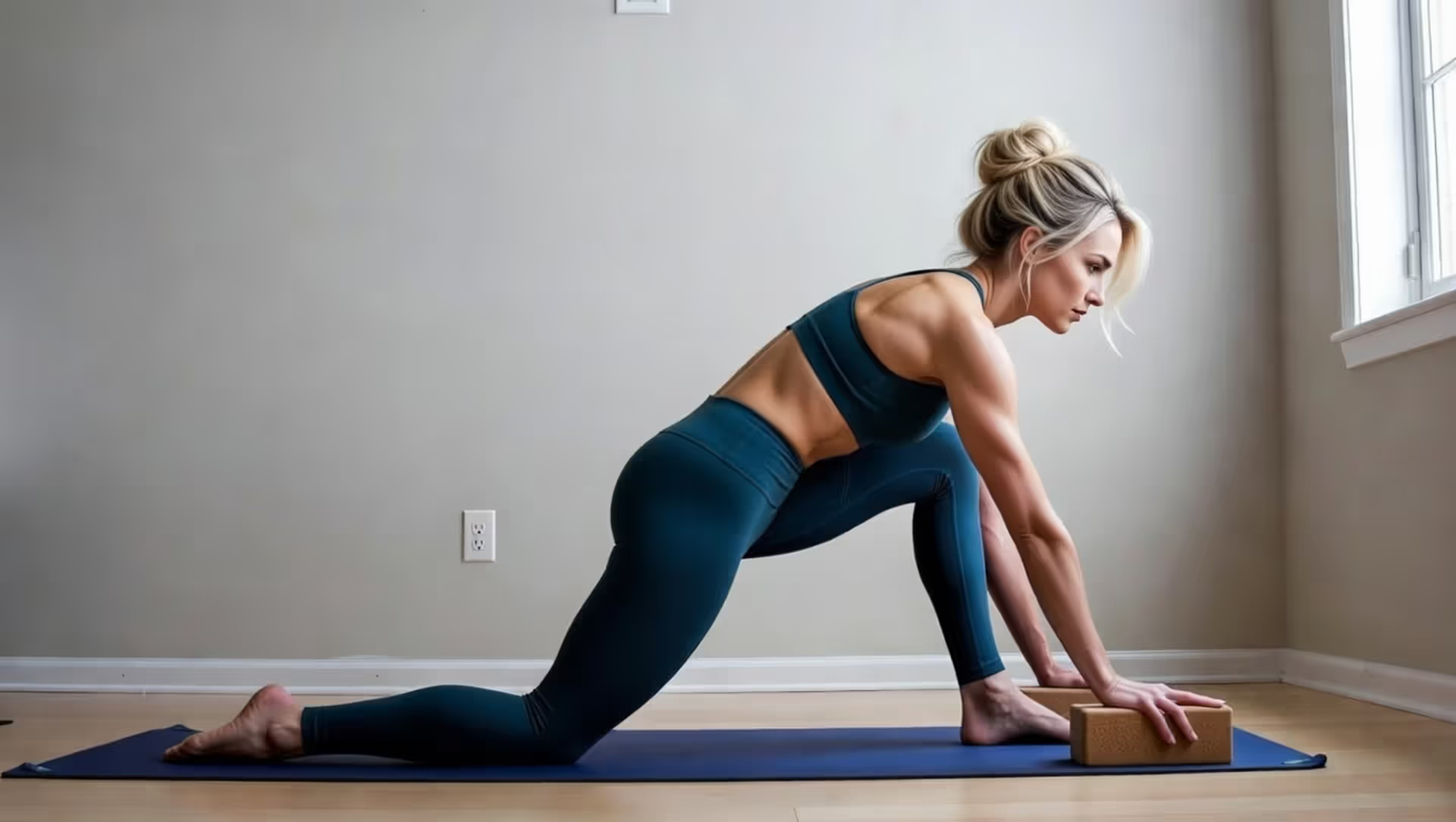
Iyengar Yoga places strong emphasis on precise alignment, detailed instruction, and mindful execution of postures. Practitioners use props such as blocks, straps, bolsters, and chairs to support proper alignment and hold poses safely for extended periods. This style is especially beneficial for individuals recovering from injuries, dealing with chronic conditions, or looking to deepen their understanding of posture mechanics. Iyengar Yoga encourages patience, awareness, and precision, making it a highly therapeutic and educational form of practice.
Bikram Yoga consists of a standardized sequence of 26 postures and two breathing exercises practiced in a heated room, typically set to a high temperature and humidity. The heat is intended to increase flexibility, promote detoxification through sweating, and challenge physical endurance. This style demands mental focus and resilience, as the intensity of the environment pushes practitioners beyond their comfort zones. Bikram Yoga appeals to those who enjoy structured routines and intense, sweat-inducing workouts.
Other Yoga Styles. In addition to the major styles above, there are many other forms of yoga that serve specific purposes. Kundalini Yoga focuses on awakening energy through breathwork, chanting, and repetitive movements. Yin Yoga is a slow, passive practice that targets deep connective tissues and encourages stillness and introspection. Restorative Yoga uses props to fully support the body, promoting deep relaxation and stress relief. Each of these styles offers unique benefits and addresses different physical, emotional, and spiritual needs.
How Yoga Differs from Other Forms of Exercise. Unlike many other forms of exercise, yoga focuses not just on physical fitness but also on mental and spiritual well-being. It generally involves a slower pace, though this can vary significantly between the different styles. Yoga emphasizes mindfulness, the connection of breath and movement, and the cultivation of balance between strength and flexibility. While other fitness regimes might focus on quick physical results or competition, yoga promotes long-term wellness, holistic health, and self-awareness, making it a unique and integral practice for many. For a comparison of yoga and other exercise forms, see MindBodyGreen. These secti ons provide a foundational understanding of what yoga is, its various forms, and how it distinguishes itself from other physical activities, helping to set the stage for deeper exploration into its application for weight loss and overall health improvement.
How Yoga Aids in Weight Loss
Physical Aspects of Yoga That Help in Weight Loss. Yoga, with its variety of postures and flows, physically benefits the body in numerous ways that contribute to weight loss. Engaging in yoga poses, or asanas, helps to increase muscle strength, endurance, and flexibility. This physical engagement requires energy, thus burning calories. Additionally, many yoga styles, such as Vinyasa and Ashtanga, are particularly dynamic and can significantly increase heart rate, contributing to even greater calorie burn. Yoga also enhances muscular symmetry and balance, improving posture and overall body function which can aid in more efficient and injury-free movement outside of yoga sessions. For more on how yoga influences physical health, you can explore resources like Yoga Journal.
Metabolic Changes and Calorie Burn. Yoga's impact on weight loss is also metabolic. Regular yoga practice can contribute to an enhanced metabolic rate. Certain yoga poses and breathing techniques, especially those in more active styles, are known to stimulate the thyroid gland, which boosts metabolism. This enhanced metabolic rate can lead to more calories being burned throughout the day, not just during the yoga session itself. Additionally, the heat generated in styles like Bikram or hot yoga can increase calorie expenditure. Research on this topic can be further explored at health publications such as Healthline.
Psychological Benefits That Help in Maintaining a Healthy Lifestyle. Beyond the physical, yoga offers profound psychological benefits that are key in sustaining weight loss and a healthy lifestyle. The practice of yoga encourages mindfulness, which enhances emotional resilience and reduces stress—an important factor in weight management. Stress is often linked with emotional eating and weight gain; thus, managing stress through yoga can reduce these tendencies. Yoga also improves awareness of the body’s needs and signals, which can lead to better food choices and portion control. The focus on present-moment awareness helps practitioners develop a mindful approach to eating and health. Information on yoga's psychological benefits can be read in more depth at sites like Psychology Today.
Each of these elements—physical, metabolic, and psychological—work synergistically in yoga to promote weight loss and foster a healthier, more balanced lifestyle.
— Ava Mitchell
Key Yoga Poses for Weight Loss
Yoga can support weight loss in a balanced and sustainable way when practiced consistently. Certain poses and sequences engage multiple muscle groups at once, increase heart rate, and stimulate metabolism while also improving flexibility, posture, and body awareness. Unlike high-impact workouts, yoga promotes fat loss without excessive strain on the joints, making it accessible to a wide range of practitioners.
Below are some of the most effective yoga poses for weight loss, along with guidance on how to perform them safely and correctly.
Author: Ava Mitchell;
Source: yogapennsylvania.com
Surya Namaskar (Sun Salutation)
Surya Namaskar is one of the most powerful yoga practices for weight loss because it combines movement, breath, strength, and flexibility into a continuous flow. This dynamic sequence works the entire body, activates the cardiovascular system, and helps burn calories efficiently.
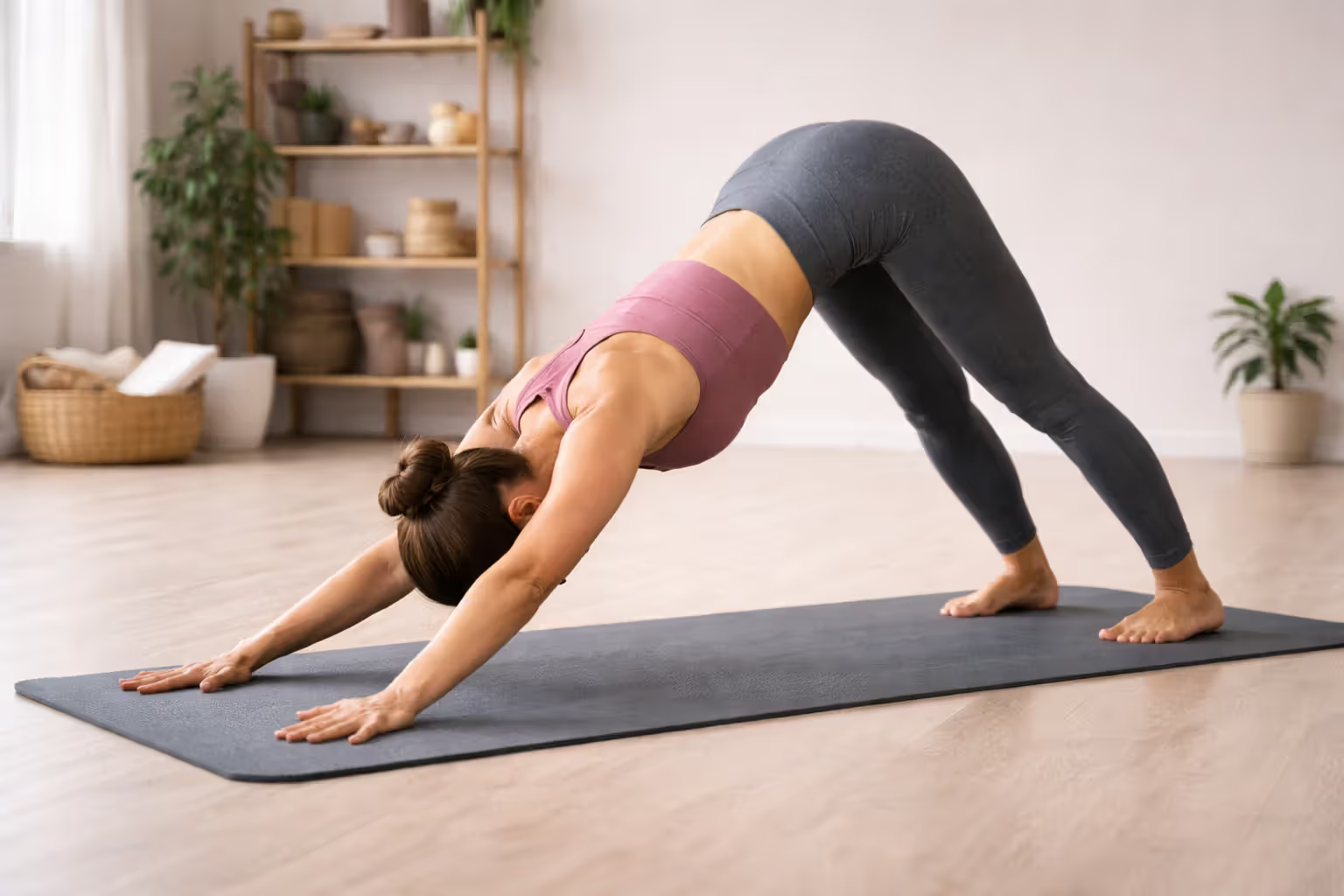
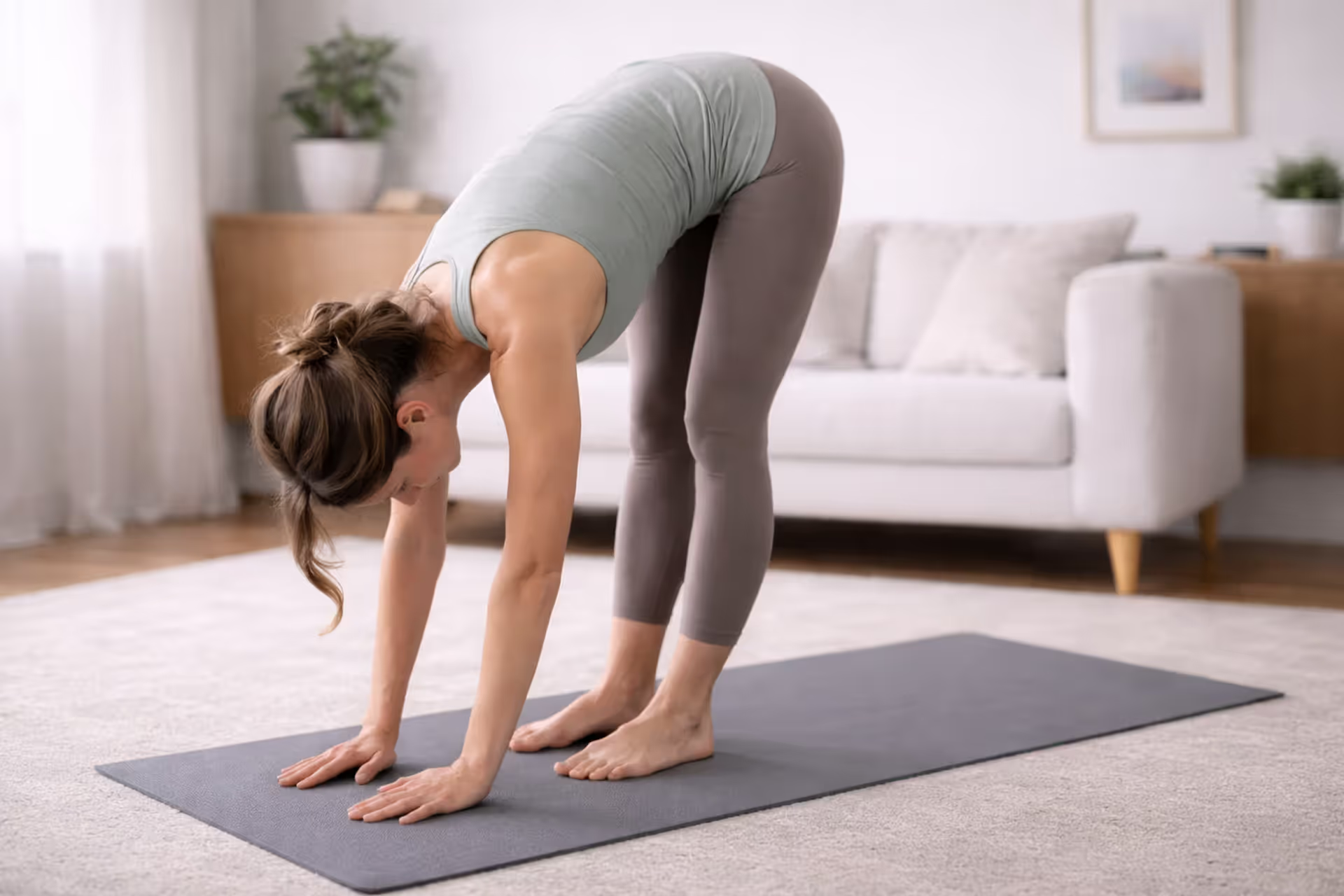
To perform Sun Salutation, begin standing in Mountain Pose with your feet together and arms by your sides. Inhale as you raise your arms overhead and gently arch back. Exhale as you fold forward from the hips, bringing your hands toward the floor. Inhale and step or jump back into a plank position, then exhale and lower into Chaturanga. Inhale into Upward-Facing Dog, opening the chest, and exhale into Downward-Facing Dog, lifting the hips and forming an inverted V shape. Hold for several breaths, then step or jump forward, lift to a flat back, fold again, and rise back to standing.
This sequence improves circulation, strengthens muscles, enhances digestion, and increases flexibility. Beginners should move slowly and mindfully, especially if they have back or joint issues, and avoid rushing through the transitions.
Chaturanga Dandasana (Four-Limbed Staff Pose)
Chaturanga is a strength-building pose that plays a key role in many dynamic yoga styles. It engages the arms, shoulders, chest, core, and legs, making it effective for toning the upper body and increasing overall muscle mass.
From Plank Pose, bend your elbows close to your ribs and lower your body until it is parallel to the floor. Keep your core engaged and your body in one straight line. Hold briefly before transitioning to the next pose.
Chaturanga helps build strength and endurance, which supports long-term weight loss by boosting metabolism. It is important not to lower too deeply or strain the shoulders; beginners can modify by dropping the knees to maintain proper alignment.
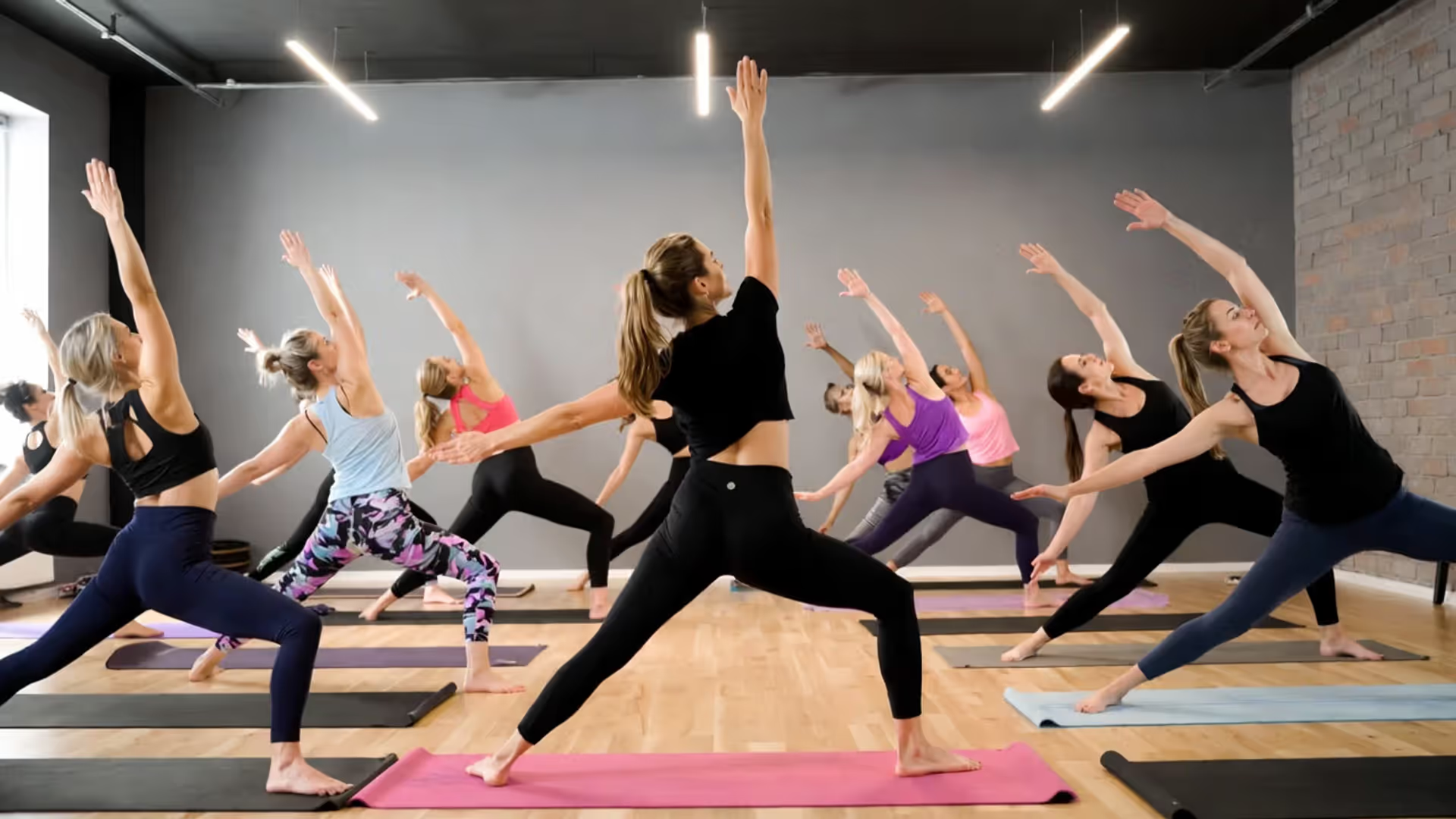
Virabhadrasana (Warrior Pose)
Warrior poses are excellent for strengthening the lower body and improving balance while also stimulating the metabolic system. These poses require sustained effort, which helps build muscle and burn calories.
To practice Warrior II, begin standing and step one foot back, turning it slightly outward. Bend the front knee so it aligns over the ankle, and extend your arms out to the sides at shoulder height. Gaze over the front hand and hold the pose for several breaths before switching sides.
Warrior Pose tones the legs, hips, arms, and lower back while enhancing stability and focus. Those with knee or shoulder issues should avoid overextending and adjust arm or leg positioning as needed.
Paripurna Navasana (Full Boat Pose)
Paripurna Navasana is a powerful core-strengthening pose that directly targets the abdominal muscles. A strong core improves posture, balance, and overall physical efficiency, all of which contribute to effective weight management.
To enter the pose, sit on the mat with your legs extended. Lean back slightly while keeping the spine straight, then lift both legs off the floor and extend them upward. Reach your arms forward parallel to the ground, forming a V shape with the body. Hold the pose while breathing steadily.
This pose strengthens the core and hip flexors and supports digestion. People with lower back discomfort can bend the knees or practice a gentler variation.
Ardha Navasana (Half Boat Pose)
Ardha Navasana is a slightly less intense version of Full Boat Pose but remains highly effective for strengthening the abdominal muscles. It is especially suitable for beginners or those building core strength gradually.
From a seated position, lean back with a straight spine, bend the knees, and lift the legs. Lower the torso slightly while keeping the chest open and the core engaged. Hold the pose while maintaining slow, controlled breathing.
Half Boat Pose builds endurance in the core muscles and supports fat loss by increasing muscular engagement. Practitioners should avoid rounding the spine and stop if they feel strain in the lower back.
Incorporating these yoga poses into a regular practice can significantly support weight loss by building lean muscle, increasing energy expenditure, and improving overall physical fitness. For best results, focus on proper alignment, mindful breathing, and consistency rather than intensity alone. When practiced with awareness and respect for the body, yoga becomes a powerful and sustainable tool for achieving and maintaining a healthy weight.
Integrating Yoga into Your Weight Loss Program
Tips on Starting a Yoga Routine for Beginners:
Choose the Right Style: Start with a yoga style that suits your current fitness level and weight loss goals. Hatha or Iyengar yoga can be good for beginners due to their slower pace and focus on alignment.
Set Realistic Goals: Begin with shorter sessions, maybe 15-20 minutes long, and gradually increase the duration as your stamina and flexibility improve.
Use Resources: Utilize online classes, apps, or local yoga studios to find beginner classes that provide step-by-step instructions. Make sure the instructor knows you are a beginner, so they can offer modifications and guidance.
Focus on Form, Not Perfection: Pay attention to your body and the proper form of each pose rather than trying to perform perfectly. This approach will help prevent injuries and make your practice more enjoyable.
Stay Consistent: Consistency is key. Try to practice yoga at least 3 times a week to see improvements and benefits in your weight loss journey.
Combine with a Healthy Diet: Yoga can be more effective when paired with a balanced diet. Mindfulness cultivated through yoga can help you make healthier food choices and be aware of eating habits.
Include Cardiovascular Exercises: While yoga improves flexibility and muscle tone, combining it with cardiovascular exercises like walking, running, or cycling can help accelerate weight loss by increasing overall calorie burn.
Strength Training: Incorporate strength training exercises a couple of days a week to build muscle mass, which can boost your metabolism and increase weight loss.
Scheduling and Frequency of Practice for Optimal Results:
Regular Practice: Aim for at least 3-5 yoga sessions per week. Regularity is crucial for weight loss and to gain other health benefits.
Best Time to Practice: While yoga can be practiced at any time, many find practicing in the morning helps set a positive tone for the day and boosts metabolism. Evening sessions can help unwind and manage stress.
Duration of Practice: Start with shorter sessions of 20-30 minutes and gradually increase to 60 minutes as you become more comfortable and your fitness improves.
By following these guidelines, you can effectively integrate yoga into your weight loss program, making use of its physical, mental, and spiritual benefits to achieve a healthier, more balanced lifestyle. Remember, the combination of consistent practice, a healthy diet, and complementary physical activities can significantly enhance your weight loss efforts and overall well-being.
Challenges and Considerations
Starting a yoga practice can be both exciting and challenging, especially for beginners. While yoga is adaptable and accessible, it still requires patience, consistency, and self-awareness. Understanding common challenges and knowing how to adapt the practice to individual needs can help practitioners avoid frustration, reduce the risk of injury, and build a sustainable, rewarding yoga journey.
Common Challenges Beginners Face When Starting Yoga
One of the most common challenges for beginners is feeling overwhelmed. With so many yoga styles, poses, and class formats available, it can be difficult to know where to begin. This sense of confusion may lead to unrealistic expectations or burnout. Starting with beginner-friendly classes and focusing on basic postures helps create a strong foundation and builds confidence over time.
Physical challenges are also very common, particularly in the areas of flexibility, balance, and strength. Many yoga poses require mobility and muscle engagement that beginners may not yet have. Tight muscles, shaky balance, or early fatigue are normal parts of the learning process. Progress in yoga is gradual, and consistent practice combined with patience allows the body to adapt naturally.
Another frequent obstacle is maintaining a regular practice. Busy schedules, low motivation, or lack of structure can make consistency difficult. However, even short, regular sessions are more beneficial than occasional long practices. Establishing a realistic routine helps create lasting habits and visible progress.
Self-judgment can also interfere with enjoyment and growth. Beginners often compare themselves to more experienced practitioners, which may lead to frustration or discouragement. It is important to remember that yoga is a personal journey focused on self-awareness and improvement, not performance or competition.
Adjusting Yoga Practice for Different Fitness Levels and Body Types
Yoga is inherently adaptable, and one of its strengths lies in its ability to meet practitioners where they are. Modifications play a key role in making poses accessible. Props such as blocks, straps, bolsters, and cushions can provide support, improve alignment, and reduce strain. Using props is not a sign of weakness but a tool for practicing safely and effectively.
Pace and intensity should also be adjusted according to individual fitness levels. Beginners often benefit from slower, more structured styles such as Hatha or Iyengar Yoga, which emphasize alignment and mindful movement. Those with higher fitness levels or previous yoga experience may prefer more dynamic practices like Vinyasa, Ashtanga, or Power Yoga. Choosing the right style ensures that the practice remains challenging yet sustainable.
Personalized instruction can be especially helpful for those with specific goals or physical limitations. Private lessons or small group classes allow instructors to tailor sequences, offer detailed feedback, and address individual needs. This personalized approach can accelerate learning and reduce the risk of injury.
When to Consult a Healthcare Provider or a Yoga Therapist
Certain situations require additional guidance before or during a yoga practice. Individuals with pre-existing health conditions, such as heart disease, high blood pressure, joint issues, or chronic back pain, should consult a healthcare provider before beginning yoga. Professional advice helps determine appropriate intensity levels and necessary modifications.
Pregnancy is another important consideration. Pregnant practitioners should seek guidance from a qualified instructor or healthcare professional to ensure that poses are safely adapted and that movements placing pressure on the abdomen or lower back are avoided.
Those recovering from injuries should also proceed with caution. A healthcare provider or certified yoga therapist can help design a therapeutic practice that supports healing while preventing further strain. Yoga therapy focuses on rehabilitation, mobility, and controlled strengthening tailored to the individual’s recovery stage.
If persistent pain, discomfort, or a lack of progress occurs, consulting a professional can be highly beneficial. An experienced instructor, yoga therapist, or healthcare provider can assess alignment, technique, and practice structure, making necessary adjustments to ensure safety and continued development.
These challenges and considerations highlight the importance of approaching yoga with awareness and compassion. By acknowledging limitations, adapting practices, and seeking guidance when needed, practitioners can create a safe, enjoyable, and effective yoga experience. With patience and consistency, yoga becomes not just a physical practice, but a sustainable path toward long-term health and well-being.
Success Stories and Case Studies
While yoga is often associated with flexibility and relaxation, many people have also experienced significant and sustainable weight loss through consistent practice. Real-life success stories demonstrate that yoga can be a powerful tool not only for physical transformation but also for improving mental health, self-awareness, and overall quality of life. The following case studies highlight how different approaches to yoga can lead to meaningful and lasting results.
Author: Ava Mitchell;
Source: yogapennsylvania.com
Sarah’s Journey: From Struggle to Balance
Background: Sarah struggled with obesity and related health issues for most of her adult life. Years of dieting and intense workout programs left her feeling discouraged and disconnected from her body. Stress, emotional eating, and low energy levels made it difficult for her to maintain long-term lifestyle changes.
Approach: Sarah decided to try yoga as a low-impact alternative to traditional exercise. She began with gentle Hatha Yoga classes, focusing on basic postures, breathing techniques, and relaxation. As her strength and confidence improved, she gradually incorporated more dynamic styles such as Vinyasa Yoga. This progression allowed her to increase calorie burn while still maintaining a mindful and enjoyable practice.
Outcome: Over the course of one year, Sarah lost 50 pounds through regular yoga practice combined with improved body awareness and healthier daily habits. In addition to weight loss, she experienced increased flexibility, better posture, improved sleep, and a significant reduction in stress and anxiety. Yoga helped her develop a healthier relationship with her body, making her transformation sustainable rather than restrictive.
Quote: “Yoga didn’t just help me lose weight; it gave me a new way of living peacefully with my body.”
Mark’s Transformation: Reclaiming Health Through Discipline
Background: Mark led a sedentary lifestyle for many years, working long hours at a desk with little physical activity. He was eventually diagnosed with type 2 diabetes, which became a turning point in his health journey. Traditional gym workouts felt intimidating and difficult to maintain, leaving him searching for a structured but effective alternative.
Approach: Mark began attending Bikram Yoga classes, drawn to the fixed sequence and the heated environment. The intensity of the practice challenged him both physically and mentally, while the heat encouraged sweating and improved mobility. The consistent structure helped him stay committed and build discipline in his routine.
Outcome: Within six months, Mark lost 35 pounds and experienced noticeable improvements in his blood sugar levels. Regular yoga practice increased his strength, stamina, and insulin sensitivity, allowing him to better manage his diabetes. Under medical supervision, he was able to reduce his medication and gained renewed confidence in his ability to take control of his health.
Quote: “Yoga was challenging at first, but the heat and the postures worked wonders for my body and mind.”
— Ava Mitchell
These case studies highlight that yoga-based weight loss is not about quick fixes but about consistent, mindful practice tailored to individual needs. Whether through gentle or vigorous styles, yoga helps people build sustainable habits, reduce stress, and reconnect with their bodies. The physical benefits of weight loss are often accompanied by mental clarity, emotional balance, and a stronger sense of self-awareness—making yoga a holistic and effective approach to long-term health.
Interviews or Quotes from Yoga Instructors or Fitness Experts
1. Expert Opinion:
Name: Emily Tran, Certified Yoga Instructor
Expertise: Specializes in yoga for weight management and holistic health.
Quote: "Yoga addresses weight loss not only by burning calories but also by balancing hormones and improving mental health, which are crucial for a sustainable journey."
2. Fitness Professional Insights:
Name: Alex Johnson, Health and Fitness Coach
Expertise: Integrates yoga with other fitness regimes.
Quote: "Incorporating yoga into a broader fitness program can accelerate weight loss by enhancing flexibility and reducing injury risk, allowing for more intense exercise."
These success stories and expert insights illustrate the effectiveness of yoga not just as a tool for weight loss, but as a transformative practice that improves overall well-being. Through a consistent and mindful yoga practice, individuals can achieve significant health benefits, including weight loss, improved mental clarity, and enhanced physical fitness. These testimonials serve as powerful motivation for anyone looking to begin their weight loss journey with yoga.
FAQ: Yoga for Weight Loss Programs
Can yoga really help me lose fat?
Yes, yoga can be an effective part of a weight loss program, especially when combined with a healthy diet and other physical activity. It helps not just with fat burning but also with building muscle, which can increase your resting metabolic rate. Learn more about how yoga aids in fat loss here: Healthline on Yoga for Weight Loss.
What type of yoga is best for weight loss?
Dynamic styles of yoga, such as Vinyasa, Ashtanga, and Power Yoga, are particularly effective for those looking to lose weight because they are more physically demanding and burn more calories. Discover different yoga styles for weight loss at: Yoga Journal – Types of Yoga.
How often should I practice yoga to lose weight?
For weight loss, aim to practice yoga 3 to 5 times a week. Combining yoga with other types of exercise can also help you achieve better results. Check out recommended schedules for yoga practices at: Yoga International's Guide to Yoga Frequency.
What are the best places to practice yoga?
You can practice yoga at a studio, gym, or at home. Each place has its benefits, depending on your personal preferences and lifestyle. Home practice allows flexibility, while studios provide community and professional guidance. Find the best place for your yoga practice here: DoYou – Where to Practice Yoga.
How long does it take to see weight loss results from yoga?
Weight loss results from yoga can vary depending on the individual, their diet, lifestyle, and the type and frequency of yoga practiced. Generally, noticeable results can be seen within a few months of consistent practice. Read about yoga and weight loss timelines at: Yoga Journal – Weight Loss Expectations.
Are there specific yoga poses that target fat loss?
Yes, certain poses like Surya Namaskar (Sun Salutation), Chaturanga Dandasana (Four-Limbed Staff Pose), and Paripurna Navasana (Boat Pose) are known for their ability to help burn fat. Learn about these poses and their benefits at: Yoga Journal – Poses for Weight Loss.
What should I wear during yoga sessions to lose weight?
Wear comfortable, breathable clothing that allows you to move freely. Avoid overly loose garments that might get in the way of poses or transitions. For recommendations on what to wear, visit: Yoga Outlet – Yoga Attire Tips.
Can yoga replace other forms of exercise for weight loss?
While yoga can be a beneficial part of a weight loss strategy, it's often most effective when combined with cardiovascular and strength training exercises, especially for substantial or rapid weight loss. More on combining yoga with other exercises can be found here: WebMD – Yoga and Other Exercises.
How does stress reduction in yoga help with weight loss?
Yoga helps reduce stress, which can decrease cortisol levels and reduce stress-related eating. This mental benefit of yoga is crucial for maintaining a healthy weight. Learn more about yoga and stress reduction at: Psychology Today – Yoga for Stress Relief.
Are there any risks involved with yoga for weight loss?
As with any exercise program, there are risks, especially if poses are performed incorrectly or without proper guidance. People with specific health conditions should consult a healthcare provider before starting. Read about the risks of yoga at: Mayo Clinic – Yoga's Hidden Risks.
Your hamstrings don't need more thirty-second stretches after a run. They need sustained holds under load, paired with controlled breathing — which is exactly what yoga provides. This article walks through twelve targeted poses with hold times and common form mistakes, two complete home routines (15 and 30 minutes), an honest timeline for when flexibility gains actually show up, and the five errors that stall progress even for people who practice regularly.
Does yoga work for weight loss? This guide breaks down calorie burn by style, ranks the most effective poses, and includes a simple 30-minute daily routine. Learn five common mistakes that slow progress and when to combine yoga with strength training or cardio for better, sustainable fat loss results.
Discover a powerful 30-minute HIIT yoga workout that blends high-intensity intervals with strength-based flow. Improve cardiovascular fitness, burn fat, and build lean muscle using only bodyweight. Includes beginner modifications, weekly schedule, safety tips, and a full step-by-step dynamic sequence you can do at home.
Discover evidence-informed yoga for low back and hips, including gentle stretches, hip-opening flows, and safe modifications for sciatica and stiffness. Learn when yoga helps, when to be cautious, and how to build a sustainable routine that improves mobility, reduces tension, and supports long-term back resilience—all with practical, step-by-step guidance.
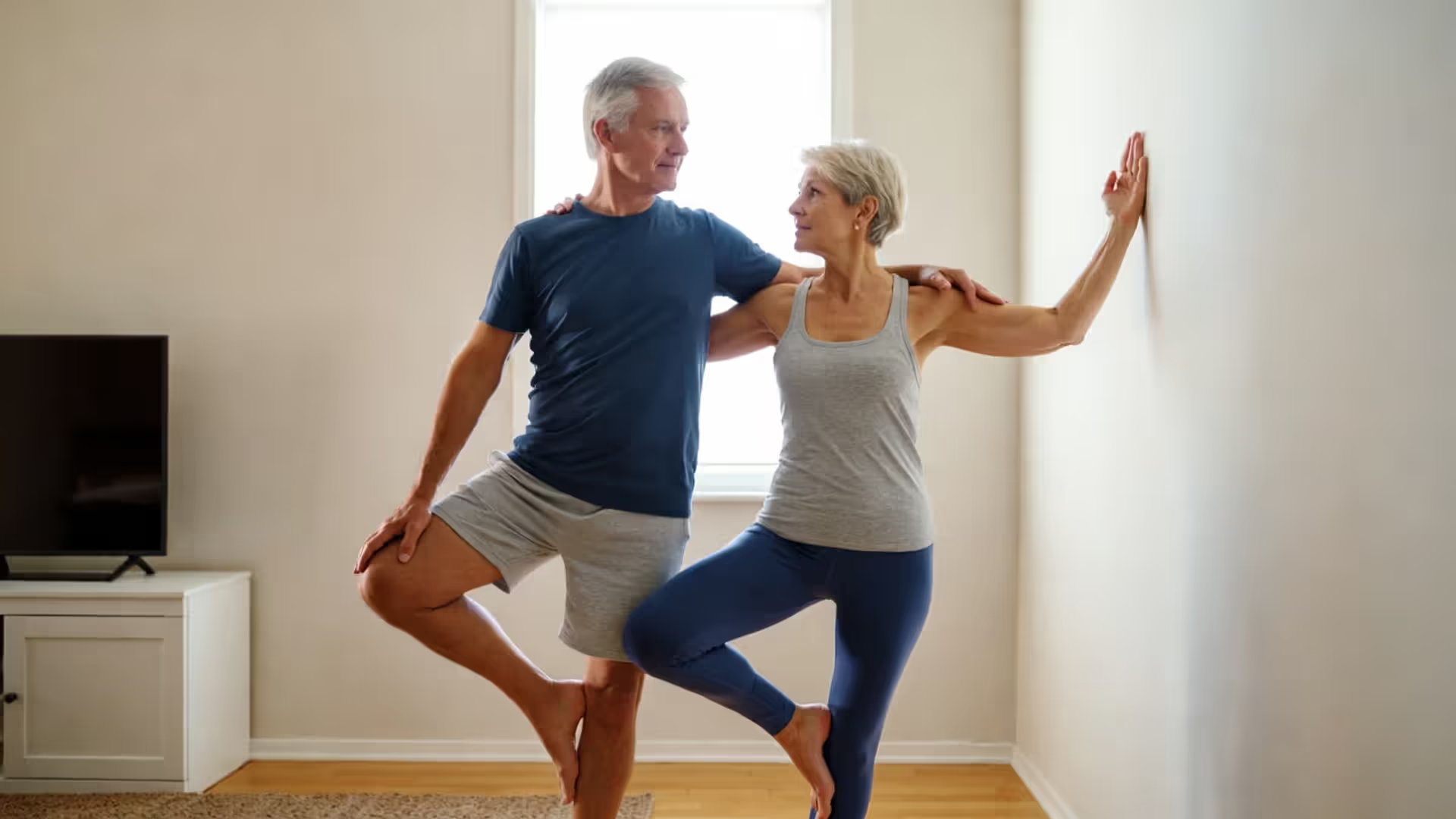
Discover safe, effective yoga for seniors designed to improve balance, mobility, bone health, and confidence after 60. This guide includes gentle yoga poses, chair yoga options, a simple senior yoga sequence, safety precautions for osteoporosis and arthritis, and practical tips for building a consistent low-impact routine at home.
The content on yogapennsylvania.com is provided for general informational and inspirational purposes only. It is intended to share yoga tips, meditation practices, wellness guidance, retreat experiences, and lifestyle insights, and should not be considered medical, therapeutic, fitness, or professional health advice.
All information, articles, images, and wellness-related materials presented on this website are for general informational purposes only. Individual health conditions, physical abilities, wellness goals, and experiences may vary, and results can differ from person to person.
Yogapennsylvania.com makes no representations or warranties regarding the accuracy, completeness, or reliability of the content provided and is not responsible for any errors or omissions, or for decisions or actions taken based on the information presented on this website. Readers are encouraged to consult qualified healthcare or wellness professionals before beginning any new yoga, meditation, or fitness practice.