
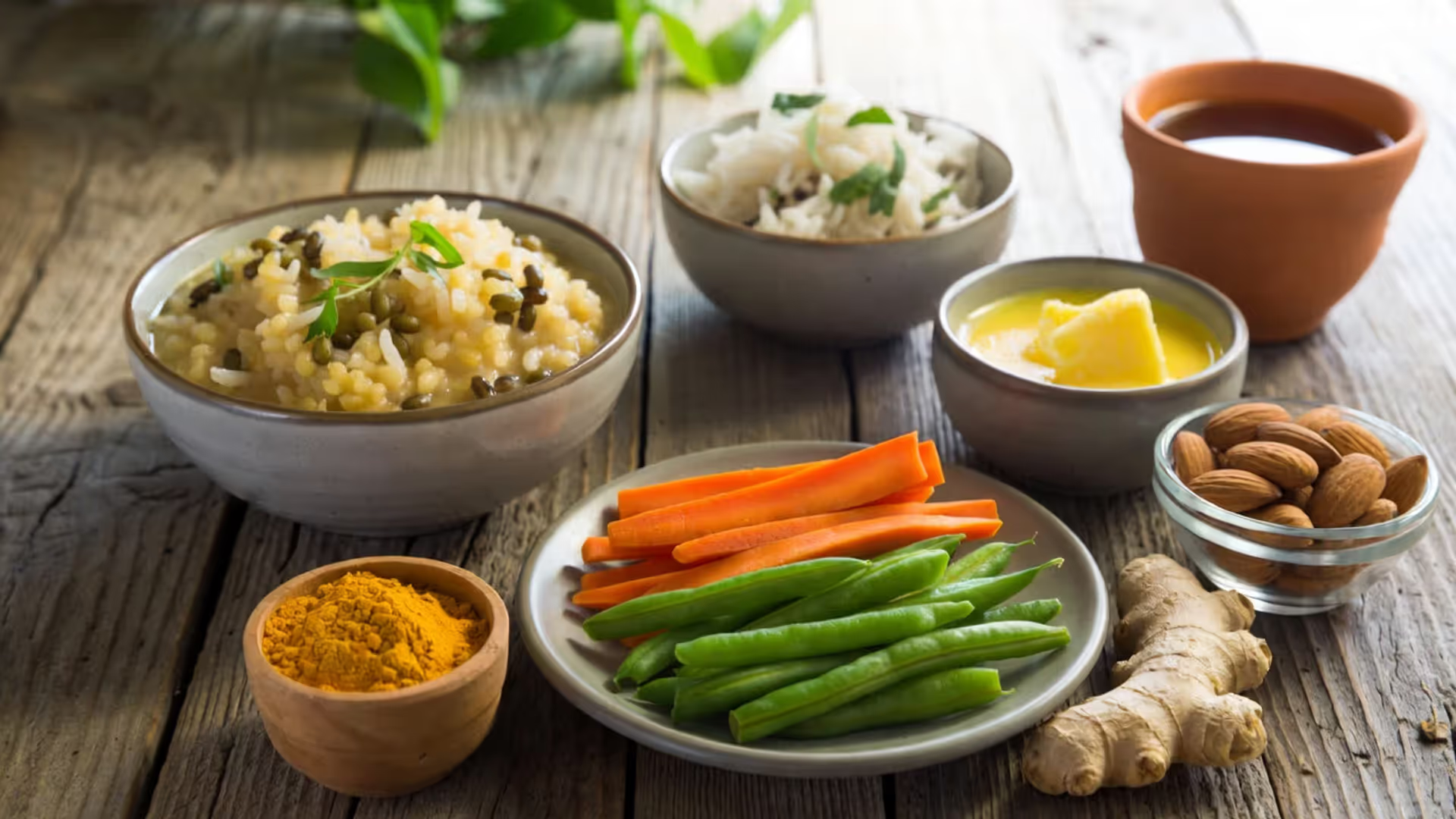
Sattvic foods nourish clarity and steady energy.
Ayurvedic Diet for Yogis: Eating for Balance, Energy, and Deeper Practice

Yoga and Ayurveda come from the same ancient Indian tradition, both seeking harmony between body, mind, and spirit. For committed practitioners, food choices directly shape mental clarity during meditation, stability in balancing poses, and recovery speed between sessions. An ayurvedic diet for yogis is not rigid restriction or calorie tracking—it’s a practical, flexible system that aligns eating with your current constitution (prakriti), temporary imbalances (vikriti), the season, and the style of practice you’re doing that day.
Many American yogis eat the same meals regardless of how their digestion, energy, or joints feel. That habit frequently causes issues: too many cold raw salads in winter aggravate vata dryness and anxiety; frequent spicy takeout before hot flow inflames pitta and creates irritability on the mat; constant cheese, yogurt, and sweets build kapha sluggishness that makes morning practice feel heavy. Tuning into simple body signals—the morning tongue coating, post-meal energy crash, or lingering stiffness—guides choices that genuinely support practice rather than undermine it.
Ayurvedic Nutrition Basics Every Yogi Should Know
Ayurveda organizes food by six tastes (sweet, sour, salty, pungent, bitter, astringent) and three energetic qualities: sattvic (pure, light, clarity-promoting), rajasic (stimulating, heating, agitating), and tamasic (heavy, dulling, congesting). Sattvic foods form the foundation of an ayurvedic lifestyle diet for serious yogis because they calm the mind, nourish tissues without taxing digestion, and leave you light and alert during practice.
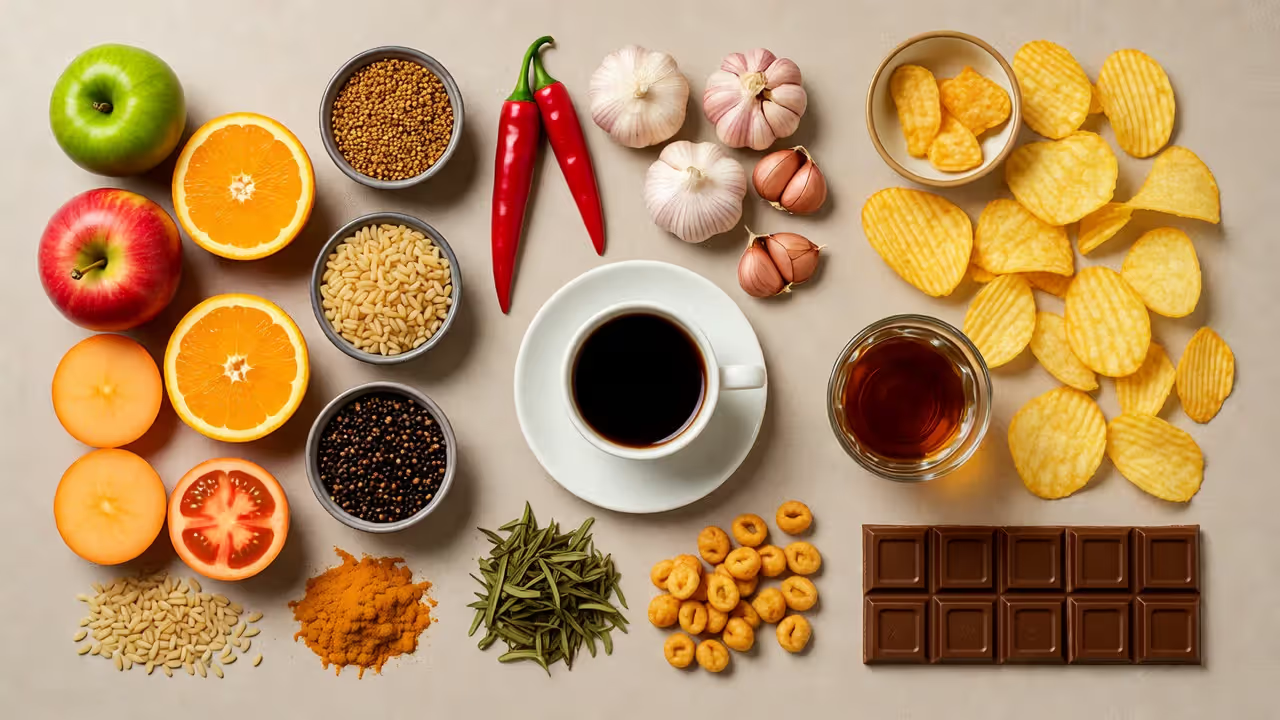
Sattvic vs rajasic foods becomes obvious during asana. After a sattvic meal—freshly cooked basmati rice, mung dal, steamed vegetables, ghee, ripe seasonal fruit—you sit in meditation with steady focus and even breath. A rajasic meal—coffee, garlic-heavy curry, fried snacks, excessive chili—creates mental restlessness, physical heat, and scattered attention during pranayama. Tamasic foods (leftovers, canned goods, alcohol, refined sugar) make limbs heavy and mind foggy, often leading to skipped savasana or half-hearted sessions.
A frequent mistake among Western yogis is assuming all plant-based eating is automatically sattvic. Large raw vegan bowls filled with cruciferous vegetables, cold-pressed oils, and sprouts can seriously aggravate vata, especially before early-morning or winter classes. Lightly cooked, warm, mildly spiced meals digest more easily and sustain energy longer.
Quick guideline: if you feel light, clear-headed, and ready to practice 90 minutes after eating, the meal was likely well-balanced for your current state. If you feel bloated, jittery, or sleepy, adjust the next meal.
Food is not just fuel; in Ayurveda it is the primary medicine that either builds or destroys the foundation of your practice.
— Dr. Vasant Lad, renowned Ayurvedic physician and author
Ayurvedic Food List: What to Emphasize and What to Limit
Build meals around seasonally appropriate, locally grown foods when possible, prepared fresh each day. Favor sweet, bitter, and astringent tastes to ground vata, cool pitta, and lighten kapha—adjust proportions based on your dominant dosha or current imbalance.
Emphasize: basmati rice, mung beans, red lentils (split), ghee or sesame oil (moderate amounts), fresh ginger, cumin, coriander, fennel, turmeric, seasonal vegetables (zucchini, carrots, beets, leafy greens), sweet ripe fruits (apples, pears, berries, mango in season), soaked almonds, warm spiced milk (cow or plant-based), herbal teas (tulsi, licorice, ginger).
Limit or avoid: nightshades (tomatoes, eggplant, peppers, white potatoes) if joints ache or skin flares; excessive raw food in cold weather; fermented foods (kombucha, sauerkraut, vinegar) if digestion is weak; caffeine after noon; processed oils, refined sugar, food older than 24 hours.
Foods for balance and energy should feel nourishing without overstimulating or sedating. Kitchari—rice and mung dal cooked with mild spices and ghee—remains the classic one-pot recovery meal for yogis because it’s gentle on digestion, mildly detoxifying, and tridoshic (suitable for all constitutions when adjusted slightly).
Here’s a quick comparison table of the three gunas and their typical food examples:
| Guna | Qualities | Typical Foods | Effect on Practice |
| Sattvic | Pure, light, calming | Fresh fruits, cooked grains, ghee, milk, mild spices | Clarity, steady focus, deep meditation |
| Rajasic | Stimulating, heating | Garlic, onion, chili, coffee, fried food | Restlessness, heat, scattered attention |
| Tamasic | Heavy, dulling | Leftovers, processed sugar, alcohol, meat | Lethargy, heaviness, foggy mind |
More about the concept of the three gunas (sattva, rajas, tamas) in Indian philosophy can be found here: Guna (philosophy).
Author: Ava Mitchell;
Source: yogapennsylvania.com
Building a Practical Ayurveda Meal Plan for Yogis
A realistic ayurvedic meal plan aligns with your asana schedule and daily rhythm rather than forcing strict rules. Most US yogis practice morning or evening, so meals should fuel energy without creating heaviness.
Sample daily structure for a moderately active vata-pitta yogi (common among dynamic vinyasa practitioners):
- Wake-up (6:00–7:00): Warm water with fresh lemon or sliced ginger to kindle agni (digestive fire).
- Breakfast (7:30–8:00, after morning practice): Warm oatmeal cooked with almond milk, stewed apples, cinnamon, cardamom, small amount of ghee, and a few soaked almonds. Delivers grounding sweet taste and steady energy.
- Mid-morning snack (10:30): Handful of soaked raisins and walnuts or a fresh pear.
- Lunch (12:30–1:30, largest meal): Kitchari with steamed zucchini, carrots, spinach, ghee, and mild spices (cumin, coriander, fennel). Side of fresh cilantro chutney. Digests best when eaten warm and mindfully.
- Afternoon (3:30): Herbal tea (tulsi or licorice) and a small date or two if energy dips.
- Dinner (6:30–7:00, light): Vegetable soup (carrot, fennel, celery) with basmati rice and a small portion of mung dal. Avoid raw salads at night.
Evening wind-down: Warm spiced milk (almond or cow’s, with a pinch of nutmeg) 1 hour before bed.

Author: Ava Mitchell;
Source: yogapennsylvania.com
Adjust for kapha dominance: reduce dairy and sweet tastes, emphasize pungent spices (ginger, black pepper), keep evening meals very light. For pitta: avoid chili, sour fruits, fermented items; favor cooling foods (cucumber, coconut, mint). Vata needs extra oil, warmth, and grounding sweet tastes.
Common mistake: eating the same breakfast every day without seasonal adjustment. In summer, switch to lighter fruits and cooling grains; in winter, add more root vegetables and ghee. Trade-off: more planning time, but noticeably better joint comfort and mental clarity during practice.
When diet is wrong, medicine is of no use. When diet is correct, medicine is of no need.
— Ayurvedic proverb (often attributed to Charaka Samhita)
Adapting Ayurvedic Eating to Modern Yoga Lifestyles and Busy Schedules
Most US yogis juggle full-time jobs, family, commuting, and practice—fitting traditional ayurvedic principles into that reality requires smart adaptations without losing core benefits. The key is to prioritize warm, freshly cooked, easy-to-digest meals while using time-saving shortcuts that don’t compromise quality.
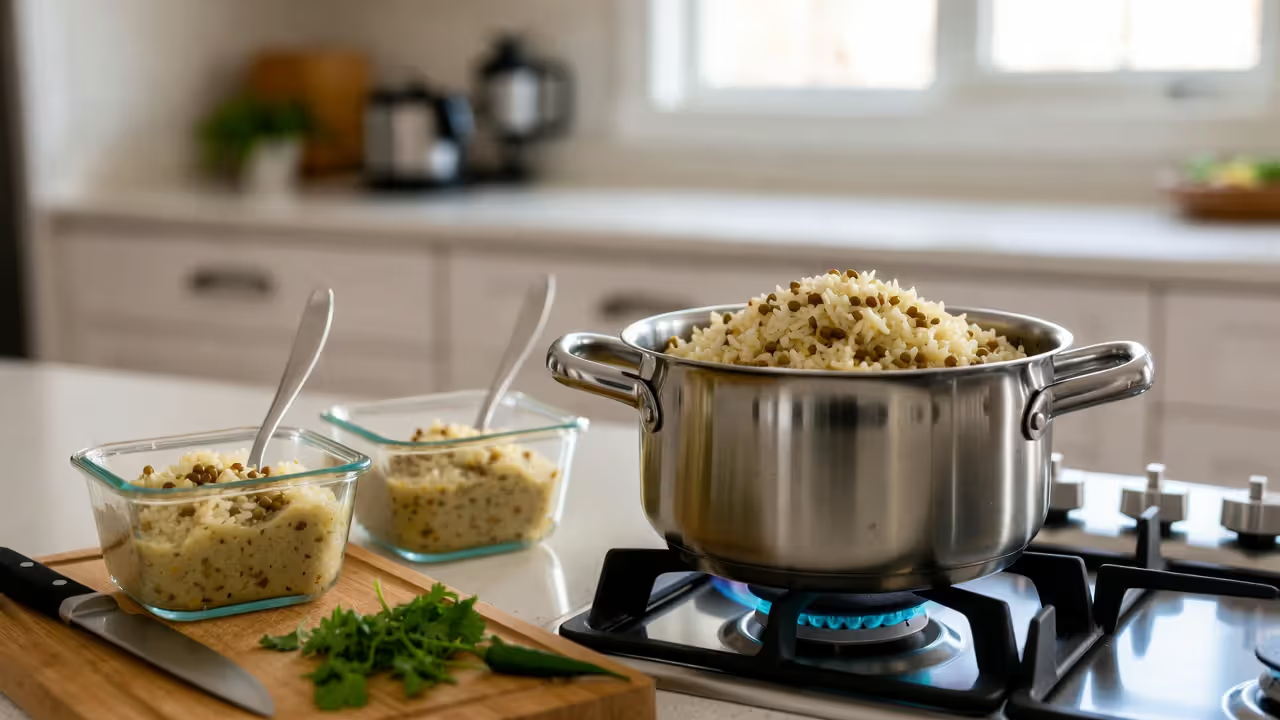
Batch-cooking on weekends works well: prepare a big pot of kitchari base (rice + mung dal + spices), portion it out, and reheat daily with fresh vegetables and ghee. Add different steamed greens or root veggies each day to keep taste interesting and nutrients varied. This saves 30–40 minutes on weekdays while still providing tridoshic, sattvic food.

Author: Ava Mitchell;
Source: yogapennsylvania.com
For morning practitioners who don’t have time to cook before class: overnight oats made with almond milk, stewed apple or pear, cinnamon, cardamom, and a spoonful of ghee or almond butter. Warm it gently in the microwave or on the stove after practice—keeps vata calm and provides steady energy without heaviness. Trade-off: slightly less fresh than cooked-on-the-spot, but far better than skipping breakfast or grabbing a cold smoothie.
Travel and studio classes create challenges. Portable options include soaked almonds + dates in a small container, herbal tea bags (tulsi, fennel), and single-serve packets of turmeric-ginger powder to stir into hot water. Airport food courts often have plain rice and steamed vegetables—ask for no sauce and add your own spices from a travel tin.
Social eating is another hurdle. When friends suggest pizza or sushi after class, suggest sharing a vegetable curry or lentil soup instead. Small swaps keep the group vibe while protecting agni. Common mistake: eating out every time and then wondering why digestion feels off. Rule of thumb: limit restaurant meals to 1–2 times per week; home-cooked warm food 5–6 days keeps doshas balanced.
Author: Ava Mitchell;
Source: yogapennsylvania.com
Seasonal and life-stage adjustments matter. During intense teacher trainings or back-to-back workshops, increase grounding foods (sweet root vegetables, extra ghee) to counter vata aggravation from overexertion. Postpartum or during menstruation, favor warm, nourishing soups and avoid raw/cold items that can worsen cramps or fatigue.
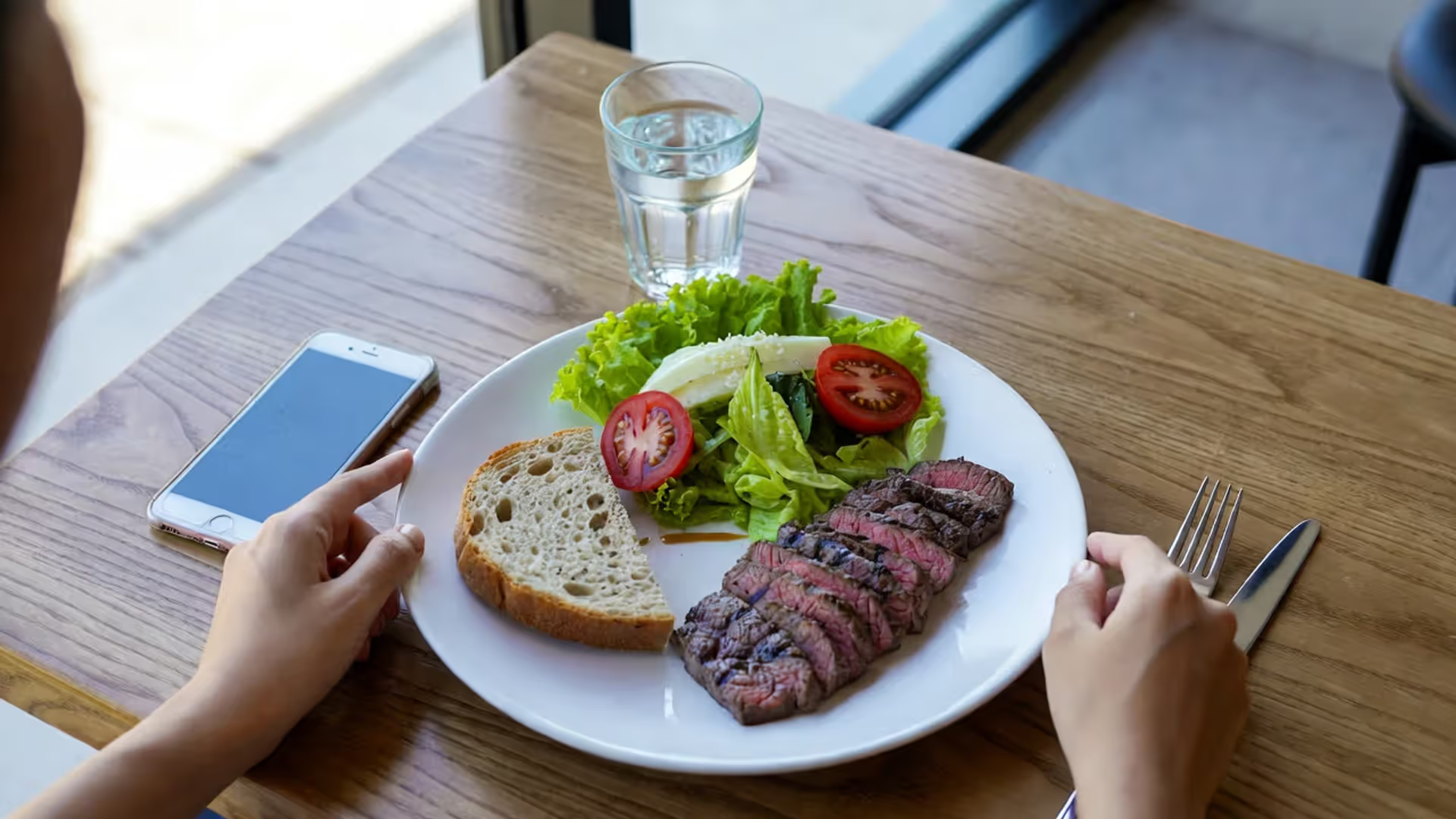
Mental habits amplify food’s effect. Mindful eating—sitting down, no phone, chewing slowly—increases nutrient absorption and reduces overeating. Gratitude before meals shifts mindset from “dieting” to “nourishing practice,” cutting emotional cravings.
Over time these adaptations make ayurvedic eating feel natural rather than restrictive. You’ll notice steadier energy during long holds, quicker recovery between classes, calmer mind in meditation, and fewer injuries from better tissue resilience. Start with one habit—batch-cooking kitchari or switching to warm breakfast—and let the body show you the rest.
FAQ
An ayurvedic approach to eating supports yoga far beyond the physical postures. When food becomes medicine rather than distraction, practice deepens naturally—focus sharpens, body feels lighter, recovery quickens. Start with one change: warm cooked lunch instead of cold salad, or golden milk before bed instead of plain tea. Notice how even small shifts influence your next session, then build from there. Consistency, not perfection, creates lasting balance on and off the mat.
Related Stories

Read more

Read more


The content on yogapennsylvania.com is provided for general informational and inspirational purposes only. It is intended to share yoga tips, meditation practices, wellness guidance, retreat experiences, and lifestyle insights, and should not be considered medical, therapeutic, fitness, or professional health advice.
All information, articles, images, and wellness-related materials presented on this website are for general informational purposes only. Individual health conditions, physical abilities, wellness goals, and experiences may vary, and results can differ from person to person.
Yogapennsylvania.com makes no representations or warranties regarding the accuracy, completeness, or reliability of the content provided and is not responsible for any errors or omissions, or for decisions or actions taken based on the information presented on this website. Readers are encouraged to consult qualified healthcare or wellness professionals before beginning any new yoga, meditation, or fitness practice.