
Yoga Hydration: How Much Water Before, During, and After Practice
Yoga Hydration: How Much Water Before, During, and After Practice

A student in a hot yoga class in Austin told me she'd been drinking "tons of water" before every session. Turned out "tons" meant thirty-two ounces in the fifteen minutes between parking her car and unrolling her mat. By the third Sun Salutation, she was fighting nausea in every forward fold. She assumed she was out of shape. She was actually waterlogged — the timing was wrong, not the volume.
Yoga hydration is less intuitive than most practitioners realize. Drink too little and your balance degrades, your muscles cramp, and deep stretches feel like they're fighting you. Drink too much — or at the wrong time — and you're dealing with sloshing, bloating, and a distracted practice. The variables shift depending on whether you're doing a gentle restorative session or a ninety-minute Bikram class in a room heated to 105°F.
This guide covers the specific amounts, timing windows, and electrolyte considerations that actually matter — organized by session type so you can adjust based on what you're practicing today, not some generic "drink eight glasses a day" advice.
Why Hydration Affects Your Yoga Practice More Than You Think
Water isn't just fuel. In the context of yoga, it's a performance variable that directly affects three things most practitioners care about: balance, flexibility, and how hard the practice feels.
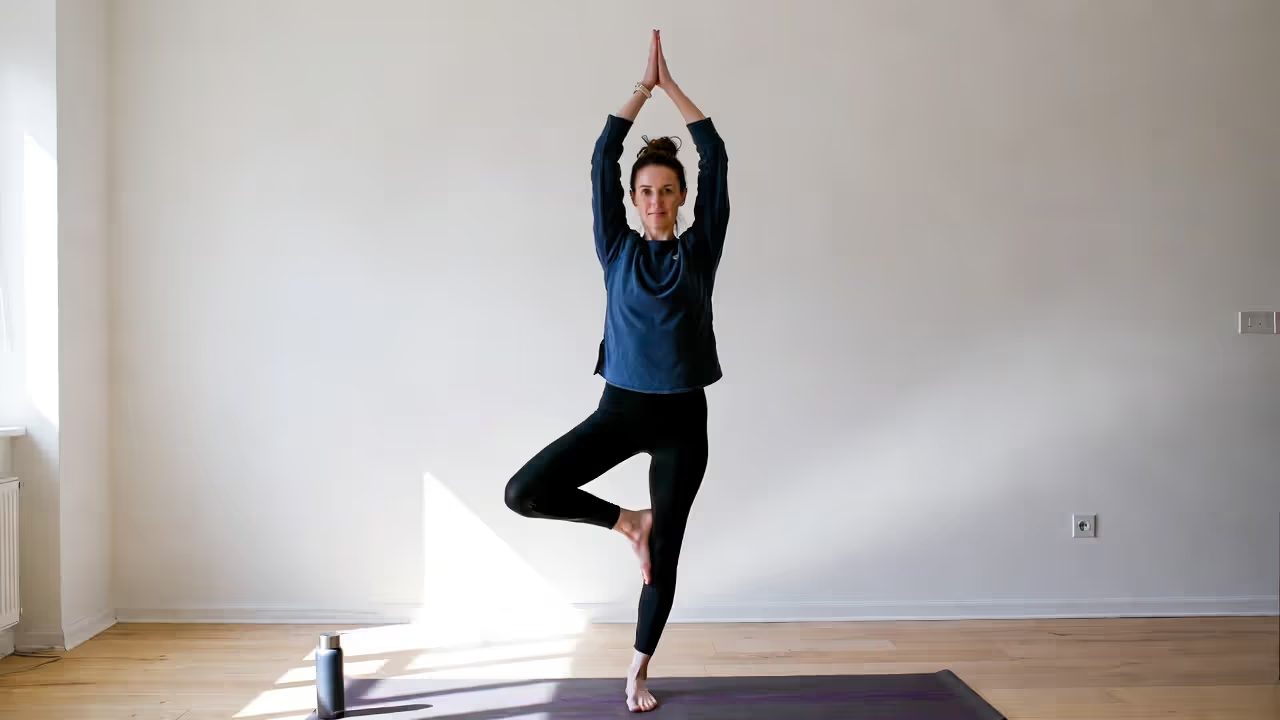
At just 2% dehydration — which is roughly what you'd experience after skipping water for a few hours on a warm day — proprioception measurably declines. Proprioception is your body's spatial awareness system, the mechanism that tells you where your limbs are without looking. It's what keeps you stable in Tree Pose and prevents you from toppling out of Half Moon. When it's impaired, you don't feel "dehydrated" in the obvious sense. You just feel clumsy. Wobbly. Off. Most people blame their balance rather than their water intake.
Flexibility takes a hit too, though the mechanism is less obvious. Fascia — the connective tissue sheath surrounding every muscle — requires adequate hydration to maintain its glide properties. Dehydrated fascia becomes stiff and resistant, which means your forward fold feels two inches shorter than yesterday for reasons that have nothing to do with your hamstrings.
Water is the driving force of all nature.
— Leonardo da Vinci
Then there's perceived exertion. A 2018 study in the Journal of Athletic Training found that even mild dehydration increased how hard participants rated identical exercise — same workout, same intensity, but it felt significantly harder. For yoga, this translates directly: a vinyasa flow that felt manageable on Tuesday feels grueling on Thursday, and the difference might just be that you had three cups of coffee and no water before class.
Yoga performance hydration isn't about drinking as much as possible. It's about arriving at your mat in a state where your nervous system, connective tissue, and muscles can do what you're asking of them.
Author: Jackson Wright;
Source: yogapennsylvania.com
How Much Water to Drink Before, During, and After Yoga — By Session Type
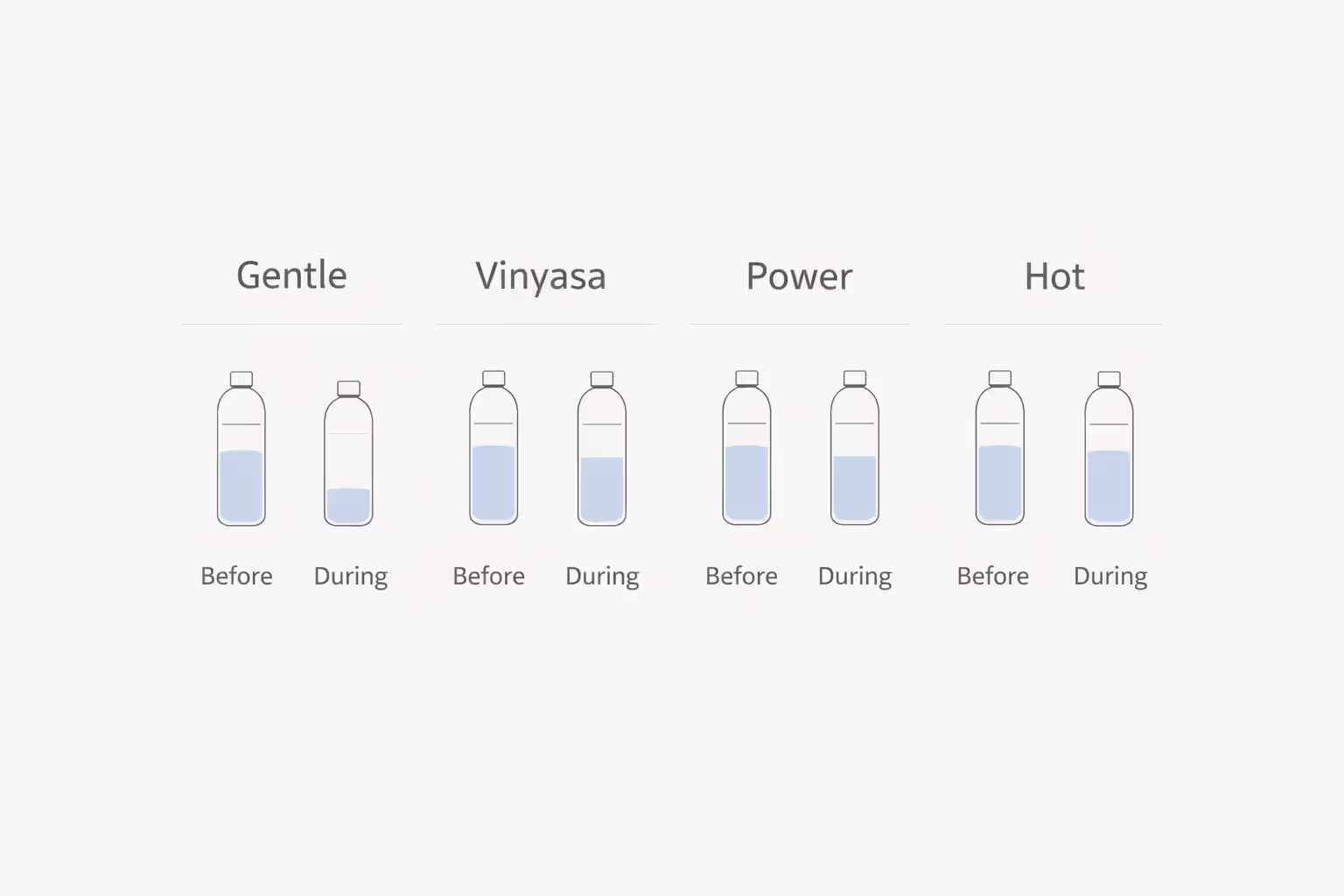
The right amount depends heavily on what kind of yoga you're doing, how long the session lasts, and the room temperature. A restorative class where you're lying over bolsters for sixty minutes has radically different hydration demands than a power yoga session in a heated studio.
Here's a practical breakdown:
| Session Type | 2 Hours Before (oz) | During Class (oz) | Within 1 Hour After (oz) | Electrolytes Needed? | Notes |
| Gentle / Restorative | 12–16 | 0–4 (sips only) | 8–12 | No | Minimal sweat loss; avoid drinking large amounts during class to maintain relaxation |
| Vinyasa Flow (60 min) | 16–20 | 4–8 | 12–16 | Usually no | Moderate exertion; small sips between sequences rather than big gulps |
| Power Yoga (60–75 min) | 16–24 | 8–12 | 16–20 | Optional — helpful if session exceeds 60 min | Higher sweat rate; consider adding a pinch of salt to pre-class water |
| Hot Yoga (60–90 min, 95–105°F) | 20–32 (start hydrating 3+ hrs before) | 12–20 | 20–32 | Yes — sodium and potassium at minimum | Sweat loss of 1–2 liters per session; plain water alone may be insufficient (see hot yoga section below) |
Author: Jackson Wright;
Source: yogapennsylvania.com
A few things the table can't fully capture:
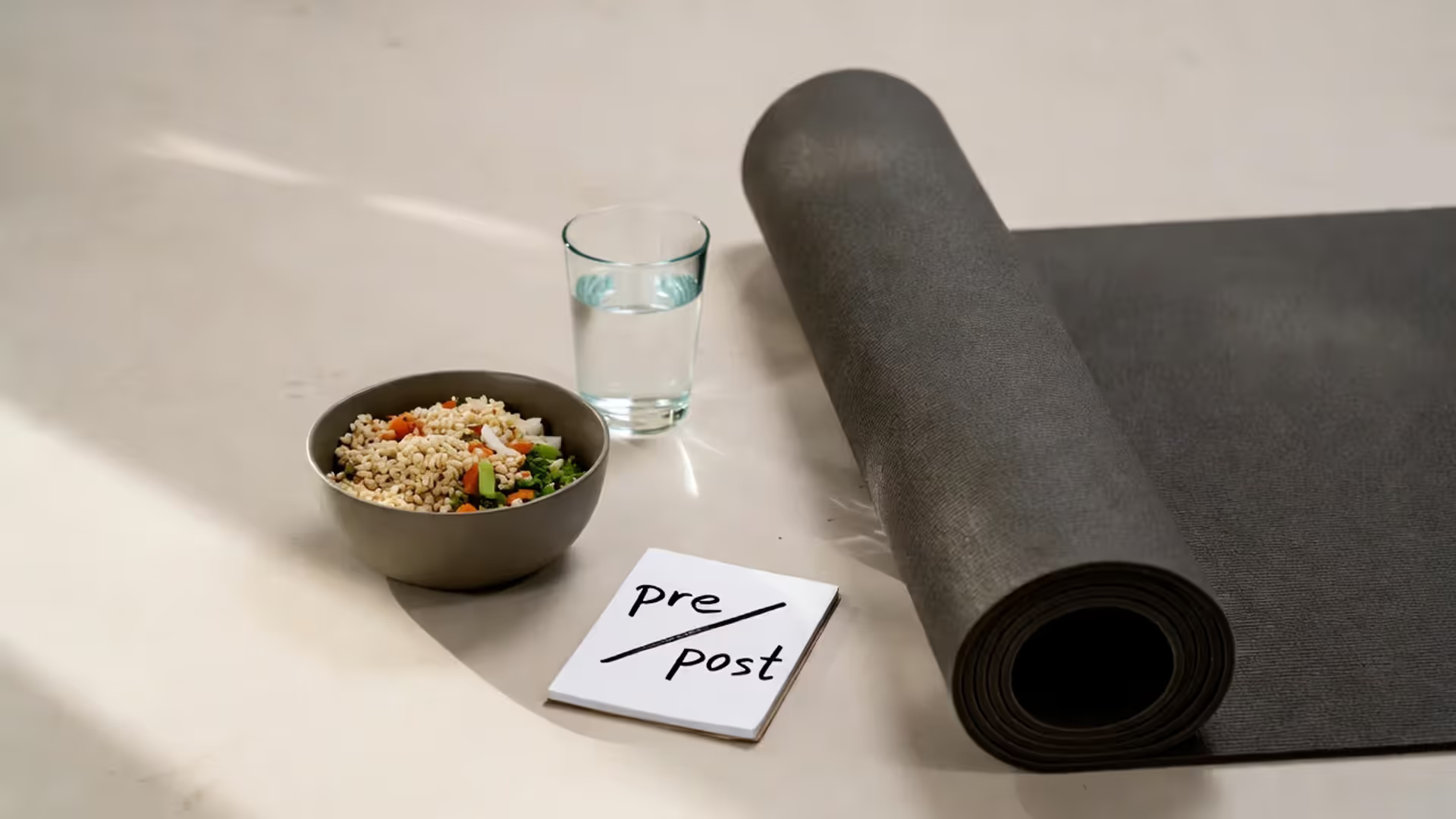
Drinking water before yoga class works best when spread across a two-to-three-hour window, not consumed in one burst. Sixteen ounces sipped between 7:00 and 8:30 AM for a 9:00 class sits differently in your stomach than sixteen ounces downed at 8:45. The absorption rate matters — your small intestine can process roughly 200–250 ml (about 7–8 oz) every fifteen to twenty minutes. Anything beyond that just sits in your stomach waiting its turn.
How much water to drink after yoga depends on how much you lost. A simple rule of thumb: weigh yourself before and after class. Every pound of weight lost equals roughly sixteen ounces of fluid you need to replace. Most people won't bother with a scale, which is fine — just drink steadily for the next hour until your urine returns to pale yellow.
Hot Yoga Hydration — Why the Rules Change Above 95°F

Author: Jackson Wright;
Source: yogapennsylvania.com
Hot yoga — Bikram, heated vinyasa, any class in a room above 95°F — creates a fundamentally different hydration challenge. The sweat rate in a heated studio runs between one and two liters per sixty-minute session. That's two to four pounds of water weight leaving your body, carrying sodium, potassium, and chloride with it.
The hydration for hot yoga problem has two sides. The obvious one: you lose a lot of fluid fast. The less obvious one: if you replace all that fluid with plain water and nothing else, you risk diluting your blood sodium to dangerously low levels. This condition — hyponatremia — is rare but real, and it's caused by overhydrating with zero electrolytes, not by sweating. Symptoms include headache, confusion, nausea, and in severe cases, seizures. It mimics dehydration, which means people who experience it often drink more water, making it worse.
The practical protocol for hot yoga: start hydrating three or more hours before class, not just two. Aim for twenty to thirty-two ounces over that window. During class, sip consistently — small amounts every ten to fifteen minutes rather than waiting until you're parched. After class, replace fluids with an electrolyte-containing drink for at least the first sixteen to twenty ounces.
One more detail most guides skip: humidity matters as much as temperature. A room at 100°F with 40% humidity allows sweat to evaporate efficiently, which is how your body cools itself. The same temperature at 60% humidity traps sweat on your skin, reducing cooling and increasing core temperature faster. If your studio runs high humidity, add an extra eight to twelve ounces to your pre-class intake.
Electrolytes After Yoga — When You Need Them and When You Don't
The sports drink industry would love you to believe every workout requires electrolyte replacement. It doesn't. A forty-five-minute gentle vinyasa class in a seventy-two-degree studio doesn't deplete your sodium or potassium enough to require anything beyond plain water and your next meal.
The threshold where electrolytes after yoga become genuinely useful: sessions longer than sixty minutes, sessions in heated rooms, sessions where you're visibly drenched (not just "glowing"), or back-to-back classes. Below that threshold, water handles the job.
What to Look for in an Electrolyte Product (and What to Skip)
Three things matter on the label: sodium content, potassium content, and sugar load. Sodium is the primary electrolyte lost in sweat — look for at least 200–400 mg per serving. Potassium should be present but doesn't need to be massive — 50–100 mg per serving is fine, since most of your potassium comes from food.
Sugar is where products diverge. Traditional sports drinks like Gatorade contain thirty-four grams of sugar per twenty-ounce bottle — nearly as much as a can of soda. That sugar serves a purpose during endurance athletics (rapid glycogen replacement), but after a yoga class, it's unnecessary calories. Low-sugar or sugar-free electrolyte tablets and powders — brands like LMNT, Nuun, or Liquid IV — deliver the minerals without the sugar bomb.
Skip anything listing "proprietary electrolyte blends" without specific milligram amounts. If they won't tell you how much sodium is in it, the answer is probably "not enough to matter."
A Simple DIY Electrolyte Drink That Costs Under $0.30
Author: Jackson Wright;
Source: yogapennsylvania.com
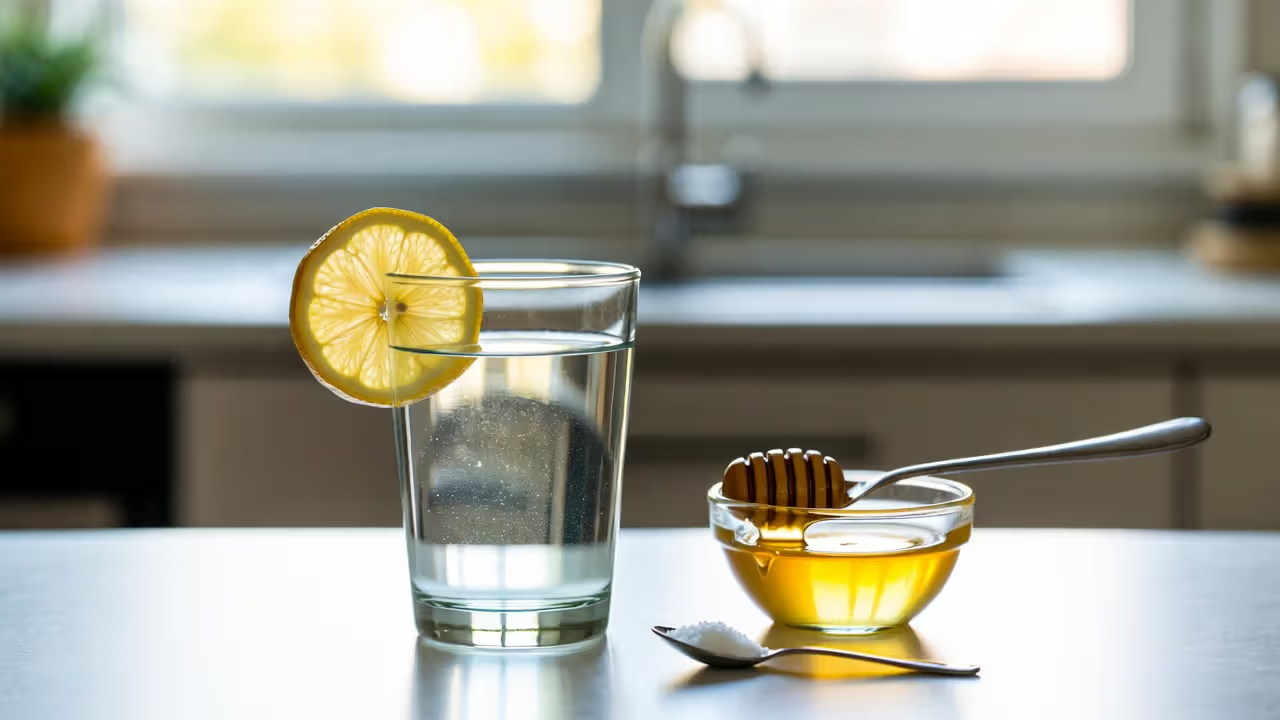
Mix the following in twenty ounces of water: one-quarter teaspoon of table salt (about 575 mg sodium), two tablespoons of fresh lemon or lime juice, and one to two teaspoons of honey or maple syrup if you want mild sweetness. Optional: a small pinch of potassium-based salt substitute (like Nu-Salt or Morton Lite Salt) for added potassium.
That's it. Total cost per serving: roughly twenty to thirty cents, versus two to three dollars for a pre-made electrolyte drink. It tastes like slightly salty lemonade. It works just as well as anything in a branded packet.
Six Hydration Mistakes Yoga Practitioners Keep Making
Chugging water right before class. The Austin student from the opening paragraph isn't unusual. Drinking a large volume in the fifteen to thirty minutes before practice guarantees a sloshing stomach during any pose that compresses the abdomen — twists, forward folds, and inversions all become uncomfortable. Hydration works on a two-to-three-hour lead time, not a fifteen-minute sprint.
Moderation in all things, including moderation.
— Oscar Wilde
Relying on thirst as an indicator during heated practice. Thirst is a lagging signal — by the time you feel it in a 105°F room, you're already well past the point of mild dehydration. In heated sessions, drink on a schedule (every ten to fifteen minutes) rather than waiting for your body to ask.
Replacing water with coconut water for every session. Coconut water contains potassium and natural sugars, but it's relatively low in sodium — which is the electrolyte you actually lose the most through sweat. Using it as your sole post-yoga drink after a hot class leaves a sodium gap. It's fine as a supplement, but it doesn't replace a properly formulated electrolyte solution or a simple DIY mix.
Ignoring caffeine's timing effect. A cup of coffee two hours before class is fine — caffeine is a mild diuretic, but at moderate doses, the fluid in the coffee itself more than compensates. Three cups in the hour before class is a different story. High-dose caffeine accelerates urine production and can leave you starting your session in a deficit. Rule of thumb: keep pre-yoga caffeine to one cup, consumed at least ninety minutes before class.
Assuming clear urine always means adequate hydration. Clear urine means your kidneys are dumping excess water. Pale straw-colored urine indicates appropriate hydration. Crystal-clear, completely colorless urine — especially if you're urinating every thirty minutes — can actually indicate overhydration. Pale yellow is the target, not transparency.
Avoiding water during class because a teacher discouraged it. Some traditional yoga instructors advise against drinking during practice, based on Ayurvedic principles about not extinguishing digestive fire. In a seventy-degree room doing moderate flow, going sixty minutes without water is manageable for most people. In a heated room during vigorous practice, this advice becomes physiologically risky. Your body doesn't care about tradition when it's losing a liter of sweat per hour. Drink when you need to.
FAQ — Yoga Hydration Questions Answered
Yoga hydration comes down to three decisions: how much, when, and whether you need electrolytes. Match those answers to today's session type, not a one-size-fits-all rule. Start hydrating two to three hours before class, sip during practice if the intensity or heat warrants it, and replace what you lost afterward using pale urine color as your feedback loop. The specifics matter more than the volume — timing and consistency beat chugging every time.
Related Stories

Read more

Read more


The content on yogapennsylvania.com is provided for general informational and inspirational purposes only. It is intended to share yoga tips, meditation practices, wellness guidance, retreat experiences, and lifestyle insights, and should not be considered medical, therapeutic, fitness, or professional health advice.
All information, articles, images, and wellness-related materials presented on this website are for general informational purposes only. Individual health conditions, physical abilities, wellness goals, and experiences may vary, and results can differ from person to person.
Yogapennsylvania.com makes no representations or warranties regarding the accuracy, completeness, or reliability of the content provided and is not responsible for any errors or omissions, or for decisions or actions taken based on the information presented on this website. Readers are encouraged to consult qualified healthcare or wellness professionals before beginning any new yoga, meditation, or fitness practice.