

Yoga mat next to a balanced bowl meal and water, showing yoga and nutrition together.
Yoga Diet: What to Eat, What to Avoid, and How to Build a Realistic Plan

A student finishes a 90-minute vinyasa class, feels fantastic, then drives straight to a fast-food window because she skipped lunch and her blood sugar is on the floor. Another practitioner goes full raw-vegan after a retreat, loses energy within two weeks, and quietly returns to his old meal habits feeling like he failed.
Neither scenario is unusual. The gap between yoga's traditional dietary philosophy and the reality of feeding yourself well as an American practitioner is wide — and most advice online makes it wider by being either too rigid or too vague.
This yogic nutrition guide bridges that gap: what the classical frameworks actually say, where they hold up, where they don't, and how to build a functional meal pattern that supports your practice without requiring a lifestyle overhaul.
What "Yoga Diet" Means in Practice (Not What Most People Assume)
There is no single mandatory yoga diet. No governing body issues dietary requirements alongside your 200-hour certificate. The phrase refers to a collection of traditional eating principles — primarily from the Sattvic and Ayurvedic traditions — that have been adapted, simplified, and sometimes distorted as yoga moved westward.
The most common misconception: that committed work requires strict vegetarianism or veganism. Classical texts do emphasize ahimsa (non-harming) and favor plant-forward approach, but they were written for monastic practitioners in pre-industrial India — not for a nurse working 12-hour shifts in Denver who also practices six days a week.
A more useful framing: a holistic yoga lifestyle diet prioritizes whole, minimally processed items; pays attention to how eating affects energy, digestion, and mental clarity; and treats the kitchen as an extension of the mat — a place for awareness and intentional choices, not rigid rules.
The practical baseline most experienced practitioners settle on: mostly plants, adequate protein, enough calories for your activity level, and the self-awareness to notice what foods make you feel heavy, scattered, or sluggish before practice.
The Sattvic Framework: Traditional Foods and How They Translate Today
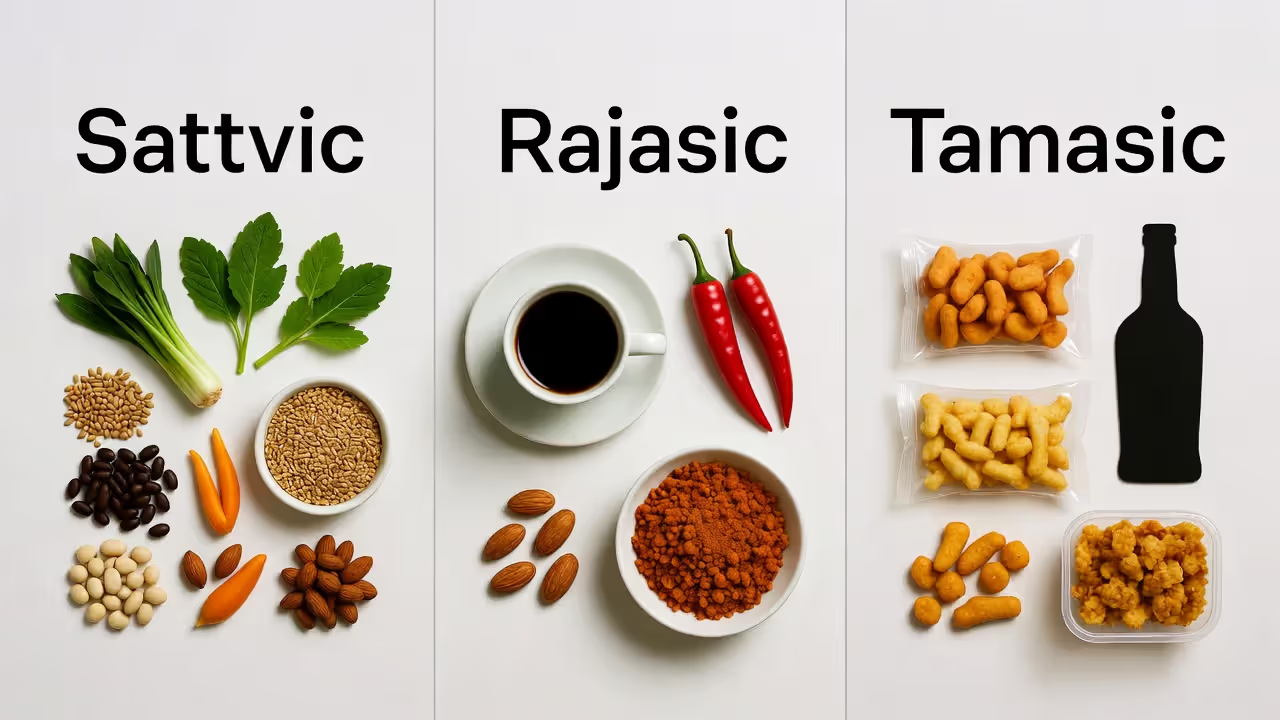
Sattvic, Rajasic, and Tamasic — The Three Categories Explained
Author: Jackson Wright;
Source: yogapennsylvania.com
Classical yoga philosophy divides all food into three gunas (qualities):
Sattvic foods promote clarity, lightness, and calm. Fresh fruits, vegetables, whole grains, legumes, nuts, seeds, milk, ghee, and honey fall here. These are considered ideal for sustained effort.
Rajasic foods stimulate activity and restlessness. Spicy dishes, coffee, onions, garlic, and heavily seasoned foods land in this category. They're not forbidden — but the tradition suggests moderating them, especially before meditation or pranayama.
Tamasic foods dull the mind and create lethargy. Processed foods, alcohol, leftover or reheated meals, red meat, and anything stale or overly heavy qualifies. The framework recommends avoiding these entirely.
A Realistic Sattvic Grocery List for a U.S. Kitchen
Translating sattvic diet foods into an American supermarket trip:
Grains: brown rice, quinoa, oats, millet, whole wheat bread. Legumes: lentils, chickpeas, mung beans, black beans. Vegetables: sweet potatoes, leafy greens, zucchini, green beans, carrots, beets. Fruits: bananas, apples, berries, dates, mangoes. Dairy (if consumed): whole milk, plain yogurt, paneer, ghee. Nuts and seeds: almonds, walnuts, pumpkin seeds, flaxseed. Sweeteners: raw honey, maple syrup (in moderation). Spices: turmeric, cumin, coriander, ginger, cardamom.
Where the framework needs updating: strict Sattvic eating excludes garlic, onions, mushrooms, and fermented items — all of which have well-documented health benefits. It also centers dairy in a way that doesn't account for lactose intolerance (affecting roughly 36% of Americans) or ethical concerns about industrial dairy production. Treat the list as a foundation, not a fixed rule set.
Protein adequacy is the most common nutritional gap in purely Sattvic eating. Practitioners who eliminate eggs, fish, and meat need deliberate attention to combining plant proteins and may require B12 supplementation — the classical texts didn't account for nutrient density in the way modern science does.
Ayurvedic Eating for Yogis: Doshas, Digestion, and Practical Limits

Author: Jackson Wright;
Source: yogapennsylvania.com
The Ayurvedic system classifies individuals into three constitutional types (doshas) — Vata, Pitta, and Kapha — and prescribes dietary adjustments for each. An ayurvedic diet for yogis applies this framework to optimize digestion and energy around a regular routine.
Useful principles that hold up regardless of your dosha: eating warm, cooked foods is generally easier on digestion than cold or raw preparations (especially relevant before morning practice). Seasonal sourcing — heavier foods in winter, lighter foods in summer — aligns with both Ayurvedic logic and modern nutritional common sense. Avoiding ice-cold beverages with meals supports digestive enzyme function.
Where to be cautious: dosha typing has no clinical validation in Western medicine. Online quizzes that assign you a dosha in 60 seconds lack the depth of a proper Ayurvedic consultation. The system contains genuinely sensible dietary ideas — eating seasonally, cooking with digestive spices, paying attention to how foods make you feel — but treating a quiz result as a medical prescription oversteps what the framework can reliably deliver.
A practical approach: borrow the principles (cook more, eat seasonally, notice your digestion patterns) without rigidly restricting entire food groups based on a dosha label.
One Ayurvedic concept that translates well regardless of your belief in the system: agni, or digestive fire. The idea is that your ability to extract nutrition from food depends on the strength of your digestion — not just what you eat, but how well your body processes it. Eating when genuinely hungry rather than on a fixed clock, favoring warm and well-spiced meals over cold and raw ones, and avoiding heavy consumption late at night all support stronger digestion. These aren't mystical claims — they align with basic gastroenterological advice about enzyme activity and circadian eating patterns.
Meal Timing and Digestion: What to Eat Before, During, and After Practice
Author: Jackson Wright;
Source: yogapennsylvania.com
The right foods for yoga practice matter less than when you eat them. A perfectly healthy meal consumed 30 minutes before a twist-heavy sequence will still make you nauseous.
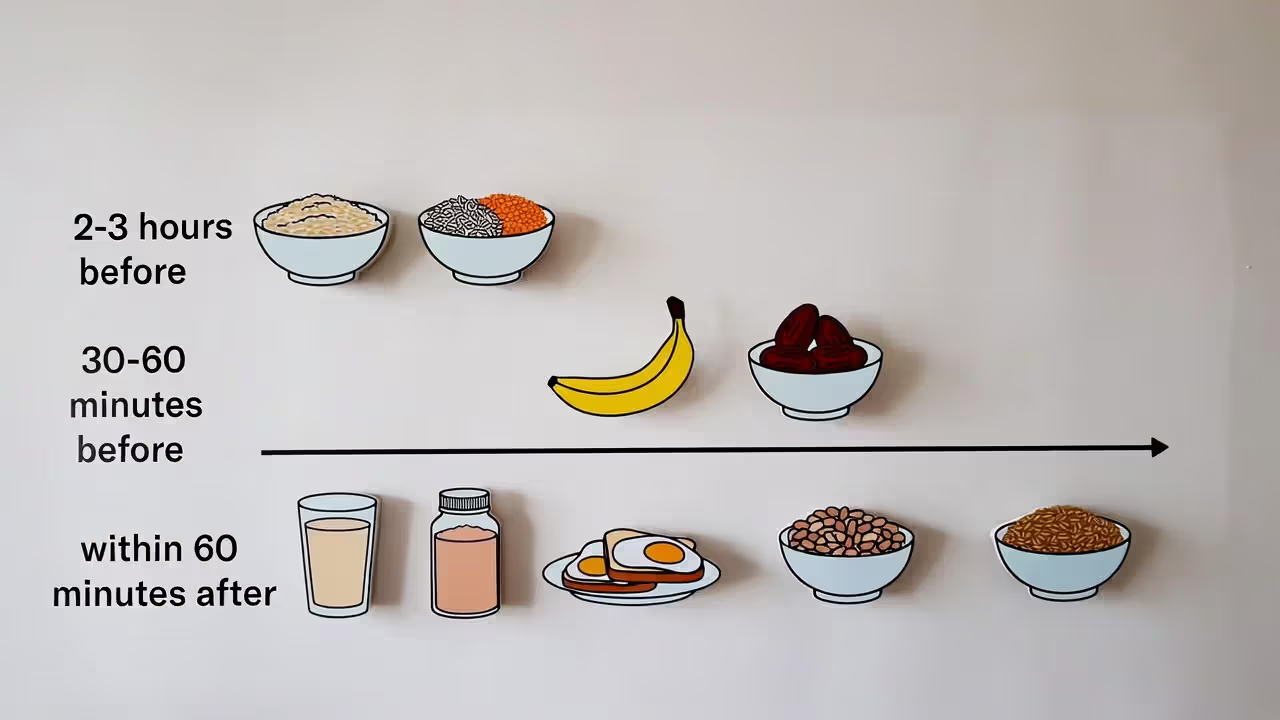
Pre-practice (2–3 hours before): a moderate meal with complex carbs, some fat, and moderate protein. Oatmeal with almond butter. Rice with lentils. A sweet potato with avocado. The goal is sustained energy without stomach fullness.
Pre-practice (30–60 minutes before, if needed): a small, easily digested snack. Half a banana. A few dates. A handful of almonds. Nothing fibrous, nothing heavy.
Post-practice (within 60 minutes): protein plus carbohydrates to support muscle recovery. A smoothie with protein powder, banana, and spinach. Eggs with toast. A grain bowl with beans and vegetables. Skipping post-practice nutrition is a common mistake — especially among practitioners who treat yoga as "gentle" and underestimate its metabolic demand. A 90-minute vinyasa class burns 300–500 calories depending on body weight and intensity. Your muscles need replenishment whether or not you felt like you were "working out."
Caffeine timing: coffee or tea 60–90 minutes before asana is fine for most people. Drinking it immediately before pranayama or meditation tends to create restlessness that works against the purpose of the session. If you practice first thing in the morning and can't function without caffeine, a half cup 30 minutes before class is a reasonable compromise — just don't expect deep stillness in savasana.
Hydration matters more than most plans acknowledge. Sip water throughout the day, not just during class. Arriving to the mat dehydrated leads to cramping, dizziness, and poor concentration. A practical target: half your body weight in ounces, spread across waking hours, with an extra 16 oz on practice days.
Rest days: eat normally. There's no reason to restrict calories on days you don't practice. Under-eating on rest days impairs recovery and can create a cycle of restriction that undermines long-term energy balance.
Yoga is not about self-improvement. It is about self-acceptance — and that includes how you nourish yourself. Food that supports your practice is whole, balanced, and suited to your body and life, not what someone else says is ‘pure.’
— Judith Hanson Lasater, yoga teacher
A 7-Day Yoga Diet Plan for Beginners (Sample Framework)
This yoga diet plan for beginners uses accessible ingredients and accommodates multiple dietary tracks. Vegan alternatives are noted where relevant.
| Day | Breakfast | Lunch | Dinner | Snack |
| Mon | Oatmeal with walnuts, banana, and honey | Quinoa bowl with roasted vegetables and tahini | Lentil soup with whole grain bread | Apple slices with almond butter |
| Tue | Smoothie: spinach, mango, flaxseed, plant milk | Chickpea salad wrap with avocado | Stir-fried tofu with brown rice and greens | Dates with a handful of cashews |
| Wed | Scrambled eggs (or tofu) with sautéed vegetables | Mung bean dal with rice and cucumber raita | Sweet potato and black bean tacos | Banana with pumpkin seeds |
| Thu | Chia pudding with berries and coconut | Grain bowl: millet, roasted beets, leafy greens, lemon-tahini | Vegetable curry with basmati rice | Carrot sticks with hummus |
| Fri | Whole grain toast with ghee (or avocado) and fruit | Lentil and vegetable soup with seeded crackers | Pasta with marinara, white beans, and spinach | Trail mix: almonds, raisins, coconut flakes |
| Sat | Pancakes (oat flour) with maple syrup and berries | Buddha bowl: brown rice, edamame, avocado, pickled ginger | Stuffed bell peppers with quinoa and black beans | Plain yogurt (or coconut yogurt) with honey |
| Sun | Breakfast bowl: quinoa, poached egg (or avocado), sautéed greens | Flatbread with hummus, roasted vegetables, and feta (or nutritional yeast) | Kitchari (mung beans and rice with turmeric and cumin) | Pear with walnuts |
This isn't a rigid prescription — it's a structural example. Swap ingredients based on season, preference, and budget. The pattern: whole grains, legumes, abundant vegetables, healthy fats, and deliberate protein at every meal.
Common Mistakes That Undermine Yoga Nutrition
Author: Jackson Wright;
Source: yogapennsylvania.com
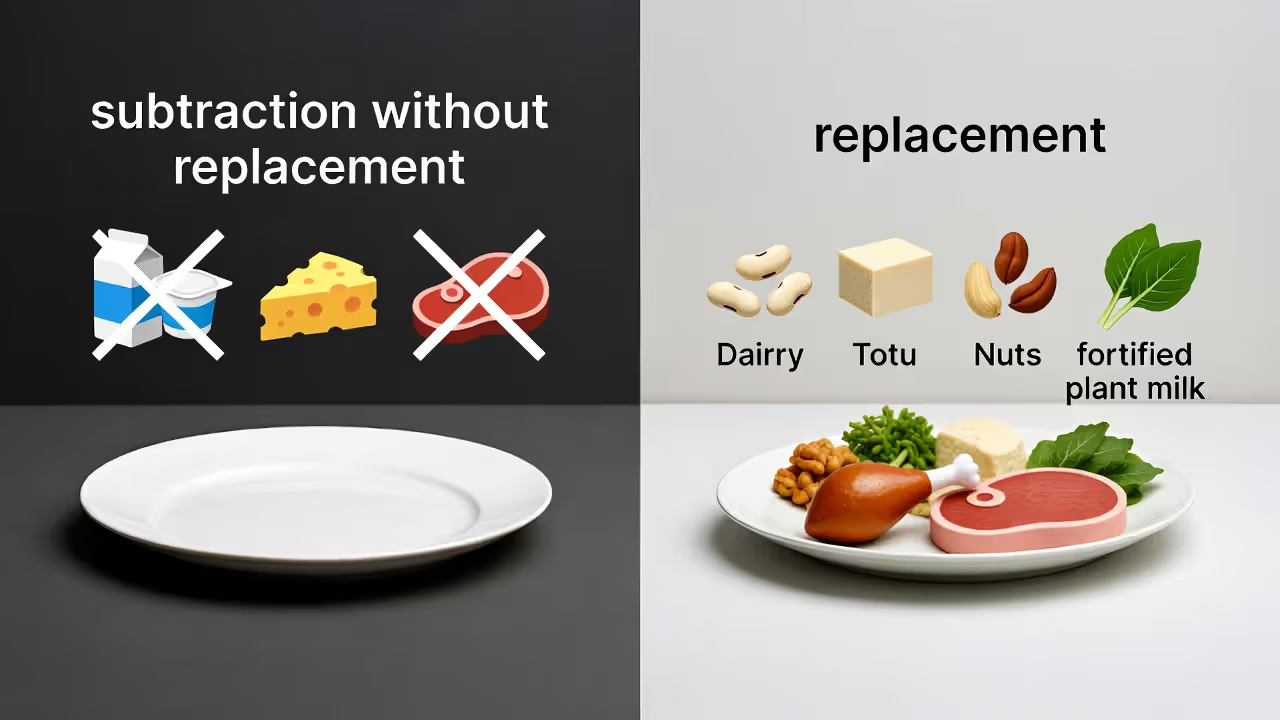
Eliminating entire food groups without replacing the nutrients they provided. Dropping dairy without adding calcium-rich alternatives. Cutting meat without increasing legume, nut, and seed intake. The subtraction creates deficiencies that show up as fatigue, poor recovery, and weakened immunity.
Confusing traditional philosophy with evidence-based guidance. The Sattvic framework is a philosophical model for mental clarity — not a peer-reviewed nutrition protocol. Using it as your sole dietary authority ignores 150 years of nutritional science.
Under-eating protein. Plant-based practitioners are especially vulnerable. A 150-lb person who practices five days a week needs roughly 75–100g of protein daily. Getting there on plants alone requires intentional planning — not just hoping the lentils in your soup covered it.
Ignoring individual caloric needs. A 130-lb woman doing gentle hatha three times a week has vastly different energy requirements than a 190-lb man practicing power vinyasa six days a week. Generic "yoga meal plans" rarely account for this.
Moralizing food choices. When "clean eating" becomes an identity rather than a practical approach, it slides toward orthorexia — an obsessive fixation on dietary purity that is itself a disordered pattern. Yoga philosophy teaches non-attachment. That applies to dietary rigidity as much as anything else. If you feel guilt or anxiety about eating a slice of birthday cake, the relationship with food has become the problem — not the cake.
Copying someone else's plan without adjusting for your own body. A meal template designed for a 125-lb practitioner doing gentle hatha will starve a 200-lb person doing daily Ashtanga. Caloric needs, macro ratios, and recovery demands differ dramatically based on body size, practice intensity, and overall activity level. Use sample plans as structural guides, then adjust portions and protein targets to match your individual requirements.
FAQ
A functional yoga diet isn't about purity, restriction, or philosophical perfection. It's about eating in a way that gives you steady energy, supports recovery, keeps your digestion comfortable, and leaves your mind clear enough to be present on the mat. Start with the practical basics — whole foods, adequate protein, sensible timing — and let the traditional frameworks inform your choices without dictating them. The body you're feeding is the same one you're asking to practice. Treat it accordingly.
Related Stories
Read more

Read more




The content on yogapennsylvania.com is provided for general informational and inspirational purposes only. It is intended to share yoga tips, meditation practices, wellness guidance, retreat experiences, and lifestyle insights, and should not be considered medical, therapeutic, fitness, or professional health advice.
All information, articles, images, and wellness-related materials presented on this website are for general informational purposes only. Individual health conditions, physical abilities, wellness goals, and experiences may vary, and results can differ from person to person.
Yogapennsylvania.com makes no representations or warranties regarding the accuracy, completeness, or reliability of the content provided and is not responsible for any errors or omissions, or for decisions or actions taken based on the information presented on this website. Readers are encouraged to consult qualified healthcare or wellness professionals before beginning any new yoga, meditation, or fitness practice.