

Yoga Diet Guide to Sattvic Nutrition Principles
Yoga Diet Guide to Sattvic Nutrition Principles

Yoga, an ancient practice originating from India thousands of years ago, has been revered for centuries not only for its profound physical benefits but also for its transformative impact on mental and emotional wellness that continues to resonate with practitioners around the world today. This holistic approach is what sets yoga apart from many other physical disciplines; it integrates the body, mind, and spirit in a unified practice, aiming for a harmonious balance that enhances overall health and wellbeing in ways that isolated exercise routines simply cannot achieve. As yoga has spread globally from its origins in the Indian subcontinent, its remarkable adaptability and accessibility have allowed it to evolve into various styles and practices, each emphasizing different aspects of health, self-awareness, and spiritual development while maintaining the core principles that have guided practitioners for millennia.
Integral to the practice of yoga is the concept of a Yoga Diet, which represents far more than simply choosing certain foods over others. This comprehensive approach to eating aligns with the yogic principle of Ahimsa, meaning non-violence towards all living beings, and promotes the consumption of foods that are considered Sattvic or pure, which are essential for maintaining a clear and serene mind capable of deep meditation and spiritual insight. The Yoga Diet focuses specifically on foods that enhance vitality without taxing the body, foods that are digested easily and promote tranquility rather than agitation or lethargy. Understanding the Yoga Diet is crucial because it supports the physical practice of yoga and fosters the mental clarity needed for meditation and mindful living that extends far beyond the yoga mat into every aspect of daily existence.
This diet philosophy is about more than mere nourishment of the physical body; it is fundamentally about nurturing the soul and cultivating an internal environment that is conducive to spiritual growth, self-exploration, and the development of awareness that yogic traditions consider essential for human flourishing. The foods we choose to consume directly affect our energy levels, mental states, emotional balance, and even our capacity for compassion and connection with others. By understanding and implementing the principles of yogic nutrition, practitioners can create a foundation that supports not only their physical health but also their journey toward greater self-understanding and inner peace.
When diet is wrong, medicine is of no use. When diet is correct, medicine is of no need.
— Ayurvedic Proverb
Philosophical Foundations of a Yoga Diet
The Yoga Diet is deeply rooted in ancient yogic philosophy which guides not only physical postures and breathing practices but also fundamental aspects of daily living, including nutrition and the relationship between food and consciousness. Central to this philosophy are the concepts of Ahimsa, meaning non-violence, and Sattva, meaning purity, both of which play significant roles in shaping dietary habits that align with yogic values and support the practitioner's spiritual development. These principles have been passed down through generations of teachers and students, refined through centuries of observation and practice, and remain as relevant today as they were when first articulated in ancient texts.

Author: Lily Patterson;
Source: yogapennsylvania.com
Ahimsa: Non-Violence as a Dietary Choice
Ahimsa, which translates directly to non-violence, is a fundamental principle of yoga philosophy that extends far beyond the physical non-harming of others to encompass every aspect of how we interact with the world around us. This principle encompasses a complete lifestyle that consciously avoids causing harm to all living beings, which naturally and profoundly influences dietary choices in ways that many practitioners find transformative. This principle is precisely why many dedicated yogis choose vegetarianism or veganism, as these dietary approaches avoid the harm inflicted on animals through meat production and the broader environmental damage associated with industrial animal agriculture. However, Ahimsa also pertains to the broader environmental impact of food production, guiding adherents toward sustainable eating practices that minimize harm to the earth, its ecosystems, and future generations who will inherit the consequences of our current food choices.
The practice of Ahimsa in dietary choices requires ongoing reflection and awareness rather than adherence to rigid rules. Different practitioners may interpret this principle in various ways depending on their circumstances, health needs, and the availability of foods in their region. What remains constant is the intention to minimize harm and to make food choices consciously rather than thoughtlessly. This mindful approach to eating becomes itself a spiritual practice, an opportunity to embody yogic values in the most fundamental of daily activities. Over time, many practitioners find that their dietary preferences naturally shift toward less harmful options as their awareness deepens and their connection to all living beings strengthens through their yoga practice.
Sattva: Seeking Purity in What We Consume
The concept of Sattva refers to purity and harmony in a context that promotes mental clarity, physical health, and emotional joy. In the yogic understanding of nutrition, Sattvic foods are those that are fresh, juicy, light, nourishing, and genuinely tasty, believed to bring about a clear mind and a calm, happy disposition that supports both meditation practice and ethical living. Typical Sattvic foods include fresh fruits and vegetables harvested at their peak ripeness, whole grains that retain their natural nutritional integrity, legumes prepared with care and attention, and nuts and seeds that provide sustained energy without heaviness. These foods are prepared in ways that preserve their natural goodness and are consumed without excessive spices or processing, which could disturb the delicate balance of the body and mind that practitioners work so diligently to cultivate.
The yogic tradition also identifies two other categories of foods that practitioners are advised to minimize or avoid. Rajasic foods, which are hot, bitter, sour, dry, or excessively salty, tend to stimulate the nervous system and can create restlessness, agitation, and aggressive emotions that interfere with the calm needed for effective yoga practice and meditation. Tamasic foods, which include items that are processed, stale, overcooked, or otherwise depleted of vital energy, can cause lethargy, confusion, and mental dullness that hinders both spiritual practice and everyday functioning. Consuming predominantly Sattvic foods is thought to be crucial for advancing in yoga practices because it supports the body's natural healing processes while enhancing the mental clarity and emotional stability that deeper practice requires.
Components of a Yoga Diet
The Yoga Diet focuses on consuming foods that align with yogic principles, primarily emphasizing Sattvic foods while consciously minimizing Rajasic and Tamasic foods that can interfere with practice and wellbeing. This dietary approach supports not only physical health but also the mental clarity and emotional stability that are essential for meaningful yoga practice, making it a key component of yoga therapy and a valuable tool for achieving weight management and broader wellness goals. Understanding the specific characteristics and effects of different food categories allows practitioners to make informed choices that support their individual needs and aspirations.
Understanding Food Categories in the Yoga Diet
The following table summarizes the three categories of foods according to yogic philosophy and their effects on the body and mind:
| Category | Characteristics | Examples | Effects on Mind/Body |
| Sattvic (Pure) | Fresh, light, nourishing, easy to digest, naturally flavorful | Fresh fruits, vegetables, whole grains, legumes, nuts, seeds, milk, ghee | Clarity, calmness, energy, spiritual awareness, emotional balance |
| Rajasic (Stimulating) | Hot, spicy, bitter, sour, salty, overly stimulating | Hot peppers, onions, garlic, coffee, tea, chocolate, fried foods | Restlessness, agitation, anxiety, aggression, scattered thinking |
| Tamasic (Dulling) | Stale, processed, overcooked, fermented, preservative-laden | Meat, alcohol, canned foods, frozen meals, fast food, leftovers | Lethargy, confusion, depression, mental dullness, lack of motivation |
Sattvic Foods: Characteristics and Benefits
Sattvic foods are considered the purest form of diet in yogic philosophy and are highly recommended for those seeking to foster a calm, clear, and compassionate mind that supports both spiritual practice and ethical living. These foods are typically light but genuinely nourishing and are easy to digest, which enhances the natural energy flow through the body and supports yoga practices at every level from basic asanas to advanced meditation. The emphasis on freshness ensures that foods retain their vital energy, or prana, which is believed to transfer to the person consuming them. When we eat foods that are alive with prana, we ourselves become more vital, alert, and capable of the sustained focus that deeper yoga practice requires.
Key characteristics of Sattvic foods include:
- Freshness: Foods are best consumed fresh and in their natural, whole form without excessive processing or preservation that depletes their vital energy
- High nutritive value: Rich in essential nutrients, vitamins, minerals, and fiber while being naturally low in toxins and harmful substances
- Subtlety and gentleness: Easy on the digestive system and calming to the nervous system, promoting rather than disrupting inner peace
- Natural sweetness: Many Sattvic foods have a naturally sweet taste that is considered nourishing and grounding in yogic tradition
- Prepared with love and intention: The energy and attitude of the cook is believed to influence the quality of the food
- Eaten in appropriate quantities: Neither too much nor too little, allowing the body to digest efficiently and maintain balance
Examples of Sattvic foods that form the foundation of a yoga diet include fresh fruits such as mangoes, bananas, apples, and berries; vegetables including leafy greens, squash, and root vegetables; whole grains like oats, rice, quinoa, and wheat; legumes such as lentils, chickpeas, and mung beans; dairy products from well-treated, pasture-raised cows including fresh milk and ghee; and nuts and seeds like almonds, walnuts, and sunflower seeds. These foods are ideal for yoga practitioners and clients undergoing yoga therapy because they help maintain a lightness of body and clarity of mind, which are essential for effective practice at every level.
The Importance of Organic and Unprocessed Foods
Incorporating organic and unprocessed foods into a Yoga Diet is considered crucial due to their minimal exposure to harmful chemicals, pesticides, and artificial additives, which aligns directly with the principle of Ahimsa by reducing harm to both the body and the broader environment. These foods retain more of their natural nutritional qualities and vital energy, which are essential for the healing and rejuvenation processes that yoga therapy and Ayurvedic medicine seek to support. Practitioners looking for weight management solutions or those working to improve their overall health can benefit significantly from emphasizing organic and whole foods, as this practice supports the body's natural detoxification functions and promotes healing from within. The investment in higher quality foods often pays dividends in improved energy, clearer thinking, and reduced healthcare costs over time.
Comprehensive Benefits of a Yoga Diet
Adopting a Yoga Diet can have profound benefits across physical, mental, emotional, and spiritual domains, creating a foundation for holistic wellness that extends into every area of life. This comprehensive approach to eating supports the overall objectives of yoga, which seek to harmonize the body with the mind and spirit in an integrated practice of self-development. The benefits described here are particularly relevant for those who work demanding jobs, maintain busy lifestyles, or are dealing with specific health challenges that require a more conscious approach to nutrition.
Physical Benefits
A Yoga Diet consisting primarily of Sattvic foods provides high levels of sustainable energy, which is crucial for people with demanding schedules who cannot afford the energy crashes associated with processed foods and refined sugars. This type of diet is rich in complex carbohydrates and balanced nutrients that release energy gradually throughout the day, supporting both work performance and physical activities including yoga practice itself. The emphasis on whole, unprocessed foods also provides abundant fiber, which supports digestive health and helps maintain stable blood sugar levels. Many practitioners report that after transitioning to a yoga diet, they experience fewer energy fluctuations throughout the day and require less sleep while feeling more rested.
The immune-boosting properties of organic, fresh, and nutrient-rich foods enhance the body's natural defense mechanisms against illness and disease. Antioxidant-rich fruits and vegetables, such as berries, citrus fruits, and leafy greens, support immune health through their high concentrations of vitamins, minerals, and phytonutrients that protect cells from damage. The emphasis on whole grains, fresh vegetables, and adequate hydration can significantly improve digestive function, reducing gastrointestinal issues that are often exacerbated by processed and heavy foods. Better digestion in turn improves nutrient absorption, creating a positive cycle of improved nourishment and enhanced vitality.
Mental and Emotional Benefits
The calming qualities of Sattvic foods can greatly reduce stress levels and enhance overall emotional wellbeing through their effects on the nervous system and brain chemistry. This is particularly beneficial for individuals in high-stress occupations or those dealing with anxiety and emotional challenges, as the yoga diet provides a natural way to achieve and maintain a state of calm without relying on medications or stimulants. The absence of heavily processed foods, excessive caffeine, and refined sugars eliminates many of the dietary triggers for mood swings and anxiety that plague modern populations. Many practitioners report improved emotional stability and resilience after adopting yogic eating principles.
The mental clarity provided by a clean, Sattvic diet supports better concentration and cognitive function, which is crucial for effective decision-making and sustained performance in professional settings. This improved focus helps individuals stay productive over longer periods without the mental fatigue that often accompanies diets high in processed foods and sugar. Research increasingly supports the connection between gut health and brain function, suggesting that the digestive benefits of a yoga diet may directly contribute to improved mental performance. The practice of mindful eating that accompanies the yoga diet also trains attention and presence, skills that transfer to other areas of life.
The food you eat can be either the safest and most powerful form of medicine or the slowest form of poison.
— Ann Wigmore, holistic health practitioner
Spiritual Benefits
A Yoga Diet helps clear the mind and reduce physical distractions, such as bloating, heaviness, and lethargy, which can significantly impede meditation practices and limit the depth of spiritual experience available to practitioners. For those engaged in regular spiritual practices or anyone seeking deeper self-awareness, a clean and conscious diet is essential for creating the internal conditions necessary for profound insight. The diet not only supports the physical body in sitting comfortably for extended meditation sessions but also enhances the clarity and tranquility needed for meaningful spiritual growth and the development of intuitive wisdom. Many traditions teach that the food we consume affects not only our physical bodies but also our subtle energy bodies, influencing our capacity for spiritual perception and experience.
Practical Tips for Implementing a Yoga Diet
Transitioning to a Yoga Diet is not about strict rules, deprivation, or perfectionism, but rather about cultivating awareness, balance, and harmony through the food choices we make each day. Rooted in yogic philosophy that emphasizes gradual progress over dramatic transformation, this dietary approach supports physical vitality, mental clarity, and spiritual growth when implemented thoughtfully and sustainably. Whether you are a yoga teacher seeking to embody yogic principles more fully, a beginner practitioner exploring the broader dimensions of yoga, or simply someone seeking healthier eating habits, a gradual and mindful transition is the key to long-term success and lasting transformation.
How to Transition Gradually
One of the most effective ways to begin a Yoga Diet is to start slowly and progressively rather than attempting dramatic overnight changes that are difficult to sustain. Rather than making sudden and drastic modifications to your eating patterns, gradually introduce more Sattvic foods into your meals while slowly reducing items that do not serve your wellbeing. Fresh fruits, vegetables, whole grains, legumes, nuts, and seeds can be added little by little, while heavily processed, fried, or overly spicy foods are reduced at a pace that feels manageable. This gentle approach allows the body and mind to adapt without the stress or resistance that often accompanies radical dietary changes, and it allows you to notice how different foods affect your energy, mood, and practice.
Meal planning plays an essential role during this transition period and can make the difference between success and frustration. Creating a simple weekly meal plan helps ensure balanced nutrition throughout the week and prevents last-minute food choices that may not align with yogic principles. Planning also makes grocery shopping more efficient and purposeful, reducing reliance on convenience foods that often contain ingredients incompatible with a yoga diet. Learning a few simple recipes that you genuinely enjoy can make the transition much more sustainable and pleasant. Many Sattvic dishes are surprisingly easy to prepare and require minimal ingredients, so starting with basic soups, grain bowls, vegetable stews, and lentil dishes builds confidence in the kitchen and makes healthy eating feel achievable rather than burdensome.
Balancing Taste, Nutrition, and Energy
A Yoga Diet emphasizes balance in all things, and this principle applies to both nutrition and enjoyment of food. Including a wide variety of foods ensures that meals remain interesting and satisfying while providing the full spectrum of essential nutrients the body needs. Incorporating different colors and textures into your meals, such as leafy greens, vibrant root vegetables, hearty whole grains, protein-rich legumes, and healthy nuts and seeds, supports overall health and vitality while making eating a pleasure rather than a chore. Although Sattvic food is traditionally mild compared to highly spiced cuisines, herbs and spices can be used thoughtfully to enhance flavor without overstimulating the nervous system. Fresh herbs like cilantro, basil, mint, and parsley, along with gentle warming spices such as turmeric, cumin, coriander, and fennel, add depth and interest to meals while maintaining the balance that yogic nutrition seeks.
Understanding appropriate portion sizes is equally important for maintaining energy and avoiding the extremes of deprivation or excess. Eating too little can lead to fatigue, weakness, and difficulty concentrating, while overeating may cause heaviness, lethargy, and digestive discomfort that interferes with practice. Paying careful attention to how different portion sizes affect your energy throughout the day helps create meals that are both satisfying and genuinely energizing. The yogic tradition suggests eating until the stomach is approximately three-quarters full, leaving space for comfortable digestion. This moderate approach prevents the drowsiness that often follows large meals while ensuring adequate nourishment for an active lifestyle.

Author: Lily Patterson;
Source: yogapennsylvania.com
The Practice of Mindful Eating
Mindful eating is a core principle of a Yoga Diet and plays a crucial role in determining its effectiveness beyond the specific foods chosen. This practice involves bringing the same quality of attention to eating that we cultivate on the yoga mat, transforming meals into opportunities for presence and awareness. Eating without distractions, such as television, phones, computers, or reading material, allows you to fully engage with your meal and notice the experience of eating that usually passes unobserved. This heightened awareness helps you recognize genuine hunger and satiety cues more accurately, preventing the overeating that results from disconnected, automatic eating while promoting better digestion through reduced stress during meals.
Chewing food thoroughly is another simple yet powerful practice that supports both physical health and the development of mindfulness. Slowing down the eating process not only improves digestion by breaking food into smaller particles and mixing it with digestive enzymes in the saliva, but it also enhances satisfaction and enjoyment as you become more aware of the complex flavors, textures, and aromas present in whole foods. This mindful approach can significantly reduce cravings for unhealthy foods and foster a healthier relationship with eating that extends beyond specific food choices. Taking a moment before eating to acknowledge the source of your food, the many people involved in bringing it to your table, and the nourishment it provides encourages gratitude and connection that transforms eating from mere consumption into a spiritual practice aligned with yogic values.
Best Practices for Meal Timing and Frequency
Establishing healthy meal timing and frequency habits is an essential aspect of a balanced yoga lifestyle that complements the focus on food quality. The Yoga Diet emphasizes awareness, moderation, and connection to the body's natural rhythms, all of which contribute to improved digestion, sustained energy throughout the day, and the mental clarity needed for practice. Rather than adhering to rigid eating schedules or restrictive meal plans, this approach encourages mindfulness and attunement to individual needs that may vary based on activity levels, seasons, and stages of life. One of the core principles is learning to listen to your body and eat when genuine hunger arises rather than according to external schedules or emotional triggers.
The ideal spacing between meals is typically around four to five hours, which gives the digestive system enough time to process food completely before introducing new nutrients that require attention and energy. When digestion is efficient and complete, energy levels remain stable throughout the day, and the mind feels clearer and more focused, which is essential for maintaining concentration during yoga practice and meditation. If you feel genuinely hungry between meals, light snacks such as fresh fruit, a small handful of nuts, or herbal tea can be included, provided they align with your actual hunger rather than boredom or emotional needs. Regular, well-timed meals help establish a natural rhythm that keeps both body and mind balanced and prevents the energy fluctuations that come from erratic eating patterns.
According to both yogic and Ayurvedic principles, digestion is most efficient when the sun is up, mirroring the body's natural energy cycles that are influenced by circadian rhythms. Eating too close to bedtime can lead to sluggish digestion, physical discomfort, disturbed sleep, and a feeling of heaviness upon waking that interferes with morning practice. Ideally, your last meal should be consumed at least two to three hours before going to bed, giving your body enough time to process food and allowing your digestive system to rest during the night when it is designed to focus on repair and rejuvenation. A lighter dinner, such as soups, steamed vegetables, or simple grain dishes, is often recommended to promote better sleep quality and morning vitality that supports an early practice routine.
Author: Lily Patterson;
Source: yogapennsylvania.com
Sample Meal Plans for the Yoga Diet
Adhering to a Yoga Diet becomes much easier with thoughtful planning and practical examples that demonstrate how yogic principles translate into actual meals. The following guide offers suggestions for structuring your meals and snacks throughout the day in ways that support your practice while remaining enjoyable and sustainable. These are suggestions rather than rigid prescriptions, and you should feel free to adapt them based on your personal preferences, nutritional needs, and what is available in your region and season.
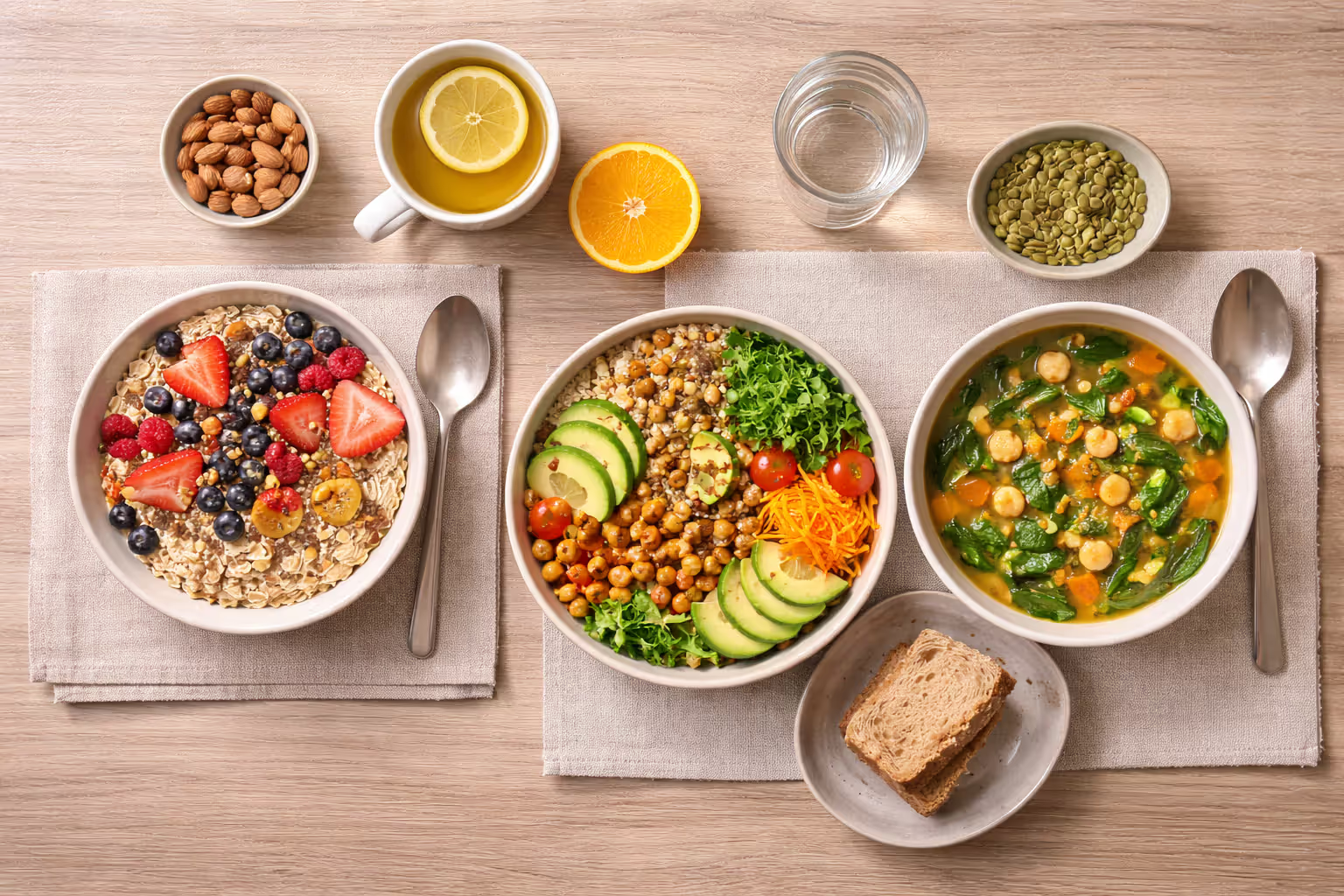
Breakfast: Start your day with a nourishing and light breakfast that energizes you without weighing you down or creating heaviness that interferes with morning practice. A bowl of cooked oatmeal topped with fresh seasonal fruits, a light sprinkle of warming cinnamon, and a small handful of nuts provides a balanced mix of complex carbohydrates, protein, and healthy fats that sustains energy throughout the morning. Alternatively, a smoothie made with almond milk, fresh spinach, ripe banana, and a spoon of ground flaxseed can be a quick and nutritious option for busy mornings when time is limited.
Lunch: Lunch should be the most substantial meal of the day according to yogic and Ayurvedic traditions, as digestive fire is believed to be strongest when the sun is highest. Focus on creating a good balance of protein, complex carbohydrates, healthy fats, and abundant vegetables. A quinoa salad with chickpeas, cucumber, cherry tomatoes, avocado, and a lemon-tahini dressing offers a complete and satisfying meal rich in plant-based protein. For something warm during cooler months, a vegetable stir-fry with tofu and a side of brown rice can be ideal, providing warmth and grounding energy.
Dinner: Dinner should be the lightest meal of the day according to yoga principles, which suggest eating light in the evening to promote better sleep, more effective digestion overnight, and a clearer mind upon waking. A warming soup like a lentil soup or a vegetable broth with seasonal vegetables, accompanied by a side of steamed greens and a small portion of whole grain bread, serves this purpose well while still providing satisfying nourishment. The emphasis should be on foods that are easy to digest and do not create heaviness that interferes with rest.
Snacks: Healthy snacks can help maintain stable energy levels throughout the day when genuine hunger arises between meals. Excellent options that align with yogic principles include fresh seasonal fruits, a small handful of raw or lightly roasted nuts, plain yogurt with a drizzle of honey and fresh berries, or vegetable sticks such as carrots and celery with hummus. These snacks provide nourishment without the heaviness or stimulating effects that would interfere with practice or mental clarity.
Why a Yoga Diet Matters in Modern Life
In the modern world characterized by unprecedented stress levels and processed food availability, many people turn to yoga not only as a physical practice but as a holistic solution for managing stress, improving health, and restoring balance in everyday life that feels increasingly chaotic. However, one of the most overlooked aspects of a complete yogic lifestyle is nutrition, which serves as the foundation upon which all other practices build. A Yoga Diet plays a vital role in supporting the physical, mental, and spiritual benefits of yoga practice, making it an essential component of long-term wellness rather than an optional addition for the particularly devoted. The principles of yogic nutrition are not arbitrary restrictions but rather time-tested guidelines for eating in ways that support human flourishing at every level.
The relevance of the Yoga Diet to contemporary lifestyles cannot be overstated. Processed foods, irregular meal timing driven by work demands, and stress-driven eating patterns can disrupt digestion and negatively affect both physical and emotional health in ways that many people have come to accept as normal. Yogic nutrition offers a structured yet flexible framework that helps individuals reconnect with their body's natural hunger signals, improve gut health, and stabilize energy levels throughout the day without the crashes and cravings associated with modern processed diets. These benefits make the Yoga Diet particularly appealing to busy professionals seeking sustainable wellness solutions, dedicated yoga practitioners wanting to deepen their practice, and anyone seeking a more conscious and intentional approach to the fundamental act of eating.
Additionally, adopting a Yoga Diet supports consistency and depth in yoga practice itself in ways that many practitioners do not initially anticipate. Light, easily digestible meals enhance flexibility, endurance, and focus during asana practice, while also deepening meditation and breathwork experiences by reducing physical distractions and mental fog. Over time, this creates a positive feedback loop in which mindful eating reinforces yoga practice, and yoga practice strengthens awareness and intention around food choices. By understanding why a Yoga Diet matters in modern life and implementing its principles progressively, practitioners can move beyond surface-level health trends and embrace a lifestyle rooted in balance, simplicity, and awareness that has supported human wellbeing for thousands of years.
The Connection Between Yoga Diet and Ayurveda
The Yoga Diet shares deep roots with Ayurveda, the ancient Indian system of medicine that has guided health and healing practices for thousands of years. Both traditions emerged from the same philosophical soil and share fundamental understandings about the relationship between food, consciousness, and wellbeing. Ayurveda provides a sophisticated framework for understanding individual constitution, or dosha, which helps practitioners personalize their dietary choices beyond general guidelines. According to Ayurvedic principles, each person has a unique combination of the three doshas, known as Vata, Pitta, and Kapha, which influence their physical characteristics, mental tendencies, and nutritional needs. Understanding your predominant dosha can help refine your approach to the Yoga Diet, suggesting which Sattvic foods are most balancing for your particular constitution and which might be emphasized or minimized based on your individual needs.
Ayurveda also emphasizes the importance of eating according to season and time of day, principles that complement the Yoga Diet beautifully. During colder months, warming foods like cooked grains, soups, and gently spiced dishes support balance, while summer calls for cooling foods like fresh fruits, raw vegetables, and lighter preparations. The concept of agni, or digestive fire, is central to Ayurvedic nutrition and explains why proper meal timing and eating when genuinely hungry are so important. When agni is strong, food is efficiently transformed into nourishment; when it is weak or irregular, even the healthiest foods may not be properly assimilated. Practices like drinking warm water, eating the largest meal at midday when digestive fire is strongest, and allowing complete digestion between meals all support healthy agni and complement the principles of the Yoga Diet.
Common Challenges and How to Overcome Them
Transitioning to a Yoga Diet often presents challenges that can discourage practitioners if not addressed thoughtfully. Social situations, travel, family dynamics, and ingrained eating habits can all create obstacles to maintaining yogic eating principles consistently. However, approaching these challenges with flexibility, self-compassion, and creative problem-solving allows practitioners to maintain their commitment without becoming rigid or stressed. When eating with others who do not follow a Yoga Diet, focus on choosing the most Sattvic options available rather than refusing to participate in shared meals. Most restaurants and social gatherings offer some vegetable-based dishes, whole grains, or simple preparations that align with yogic principles, and maintaining connection with others is itself an expression of yogic values.
Another common challenge is the perception that healthy eating requires extensive time and culinary skill. In reality, many of the simplest preparations, such as fresh fruit, steamed vegetables, basic grain dishes, and legume soups, are both easy to prepare and perfectly aligned with Sattvic principles. Building a repertoire of quick, simple meals that you can prepare even when tired or busy ensures that convenience does not become an excuse for abandoning your dietary intentions. Batch cooking staples like grains and beans on weekends, keeping fresh fruits and vegetables readily available, and having simple healthy snacks prepared can make Sattvic eating easier than reaching for processed alternatives. Remember that the Yoga Diet is a practice of continuous refinement rather than a standard of perfection, and each meal is an opportunity to make the most conscious choice available given your current circumstances.
Conclusion: Nourishing the Complete Self
The Yoga Diet represents far more than a collection of dietary guidelines or a list of foods to eat and avoid. It embodies a complete philosophy of nourishment that recognizes the profound connection between what we consume and who we become, between the food on our plates and the clarity of our minds, between our eating choices and our capacity for compassion and spiritual growth. By aligning our eating habits with the timeless principles of Ahimsa and Sattva, we create internal conditions that support not only physical health but also the mental clarity, emotional stability, and spiritual receptivity that yoga practice cultivates.
Implementing a Yoga Diet is a journey rather than a destination, a practice of continuous refinement rather than a state of perfection to be achieved. Like yoga itself, this dietary approach invites us to bring awareness and intention to actions that might otherwise remain unconscious, transforming the mundane act of eating into an opportunity for mindfulness and self-development. As you explore these principles and gradually incorporate them into your life, remain patient with yourself and curious about the effects you observe. Notice how different foods affect your energy, mood, and practice. Pay attention to the relationship between your eating patterns and your capacity for presence and compassion.
The ultimate goal of a Yoga Diet is not restriction or deprivation but rather the cultivation of a harmonious relationship with food that nourishes every dimension of your being. When we eat with awareness, gratitude, and respect for the life that sustains us, we participate in a practice as profound and transformative as any asana or meditation. May your exploration of yogic nutrition support your health, deepen your practice, and contribute to the peace and wellbeing of all beings whose lives are touched by your choices.
Frequently Asked Questions About the Yoga Diet
Related Stories

Read more

Read more




The content on yogapennsylvania.com is provided for general informational and inspirational purposes only. It is intended to share yoga tips, meditation practices, wellness guidance, retreat experiences, and lifestyle insights, and should not be considered medical, therapeutic, fitness, or professional health advice.
All information, articles, images, and wellness-related materials presented on this website are for general informational purposes only. Individual health conditions, physical abilities, wellness goals, and experiences may vary, and results can differ from person to person.
Yogapennsylvania.com makes no representations or warranties regarding the accuracy, completeness, or reliability of the content provided and is not responsible for any errors or omissions, or for decisions or actions taken based on the information presented on this website. Readers are encouraged to consult qualified healthcare or wellness professionals before beginning any new yoga, meditation, or fitness practice.