
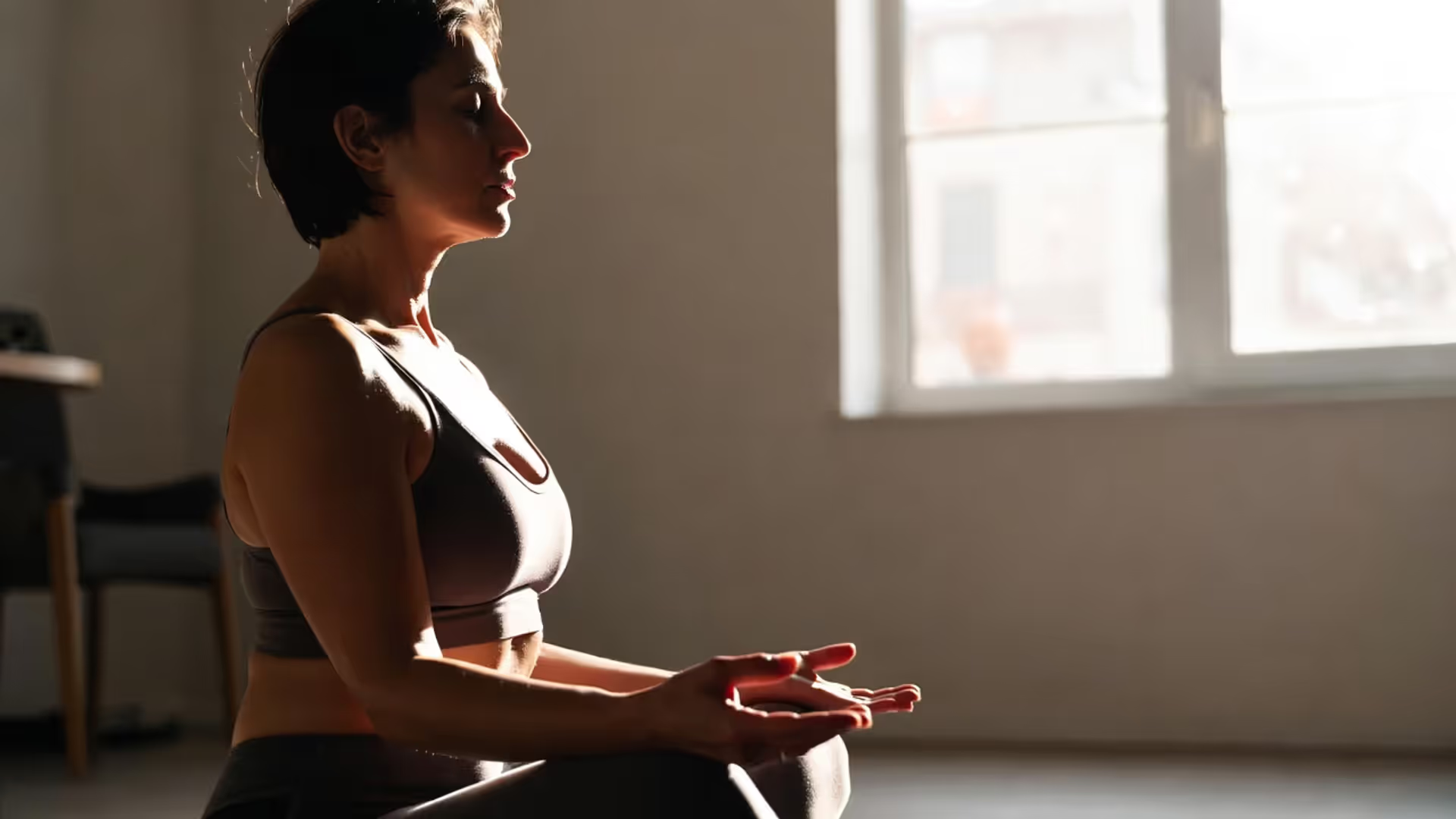
Yoga for Stress Relief Guide for Every Level
Yoga for Stress Relief Guide for Every Level

Stress is a common condition, a response to physical or emotional pressure that affects individuals from all walks of life. It manifests through a variety of symptoms ranging from headaches and sleep disturbances to more severe issues such as depression and chronic fatigue. The impact of stress is not only limited to one's mental health but extends to physical health, increasing the risk of conditions like heart disease, obesity, and diabetes. In contemporary society, stress has become an almost ubiquitous experience, affecting people regardless of their age, profession, or socioeconomic background. The pervasive nature of stress in modern life has prompted researchers, healthcare professionals, and individuals alike to seek effective strategies for managing this challenging condition. The consequences of chronic stress extend far beyond temporary discomfort, potentially leading to serious health complications that can significantly diminish one's quality of life and longevity.
In the quest for effective stress management strategies, yoga stands out as a holistic solution. Rooted in ancient Indian philosophy, yoga is more than just physical exercise; it is a comprehensive practice that integrates physical postures (asanas), breathing exercises (pranayama), and meditation (dhyana) to foster harmony between the body and mind. This practice has been embraced globally not only for its physical benefits but also for its profound ability to relieve stress and enhance overall well-being. The integration of these three fundamental components creates a synergistic effect that addresses stress on multiple levels simultaneously, making yoga one of the most comprehensive approaches to wellness available today. Unlike many modern stress-relief techniques that focus on only one aspect of the mind-body connection, yoga offers a multidimensional approach that has been refined over thousands of years of practice and observation.
By integrating yoga into daily routines, individuals can tap into a powerful tool that mitigates stress through calming the mind, strengthening the body, and fostering an enhanced sense of control and self-awareness. Research supports the benefits of yoga in reducing stress markers in the body and improving symptoms associated with mental health disorders such as anxiety and depression. As we continue to explore the intersection of traditional practices and modern health needs, yoga offers a time-tested pathway to a healthier, more balanced life. The accessibility of yoga, which can be practiced virtually anywhere with minimal equipment, makes it an ideal choice for people seeking sustainable stress management solutions that can be easily incorporated into even the busiest schedules.
Understanding Stress: Definitions, Sources, and Consequences
Definition and Biological Implications of Stress
Stress is defined as the body's response to any demand or challenge, characterized by mental and physical tension or strain. Biologically, stress involves the activation of the nervous and endocrine systems, triggering a cascade of physiological responses that prepare the body for immediate action. When stressed, the body releases hormones such as adrenaline and cortisol, initiating the "fight or flight" response, which increases alertness, heart rate, and energy supplies to prepare the body for immediate action. This evolutionarily preserved mechanism served our ancestors well when facing physical threats such as predators or environmental dangers, but in modern contexts, the same response is often triggered by psychological stressors that cannot be resolved through physical action alone.
The physiological cascade that occurs during stress is remarkably complex and involves multiple organ systems working in concert. The hypothalamus, a small region at the base of the brain, serves as the command center for stress responses, signaling the adrenal glands to release stress hormones. These hormones then circulate throughout the body, affecting virtually every organ system. The cardiovascular system responds with increased heart rate and blood pressure, the respiratory system increases breathing rate to provide more oxygen, the digestive system slows its processes to redirect energy, and the immune system temporarily enhances its inflammatory responses. While these changes are adaptive in short-term emergencies, their prolonged activation can lead to significant wear and tear on the body's systems.
Common Sources of Stress in Modern Life
In today's world, stress triggers are often related to everyday activities rather than immediate physical dangers, representing a significant shift from the environmental pressures our ancestors faced. These include work pressures such as demanding deadlines, difficult colleagues, and job insecurity; financial difficulties including debt, unexpected expenses, and economic uncertainty; relationship issues ranging from conflicts with partners and family members to social isolation; and the constant connectivity provided by digital technology, which can prevent individuals from disconnecting and relaxing. The always-on nature of modern technology means that work emails can arrive at any hour, social media creates constant comparison with others' curated lives, and the expectation of immediate responsiveness adds another layer of pressure to daily existence.
Additional sources of stress in contemporary society include commuting and traffic, which consume significant time and energy for many urban dwellers; information overload from the constant stream of news and media; environmental concerns and climate anxiety; healthcare challenges and health-related worries; caregiving responsibilities for children, elderly parents, or both simultaneously; and the general pace of modern life that leaves little room for rest and recovery. The cumulative effect of these multiple stressors can be overwhelming, as each individual pressure may seem manageable on its own but becomes problematic when combined with the others. This phenomenon, sometimes referred to as "stress stacking," helps explain why even relatively minor daily hassles can eventually lead to significant health consequences when they accumulate over time without adequate relief.

Author: Ava Mitchell;
Source: yogapennsylvania.com
Long-Term Consequences of Unmanaged Stress
If stress is not effectively managed, it can lead to chronic health issues that significantly impact quality of life and longevity. Long-term exposure to stress hormones can weaken the immune system, making the body more susceptible to infections and illnesses; increase the risk of cardiovascular diseases, hypertension, and stroke; contribute to metabolic disorders including diabetes and obesity; and exacerbate mental health disorders like anxiety, depression, and cognitive decline. The relationship between chronic stress and these health conditions has been extensively documented in medical literature, with research demonstrating clear mechanisms by which prolonged stress exposure leads to tissue damage and dysfunction across multiple organ systems.
Furthermore, chronic stress can impair cognitive functions, affecting memory, concentration, and decision-making processes. The hippocampus, a brain region crucial for learning and memory formation, is particularly vulnerable to the effects of chronic stress hormones, with prolonged cortisol exposure potentially leading to structural changes in this important area. Stress also affects sleep quality, creating a vicious cycle where poor sleep increases stress sensitivity and impaired stress management further disrupts sleep patterns. Understanding these risks is essential for taking proactive steps to manage stress through methods like yoga and other evidence-based stress-reduction techniques. The recognition that stress is not merely an unpleasant experience but a genuine health hazard has led to increased interest in preventive approaches that can interrupt the stress-disease connection before serious damage occurs.
The Basics of Yoga: History, Philosophy, and Practice
Historical Origins and Philosophy of Yoga
Yoga is an ancient practice with its origins tracing back over 5,000 years in India, making it one of the oldest continuous practices aimed at physical, mental, and spiritual development. Initially, the primary aim of yoga was to achieve spiritual enlightenment and a deeper connection with the divine, transcending the limitations of ordinary human consciousness. The philosophy of yoga is rooted in the integration of the mind, body, and spirit, emphasizing the development of a harmonious balance between these elements that allows practitioners to experience life more fully and authentically. The foundational texts of yoga, such as the Yoga Sutras of Patanjali, outline the ethical precepts and philosophical underpinnings that guide the practice, emphasizing principles like truth (satya), discipline (tapas), self-awareness (svadhyaya), and universal morality (yamas and niyamas).
The word "yoga" itself derives from the Sanskrit root "yuj," meaning to yoke or unite, reflecting the practice's fundamental goal of bringing together disparate aspects of human experience into a unified whole. Over the millennia, yoga has evolved and branched into numerous traditions and schools, each with its own emphases and methods, but all sharing the common thread of seeking integration and balance. The transmission of yoga from India to the Western world began in earnest in the late 19th and early 20th centuries, with teachers like Swami Vivekananda and later B.K.S. Iyengar, Pattabhi Jois, and T.K.V. Desikachar introducing various aspects of the practice to eager Western audiences. Today, yoga has become a global phenomenon, practiced by millions of people across diverse cultures and contexts, though often with greater emphasis on physical postures than the broader philosophical framework that originally encompassed the practice.
Yoga is the journey of the self, through the self, to the self.
— Bhagavad Gita
Key Components of Yoga
Yoga encompasses several key components that work together synergistically to enhance physical, mental, and emotional health, creating a comprehensive system of self-development and wellness. The three primary elements of traditional yoga practice are asanas (physical postures), pranayama (breathing techniques), and dhyana (meditation), though a complete yoga practice may also include ethical guidelines, sensory withdrawal, and concentration exercises.
- Postures (Asanas): These are specific positions that improve strength, flexibility, and balance. Each posture has specific physical benefits and is typically held for a period of time to deepen the stretch and improve muscle tone. Asanas range from simple standing poses to complex inversions and balancing postures, with options available for practitioners at every level of ability. The physical practice of asanas helps release muscular tension, improve circulation, and create a sense of embodiment that can counteract the dissociative effects of chronic stress.
- Breathing Techniques (Pranayama): This involves the conscious awareness and control of breath, which is considered the bridge between the body and mind in yogic philosophy. Pranayama techniques are used to improve lung capacity, calm the mind, and regulate the flow of energy throughout the body. Different breathing patterns can either energize or calm the nervous system, giving practitioners powerful tools for self-regulation. The practice of conscious breathing also develops interoceptive awareness, helping individuals become more attuned to their internal states.
- Meditation (Dhyana): Meditation in yoga involves deep, sustained concentration that helps to quieten the mind and achieve a state of profound peace and mental clarity. Through regular meditation practice, individuals can develop greater awareness of their thought patterns, reduce mental chatter, and cultivate a sense of equanimity that extends into daily life. Various meditation techniques are employed in yoga, from focused attention practices to open monitoring approaches, each offering unique benefits for stress reduction and psychological well-being.
Different Styles of Yoga and Their Unique Benefits
There are various styles of yoga, each with unique characteristics and benefits that make them suitable for different individuals and purposes. Understanding these distinctions can help practitioners choose the style that best aligns with their goals, physical condition, and personal preferences. The following table provides an overview of some popular yoga styles and their primary characteristics:
| Yoga Style | Characteristics | Benefits |
| Hatha Yoga | Slow, gentle movements; emphasis on basic postures and alignment; longer holds | Excellent for beginners; builds foundation; promotes relaxation and flexibility |
| Vinyasa Yoga | Dynamic flow; breath-synchronized movement; creative sequencing | Cardiovascular fitness; strength building; mental focus through movement |
| Ashtanga Yoga | Rigorous, set sequence; physically demanding; rapid transitions | Physical stamina; discipline; mental fortitude; detoxification |
| Restorative Yoga | Passive poses; extensive prop use; extended holds (5-20 minutes) | Deep relaxation; nervous system healing; stress relief; recovery |
| Yin Yoga | Slow-paced; targets connective tissues; long holds (3-5 minutes) | Improved flexibility; joint health; meditative quality; emotional release |
Understanding these basics of yoga can help individuals choose the style that best suits their needs and goals, whether they are looking to reduce stress, enhance physical fitness, or gain spiritual insight. Many practitioners find that their preferences evolve over time, and combining different styles can provide a well-rounded practice that addresses various aspects of wellness.

Author: Ava Mitchell;
Source: yogapennsylvania.com
Yoga as a Stress Reliever: Scientific Evidence and Mechanisms
Scientific Evidence Supporting Yoga's Effectiveness
Yoga has been extensively studied for its efficacy in reducing stress, with numerous scientific studies corroborating its positive effects on both psychological and physiological measures of stress. Research has demonstrated that regular yoga practice can significantly decrease the levels of cortisol, the primary stress hormone, in the body, with some studies showing reductions of 20-30% following consistent practice. Studies also indicate improvements in heart rate variability, a key marker of the body's ability to respond to stress more flexibly, suggesting that yoga helps restore the balance between the sympathetic and parasympathetic branches of the autonomic nervous system. Systematic reviews published in peer-reviewed journals have consistently found that yoga can help reduce stress and anxiety levels in various populations, including healthy adults, individuals with chronic illnesses, and those experiencing work-related stress.
Beyond cortisol and heart rate variability, researchers have examined yoga's effects on numerous other biomarkers associated with stress and health. Studies have documented improvements in inflammatory markers such as C-reactive protein and interleukin-6, which are elevated during chronic stress and associated with various disease processes. Brain imaging studies have shown that regular yoga practice is associated with structural changes in brain regions involved in emotional regulation, including increased gray matter volume in the hippocampus and prefrontal cortex. Genetic studies have even suggested that yoga practice may influence gene expression patterns related to stress response and immune function. This growing body of evidence has led major health organizations to recognize yoga as a legitimate complementary approach for stress management, with the National Institutes of Health and World Health Organization both acknowledging its potential benefits.
How Yoga Affects the Mind and Body
Yoga's ability to alleviate stress is largely due to its comprehensive approach that affects both the mind and body through multiple interconnected mechanisms. Unlike interventions that target only one aspect of the stress response, yoga simultaneously addresses physical tension, breathing patterns, and cognitive processes, creating a synergistic effect that enhances its overall effectiveness. The practice of yoga helps reduce cortisol levels through several pathways, including the activation of the parasympathetic nervous system, the release of muscle tension, and the interruption of ruminative thought patterns. Lower cortisol levels can lead to better control of blood sugar levels, improved immune function, and reduced inflammation throughout the body.
Yoga stimulates the parasympathetic nervous system, often referred to as the "rest and digest" system, which helps calm and relax the body after the stress response has been triggered. This is achieved through practices like deep breathing, which increases the intake of oxygen and activates the vagus nerve, promoting a state of calm that counteracts the effects of chronic stress activation. Additionally, the physical postures help release muscular tension that accumulates during periods of stress, particularly in areas like the shoulders, neck, and lower back where many people hold stress-related tightness. The combination of physical release and nervous system regulation creates a powerful antidote to the chronic activation that characterizes modern stress.
Yoga also encourages mindfulness, which involves staying connected and present in the moment rather than dwelling on past regrets or future worries. This mindfulness can help practitioners recognize stress triggers more quickly and respond to them more effectively, breaking the automatic reactive patterns that often perpetuate stress cycles. Research has shown that mindfulness practices, which are central to yoga, can actually change the brain's structure and function in ways that support better emotional regulation. Over time, regular yoga practice helps develop a greater capacity for interoception, the awareness of internal bodily sensations, which allows individuals to notice the early signs of stress before it escalates into full-blown activation.
The nature of yoga is to shine the light of awareness into the darkest corners of the body.
— Jason Crandell, Yoga Teacher and Author
Personal Stories and Case Studies
Personal anecdotes and case studies add a human touch to the scientific data, illustrating the real-world benefits of yoga for stress relief in ways that statistics alone cannot convey. Consider the example of an individual who managed chronic anxiety through regular yoga practice, noting specific improvements like better sleep quality, reduced frequency and intensity of anxiety episodes, and a greater sense of overall well-being and life satisfaction. Another compelling story describes how yoga helped a high-stress professional manage work-related stress more effectively, leading to enhanced productivity, improved relationships with colleagues, greater job satisfaction, and eventually a more balanced approach to career and personal life that prevented burnout.
Healthcare settings have increasingly incorporated yoga programs, with documented benefits for diverse populations facing various stressors. Cancer patients have reported reduced anxiety and improved quality of life through yoga practice, with some studies showing decreased need for anti-anxiety medications. Veterans dealing with post-traumatic stress have found relief through specialized yoga programs designed to address trauma-related symptoms. Students facing academic pressure have used yoga to manage test anxiety and improve concentration. Corporate wellness programs have reported decreased absenteeism and healthcare costs following the introduction of workplace yoga classes. These narratives not only underscore the practical benefits of yoga but also provide relatable insights that can motivate others to try yoga as a method for managing their stress.
Practical Yoga Techniques for Stress Management
Yoga Poses for Stress Relief
Several yoga poses are particularly effective for alleviating stress and can be incorporated into a daily routine with minimal time investment or equipment requirements. The Child's Pose (Balasana) is a restful position that helps to soothe the nervous system and is perfect for relieving stress and fatigue, providing a sense of safety and comfort that activates the relaxation response. It involves sitting on your knees, bending forward, and stretching your arms in front of or alongside your body, with your forehead resting on the ground, allowing the spine to release and the breath to deepen naturally. This pose is accessible to most practitioners and can be modified with props for those with knee or hip limitations.
The Cat-Cow Stretch (Marjaryasana-Bitilasana) is a gentle flow between two poses that helps to relieve tension in the torso, shoulders, and neck while enhancing spinal flexibility and coordination between breath and movement. It involves alternating between arching the back upwards while looking down (Cat) and dipping the spine down while raising the head (Cow), creating a rhythmic movement that massages the spine and internal organs. This sequence is particularly helpful for those who spend long hours sitting, as it counteracts the postural stress of desk work and helps restore natural spinal curves. The coordination of breath with movement also helps develop the mind-body connection that is central to yoga's stress-relieving benefits.
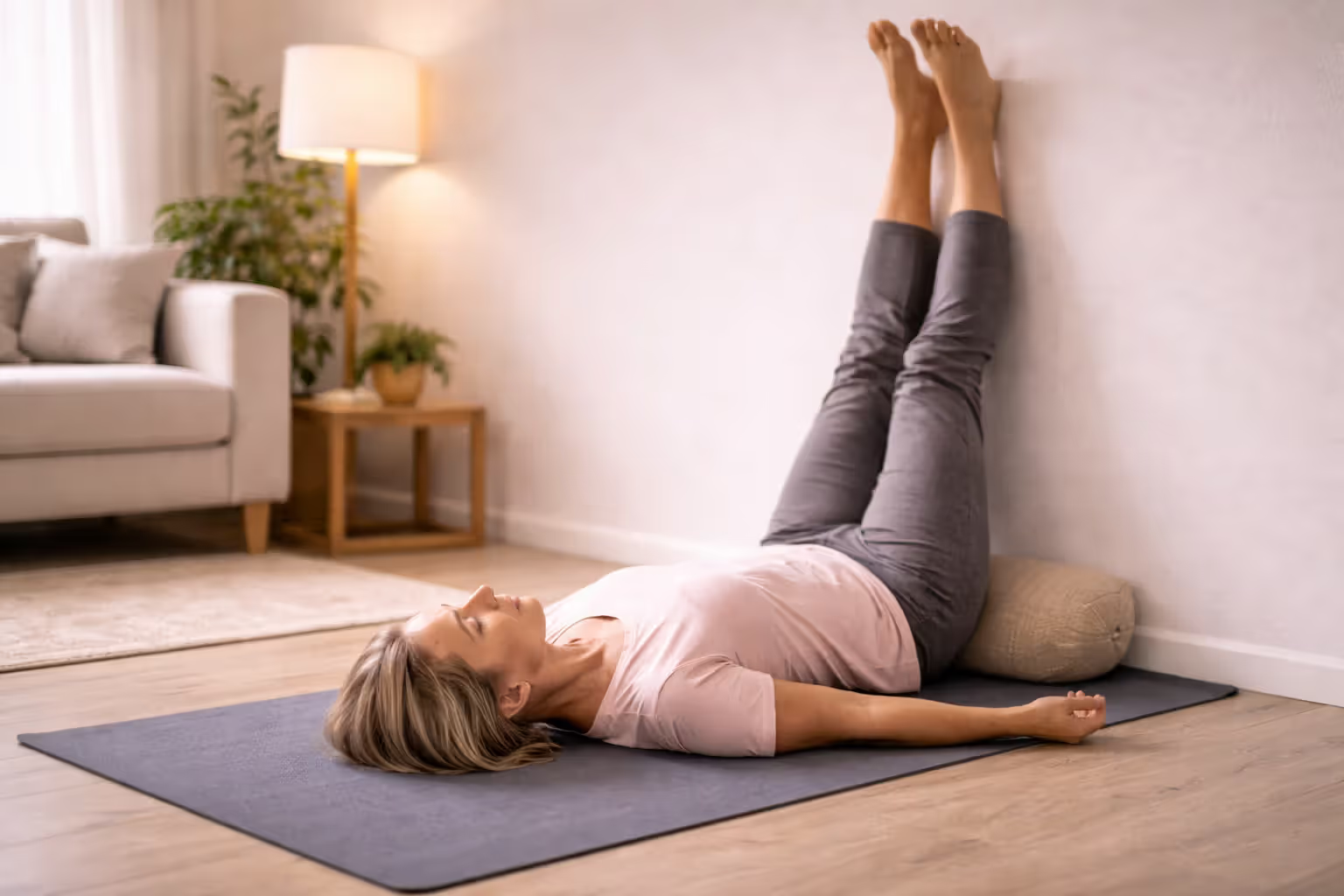
The Legs-Up-The-Wall Pose (Viparita Karani) is an excellent restorative position for relaxing the mind, easing anxiety, and improving blood circulation, making it ideal for ending the day or recovering from particularly stressful periods. It involves lying on your back and resting your legs vertically against a wall, allowing gravity to assist with venous return and reduce swelling in the lower extremities. This pose activates the parasympathetic nervous system and can help lower blood pressure and heart rate within minutes. Many practitioners find this pose particularly helpful for insomnia, as it calms the mind and prepares the body for restful sleep.
Author: Ava Mitchell;
Source: yogapennsylvania.com
Breathing Exercises for Managing Acute Stress
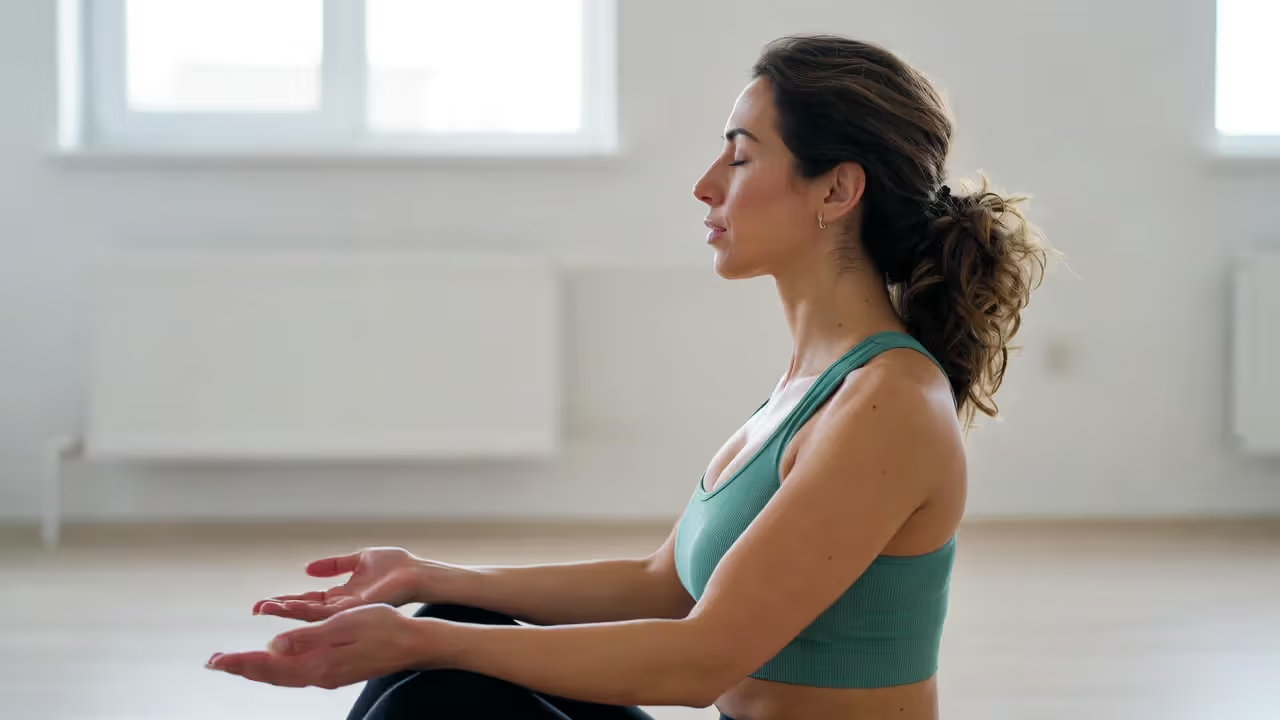
Breathing exercises, or Pranayama, are a core component of yoga that help in managing stress effectively, offering techniques that can be practiced virtually anywhere and at any time when stress arises. Deep Breathing, also known as Diaphragmatic Breathing, involves breathing deeply through the diaphragm rather than shallowly through the chest, helping to calm the nervous system and reduce the physical symptoms of stress. It can be practiced by inhaling deeply through the nose, allowing the abdomen to rise as the lungs fill completely, and then exhaling slowly and fully through the nose or mouth. This type of breathing activates the vagus nerve and signals safety to the brain, counteracting the fight-or-flight response that accompanies stress.
Alternate Nostril Breathing (Nadi Shodhana) is a more advanced technique that is excellent for clearing the mind, balancing emotional states, and harmonizing the two hemispheres of the brain. It involves closing one nostril with a finger while inhaling through the other, then closing the latter and exhaling through the former, alternating between each breath in a rhythmic pattern. This practice has been shown to reduce blood pressure and calm the nervous system, with some research suggesting it may improve cognitive function and emotional regulation. Regular practice of this technique can help develop greater respiratory awareness and control that carries over into stressful situations.
Author: Ava Mitchell;
Source: yogapennsylvania.com
Guided Meditation Techniques for Mental Health
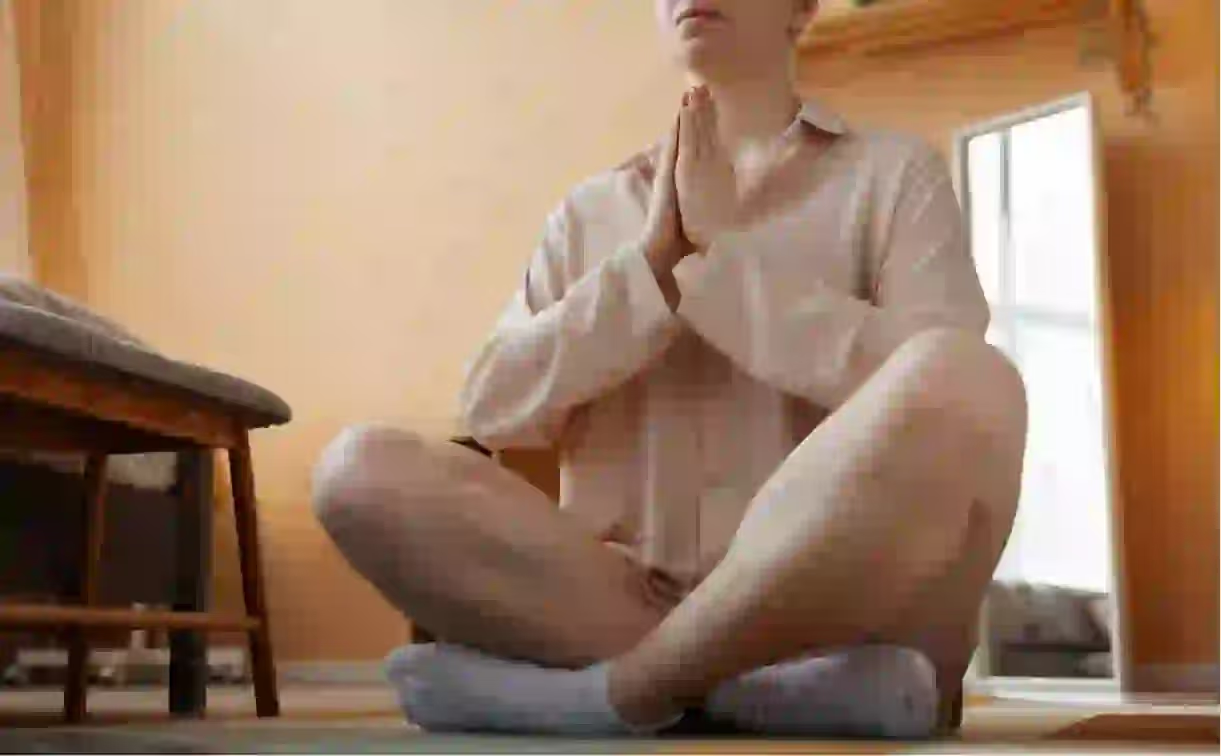
Guided meditations focus on achieving mental clarity and emotional calmness and are highly beneficial for reducing stress, particularly for those who find it difficult to quiet the mind on their own. Mindfulness Meditation involves observing thoughts and emotions without judgment, bringing attention back to the breath or a mantra whenever the mind wanders, and developing a state of present-moment awareness that can significantly alleviate stress and anxiety. This practice helps create psychological distance from stressful thoughts, allowing practitioners to respond to challenges rather than react automatically. Research has shown that regular mindfulness practice can reduce activity in the amygdala, the brain's fear center, even when not actively meditating.
Body Scan Meditation is another powerful technique that involves mentally scanning your body from head to toe, noticing areas of tension, and consciously relaxing those areas through breath and intention. This practice is particularly useful for connecting physical sensations with mental states, helping practitioners recognize how stress manifests in their bodies and promoting a deep sense of relaxation that extends beyond the meditation session itself. By systematically releasing muscular tension, the body scan interrupts the feedback loop between physical tension and mental stress that can otherwise perpetuate chronic stress patterns.
Author: Ava Mitchell;
Source: yogapennsylvania.com
Integrating Yoga into Daily Life
Tips for Beginners on Starting a Yoga Practice
Starting a yoga practice can be transformative, and it is important for beginners to approach it with patience, self-compassion, and realistic expectations about the journey ahead. Beginning slowly with basic poses and gradually increasing the complexity and duration of sessions helps build confidence, prevents injury, and allows the body to adapt to new movement patterns without becoming overwhelmed. Choosing the right style is also crucial for maintaining motivation, as different styles of yoga offer varying intensities and focuses that may be more or less appropriate depending on individual goals and physical conditions. Beginners may find styles like Hatha or Iyengar yoga more accommodating, as they focus more on alignment and controlled movements, providing a strong foundation for more advanced practice later.
There are numerous resources available for beginners, including online tutorials, mobile applications, local classes at studios and community centers, and instructional books and videos. Platforms like YouTube offer free instructional videos that are perfect for getting started, allowing new practitioners to explore different teachers and styles before committing to a particular approach. However, attending at least a few in-person classes with a qualified instructor can be invaluable for receiving feedback on alignment and form, which can prevent the development of bad habits that might lead to injury. Many studios offer beginner series or introductory workshops specifically designed to provide new students with a solid foundation in yoga basics.
Advice on Creating a Conducive Environment for Yoga at Home
Having a designated space for yoga can significantly enhance the practice and make it a regular part of your routine, creating a physical anchor that supports the habit of regular practice. Choosing a quiet corner of your home that is free from distractions and interruptions creates the ideal conditions for focused practice, though any space that allows for movement and relative privacy can work. The space should be well-ventilated and have enough room to move freely in all directions, with a yoga mat providing cushioning and grip, and additional props like cushions, blankets, or blocks available for comfort and support as needed.
Adding elements that create a calming atmosphere, such as candles, soft lighting, plants, or a small altar with meaningful objects, can make the space more inviting and conducive to relaxation and introspection. Some practitioners find that using incense or essential oils helps signal the transition from daily activities to practice time, engaging the sense of smell to trigger the relaxation response. Keeping the space clean and uncluttered helps minimize distractions and creates a sense of sacred space dedicated to self-care and growth. The investment in creating this environment pays dividends in the form of a more consistent and satisfying practice.
How to Maintain Consistency and Motivation in Practicing Yoga
Keeping a regular yoga practice can be challenging in the face of busy schedules and competing demands, but there are proven strategies that can help maintain consistency and motivation over the long term. Setting realistic goals that motivate without overwhelming is essential, whether those goals involve improving flexibility, reducing stress, building strength, or simply dedicating time for yourself each day. Practicing at the same time each day helps in forming a habit, as the brain begins to associate that time slot with yoga and prepares accordingly. Even a few minutes of practice can be beneficial, so practitioners should not feel pressured to allocate extensive time initially, understanding that short consistent practice outperforms sporadic lengthy sessions.
Tracking progress through a journal or practice log can help you see improvements over time and maintain motivation, noting how you feel before and after sessions and observing patterns in your practice. Joining a yoga community, whether online or in-person, can provide support, accountability, and motivation through connection with others who share similar goals. Group classes can be a fun way to meet people, learn from their experiences, and stay committed to your practice through the positive social pressure of regular attendance. Varying your practice by trying new styles, teachers, or poses can also prevent boredom and keep the practice fresh and engaging.
Challenges and Considerations
Common Challenges Beginners Might Face When Starting Yoga
Starting yoga can be daunting for beginners due to several common challenges that may initially seem discouraging but are entirely normal parts of the learning process. Feeling overwhelmed by the variety of poses, the unfamiliar terminology borrowed from Sanskrit, and the new expectations of movement and breath is common but should not deter new practitioners from continuing. It is important to remember that yoga is a personal journey and progressing at one's own pace is not only acceptable but essential for developing a sustainable practice. Comparison with more experienced practitioners can be particularly challenging in group settings, but cultivating a non-competitive mindset helps maintain focus on personal growth rather than external benchmarks.
Physical discomfort is also common as the body adjusts to new movements and stretches, particularly for those who have not engaged in regular physical activity or who carry significant muscular tension from chronic stress. This initial discomfort typically diminishes with consistent practice as the body becomes more flexible and strong, but gradual engagement and careful attention to alignment are essential to prevent discouragement and injury. Some beginners may also struggle with the mental aspects of practice, finding it difficult to quiet the mind during meditation or to maintain focus during poses. Understanding that the wandering mind is a universal experience rather than a personal failing can help new practitioners persist through these early challenges.
Addressing Misconceptions About Yoga
Several misconceptions about yoga can deter people from trying it out, but these myths need to be addressed and clarified to make yoga accessible to everyone who might benefit from its practice. One of the most common misconceptions is that one needs to be fit or flexible to practice yoga, but in reality, yoga is actually very inclusive and can be adapted to all fitness levels and physical conditions. The therapeutic effects of yoga are beneficial regardless of one's initial flexibility or strength, and many poses can be modified with props or alternative positions to accommodate different bodies and abilities. Yoga is not about achieving perfect poses but about working with your body as it is and gradually expanding its capabilities.
Another common misconception is that yoga is only for stress relief or relaxation, but while yoga is indeed renowned for these qualities, its benefits extend far beyond them. Yoga has been shown to have therapeutic effects on blood pressure, chronic pain, anxiety, depression, and numerous other health conditions, making it a versatile tool for overall wellness. Some also mistakenly believe that yoga conflicts with religious beliefs, but yoga can be practiced in entirely secular ways that focus on physical and mental health without any spiritual component. Finally, many people assume that yoga requires significant time investment, but even brief daily practice can yield meaningful benefits, making yoga accessible to those with busy schedules.
Safety Tips to Prevent Injuries During Yoga Practice
Practicing yoga safely is crucial to avoid injuries and ensure that the therapeutic aspects of yoga are fully realized without negative consequences. Warming up properly with gentle stretches or a basic warm-up routine can prepare the body for more intense poses and prevent muscle strains or joint injuries that might otherwise occur when the body is cold. Using props such as yoga blocks, straps, and bolsters can help maintain proper alignment and balance, especially in poses that require extensive flexibility or balance that may not yet be developed. These props are not signs of weakness but tools that support safer and more effective practice.
Listening to your body is perhaps the most important safety principle in yoga, as the practice should not cause sharp or intense pain, and any discomfort should be distinguished from the normal sensation of stretching. Respecting your body's limits on any given day and understanding that these limits may vary with factors like sleep, stress, and overall health is key to a safe and sustainable practice. Seeking professional guidance from a qualified instructor is particularly valuable for beginners or those dealing with specific health issues or injuries, as proper instruction can prevent the development of compensatory movement patterns that might lead to problems later.
Conclusion
Integrating yoga into daily life involves more than just performing physical poses; it represents a commitment to creating a lifestyle that fosters both physical and mental well-being through mindful attention to how we move, breathe, and think. By understanding the nature of stress and its impact on our bodies and minds, we can better appreciate why yoga offers such an effective antidote to the pressures of modern existence. The combination of physical postures, breathing exercises, and meditation addresses stress on multiple levels simultaneously, creating a comprehensive approach that few other interventions can match.
By setting up a dedicated practice space, establishing a regular routine, choosing appropriate styles and techniques, and staying connected with a supportive community, anyone can make yoga a rewarding and enduring part of their life. The scientific evidence supporting yoga's benefits continues to grow, validating what practitioners have known for millennia: that the systematic cultivation of body awareness, breath control, and mental focus leads to profound improvements in health and well-being. Whether seeking relief from chronic stress, improved physical fitness, greater emotional resilience, or spiritual growth, yoga offers a time-tested path that adapts to individual needs and evolves with the practitioner throughout their lifetime.
Frequently Asked Questions
Related Stories

Read more
Read more



The content on yogapennsylvania.com is provided for general informational and inspirational purposes only. It is intended to share yoga tips, meditation practices, wellness guidance, retreat experiences, and lifestyle insights, and should not be considered medical, therapeutic, fitness, or professional health advice.
All information, articles, images, and wellness-related materials presented on this website are for general informational purposes only. Individual health conditions, physical abilities, wellness goals, and experiences may vary, and results can differ from person to person.
Yogapennsylvania.com makes no representations or warranties regarding the accuracy, completeness, or reliability of the content provided and is not responsible for any errors or omissions, or for decisions or actions taken based on the information presented on this website. Readers are encouraged to consult qualified healthcare or wellness professionals before beginning any new yoga, meditation, or fitness practice.