

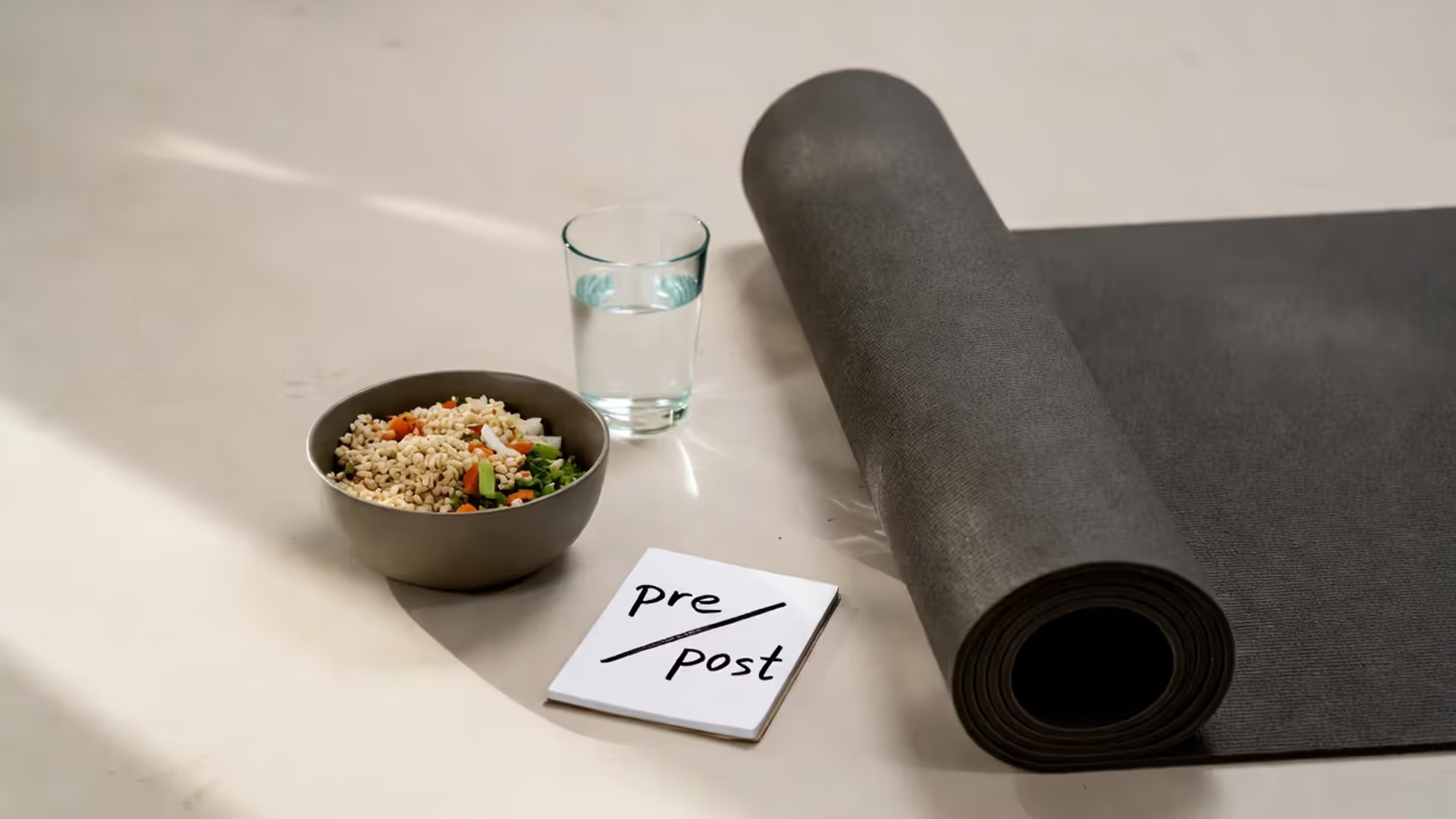
Yoga mat with water bottle and healthy snacks in a studio where people practice vinyasa flow.
What to Eat Before and After Yoga for Recovery

You're ten minutes into a vinyasa flow and your stomach is gurgling loud enough for the person on the next mat to hear. Or maybe you skipped eating entirely, and now your arms are shaking in downward dog — not from effort, but from low blood sugar.
What you eat around your yoga practice shapes everything from your balance and focus to how quickly your muscles recover afterward. Get the timing and food choices right, and your practice feels lighter, steadier, more connected. Get them wrong, and you spend half the class managing discomfort instead of breathing through poses.
This guide covers specific foods, timing windows, and practical meal ideas for before and after yoga — adjusted for different practice intensities and goals.
Why Nutrition Matters for Your Yoga Practice
Yoga asks your body to do things most daily activities don't: sustained holds, deep twists, inversions, controlled breathing. Each of these draws on glycogen stores, requires stable blood sugar, and depends on a gut that isn't working overtime to digest a heavy meal.
The nutritional demands shift based on what type of yoga you practice. A 60-minute restorative class barely elevates your heart rate — your pre-session nutrition matters less here. A 90-minute power vinyasa or Bikram session in a heated room, on the other hand, burns 400–600 calories and depletes electrolytes rapidly. Treating these two the same nutritionally is a common mistake.
A few key connections between food and your practice:
Digestion directly affects comfort in twists, folds, and inversions. A full stomach during a seated spinal twist is genuinely unpleasant — and a common reason beginners feel nauseous in their first few classes. Blood sugar stability determines whether you feel focused in balancing poses or lightheaded in transitions. A 2019 study in the Journal of the International Society of Sports Nutrition found that even moderate blood sugar dips impair proprioception — your body's sense of where it is in space. That matters when you're standing on one foot. Protein and carbohydrate intake after class dictates how well your muscles repair micro-tears from deep stretches and sustained holds.
Fueling for yoga isn't about eating more or less — it's about eating smarter relative to when and how hard you're moving.
— sports nutrition specialist Kelly Jones
What to Eat Before Yoga
The single biggest variable here is time. What works two hours before class will wreck you thirty minutes before.
Author: Lily Patterson;
Source: yogapennsylvania.com
How Long Before Yoga Should You Eat?
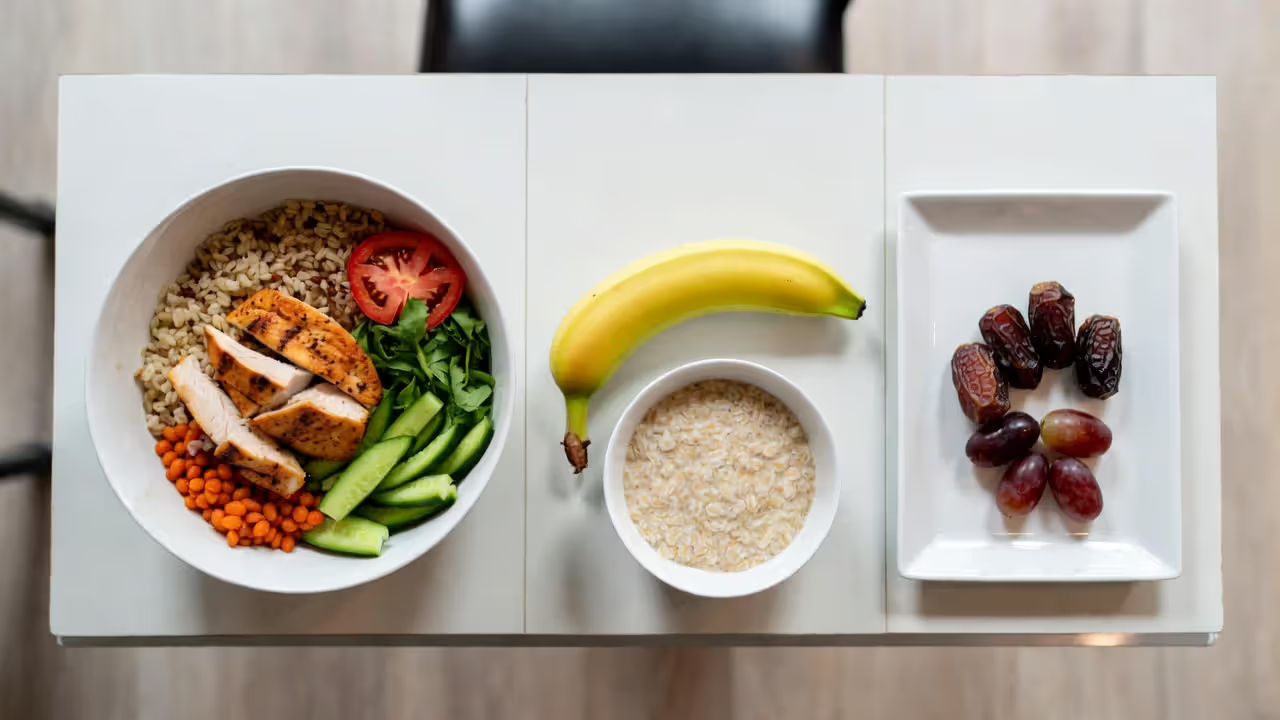
2–3 hours before practice: You have enough runway for a full, balanced meal. This is the sweet spot for people who practice mid-morning or early evening. Aim for a plate that includes complex carbohydrates, a moderate amount of protein, and a small portion of healthy fat. Think a grain bowl with roasted vegetables and grilled chicken, or a rice-and-lentil dish with greens.
About 60 minutes before: Shift to a lighter, carb-forward snack. Your body needs quick-access fuel without the digestive burden of fat and fiber. A banana, a small portion of oatmeal, or a couple of rice cakes with a thin layer of nut butter — enough to top off energy without sitting heavy.
30 minutes or less: Only very small, simple-sugar options work here. A few dates, half a banana, a small handful of grapes. Anything more complex won't digest in time.
Early morning fasted practice: Some people practice well on an empty stomach, especially for gentler styles. The advantage is zero digestive distraction. The trade-off: if your session is intense or longer than 45 minutes, you may hit a wall. If you feel shaky or foggy during morning practice, even a single date or a few sips of diluted juice 15 minutes before can stabilize blood sugar without filling your stomach.
Best Foods Before Yoga Class
| If You Have… | What to Eat | Why It Works |
| 2–3 hours | Balanced meal — complex carbs, protein, healthy fats (grain bowl, eggs with toast, rice and beans) | Provides sustained energy; fully digests before class |
| ~1 hour | Light carb-focused snack — banana, oatmeal, rice cakes | Easy to digest; tops off glycogen without heaviness |
| 30 minutes | Small fruit — dates, grapes, half a banana | Quick glucose for immediate fuel; minimal digestion needed |
| Fasted (morning) | Optional: 1–2 dates or diluted juice | Prevents blood sugar crash without triggering digestion |
Pre Yoga Meal Ideas (Quick and Easy)
These are field-tested combinations that digest well and provide steady energy:
A banana with a tablespoon of almond butter — the classic for a reason. Simple sugars plus a small amount of fat for staying power. Greek yogurt with a handful of blueberries — protein-forward, easy on the stomach, works well 60–90 minutes before class. Overnight oats with chia seeds — prepare the night before, eat two hours out. The slow-digesting carbs carry you through a full session. A slice of whole-grain toast with a quarter avocado and a pinch of salt — satisfying without being heavy. Smoothie: one banana, a handful of spinach, a scoop of protein powder, and water or almond milk — blended foods digest faster than whole foods with the same ingredients.
Foods to Avoid Before Yoga
Author: Lily Patterson;
Source: yogapennsylvania.com
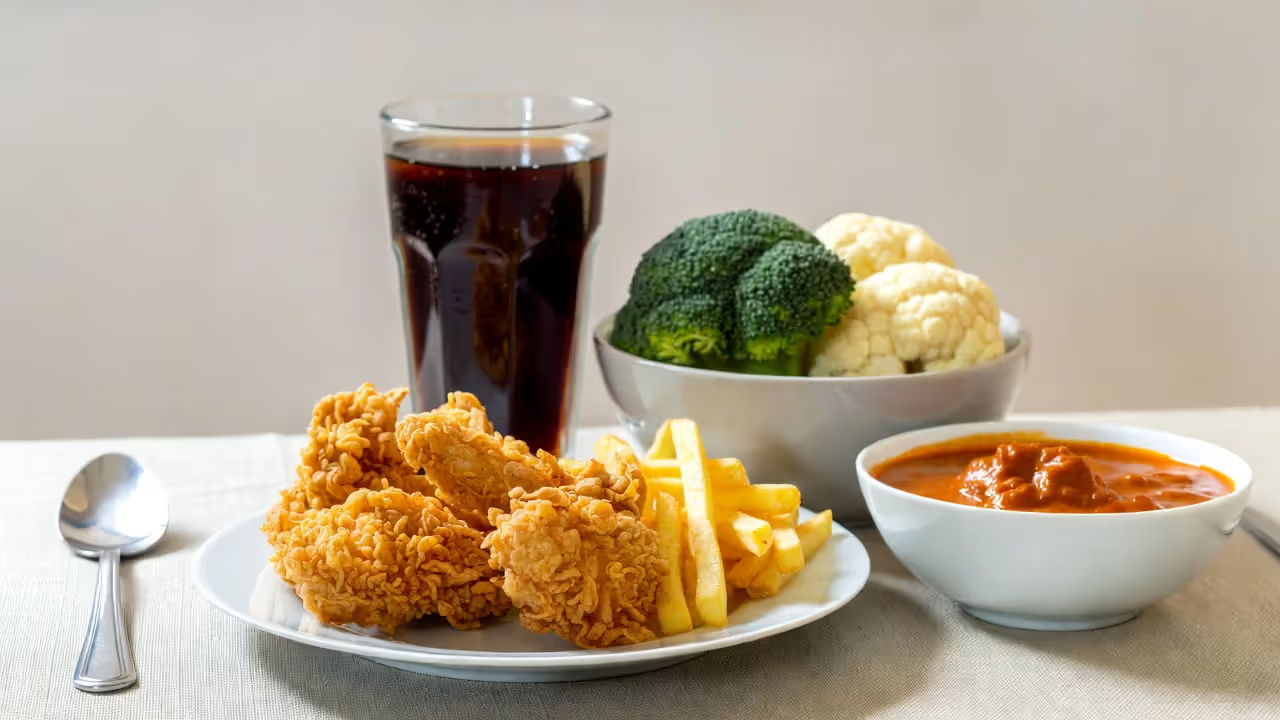
Some foods cause problems regardless of timing:
Fried or greasy foods — slow digestion, increased nausea risk during inversions. Large portions of anything — even "healthy" food in excess will sit like a brick during forward folds. Raw cruciferous vegetables (broccoli, cauliflower, cabbage) — gas production peaks 2–3 hours after eating, which is exactly when you'll be in class. Spicy dishes — can trigger acid reflux, especially in poses where your head drops below your stomach. Carbonated drinks — trapped gas and bloating. Alcohol — even one drink impairs proprioception and balance; your tree pose will suffer.
A quick rule of thumb: if it would make you uncomfortable on a car ride, skip it before yoga.
What to Eat After Yoga for Recovery
Post-practice nutrition depends on intensity. After a gentle yin session, you don't need a recovery meal — just eat your next regular meal when you're hungry. After a demanding power flow or hot yoga class, deliberate refueling matters.
When to Eat After Yoga
The 30-to-60-minute window after an intense session is when your muscles are most receptive to nutrient uptake. This doesn't mean you need to rush to a meal the second class ends — but waiting three or four hours to eat negates much of the recovery benefit.
Aim for a combination of protein (for muscle repair) and carbohydrates (to replenish glycogen). A 3:1 or 4:1 carb-to-protein ratio works well for most yoga practitioners. If your session was primarily stretching-based, the urgency drops significantly.
Hydration is the other half of this equation. Weigh yourself before and after a hot yoga class sometime — the difference is almost entirely water loss. For every pound lost, drink about 16–20 ounces of water. Add a pinch of sea salt or an electrolyte tablet if the session was particularly sweaty.
Author: Lily Patterson;
Source: yogapennsylvania.com
Best Post Yoga Snacks for Muscle Recovery
| Goal | Post Yoga Snack | How It Helps |
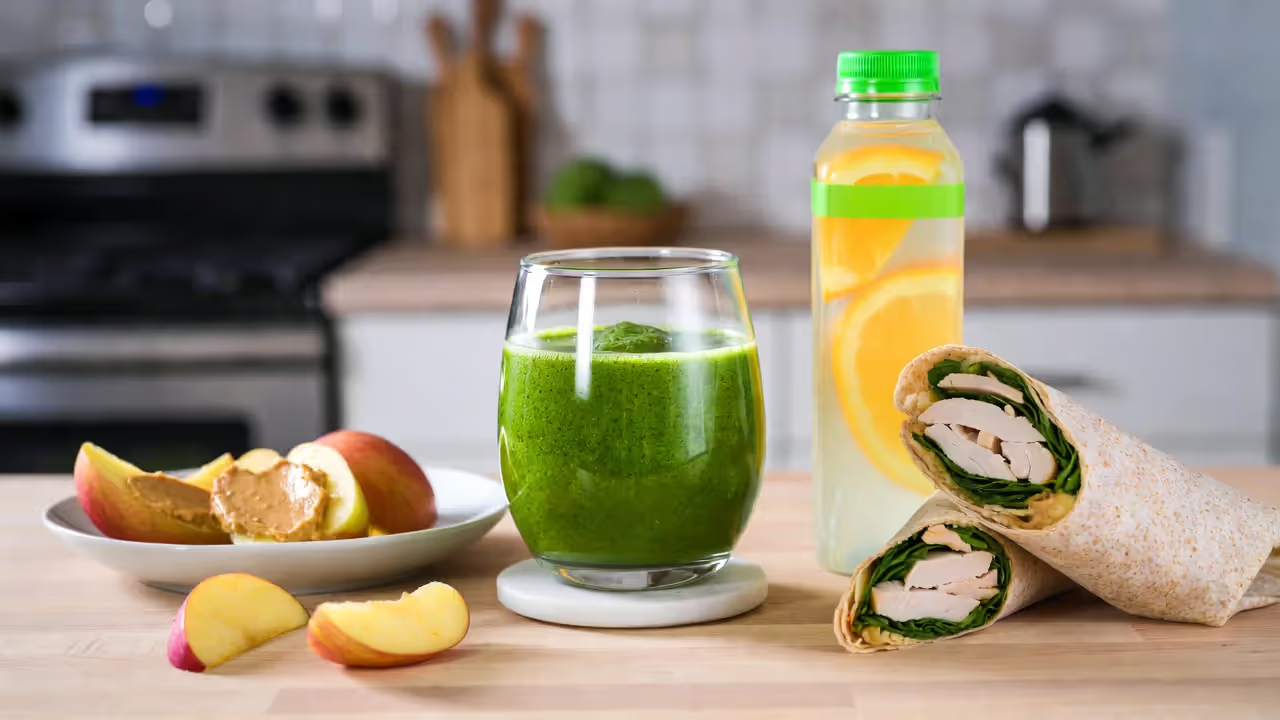
| Muscle repair | Protein smoothie (whey or plant-based protein, banana, milk) | Delivers amino acids quickly; carbs restore glycogen |
| Rehydration | Coconut water with a handful of watermelon or orange slices | Natural electrolytes plus fast-digesting sugars |
| Light recovery | Apple slices with two tablespoons of peanut butter | Balanced carb-protein combo; portable and no prep |
| Sustained refuel | Whole-grain wrap with hummus, turkey, and spinach | Complete meal with carbs, protein, fat, and micronutrients |
Post Yoga Meal Ideas for Different Practice Types
Gentle or Hatha yoga: No special recovery meal required. Your next regular meal — whenever it naturally falls — is enough. Prioritize whole foods and adequate water.
Vinyasa or Power yoga: You've done real muscular work. Within an hour, eat something with 20–30 grams of protein and a solid serving of complex carbs. A salmon fillet over brown rice with roasted sweet potatoes hits every target. A tofu stir-fry with quinoa works equally well.
Hot yoga (Bikram, heated vinyasa): Fluid and electrolyte replacement is the top priority. Start with water or coconut water immediately after class. Follow up within 45 minutes with a meal that includes sodium — not from processed food, but from natural sources like miso soup, salted avocado toast, or a smoothie with a pinch of sea salt. If you notice white streaks on your clothes or skin after class, you're a heavy sodium sweater and should be more deliberate about salt replacement.
Strength-focused yoga (arm balances, inversions, long holds): Protein needs are higher here. Aim for 25–35 grams post-session. Eggs on toast, a protein shake with banana and oats, or a chicken and vegetable grain bowl are solid options.
Healthy Diet for Yogis: Beyond Pre- and Post-Workout
Yoga nutrition extends past the hour around your practice. A healthy diet for yogis prioritizes whole, minimally processed foods — not because of ideology, but because nutrient-dense food supports the flexibility, endurance, and mental clarity that yoga demands.
A few principles that consistently show up in well-nourished practitioners:
Plant-forward eating. You don't have to be vegetarian, but making vegetables, fruits, legumes, and whole grains the foundation of most meals provides the fiber, antioxidants, and micronutrients that support recovery and reduce inflammation. Balanced macronutrients. Chronic under-eating protein is widespread among yogis — especially those following plant-based diets. Aim for 0.7–1.0 grams of protein per pound of body weight daily if you practice regularly. Consistent hydration. Most people drink water only when they feel thirsty, which means they're already mildly dehydrated. Keep a water bottle accessible throughout the day, not just during class. Mindful eating. This isn't a vague suggestion — it means eating without a screen, chewing thoroughly, and stopping when you're satisfied rather than stuffed. Yogis who bring the same awareness from their practice to the table tend to digest better and make more intuitive food choices.
Special Considerations

Author: Lily Patterson;
Source: yogapennsylvania.com
Morning Yoga: Empty Stomach vs. Light Snack
Fasted morning practice works well for gentle-to-moderate sessions under 45 minutes. Your body uses stored glycogen, and without food in the stomach, twists and inversions feel unrestricted. But for anything intense or longer than an hour, a small pre-practice snack prevents the blood sugar drop that causes dizziness and muscle fatigue. Even a single medjool date or a tablespoon of honey in warm water is enough to bridge the gap.
Yoga for Weight Loss
If weight loss is a goal, don't skip eating around practice entirely — that backfires by increasing cortisol and triggering overeating later. Instead, keep pre-yoga snacks small (100–150 calories) and make your post-yoga meal nutrient-dense but moderate in portion. Protein is your best tool here: it supports satiety and preserves lean muscle mass during a caloric deficit.
Yoga and Muscle Building
Building strength through yoga is absolutely possible — arm balances, chaturanga repetitions, and long warrior holds create real muscular load. To support growth, increase overall protein intake to the higher end of recommendations (0.8–1.0 g per pound), eat a protein-rich meal within 60 minutes of practice, and don't avoid carbs. Your muscles need glycogen to perform the sustained contractions yoga requires.
Practicing Hot Yoga
Hot yoga adds a layer of complexity. You lose significantly more fluid and electrolytes than in a room-temperature class. Pre-hydrate with 16–20 ounces of water in the two hours before class. During and after, focus on replenishing sodium, potassium, and magnesium. Coconut water covers potassium; a post-class meal with leafy greens and nuts addresses magnesium. A pinch of sea salt in your water or food handles sodium.
Common Mistakes Yogis Make with Nutrition

Author: Lily Patterson;
Source: yogapennsylvania.com
Skipping protein consistently. Especially common among plant-based yogis who rely heavily on grains and vegetables without adding legumes, tofu, tempeh, or supplemental protein. Muscle recovery stalls, flexibility improvements plateau, and energy dips.
Overeating after class. The "I earned it" mindset leads to consuming more calories post-yoga than the session burned. A 60-minute hatha class burns roughly 180–250 calories. A large açaí bowl with granola, nut butter, and honey can easily exceed 600.
Ignoring hydration. Many practitioners drink nothing during class and little afterward. Dehydration impairs muscle function, slows recovery, and makes your next session harder. Track your water intake for a week — the results usually surprise people.
Eating too close to practice. Thirty minutes before class is not enough time for a full meal. If you find yourself frequently nauseous or bloated during practice, push your pre-yoga eating window back by at least an additional 30–60 minutes.
Relying on yoga nutrition tips from social media without context. A tip that works for a 25-year-old teaching back-to-back power classes is irrelevant for a 55-year-old practicing gentle yoga three times a week. Adjust advice to your body, your practice intensity, and your goals.
Drinking too much water right before class. Some practitioners chug 20+ ounces in the ten minutes before practice starts. The result: a sloshing stomach during sun salutations and urgent bathroom breaks mid-flow. Hydration is a day-long process, not a last-minute fix.
Frequently Asked Questions
What you eat around yoga doesn't need to be complicated. Match your food timing to your practice window, choose foods that digest easily, prioritize protein and carbs after intense sessions, and stay hydrated throughout the day. Start with one adjustment — maybe shifting your pre-class snack 30 minutes earlier, or adding a protein source post-practice — and notice the difference in how your next session feels. Small, deliberate changes in nutrition consistently produce the biggest shifts in how yoga feels in your body.
Related Stories

Read more

Read more



The content on yogapennsylvania.com is provided for general informational and inspirational purposes only. It is intended to share yoga tips, meditation practices, wellness guidance, retreat experiences, and lifestyle insights, and should not be considered medical, therapeutic, fitness, or professional health advice.
All information, articles, images, and wellness-related materials presented on this website are for general informational purposes only. Individual health conditions, physical abilities, wellness goals, and experiences may vary, and results can differ from person to person.
Yogapennsylvania.com makes no representations or warranties regarding the accuracy, completeness, or reliability of the content provided and is not responsible for any errors or omissions, or for decisions or actions taken based on the information presented on this website. Readers are encouraged to consult qualified healthcare or wellness professionals before beginning any new yoga, meditation, or fitness practice.