
The difference between appropriate yoga wear and regular clothing becomes obvious the first time you attempt a forward fold in jeans or notice your loose shirt sliding over your face during inversions. Range of motion depends on fabric stretch and fit—restrictive clothing prevents full expression of poses and can create compensatory movement patterns that strain joints.
Breathability affects your practice quality. When fabric traps heat and moisture against your skin, you'll spend mental energy on discomfort instead of alignment. Temperature regulation keeps you present during practice.
Confidence and focus connect directly to clothing choices. If you're constantly adjusting a slipping waistband or checking whether your leggings have become see-through, you're not fully engaged with the practice. The right clothing becomes invisible—you forget what you're wearing entirely.
Injury prevention includes clothing considerations. Slippery fabrics cause hands and feet to slide on mats. Excess fabric creates tripping hazards during transitions. Too-tight clothing restricts breathing and circulation during extended holds.
What to Wear to Yoga: The Basics
Building a functional yoga wardrobe starts with understanding how different pieces perform during practice. You don't need specialized gear immediately, but certain features make noticeable differences.
Tops for Yoga Practice
Fitted tank tops work well because they stay in place during inversions and forward folds. Look for tops that hit at or slightly below the waistband of your bottoms—too short and you'll expose your midsection in backbends; too long and fabric bunches uncomfortably.
Breathable T-shirts suit practitioners who prefer more coverage. Choose fitted styles rather than boxy cuts. The fabric should skim your body without clinging tightly. Crew necks prevent gaping during forward folds better than V-necks.
Sports bras serve as standalone tops for hot yoga or as foundations under looser shirts. Support levels matter: high-impact sports bras suit vigorous vinyasa classes, while light-support styles work for gentle practices. Racerback designs prevent straps from sliding during arm balances.
Bottoms for Yoga Class
Author: Connor Evans;
Source: yogapennsylvania.com
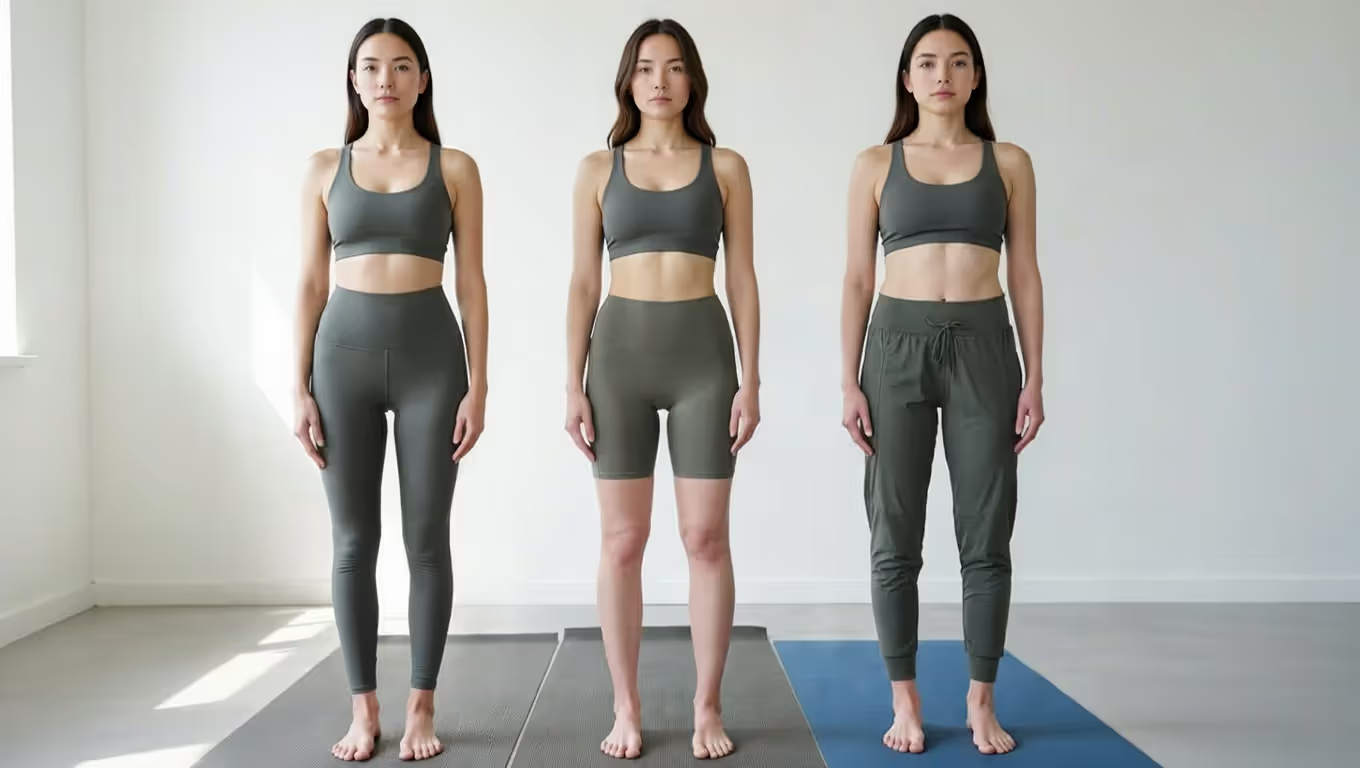
Leggings dominate yoga studios because they provide unrestricted movement, stay in place, and allow instructors to see alignment. High-waisted styles prevent the waistband from rolling down during core work. A quick rule of thumb: if you can see the outline of your underwear through the fabric when you bend over, choose a thicker material or darker color.
Bike shorts suit hot yoga practitioners or anyone who overheats easily. The shorter length reduces fabric bulk while maintaining coverage during wide-legged poses. Choose 7-9 inch inseams for adequate coverage.
Joggers work for restorative or yin classes where you'll spend extended time in supported poses. The looser fit provides comfort during long holds but can bunch during standing balances. Tapered ankles prevent tripping.
Avoid overly loose shorts for inversions—they slide and expose more than intended during shoulder stands or headstands. If you prefer shorts, compression styles maintain coverage regardless of position.
| Clothing Item | Best For | Fabric Recommendation | Avoid If |
| Fitted Tank Top | Inversions, flow classes | Moisture-wicking blends | Practicing in cold studios |
| Sports Bra (high-support) | Vinyasa, power yoga | Nylon-spandex blend | Restorative classes (may feel restrictive) |
| High-Waisted Leggings | All-around practice | 4-way stretch, opaque | You overheat easily (try shorts) |
| Bike Shorts | Hot yoga, summer outdoor | Lightweight polyester | Inversions (coverage issues) |
| Joggers | Yin, restorative | Soft cotton blend | Dynamic flow (too much fabric) |
Fabric Guide: Choosing Breathable Yoga Outfits
Fabric determines how clothing performs during practice. The material affects moisture management, durability, stretch recovery, and comfort against skin during sustained poses.
Moisture-Wicking Materials
Nylon-spandex blends combine durability with four-way stretch. The nylon handles moisture efficiently by pulling sweat away from skin to the fabric surface where it evaporates. Spandex (typically 15-25% of the blend) provides recovery—the fabric returns to its original shape after stretching. This combination resists pilling and maintains compression over time.
Polyester blends dry faster than nylon and cost less, making them common in budget-friendly yoga wear. The trade-off: polyester retains odors more readily than nylon. If you practice hot yoga regularly, polyester tops may develop persistent smells even with proper washing.
Natural Fabrics (Cotton, Bamboo)
Cotton feels soft and breathable but absorbs moisture rather than wicking it away. This works fine for gentle yoga where you won't generate much sweat. For heated or vigorous practices, cotton becomes heavy and stays damp throughout class. One common mistake: wearing 100% cotton to hot yoga, then feeling cold during savasana because you're lying in sweat-soaked fabric.
Bamboo fabric (technically rayon made from bamboo) offers a middle ground. It's softer than cotton, wicks moisture better, and resists odor naturally. The downsides: bamboo clothing costs more and requires careful washing to prevent shrinkage.
What to Avoid
Heavy cotton sweatshirts and sweatpants absorb moisture, restrict movement, and add unnecessary bulk. Non-stretch fabrics prevent full range of motion—you'll feel resistance when attempting deep lunges or wide-legged forward folds.
Thick seams create pressure points during prolonged floor work. Side seams that run along the outer thigh can dig in during pigeon pose or seated twists. Flat-lock seams reduce this issue.
Fabric Checklist:
Beginner Yoga Outfit Tips
Author: Connor Evans;
Source: yogapennsylvania.com
New practitioners often overthink clothing choices. Studios welcome people in whatever they wear, provided it's appropriate for movement.
If You're Nervous About Your First Class
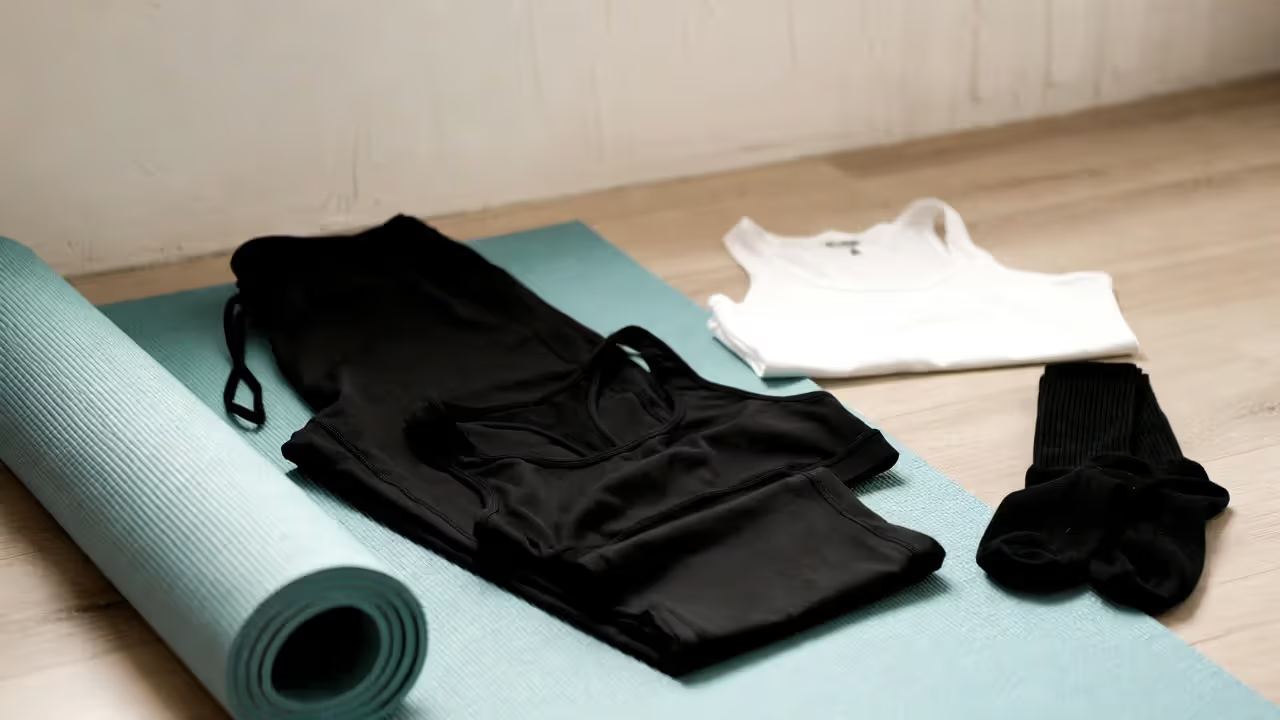
Choose neutral, simple pieces that fit well. Black leggings and a fitted gray or navy top work universally. You'll blend in while you learn the practice without worrying about standing out.
Avoid brand pressure. Expensive yoga brands make quality clothing, but budget options from general athletic retailers perform well for beginners. Focus on fit and fabric rather than labels. You can invest in specialized pieces once you understand your practice preferences.
Comfort over fashion always wins. Trendy cutouts, excessive straps, or complicated designs create adjustment opportunities during class. Save experimental pieces for after you've established a regular practice.
Studio Etiquette & Practical Tips
No shoes in class maintains studio hygiene and allows for proper foot engagement during poses. Most studios provide cubbies for shoes and belongings near the entrance. Socks slip on yoga mats—practice barefoot unless you have a medical reason requiring grip socks.
Avoid noisy jewelry. Dangling bracelets, large rings, and necklaces create distracting sounds during quiet moments. Remove jewelry before class or choose minimal pieces that won't interfere.
Tie long hair back to prevent it from falling in your face during forward folds. A simple ponytail or bun works better than elaborate styles that create lumps when lying on your back.
Best Clothes for Yoga Class by Style
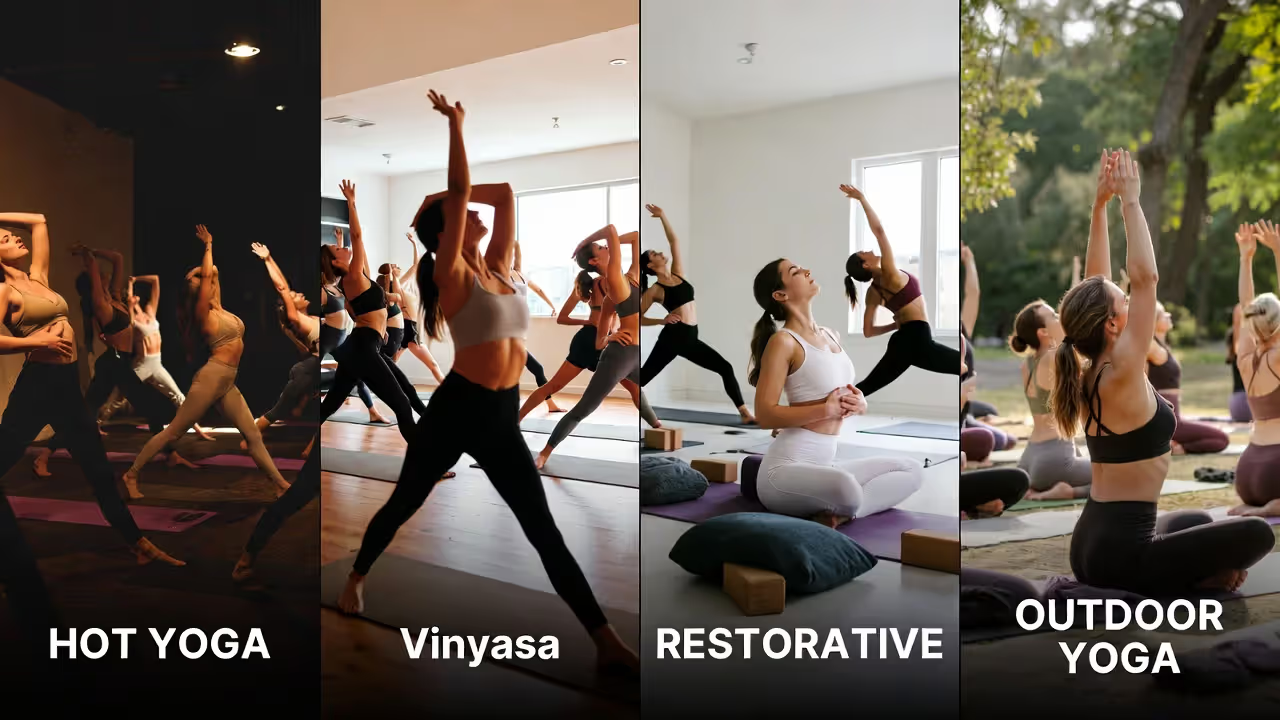
Different yoga styles create different clothing needs. Matching your outfit to the class type improves comfort significantly.
Author: Connor Evans;
Source: yogapennsylvania.com
Hot Yoga
Lightweight shorts and a sports bra suit most hot yoga practitioners. Temperatures reach 95-105°F with high humidity—minimal fabric coverage prevents overheating. Choose sweat-wicking materials that dry quickly. Some people prefer full-length leggings even in heat for personal comfort or coverage preferences. If that's you, select the lightest-weight, most breathable leggings available.
Bring a small towel for wiping sweat during class and consider a yoga towel to place over your mat for grip.
Vinyasa / Power Yoga
Secure waistbands prevent constant adjustments during sun salutations and standing sequences. High-waisted leggings with wide waistbands stay put during core work and inversions. Supportive sports bras matter because you'll move continuously through varied positions.
Fitted tops prevent fabric from sliding over your head during downward dog or falling forward during standing forward folds. If you prefer looser tops, tuck them into your waistband or choose styles with side ties.
Restorative / Yin Yoga
Soft layers provide warmth during extended holds. Body temperature drops when you remain still for several minutes in supported poses. Bring a sweatshirt or long-sleeved shirt to wear during class, especially for final relaxation.
Long sleeves and full-length pants prevent cool air from feeling uncomfortable against exposed skin. Choose non-restrictive fabrics—compression clothing can feel constraining during 5-minute holds.
Outdoor Yoga
Layers accommodate temperature changes between warm-up and cool-down. Morning outdoor classes start cool and warm as the sun rises. Evening classes do the opposite. Bring a light jacket.
Sun protection includes longer sleeves if practicing in direct midday sun. Some practitioners use lightweight UPF-rated yoga clothing designed for sun exposure. Don't forget sunscreen on exposed skin.
| Yoga Style | Recommended Outfit | Key Features |
| Hot Yoga | Sports bra + bike shorts | Maximum breathability, minimal coverage |
| Vinyasa/Power | High-waisted leggings + fitted tank | Secure fit, moisture-wicking |
| Restorative/Yin | Leggings + long-sleeve top + layers | Soft fabrics, warmth, comfort |
| Outdoor | Leggings + fitted tee + light jacket | Layers, sun protection |
| Gentle/Hatha | Comfortable leggings + tee or tank | Unrestricted movement, moderate coverage |
Comfortable Yoga Wear for Different Body Types
Comfortable yoga wear means different things depending on individual body shape, size, and personal preferences. The yoga industry has improved size inclusivity, though gaps remain.
The best yoga wear supports your breath and your range of motion — nothing more, nothing less.
— Mark Stephens, yoga teacher
High-rise waistbands provide coverage and security across body types. They prevent midsection exposure during movement and eliminate the constant checking that mid-rise or low-rise waistbands encourage. Many practitioners find high-rise styles more comfortable for core work because the wide waistband distributes pressure evenly.
Adjustable straps on sports bras and tops allow customization. What fits perfectly off the rack for one person requires adjustment for another. Built-in adjustability extends the useful life of pieces as your body changes.
Inclusive sizing has expanded beyond traditional athletic wear offerings. Many brands now offer extended size ranges (XXS-4X or beyond) with designs that account for different proportions rather than simply scaling up or down.
Support levels in sports bras should match both practice intensity and individual needs. High-impact support isn't universally better—some practitioners find it restrictive for yoga. Light or medium support often suffices for yoga practices while providing freedom of movement.
Common Mistakes When Choosing Yoga Apparel
Author: Connor Evans;
Source: yogapennsylvania.com
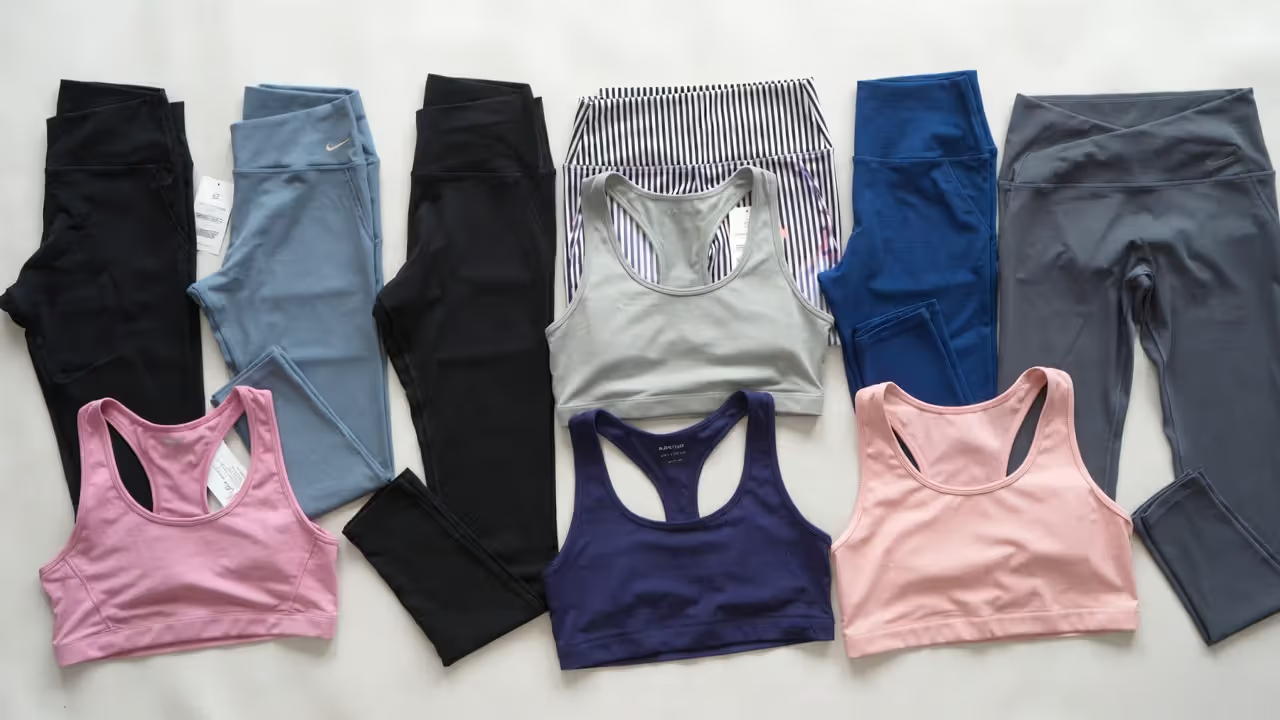
Wearing see-through leggings creates unnecessary self-consciousness. Perform the squat test before purchasing: squat down fully while looking in a mirror under bright lighting. If you can see skin tone or underwear through the fabric, the leggings won't provide adequate coverage during practice.
Buying the wrong size happens when people choose aspirational sizes or assume athletic wear runs true to size across brands. Yoga clothing should fit snugly without cutting into skin or restricting breathing. Too tight creates discomfort and visible compression marks. Too loose causes slipping and requires constant adjustment.
Ignoring fabric stretch leads to purchasing clothes that look fine standing still but restrict movement. Check the fabric composition—at least 15% spandex or elastane ensures adequate stretch for yoga poses.
Choosing fashion over function prioritizes aesthetics instead of performance. Trendy details like excessive mesh panels, complicated straps, or decorative hardware create problems during practice. Buy pieces that work first, look good second.
How to Care for Your Yoga Clothing
Proper care extends clothing life and maintains performance features. Moisture-wicking fabrics require specific treatment to preserve their properties.
Cold wash protects elastic fibers and prevents shrinkage. Hot water degrades spandex over time, reducing the fabric's ability to return to its original shape. Use gentle or delicate cycles for yoga wear.
Air dry whenever possible. Dryer heat damages elastic fibers and can cause permanent fabric distortion. Hang or lay flat to dry. If you must use a dryer, choose the lowest heat setting.
Avoid fabric softener—it coats fabric fibers and reduces moisture-wicking capabilities. Softener creates a barrier that traps sweat against skin instead of allowing it to evaporate. Use regular detergent only.
Wash yoga clothes promptly after practice. Allowing sweat-soaked clothing to sit creates odor and bacteria buildup that becomes difficult to remove. At minimum, hang damp clothing to dry before placing it in a hamper.