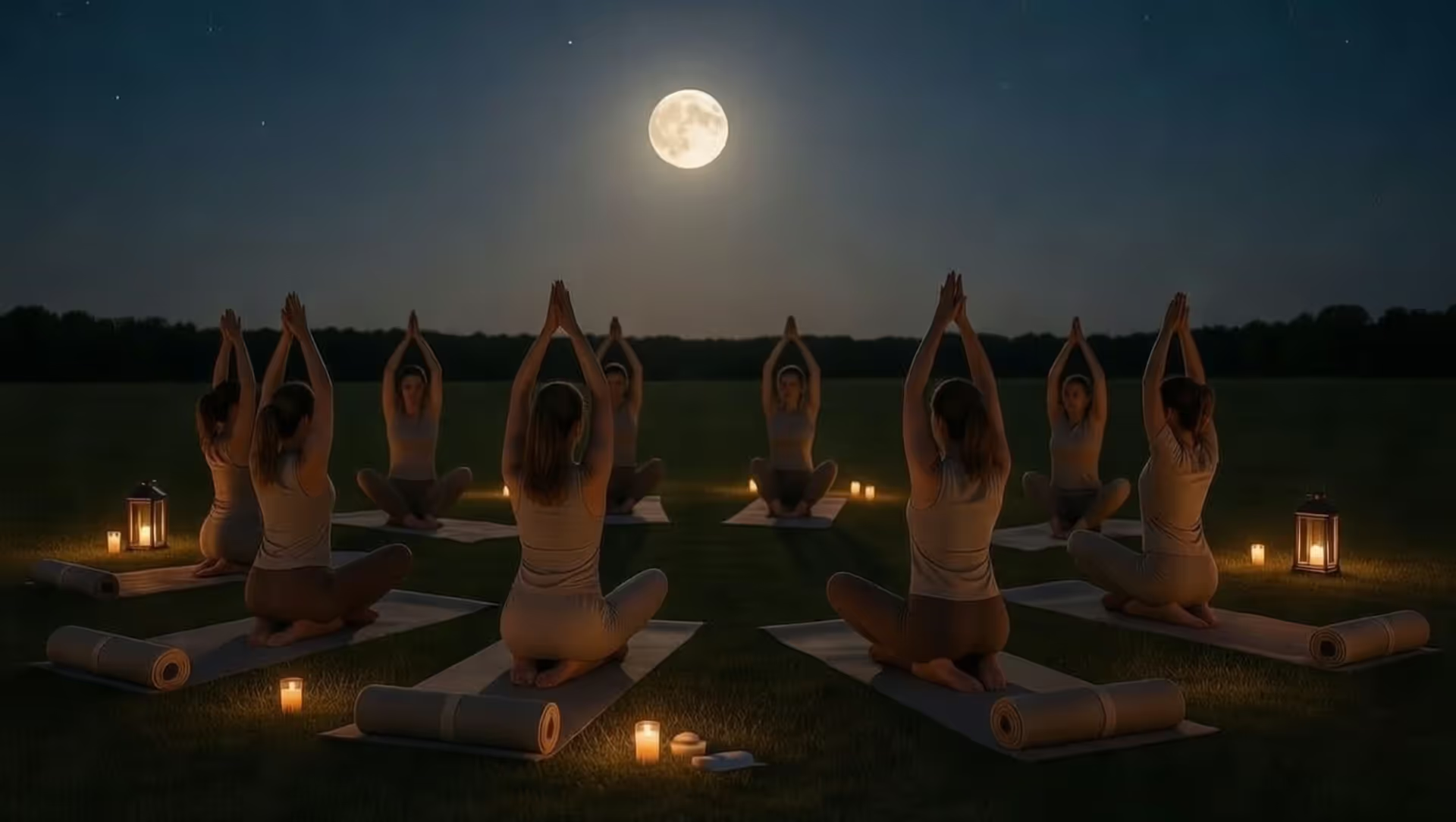
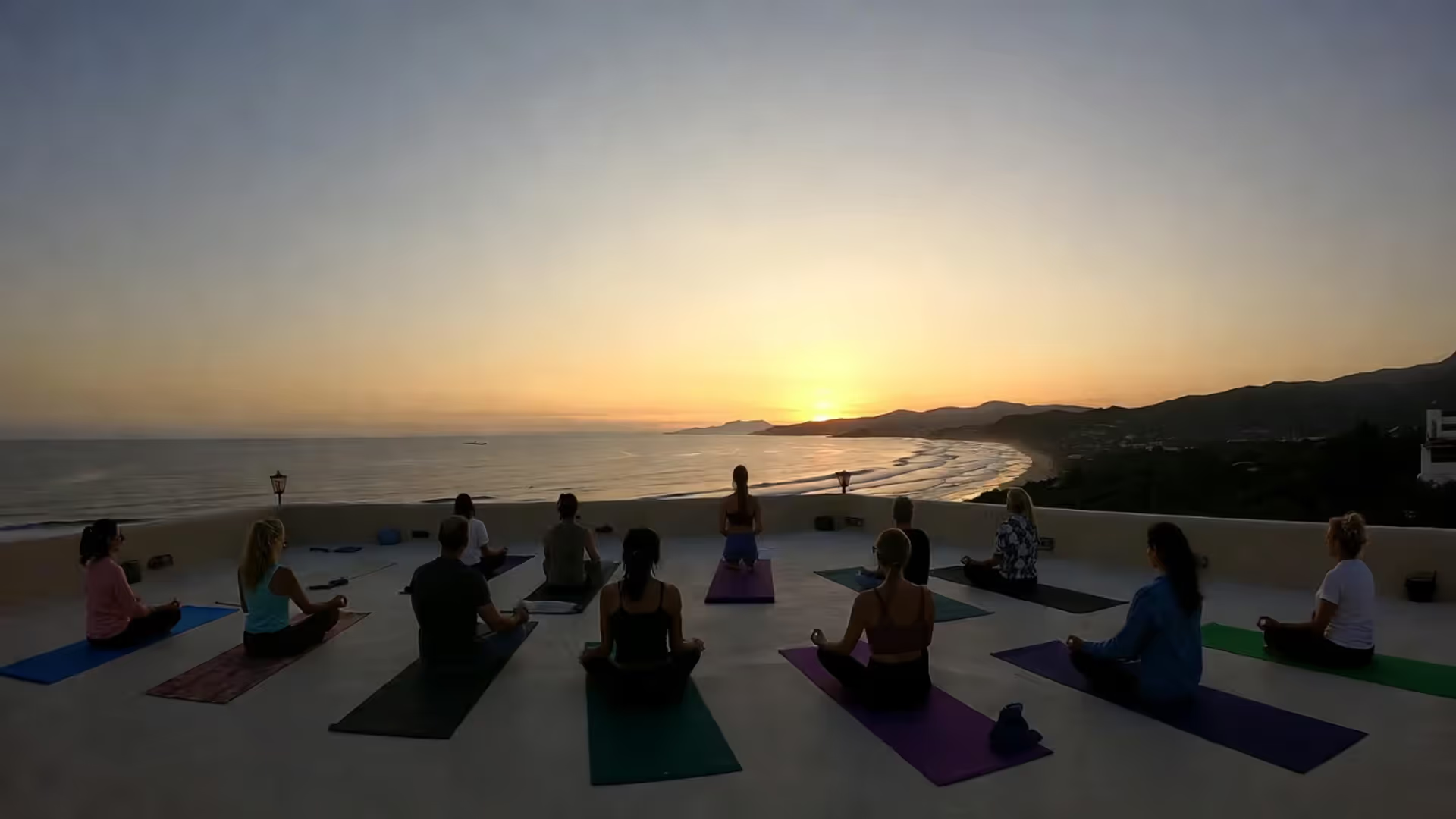
Outdoor yoga group practicing at night with the full moon visible overhead.
Full Moon Yoga Guide
You've probably seen Instagram posts of yogis practicing under the full moon, arranged in circles with candles and crystals. Some of it looks performative. Some of it feels genuinely meaningful. The truth sits somewhere between mystical theater and a simple way to mark time with intention.
This practice isn't about magic. It's about using a visible, predictable celestial event as a reminder to pause, reflect, and move your body. The moon will be full whether you notice it or not. Designing a session around it just gives structure to something you might otherwise miss in the blur of daily routines.
What Is Full Moon Yoga?
Full moon yoga refers to practicing when the moon appears full in the sky—typically once every 29.5 days. Practitioners often emphasize themes of completion, release, and gratitude during these sessions, though the physical practice itself can include any style.
The connection between lunar cycles and yoga exists in multiple traditions. Ashtanga traditionally observes moon days as rest days, recognizing the moon's gravitational pull on water—including the water in our bodies. Whether this affects your practice physiologically remains debated, but the ritual of acknowledging lunar phases creates a rhythm many find grounding.
The full moon carries specific symbolism in yogic philosophy. It represents illumination—things becoming visible that were hidden. Peak energy before a natural decline. Harvest and completion of cycles. These aren't mystical properties but metaphorical frameworks for reflection.
Many yogis practice during this lunar phase because it offers a scheduled opportunity for mindful movement outside regular class routines. If you attend studio classes Tuesday and Thursday, a session on Saturday night under the full moon feels different. The timing isn't arbitrary—you planned around something external to your calendar.
This creates accountability without pressure. You're not committing to daily sessions or hour-long flows. Just showing up once a month when the sky is bright.
The Energy of the Full Moon in Yoga Philosophy
Author: Ava Mitchell;
Source: yogapennsylvania.com
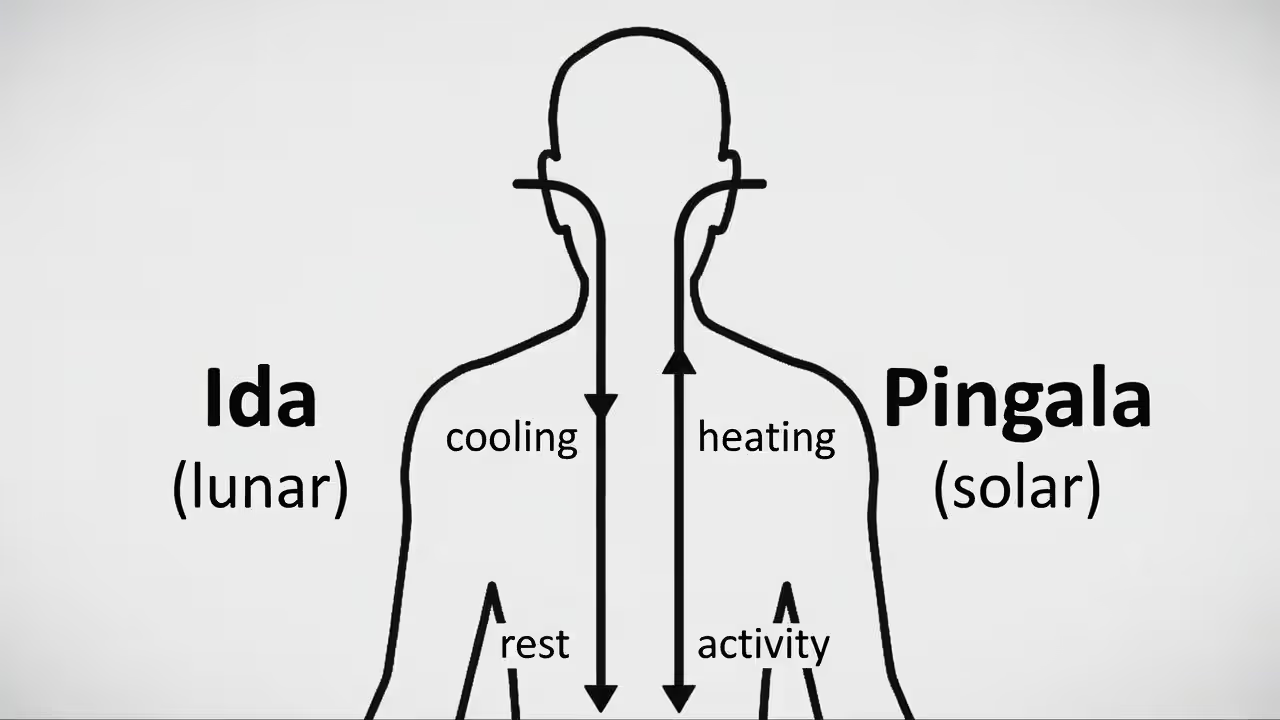
Traditional teachings describe two primary energetic channels: Ida (lunar, cooling, introspective) and Pingala (solar, heating, active). The moon symbolizes Ida energy—receptive, reflective, emotional. A spiritual yoga practice during this phase emphasizes cooling, inward qualities.
Some lineages suggest the full moon intensifies emotions and brings unconscious patterns to the surface. You might notice restlessness, vivid dreams, or heightened sensitivity around these days. Whether this is physiological or psychological doesn't diminish its usefulness as a framework for self-observation.
Certain schools teach that this lunar phase makes the body more flexible but also prone to overextension. This explains why some traditions observe moon days as rest rather than active practice days. The philosophy recognizes that peak fullness precedes natural decline—pushing too hard at this phase could lead to injury or burnout.
Emotional intensity during this time appears across cultures, not just yogic traditions. Emergency rooms report increased admissions. Teachers notice classroom behavior changes. Sleep patterns shift. Whether the moon causes this or we collectively believe it does creates the same practical outcome: heightened awareness.
A lunar yoga practice uses this awareness deliberately. Instead of resisting emotional intensity, you create space to acknowledge and release it.
Moon Salutation Sequence (Chandra Namaskar) Step-by-Step
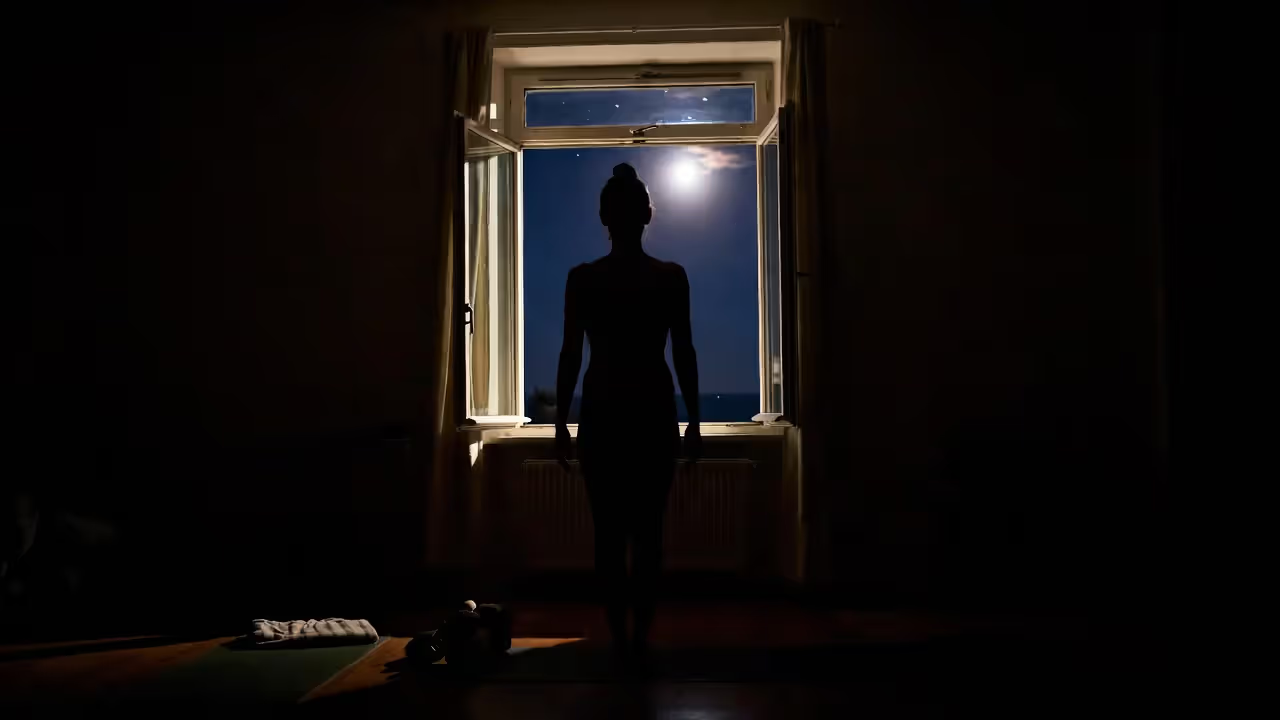
The moon salutation sequence provides flowing movement specifically designed for lunar energy. Unlike the linear, heating sun salutations, these movements travel laterally with cooling, grounding shapes.
How Moon Salutation Differs from Sun Salutation
Sun salutations (Surya Namaskar) move forward and back—mountain pose to forward fold to plank to upward dog. They build heat quickly and emphasize spinal extension.
Moon salutations move side to side. You'll step into goddess pose, triangle, and half moon—all lateral movements. The flow stays lower to the ground. Less jumping, fewer chaturangas, more emphasis on hip opening and side body stretching.
The breath pattern differs too. Sun salutations coordinate one breath per movement, creating intensity. Chandra Namaskar allows multiple breaths in each shape, especially in goddess and triangle. This slower pacing supports the cooling, reflective quality associated with lunar energy.
If you tend to overheat during practice or feel anxious with fast-paced vinyasa, this approach offers a gentler alternative while still providing full-body movement.
Complete Moon Salutation Sequence Breakdown
Author: Ava Mitchell;
Source: yogapennsylvania.com
This version represents one common variation. Multiple versions exist across different lineages.
1. Mountain Pose (Tadasana): Stand with feet hip-width apart. Ground through all four corners of your feet. Hands at heart center or by your sides. Take three breaths here, establishing your intention.
2. Goddess Pose (Utkata Konasana): Step feet wide apart, turn toes out 45 degrees. Bend knees deeply, bringing thighs toward parallel with the ground. Arms extend to the sides at shoulder height or overhead in a wide V. Hold for 3-5 breaths. This grounds energy down through the legs.
3. Triangle Pose - Right Side (Trikonasana): Straighten legs, keep feet wide. Extend right arm forward, then down to shin or floor. Left arm reaches toward sky. Gaze up at left hand or down at floor. Hold 3-5 breaths. Triangle opens the side body and challenges balance.
4. Pyramid Pose - Right Side (Parsvottanasana): Square hips toward right foot. Fold forward over right leg, hands frame foot or rest on shin. Keep spine long rather than rounding to get lower. Hold 3-5 breaths. This stretches hamstrings while calming the nervous system.
5. Low Lunge - Right Side (Anjaneyasana): Bend right knee deeply, step left foot back. Lower left knee to ground. Lift torso upright, arms overhead or hands at heart. Hip flexors stretch here. Hold 3-5 breaths.
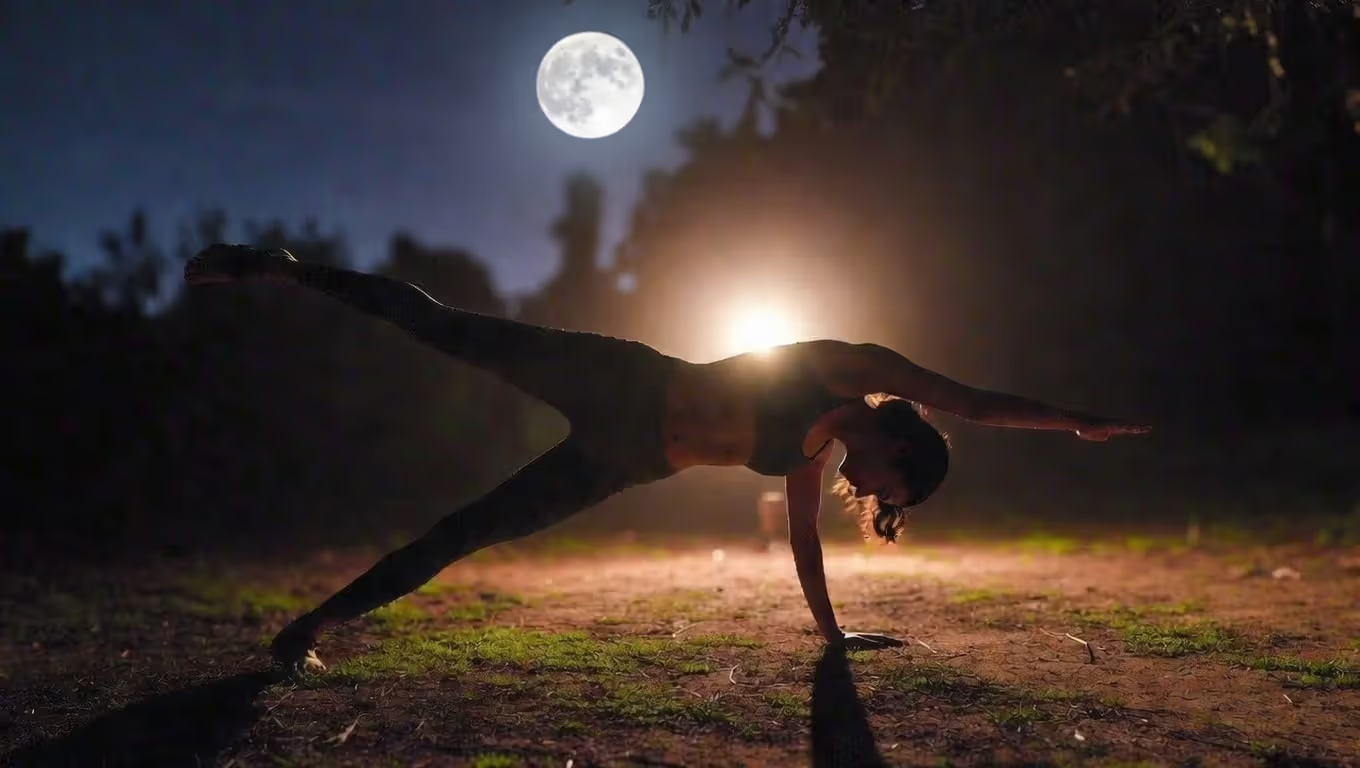
6. Half Moon - Right Side (Ardha Chandrasana): From low lunge, straighten right leg and lift left leg parallel to floor. Right hand touches ground or block. Left arm extends skyward. This challenges balance and builds leg strength. Hold 3-5 breaths.
7. Wide-Legged Forward Fold (Prasarita Padottanasana): Step left foot forward to meet right, feet wide apart, toes pointing forward. Fold forward, hands to ground or blocks. Let head hang heavy. This inverts the body gently, calming the mind. Hold 3-5 breaths.
8-12. Repeat on Left Side: Flow through triangle, pyramid, low lunge, and half moon on the opposite side.
13. Return to Goddess Pose: Wide-legged squat for 3-5 breaths.
14. Mountain Pose: Step feet together, return to standing. Take three closing breaths.
| Pose | Sanskrit Name | Primary Benefit | Breath Cue |
| Mountain Pose | Tadasana | Centers energy, grounds | Deep steady breathing |
| Goddess Pose | Utkata Konasana | Builds leg strength, opens hips | Hold multiple breaths |
| Triangle Pose | Trikonasana | Side body stretch, balance | Breathe into ribs |
| Pyramid Pose | Parsvottanasana | Hamstring stretch, calming | Lengthen spine on inhale |
| Low Lunge | Anjaneyasana | Hip flexor opening | Lift heart on inhale |
| Half Moon | Ardha Chandrasana | Balance, leg strength | Steady gaze, steady breath |
| Forward Fold | Prasarita Padottanasana | Inversion, relaxation | Release tension on exhale |
The entire flow takes 15-20 minutes depending on how long you hold each position. You can repeat it 2-3 times for a fuller session.
Full Moon Yoga Ritual at Home
A ritual adds intentional elements beyond just physical movement. Rituals create psychological containers that signal to your brain: this time is different, this matters.
Creating a Sacred Space
Author: Ava Mitchell;
Source: yogapennsylvania.com
You don't need elaborate setups. Simple elements work better than cluttered altars.
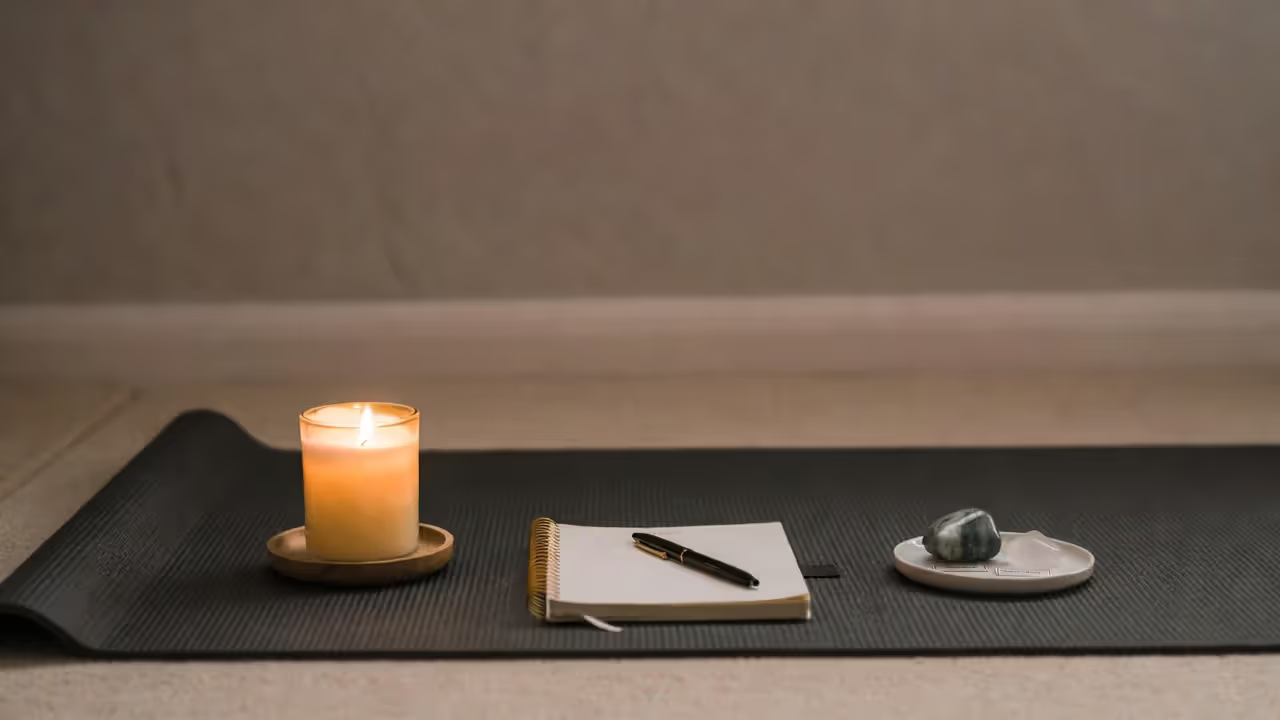
Candles: One or several, placed where you can see them during your session. The flickering light mimics moonlight and helps shift your mental state from everyday to reflective. Battery-operated candles work fine if fire safety concerns you.
Journal and pen: Keep these nearby for post-practice reflection. Write three things you're ready to release and three you're grateful for. The physical act of writing activates different brain regions than just thinking.
Crystals (optional): If you use them, moonstone and selenite traditionally associate with lunar energy. If crystals feel like nonsense to you, skip them. The ritual works either way.
Outdoor setting: Weather permitting, practicing outside under the actual moon amplifies the experience. Your backyard, balcony, or a park all work. If indoors feels necessary, position yourself near a window where you can see the moon.
A quick rule of thumb: if setting up your space takes longer than your session, you've overcomplicated it.
The moon doesn’t change your life. It simply gives you a moment to notice where you are in it.
— Judith Hanson Lasater, physical therapist and yoga teacher
Sample Full Moon Yoga Ritual (30-Minute Plan)
This structure balances movement, stillness, and reflection.
Minutes 0-5: Centering Meditation
Sit comfortably with eyes closed or softly gazing at candlelight. Notice your breath without changing it. Acknowledge what you're carrying—stress, excitement, fatigue. Set a simple intention: "I'm here to release what no longer serves me" or "I'm here with gratitude."
Minutes 5-20: Moon Salutation Flow
Move through Chandra Namaskar 2-3 times. Focus on smooth transitions between poses rather than perfect alignment. Let your breath lead the movement. If you feel tired, hold goddess pose longer and skip the balance challenges.
Minutes 20-25: Reflection Journaling
Sit with your journal. Write quickly without editing:
- Three things I'm releasing (patterns, relationships, beliefs, physical items)
- Three things I'm grateful for right now
The act of naming what you're releasing makes it conscious. Gratitude grounds you in what's working.
Minutes 25-30: Gratitude Practice
Lie down in savasana (corpse pose) for final rest. Place hands on your heart or belly. Mentally revisit your gratitude list with more detail. Picture each item clearly. End by thanking yourself for showing up.
This 30-minute structure creates completeness—movement, introspection, rest. It feels manageable even when life gets busy.
Practicing Yoga Under the Full Moon Outdoors
Author: Ava Mitchell;
Source: yogapennsylvania.com
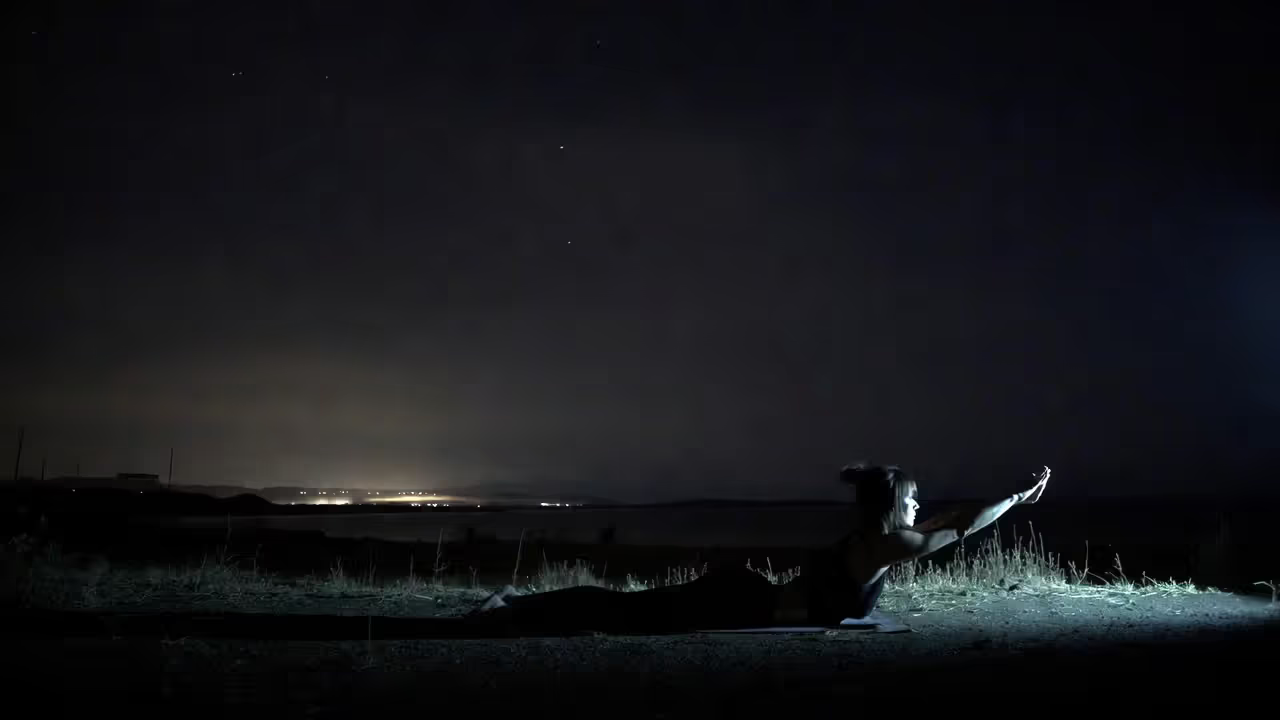
Taking your session outside changes the experience significantly. The uneven ground challenges balance differently than studio floors. Temperature fluctuations keep you present. Actual moonlight creates atmosphere that candles can't replicate.
Benefits of outdoor practice include vitamin D absorption if you start at sunset while the moon rises, direct connection with natural elements, and reduced sensory isolation. You'll hear crickets, feel wind, notice the temperature dropping as evening settles.
Safety considerations matter more outdoors. Check weather forecasts carefully—moving in light rain might feel magical until lightning appears. Know what's underfoot. Roots, rocks, and holes cause injuries when you're focused on a challenging pose rather than ground conditions.
Community gatherings happen in many cities, often in parks or on beaches. These bring accountability and social connection. You might also feel self-conscious or distracted by others. If you're trying outdoor sessions for the first time, solo or with one friend works better than jumping into a group of thirty people.
Outdoor Practice Checklist:
- Weather check (temperature, precipitation, wind)
- Comfortable layers (temperature drops after sunset)
- Insect repellent (especially near water or wooded areas)
- Flashlight or headlamp (for packing up in darkness)
- Mat or blanket (provides cushioning on hard ground)
- Water bottle (longer sessions require hydration)
Practicing outdoors works best during warmer months unless you live somewhere with mild winters. Frozen ground and numbed fingers don't support a reflective session.
New Moon vs Full Moon Yoga: What's the Difference?
The lunar cycle offers two distinct energetic opportunities. New moons mark beginnings. Full moons mark completions. Tailoring your approach to these phases creates variety and mirrors natural cycles.
New Moon Yoga Sequence Focus
New moons represent darkness, potential, and planting seeds. Sessions during this phase emphasize gentleness and turning inward.
Intention setting matters more here than release. You might journal about what you want to cultivate in the coming month. Goals, habits, relationship patterns—anything you're beginning.
The style during new moons leans restorative. Supported child's pose, reclined twists, gentle hip openers. Poses you can hold for several minutes while breathing deeply. Yin fits this energy perfectly.
The new moon asks: what do you want to grow? Your session becomes soil preparation—creating internal conditions for whatever you're planting.
Full Moon Practice Focus
Full moons illuminate what's been growing. Sessions during this phase focus on acknowledgment, celebration, and letting go of what didn't work.
Release and gratitude form the thematic core. You're not setting new intentions but completing the cycle started at the new moon. What succeeded? What's ready to be released?
Dynamic flowing movements suit this energy. Chandra Namaskar, fluid vinyasa, or even dancing between poses. This phase supports expressive, outward movement—the opposite of new moon introspection.
Sessions can handle more intensity now. Peak energy means you might attempt challenging balances or arm balances you'd skip during darker moon phases.
| Moon Phase | Energy Theme | Practice Style | Best Poses |
| New Moon | Beginning, planting seeds | Restorative, yin, gentle | Child's pose, supported twists, gentle hip openers |
| Waxing Moon | Building, growing | Moderate flow, strength-building | Warrior poses, plank variations, standing balances |
| Full Moon | Completion, release, gratitude | Dynamic flow, expressive | Chandra Namaskar, backbends, arm balances |
| Waning Moon | Releasing, letting go | Cooling, forward folds | Seated folds, pigeon pose, savasana |
Tracking lunar phases with your sessions reveals patterns. You might notice you have more energy during waxing phases or need more rest during waning times.
Benefits of a Lunar Yoga Practice
Author: Ava Mitchell;
Source: yogapennsylvania.com
This approach offers several potential benefits, though these are experiential rather than medical.
Emotional awareness: Designating time monthly to check in with your emotional state builds self-knowledge. You notice patterns—anxiety spikes before certain phases, or energy dips during others. This awareness helps you plan accordingly rather than being ambushed by your own mood.
Mindfulness: Any ritual repeated consistently strengthens present-moment awareness. You're training your brain to pause, observe, and respond rather than react automatically.
Ritual consistency: Monthly sessions are more sustainable than daily commitments for many people. You're not failing if you miss a day because you only committed to once a month. This consistency builds over years rather than burning out after weeks.
Community bonding: Group gatherings create shared experiences. You're vulnerable together—moving in the dark, journaling about what you're releasing, possibly crying or laughing unexpectedly. This bonds people faster than casual socializing.
Lunar practice gives students permission to honor natural rhythms instead of forcing constant productivity. You move with intensity at the full moon, rest at the new moon, and everything in between follows its own pace.
— Mark Stephens
These benefits accumulate slowly. Don't expect transformation after one session. The value comes from repetition across months and years.
Who Should Try Full Moon Yoga?
This approach suits several types of people, though anyone can adapt it.
Beginners benefit from monthly sessions because the stakes feel lower than daily commitments. You can miss three weeks and still show up for the lunar event without guilt. Chandra Namaskar is accessible to most fitness levels with modifications.
Spiritual seekers appreciate the symbolic framework. Even if you don't literally believe the moon affects your energy, the metaphor provides structure for reflection and intention-setting.
Community-oriented practitioners thrive in group gatherings. Solo sessions work, but many find the collective energy amplifies their experience.
Those exploring mindful rituals can use this as an entry point. If meditation feels too abstract or you struggle with sitting still, a ritual combining movement, writing, and rest offers multiple access points.
The practice adapts to all levels. If you can't balance in half moon pose, skip it or use a wall for support. If sitting on the floor hurts, sit in a chair for meditation. The ritual matters more than perfect execution.
People who shouldn't try this: anyone looking for quick fixes or guaranteed results. Lunar sessions are subtle. Benefits emerge gradually through repetition, not dramatic overnight changes.
Frequently Asked Questions
Related Stories
Read more
Read more
The content on yogapennsylvania.com is provided for general informational and inspirational purposes only. It is intended to share yoga tips, meditation practices, wellness guidance, retreat experiences, and lifestyle insights, and should not be considered medical, therapeutic, fitness, or professional health advice.
All information, articles, images, and wellness-related materials presented on this website are for general informational purposes only. Individual health conditions, physical abilities, wellness goals, and experiences may vary, and results can differ from person to person.
Yogapennsylvania.com makes no representations or warranties regarding the accuracy, completeness, or reliability of the content provided and is not responsible for any errors or omissions, or for decisions or actions taken based on the information presented on this website. Readers are encouraged to consult qualified healthcare or wellness professionals before beginning any new yoga, meditation, or fitness practice.