
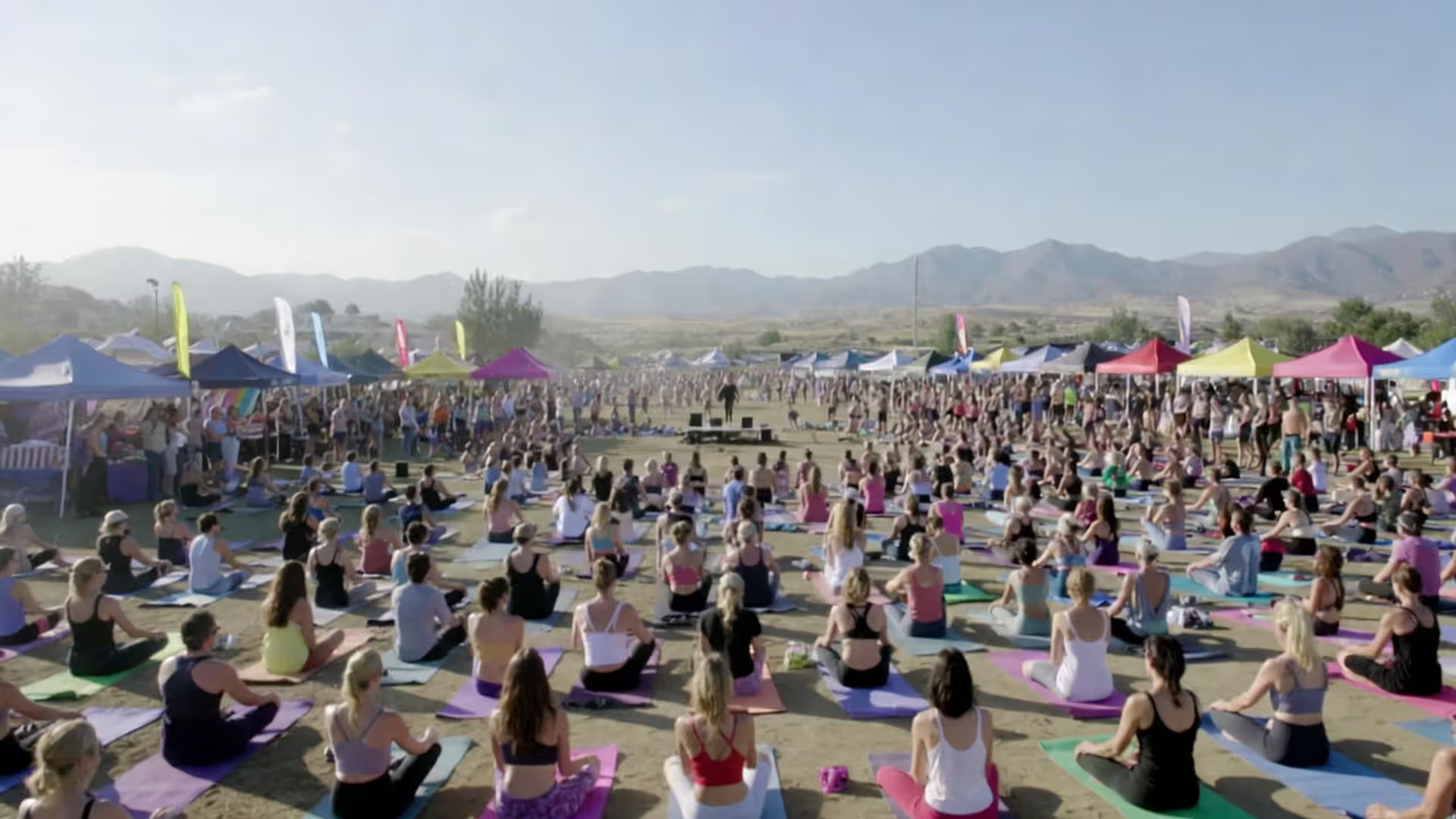
Large outdoor yoga festival with hundreds of participants practicing in front of a stage.
Yoga Festival Guide: What to Expect, Where to Go, and How to Pick the Right Event in 2026

You sign up for a three-day festival expecting wall-to-wall classes with elite teachers. You arrive to find a muddy field, a DJ stage louder than the meditation tent, and 2,000 people competing for spots in workshops that fill within minutes of opening. You leave sunburned, overstimulated, and $600 lighter.
Or: you choose a mid-size gathering in the mountains, attend four sessions per day with teachers whose work you already follow, eat well, sleep in your car, and come home with three new practices and a handful of genuine connections.
Same category of event. Radically different outcomes. The variable isn't luck — it's knowing what you're walking into before you buy a ticket.
What a Yoga Festival Actually Is (and How It Differs from a Retreat or Conference)
A yoga festival is a multi-day, multi-teacher event — typically held outdoors or in large venue spaces — where attendees choose from concurrent sessions, workshops, and experiential programming running on parallel tracks. Most include vendor markets, live music, communal meals or food trucks, and social programming alongside the practice offerings. Size ranges from 200-person regional gatherings to 3,000+ destination events.
The distinction from a retreat: retreats are small-group, single-curriculum experiences with one or two lead instructors and a set daily schedule. Everyone does the same thing. A festival is the opposite — you build your own schedule from a menu of dozens or hundreds of sessions across multiple days.
The distinction from a yoga conference: conferences lean toward the professional and educational side. Panel discussions on industry trends, business workshops for studio owners, continuing education credits, and keynote addresses from thought leaders. A yoga conference in 2026 like Yoga Journal Live or similar industry events draws teachers and studio operators alongside general practitioners. Festivals prioritize embodied experience; conferences prioritize information and networking.
Where these categories blur: some larger festivals include conference-style programming tracks. Some retreats brand themselves as "festivals" to attract bigger audiences. Read the actual schedule, not just the marketing language. If the program lists 50+ sessions with 15+ teachers across three days, it's a festival regardless of what the website calls it. If it lists one lead instructor and a fixed daily itinerary, it's a retreat wearing festival branding.
Types of Yoga Festivals and What Each One Prioritizes
Author: Lily Patterson;
Source: yogapennsylvania.com
Practice-Centered Festivals
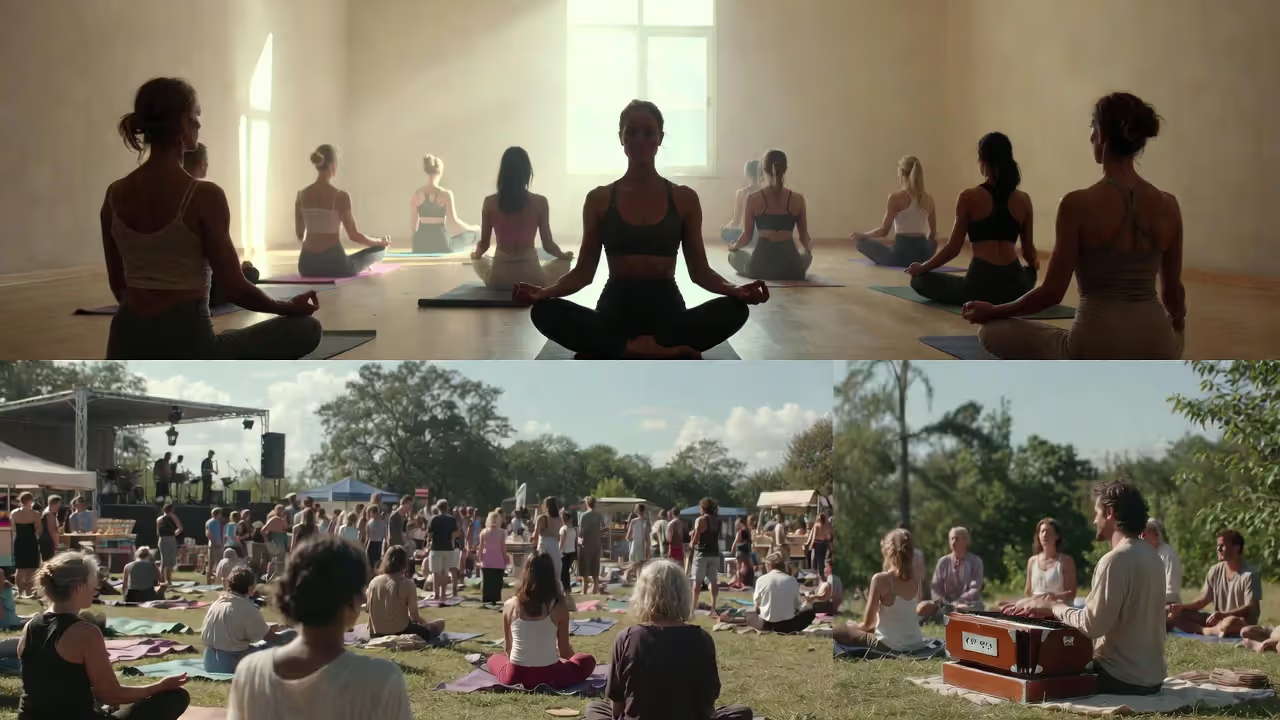
These focus on the mat. Asana sessions across multiple styles, meditation workshops, pranayama labs, and anatomy lectures form the core programming. Teachers are the main draw — attendees come specifically to study with instructors they follow online or have trained with before. Socializing happens organically, but the schedule is built around structured practice. This is the most common format for a yoga community event that takes its educational mission seriously.
Wellness and Lifestyle Festivals
Yoga shares the stage with live music, ecstatic dance, art installations, plant-based food vendors, sound healing, and lifestyle brand activations. The vibe is celebratory. Classes are shorter and more accessible. The target audience is broader — you'll find people who practice six days a week alongside people who've never touched a mat. These outdoor yoga gathering events work well for first-timers and mixed-interest groups (couples, friend groups) where not everyone is equally invested in practice depth.
Spiritual Gatherings and Kirtan-Focused Events
Devotional practice takes the central role: kirtan (call-and-response chanting), fire ceremonies, mantra workshops, and talks on Vedic philosophy or non-dual traditions. Asana still shows up on the schedule but plays a supporting role. Bhakti Fest and similar events fall here. A spiritual festival in the USA of this kind tends to attract a self-selecting audience already rooted in devotional or kirtan communities. If you're uncomfortable with religious or devotional elements, this isn't the right starting point — but if chanting and ceremony resonate with you, nothing else in the festival landscape replicates the experience.
The most important pieces of equipment you need for doing yoga are your body and your mind.
— Rodney Yee
Major Yoga Events in the USA Worth Watching in 2026
The yoga events USA calendar shifts year to year — some events return consistently, others appear or disappear based on funding, permits, and venue availability. This table reflects confirmed or historically recurring events worth tracking for a wellness festival 2026 season.
| Event | Location | Typical Month | Format | Estimated Ticket Range | Approx. Size |
| Wanderlust | Multiple U.S. venues (CA, VT, CO) | June–September | Wellness + lifestyle | $150–$400 (day/weekend) | 2,000–5,000 |
| Bhakti Fest | Joshua Tree, CA | September | Spiritual / kirtan | $200–$500 (multi-day) | 1,500–3,000 |
| Sedona Yoga Festival | Sedona, AZ | March | Practice-centered | $150–$350 | 500–1,200 |
| Hanuman Festival | Boulder, CO | June | Practice + spiritual blend | $200–$450 | 800–1,500 |
| Southeast Yoga Conference | Atlanta, GA | March | Conference + practice | $100–$300 | 600–1,000 |
| Yoga Journal Live | New York, NY | TBD (typically spring) | Conference + workshops | $50–$250 (per session/day) | 1,000–2,500 |
| Midwest Yoga Conference | Varies (OH, IL, MN) | Fall | Conference + practice | $100–$250 | 400–800 |
| Bali Spirit Festival (U.S. pop-up) | Check for 2026 dates | Varies | Wellness + lifestyle | $150–$350 | 500–1,500 |
Note: dates and pricing shift annually. Confirm directly with event organizers before purchasing travel. Early-bird ticket windows typically open 3–5 months before the event and offer 15–25% savings.
What Yoga Festivals Cost (and Where the Money Goes)
Author: Lily Patterson;
Source: yogapennsylvania.com
Ticket pricing tiers:
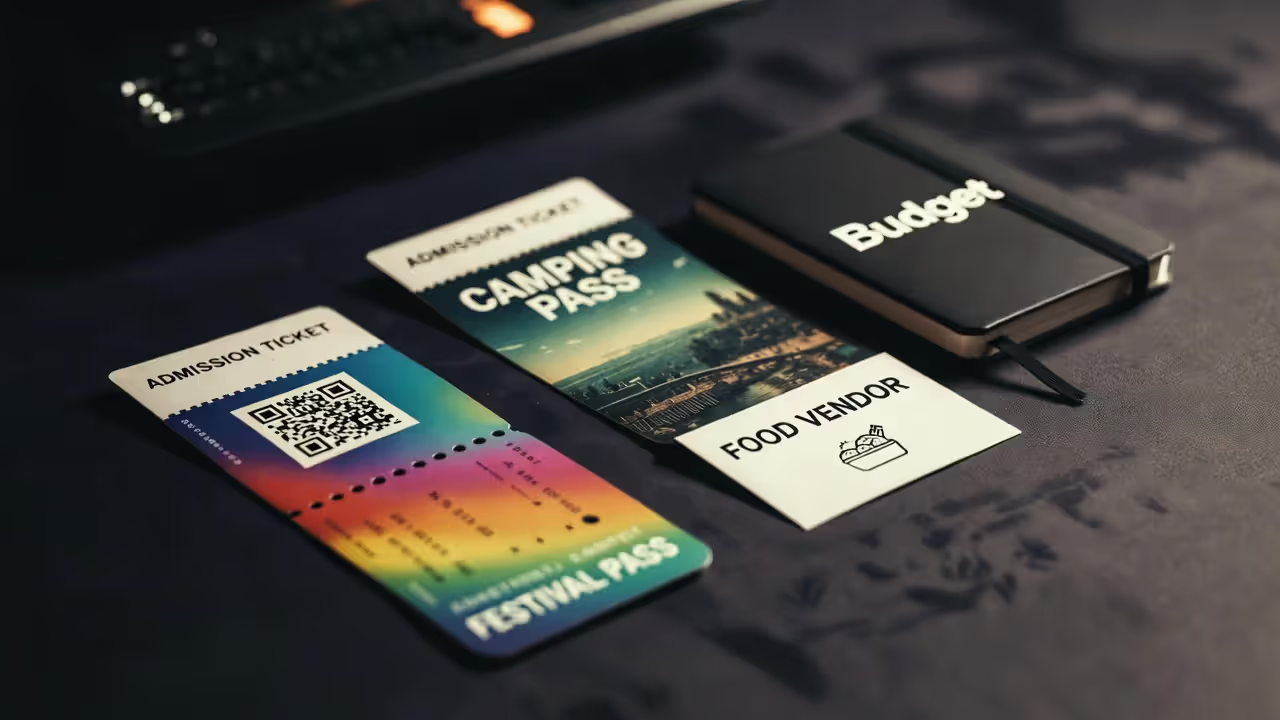
Day passes run $40–$150 depending on event size and teacher lineup. Weekend or multi-day passes: $150–$500. VIP tiers ($300–$800+) typically add priority class registration, reserved spots, premium camping or glamping access, backstage meet-and-greets, and branded swag bags.
Where the real cost accumulates: beyond the ticket. Accommodation is the largest variable. On-site camping (if offered) runs $50–$150 for the weekend. Nearby hotels or Airbnbs in popular festival locations (Sedona, Joshua Tree, Boulder) can add $150–$300 per night in peak season. Food vendor meals average $12–$20 per plate, three times daily. Specialty workshops with featured teachers sometimes carry surcharges of $30–$75 above the general admission pass.
Realistic total budget for a 3-day domestic festival (one person): $500–$1,200 for a budget-conscious attendee camping on-site and eating selectively. $1,000–$2,500 for someone booking a hotel and attending premium workshops.
Context check: a comparable 3-day guided retreat runs $800–$2,500 per person with meals and accommodation included. The festival gives you more variety and social energy; the retreat gives you more structure and personal attention. Neither is objectively better — they serve different needs.
One cost-saving approach: volunteer programs. Many mid-size and large festivals offer free or heavily discounted admission in exchange for 4–6 hours of volunteer work per day (registration desk, cleanup, stage setup). You lose some session time but gain access to the full event at a fraction of the price. Applications typically open 2–3 months before the event and fill quickly — set a reminder.
Another overlooked option: day passes. If you live within driving distance and don't need lodging, a single-day ticket ($40–$150) lets you sample a festival without committing a full weekend's budget. Many returning attendees start this way before investing in a multi-day pass the following year.
How to Choose the Right Festival for Your Experience Level and Goals
Author: Lily Patterson;
Source: yogapennsylvania.com
First-timers should prioritize three factors: size, accessibility, and schedule clarity. A regional gathering under 1,000 attendees is far less overwhelming than a 3,000-person destination event. Choose a location within driving distance to reduce travel complexity and cost. Look for published schedules that clearly label sessions by level (beginner, intermediate, all levels) — this signals organizational maturity.
Experienced practitioners should filter by teacher lineup first. The venue matters less than who's teaching. Check whether the instructors you're interested in are leading 90-minute workshops or 20-minute demo sessions — the difference in value is significant. Style diversity also matters: a festival offering only vinyasa flow is less useful than one with Iyengar, yin, Ashtanga, and somatic options on the same day.
Community-focused attendees — those attending primarily for connection rather than instruction — should look for volunteer programs (which often include free or discounted admission), social programming (communal meals, sharing circles, open mic), and stated diversity or inclusion commitments that indicate the organizers are intentionally building a welcoming space.
Red flags at any level: teacher lineups that change substantially after tickets go on sale, vague or absent refund policies, no published safety plan for outdoor events (heat protocols, medical staff, weather contingency), and "all-star" rosters where the headliner teaches one 45-minute session and spends the rest of the weekend selling product from a vendor booth.
Practical Preparation: What to Bring, What to Know, and Common Mistakes
Author: Lily Patterson;
Source: yogapennsylvania.com
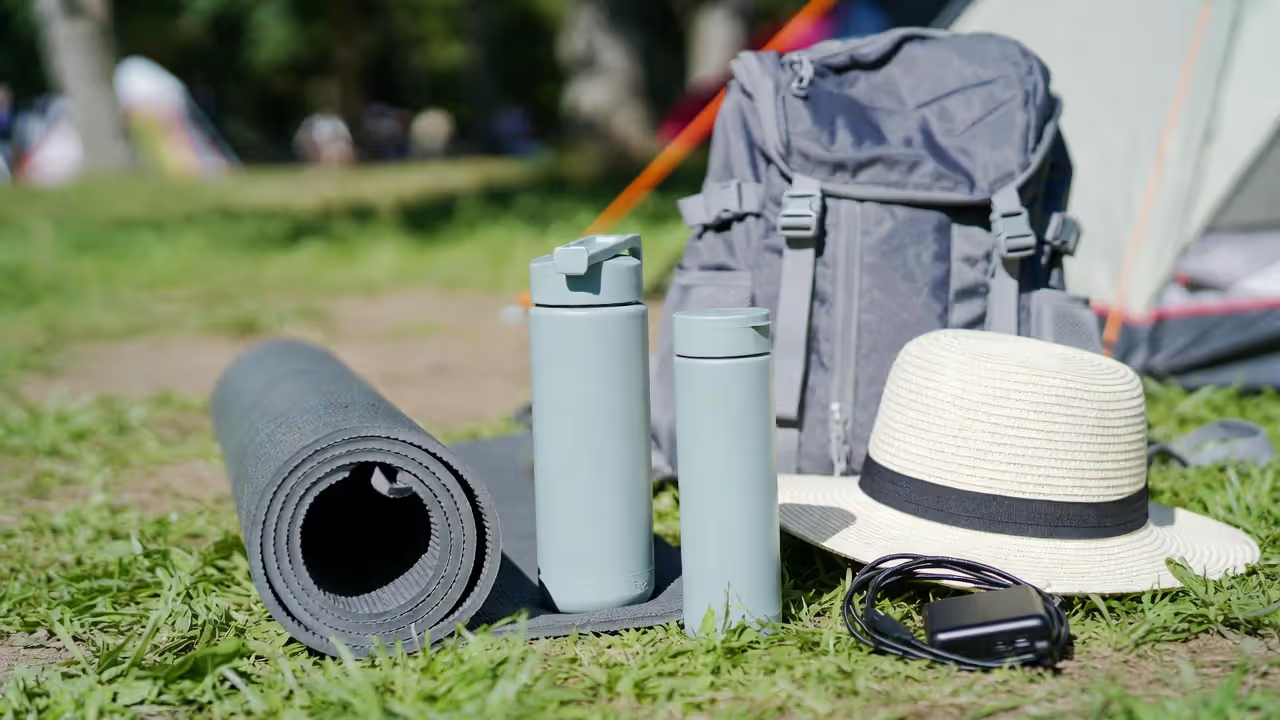
Essentials for outdoor festivals: your own mat (communal mats are rare and uncomfortable), a refillable water bottle (hydration stations are standard; vendor drinks are expensive), sunscreen applied before arrival, layers for temperature swings between midday sun and evening sessions, cash for vendor purchases (not all accept cards at outdoor sites), and a portable phone charger.
Scheduling strategy: map out your top-priority sessions the night before each day. Most festivals publish the schedule 1–2 weeks in advance. Arrive 10–15 minutes early for popular workshops — they fill and close doors. Leave at least one open block per day with nothing planned. Back-to-back sessions from 7 AM to 8 PM across three days is a recipe for exhaustion, not growth.
Common first-timer mistakes: skipping meals to attend one more class (blood sugar crashes by 3 PM and your afternoon sessions are wasted). Choosing advanced workshops because the teacher is famous — if you can't follow the material, the name on the sign is irrelevant. Underestimating weather exposure at outdoor venues — a full day in direct sun without shade, adequate water, and electrolytes leads to heat-related illness, not enlightenment. Forgetting earplugs for camping near stages or generators.
Etiquette basics: arrive before sessions start, silence your phone completely (not just vibrate), respect the physical boundaries of shared mat space, and leave a session quietly through the back if you need to exit early.
One thing experienced festival-goers know that newcomers don't: the best connections happen outside of sessions. Shared meals, the walk between venues, waiting in line for a workshop — these unstructured moments produce most of the meaningful conversations and networking. Budget social energy for them. If you spend every break staring at your phone or rushing to the next class, you'll miss the community dimension that distinguishes a live gathering from watching the same teachers on YouTube.
FAQ
The strongest festival experiences share a pattern: the attendee chose the right format for their goals, arrived prepared for the logistics, and left enough unscheduled space to absorb what they learned. Decide first whether you want deep practice, broad lifestyle exploration, or devotional community. Then filter by location, budget, and teacher lineup. Book early for pricing advantage, pack for self-sufficiency, and resist the urge to fill every hour on the schedule. The empty blocks between sessions are where most of the real value settles in.
Related Stories
Read more
Read more


The content on yogapennsylvania.com is provided for general informational and inspirational purposes only. It is intended to share yoga tips, meditation practices, wellness guidance, retreat experiences, and lifestyle insights, and should not be considered medical, therapeutic, fitness, or professional health advice.
All information, articles, images, and wellness-related materials presented on this website are for general informational purposes only. Individual health conditions, physical abilities, wellness goals, and experiences may vary, and results can differ from person to person.
Yogapennsylvania.com makes no representations or warranties regarding the accuracy, completeness, or reliability of the content provided and is not responsible for any errors or omissions, or for decisions or actions taken based on the information presented on this website. Readers are encouraged to consult qualified healthcare or wellness professionals before beginning any new yoga, meditation, or fitness practice.