
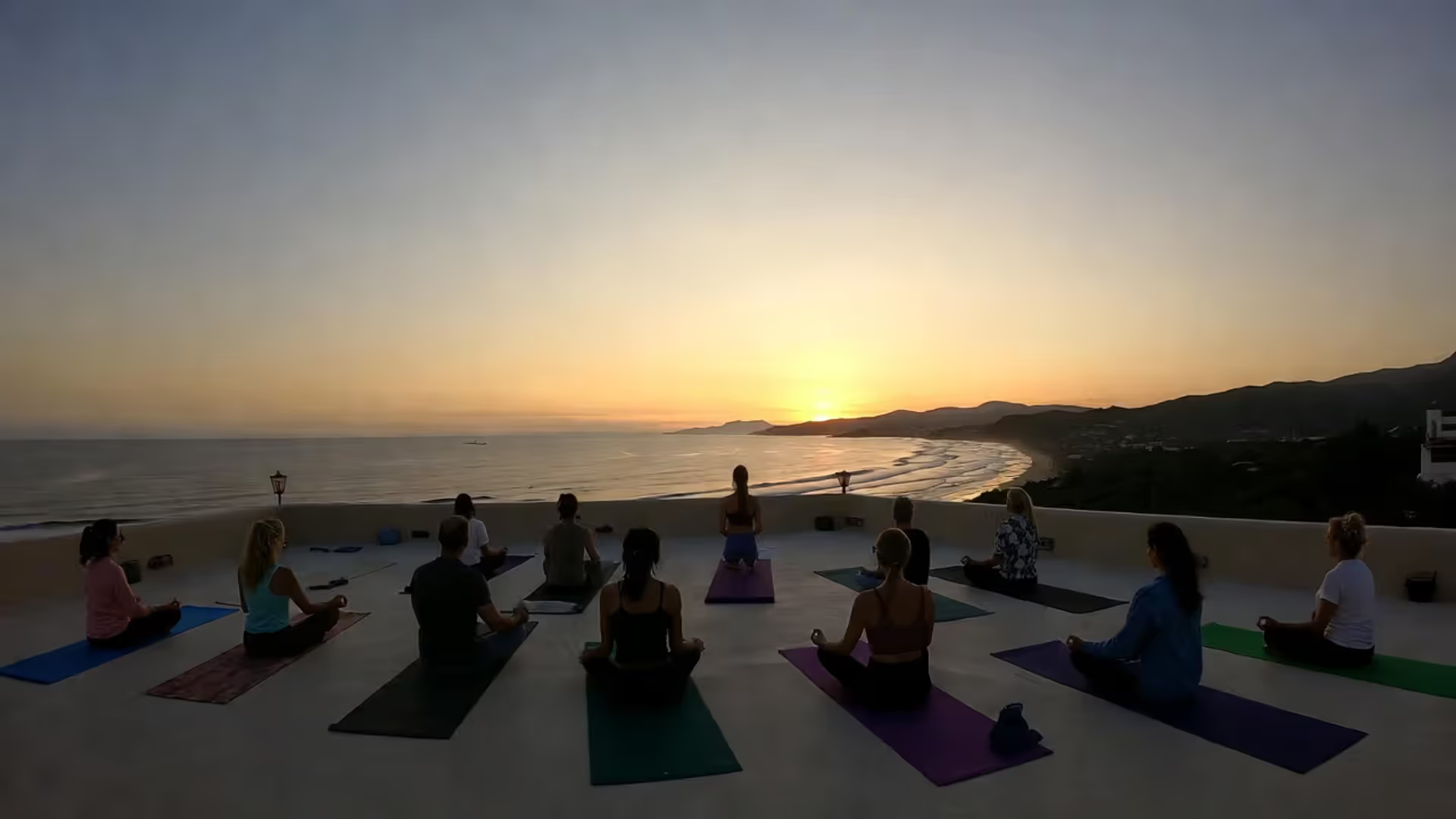
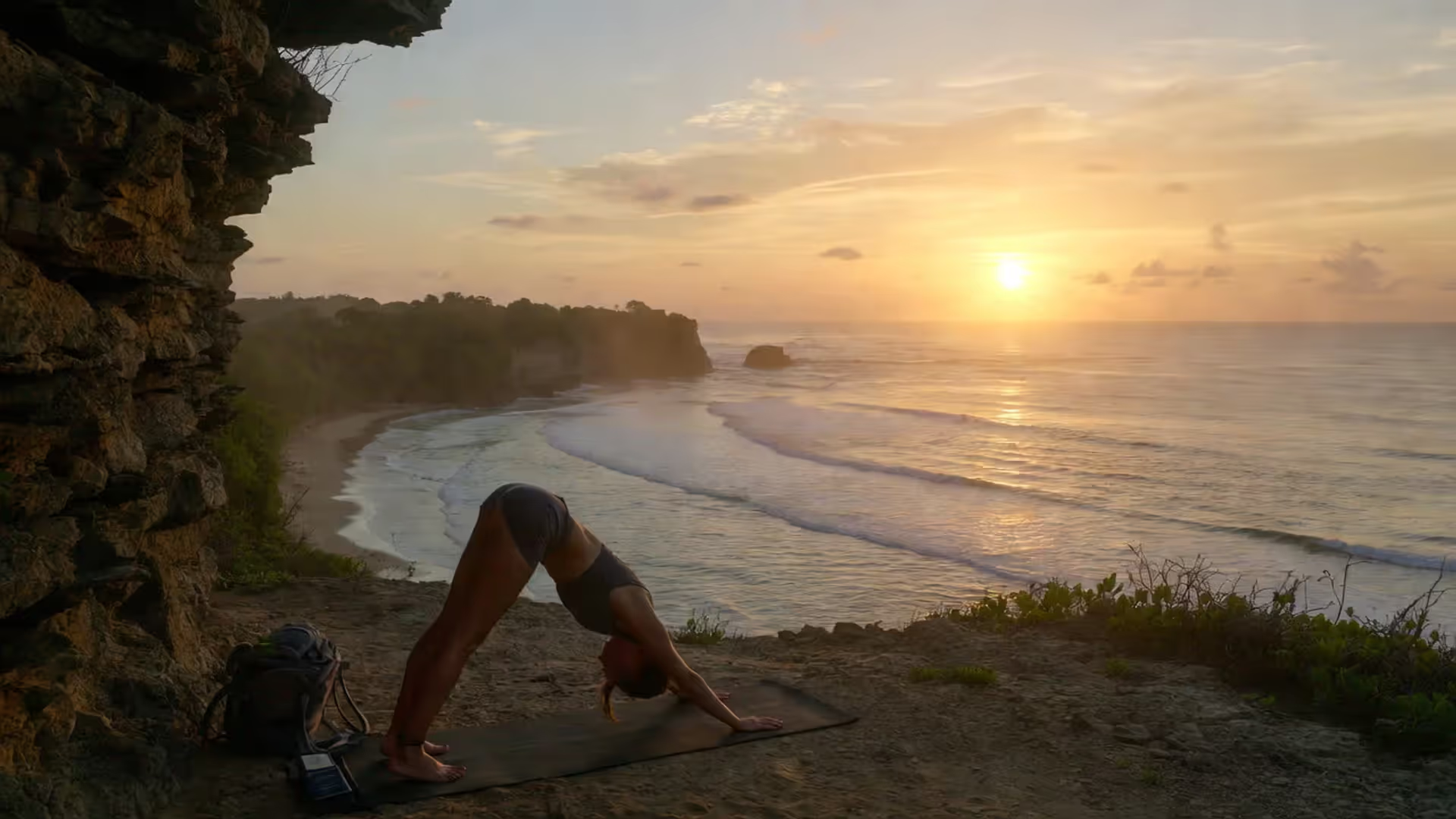
Small-group sunrise yoga and meditation session overlooking the ocean.
Yoga and Meditation Holidays: How to Plan a Trip That Balances Practice and Rest

A friend books what she thinks is a relaxing beach vacation with morning yoga. She arrives to find a silent retreat with no talking at meals, five hours of daily seated meditation, and a lights-out policy at 9 PM. The practice is profound — but it's not what she wanted. Another person chooses a resort-style "mindfulness getaway" expecting structured sessions and personal growth, only to discover a single optional class at 7 AM and nothing else on the schedule.
Both trips were marketed as yoga and meditation holidays. The experiences couldn't have been more different.
That gap — between what gets advertised and what you actually live through for a week — is the core planning problem. This guide addresses it directly: what the main formats look like, how to match a program to your expectations, where to go, what things cost, and how to vet a specific offering before handing over a deposit.
What Yoga and Meditation Holidays Actually Look Like (Three Distinct Formats)
The market breaks into three categories, and most booking regret comes from picking the wrong one.
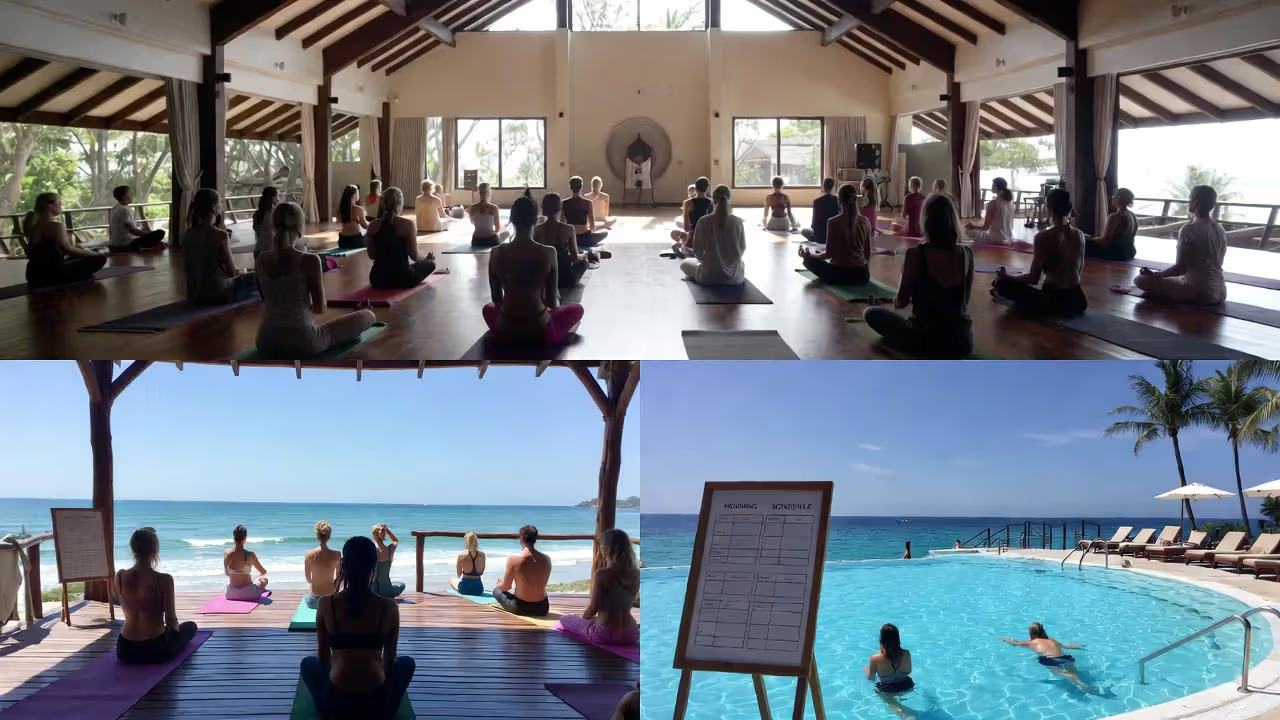
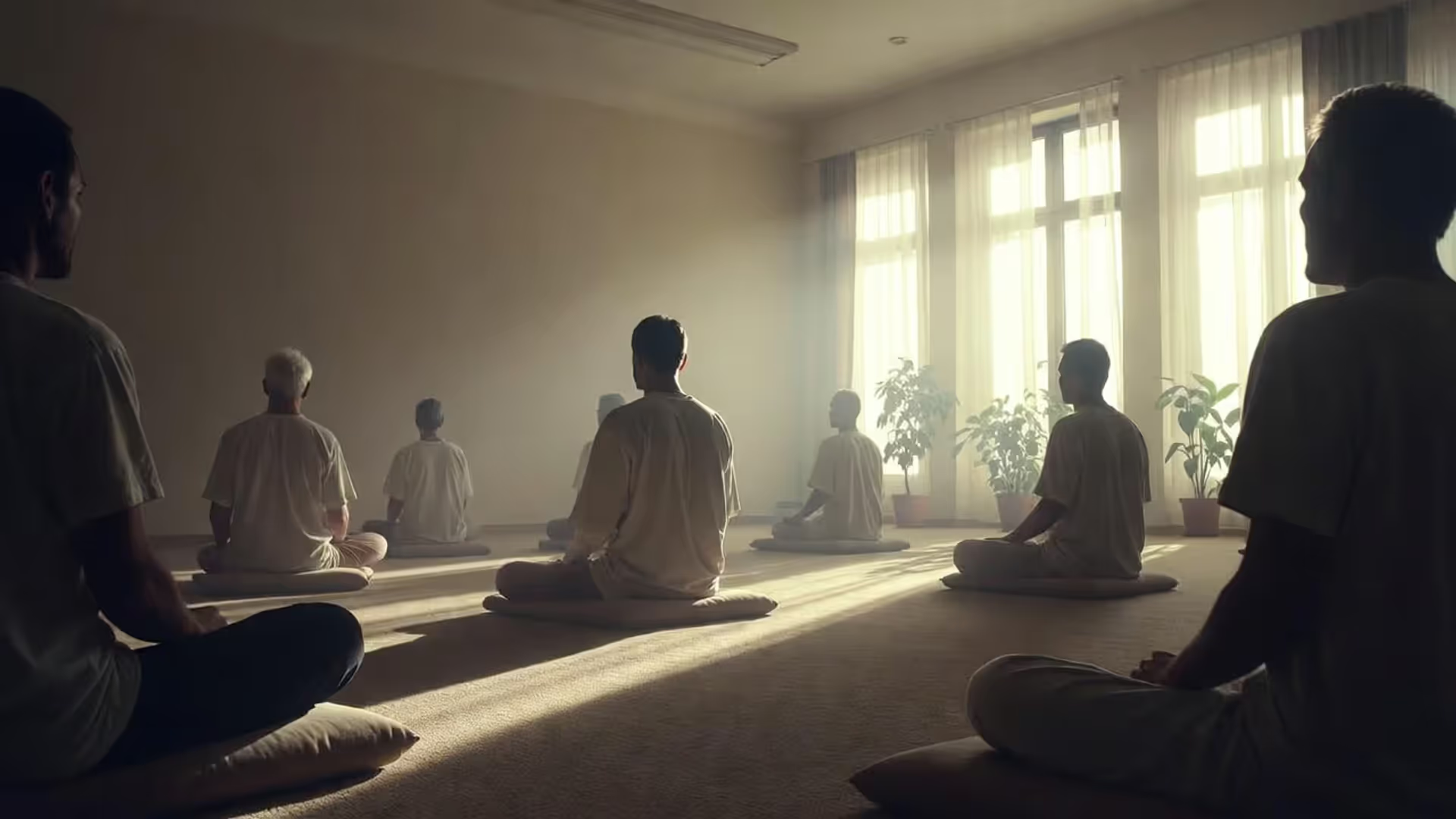
Practice-intensive programs center the entire schedule around instruction. Expect 4–6 hours of combined asana, pranayama, and meditation daily. Silence periods are common. Social time is limited. Free exploration is minimal. These deliver the deepest skill development and the most significant mental shifts — but they feel like disciplined study, not a holiday. Formats range from Vipassana-style silent retreats to structured yoga immersions with philosophical study blocks. A holistic retreat experience at this level demands physical readiness and emotional willingness to sit with discomfort.
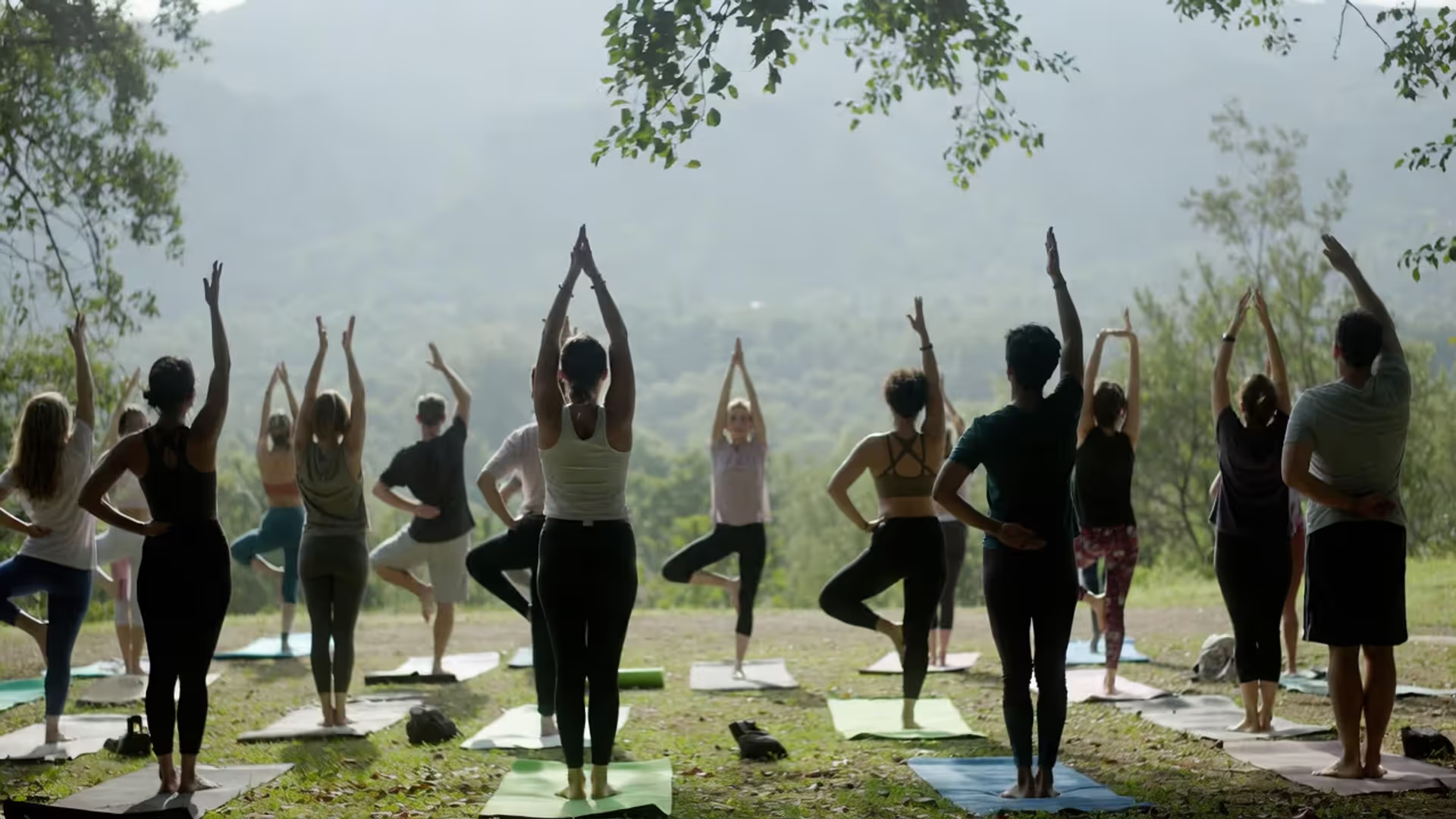
Balanced hybrids split the day between guided sessions (2–3 hours) and open time for excursions, beach visits, reading, or simply doing nothing. Mornings might follow a structured flow — asana, meditation, breakfast, workshop — while afternoons are yours. These attract the broadest audience: practitioners who want genuine depth without sacrificing the restorative quality of being somewhere beautiful.
Vacation-first programs treat yoga and meditation as amenities alongside a broader wellness or travel experience. One optional morning class, maybe an afternoon guided meditation — the rest is pool time, spa treatments, cultural excursions, and curated meals. Instruction quality varies widely because it's not the core product. These work well for couples or groups where not everyone practices.
Author: Ava Mitchell;
Source: yogapennsylvania.com
The single most useful question before booking: how many hours of structured practice per day do I actually want? Answer honestly. If it's one, don't book a five-hour immersion. If it's four, don't choose a resort with a single class.
Practice-Heavy vs Vacation-Heavy: How to Pick the Right Ratio
| Dimension | Practice-Intensive | Balanced Hybrid | Vacation with Yoga |
| Daily practice hours | 4–6 hrs | 2–3 hrs | 0.5–1.5 hrs |
| Free / exploration time | 1–2 hrs | 4–6 hrs | Most of the day |
| Social atmosphere | Quiet, often silent periods | Moderate, communal meals | Social, resort-style |
| Excursion access | Rare or none | 2–3 per week available | Daily options |
| Typical price range (per week) | $1,500–$5,000 | $2,500–$7,000 | $3,000–$10,000+ |
| Ideal for | Committed practitioners, personal breakthroughs | Most travelers seeking depth + rest | Couples, mixed-interest groups, first-timers |
The fundamental trade-off: more structure yields deeper results in practice and self-awareness, but less spontaneity and relaxation. More freedom feels like a genuine vacation, but the yoga and meditation components become supplemental rather than transformative.
A practical guideline: if you meditate fewer than three times per week at home, a practice-intensive format will likely feel overwhelming. Start with a balanced hybrid for your first yoga travel experience and adjust from there.
Top Destinations by Holiday Type (Domestic and International)
Wellness Holiday USA — Where to Go Without a Passport

Author: Ava Mitchell;
Source: yogapennsylvania.com
California coast (Big Sur, Ojai, Sonoma): The widest domestic selection. Programs range from weekend mindfulness getaways to two-week immersions. Mediterranean climate keeps outdoor sessions comfortable year-round. Budget: $3,000–$8,000 per week for quality mid-to-high-tier options.
Sedona, Arizona: Red-rock desert setting popular with meditation-heavy programs. The landscape itself becomes part of the contemplative experience. Strong Ayurvedic and energy-work integration. Range: $2,500–$6,000.
Hudson Valley, New York: Accessible for East Coast travelers — a 90-minute drive from Manhattan. Woodland and farm-based properties with a quieter, less commercial atmosphere than West Coast alternatives. Weekends run $400–$1,200; full weeks $2,000–$5,000.
Hawaii (Big Island, Maui): Tropical warmth, volcanic landscapes, year-round programming. Higher price floor than mainland options due to island logistics: $4,000–$10,000 per week.
A wellness holiday in the USA eliminates passport logistics, jet lag, and international travel insurance complexity — meaningful advantages for anyone with limited PTO or traveling with family.
International Picks for a Yoga Travel Experience
Bali (Ubud): The default destination for immersive programs at a favorable price point. $2,000–$5,000 covers villa-quality accommodation, daily instruction, and chef-prepared meals. The catch: 20+ hours of travel from most U.S. cities and 2–3 days of jet-lag adjustment.
Portugal (Algarve coast): A rising European option combining beach access, design-forward properties, and moderate pricing. Strong hybrid-format offerings. Range: $2,500–$6,000. Minimal visa hassle for U.S. travelers.
Costa Rica (Nosara, Nicoya Peninsula): Established infrastructure for both practice-intensive and hybrid programs. Short flights from most U.S. airports, no visa required, and pricing 30–40% below equivalent domestic offerings: $2,000–$5,500.
India (Rishikesh): The traditional epicenter. Extremely affordable ($1,000–$3,000) but infrastructure quality ranges from excellent to rough. Cultural immersion is unmatched. Best for experienced practitioners who don't require resort-level comfort.
What Yoga Meditation Vacation Packages Typically Include (and Hidden Costs)
Author: Ava Mitchell;
Source: yogapennsylvania.com
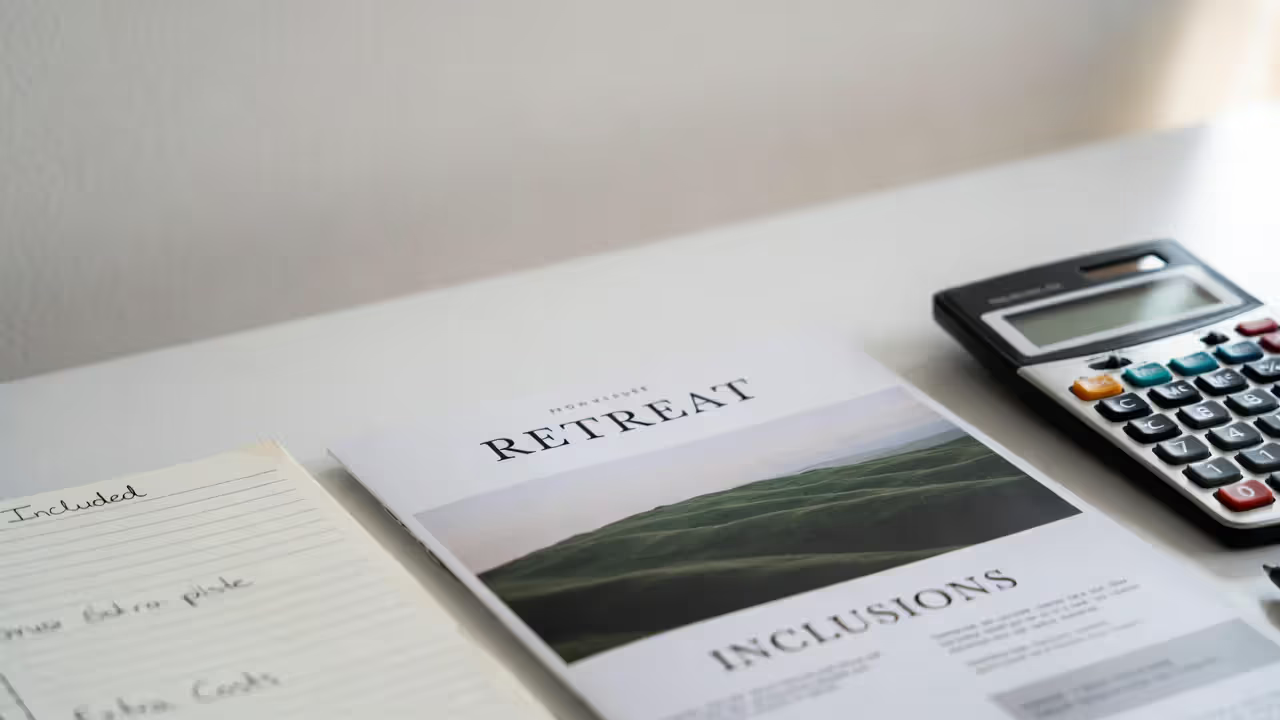
Most yoga meditation vacation packages bundle four elements: nightly accommodation, meals (usually three per day plus snacks), group instruction sessions, and use of property facilities — pool, meditation hall, gardens.
What "all-inclusive" typically does not cover: airport transfers ($50–$200 each way), private instruction ($100–$300 per session), off-site excursions ($30–$150 per outing), room upgrades, premium beverages, bodywork sessions beyond any included allocation, and gratuities for staff.
A realistic add-on budget: $300–$800 per person per week beyond the quoted package price. Programs that generate $1,000+ in ancillary revenue per guest are effectively marketing a lower sticker price while recouping margin through extras.
Red flags in pricing: "From $X" with no clear explanation of what that base number includes. Packages that list massage and excursions in the description but bury the surcharges in the booking terms. Any program that won't provide a complete written breakdown of inclusions versus add-ons before you commit financially.
A common scenario: the brochure says "spa treatments included" but the fine print reveals one 30-minute session across a seven-day stay, with additional appointments priced at $150 each. Another frequent issue: "all meals included" doesn't always cover beverages — even water or tea may be extra at some international properties.
Rule of thumb: if you can't get a clear, itemized answer to "what exactly does my payment cover?" within one email exchange, the program isn't organized enough to trust with $3,000–$8,000 of your money.
In truth, yoga doesn’t take time — it gives time.
— Ganga White
How to Evaluate a Mindfulness Holiday Retreat Before Booking
Seven verification steps, specific to the hybrid yoga-meditation format where both disciplines need competent instruction:
- Instructor credentials for both yoga and meditation. Many programs are strong in one and weak in the other. A brilliant asana teacher with no formal meditation training will deliver thin guided sits. Verify both skill sets independently.
- Published daily schedule. A program confident in its structure shares the full timetable upfront. Vague descriptions like "morning practice, afternoon exploration" suggest the schedule isn't fully developed.
- Accommodation verification. Request recent, unedited photos. Marketing imagery can be years out of date. Ask when the property was last updated.
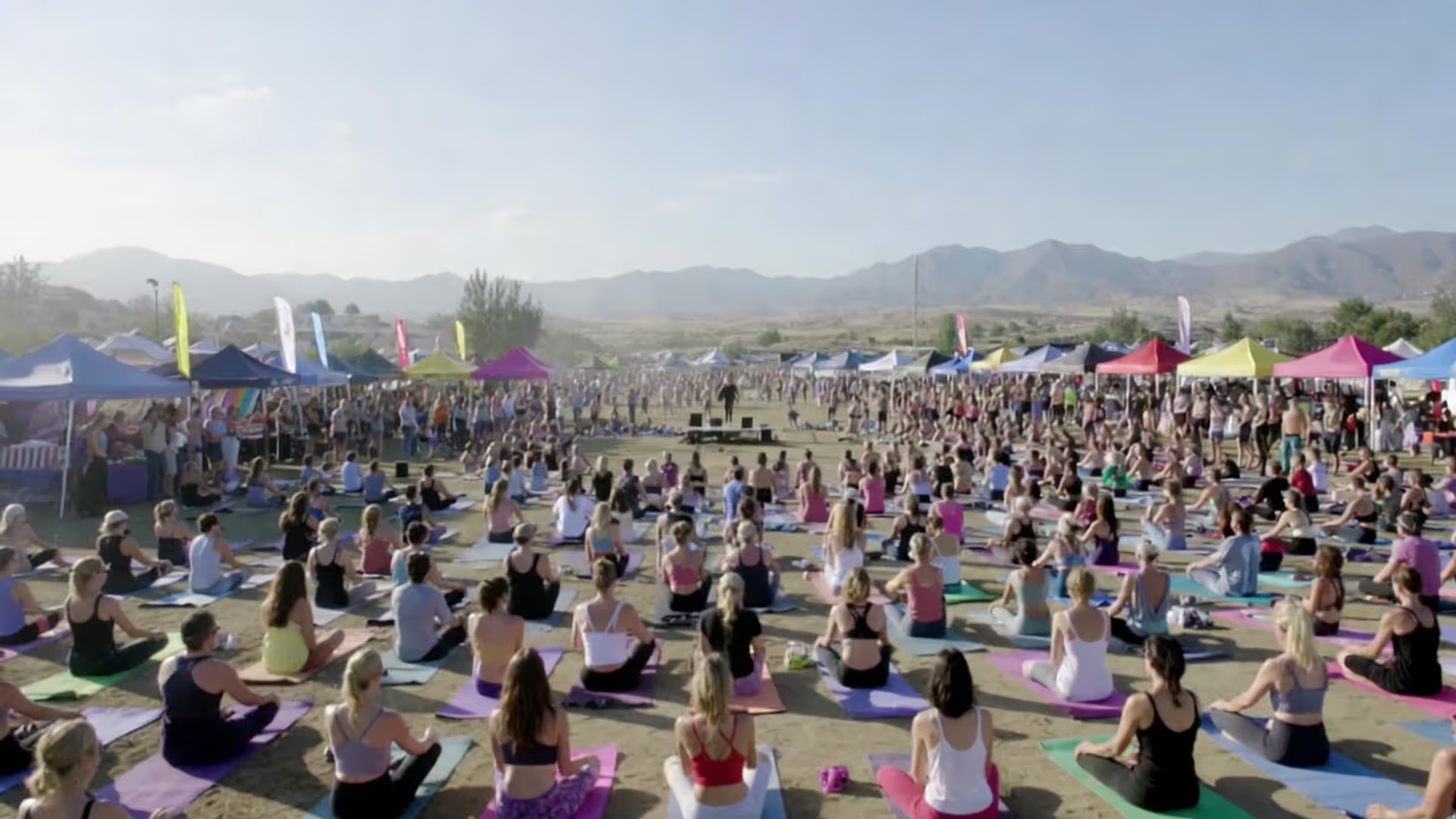
- Group size cap. Anything over 20 for a mindfulness holiday retreat dilutes the intimacy and instructor access that justify the price. Ask for the maximum enrollment number in writing.
- Cancellation terms. Read them entirely. International programs commonly enforce strict no-refund policies 60–90 days before arrival. Travel insurance with cancel-for-any-reason coverage ($200–$400) eliminates the risk.
- Independent reviews. Google, TripAdvisor, and Trustpilot — not testimonials curated by the program itself. Look for comments about instruction depth, not just property beauty.
- Balance between guided and unstructured time. A schedule packed with 8 hours of programming leaves no room for integration, rest, or spontaneous exploration. Look for at least 3–4 hours of genuinely free time daily in hybrid formats.
Retreat Getaway Ideas by Budget and Time Available

Author: Ava Mitchell;
Source: yogapennsylvania.com
Weekend Escapes (2–4 Days, Under $1,500)
Domestic only at this price point. Hudson Valley, Catskills, and Berkshires for East Coast travelers. Joshua Tree, Ojai, and Sonoma for the West Coast. Expect shared or basic private accommodations, 2–3 daily group sessions, and communal meals. These work well as a first-time trial before committing to a longer trip. Shoulder-season weekends (October, March) run 20–30% below peak pricing.
Full-Week Immersions ($2,500–$8,000)
The sweet spot for most travelers. Enough time for the nervous system to actually downregulate and for the practice to build momentum. Costa Rica, Bali, and domestic California properties dominate this bracket. Book 4–6 months ahead for the best rate-to-availability balance. Shoulder seasons (May–June, September–November for tropical destinations) cut costs by 25–35% with negligible experience differences.
Extended Journeys (10–21 Days, $4,000–$15,000+)
For serious practitioners, sabbatical travelers, or anyone with the time and budget for genuine immersion. India and Bali offer the most affordable extended stays. Multi-week programs often include teacher-training components, silent-practice modules, or Ayurvedic detox protocols. The psychological shift that happens around day 8–10 — when daily-life mental patterns finally quiet — is something shorter trips rarely reach.
A practical consideration for extended trips: check whether your travel insurance covers the full duration. Standard policies often cap coverage at 14 or 21 days. Programs in remote locations (rural India, jungle properties in Central America) may require medical evacuation riders that cost an additional $50–$100 but eliminate catastrophic risk.
FAQ
The most satisfying yoga and meditation holidays share a common formula: they match the format to the traveler's actual needs, deliver credentialed instruction in both disciplines, price transparently, and leave enough unstructured time for rest and exploration. Decide first how many hours of daily practice you genuinely want. Then filter by destination, budget, and season. Vet the instructors before the property, read the cancellation terms before the brochure copy, and book during shoulder months whenever your schedule allows. The right program at the right price is almost always available — it just requires asking the right questions before the deposit clears.
Related Stories
Read more
Read more

The content on yogapennsylvania.com is provided for general informational and inspirational purposes only. It is intended to share yoga tips, meditation practices, wellness guidance, retreat experiences, and lifestyle insights, and should not be considered medical, therapeutic, fitness, or professional health advice.
All information, articles, images, and wellness-related materials presented on this website are for general informational purposes only. Individual health conditions, physical abilities, wellness goals, and experiences may vary, and results can differ from person to person.
Yogapennsylvania.com makes no representations or warranties regarding the accuracy, completeness, or reliability of the content provided and is not responsible for any errors or omissions, or for decisions or actions taken based on the information presented on this website. Readers are encouraged to consult qualified healthcare or wellness professionals before beginning any new yoga, meditation, or fitness practice.