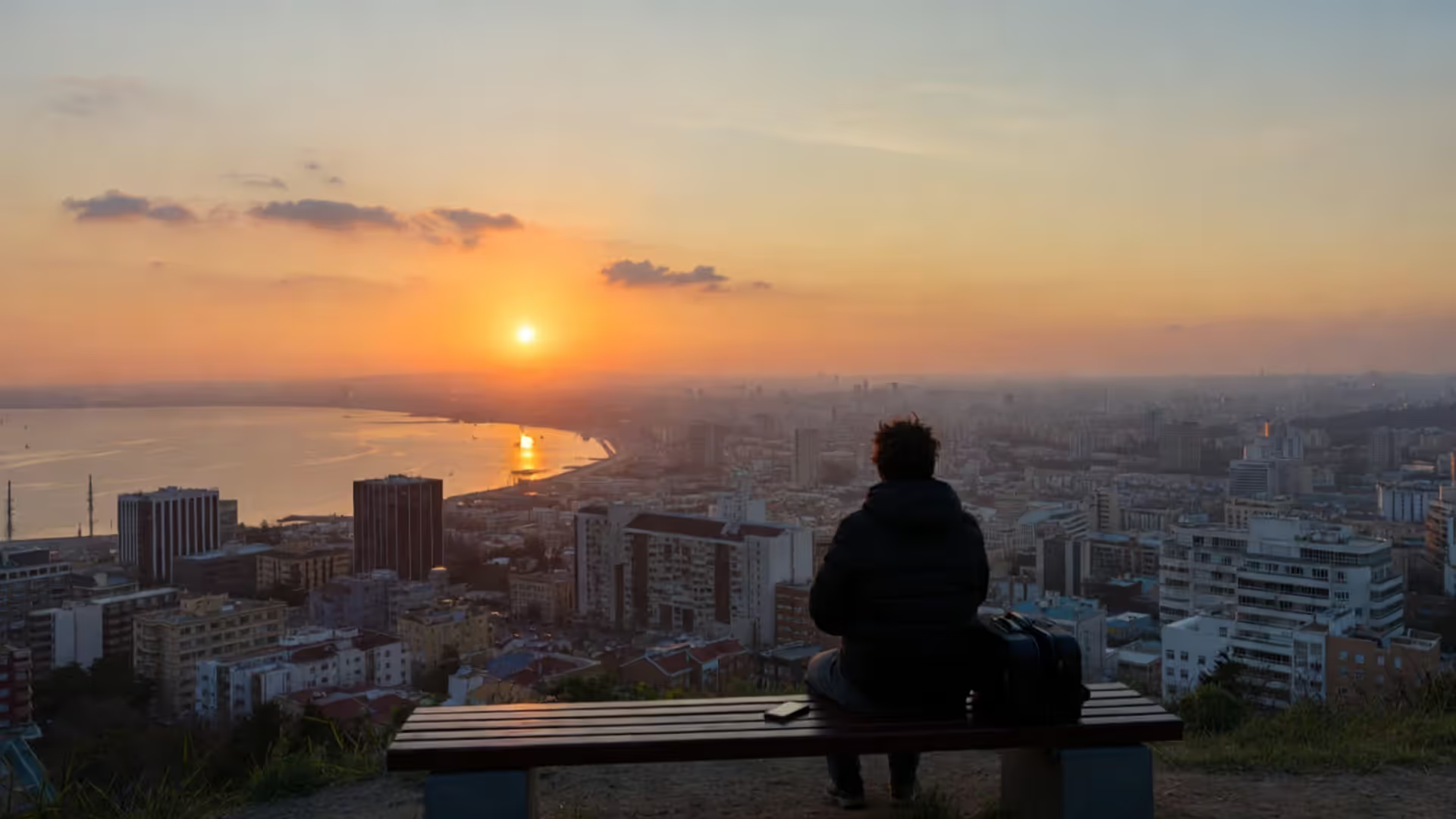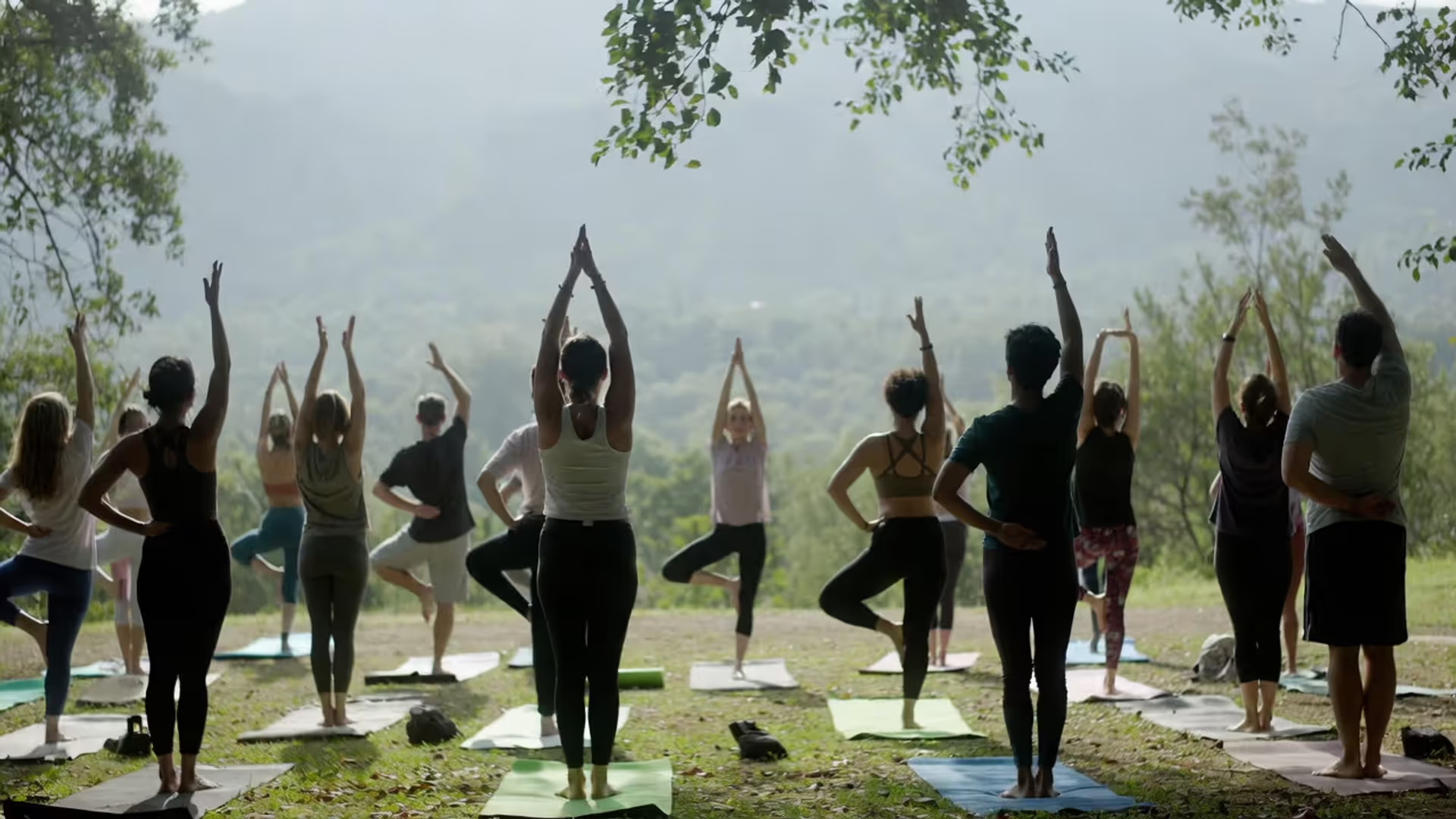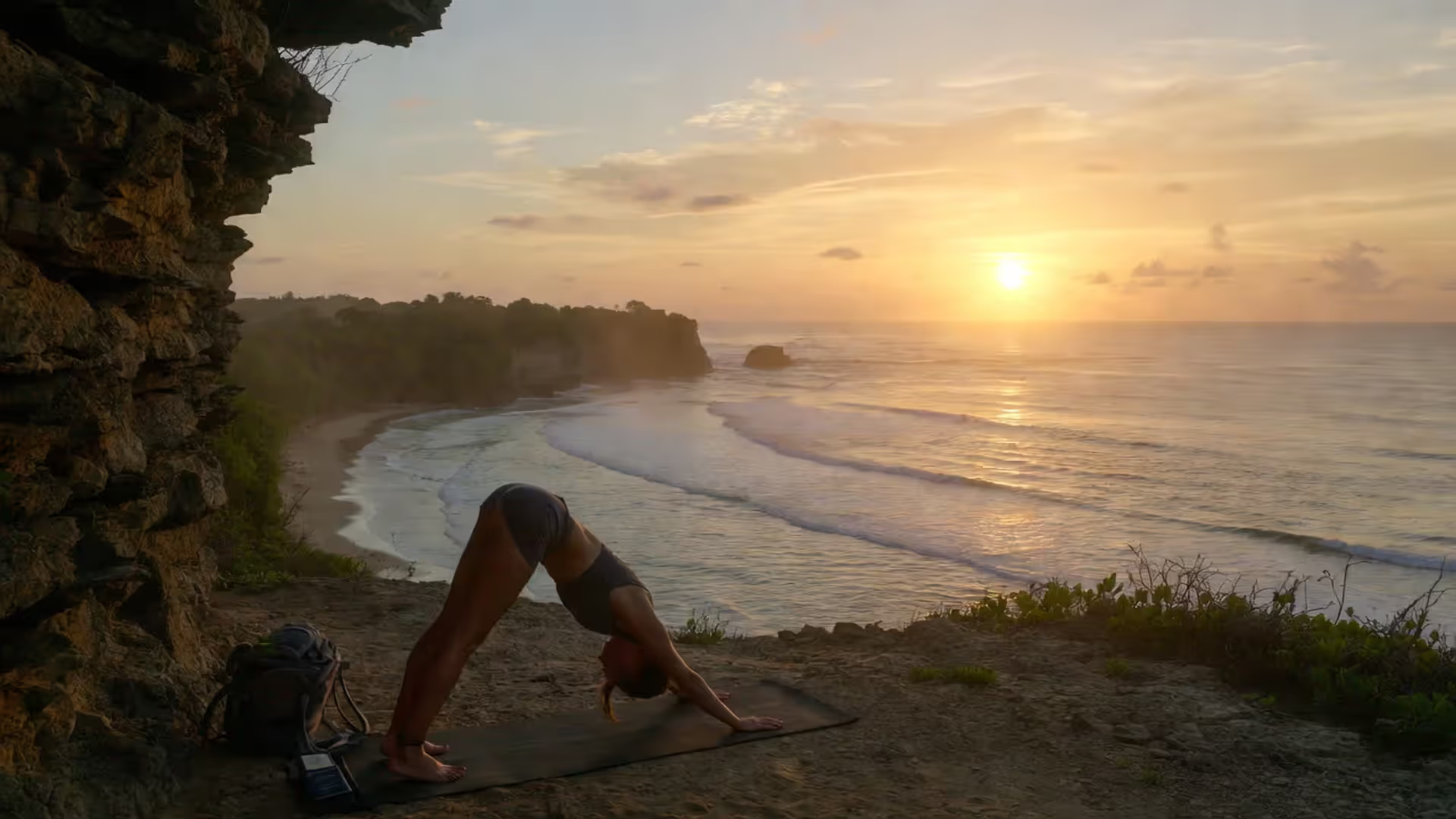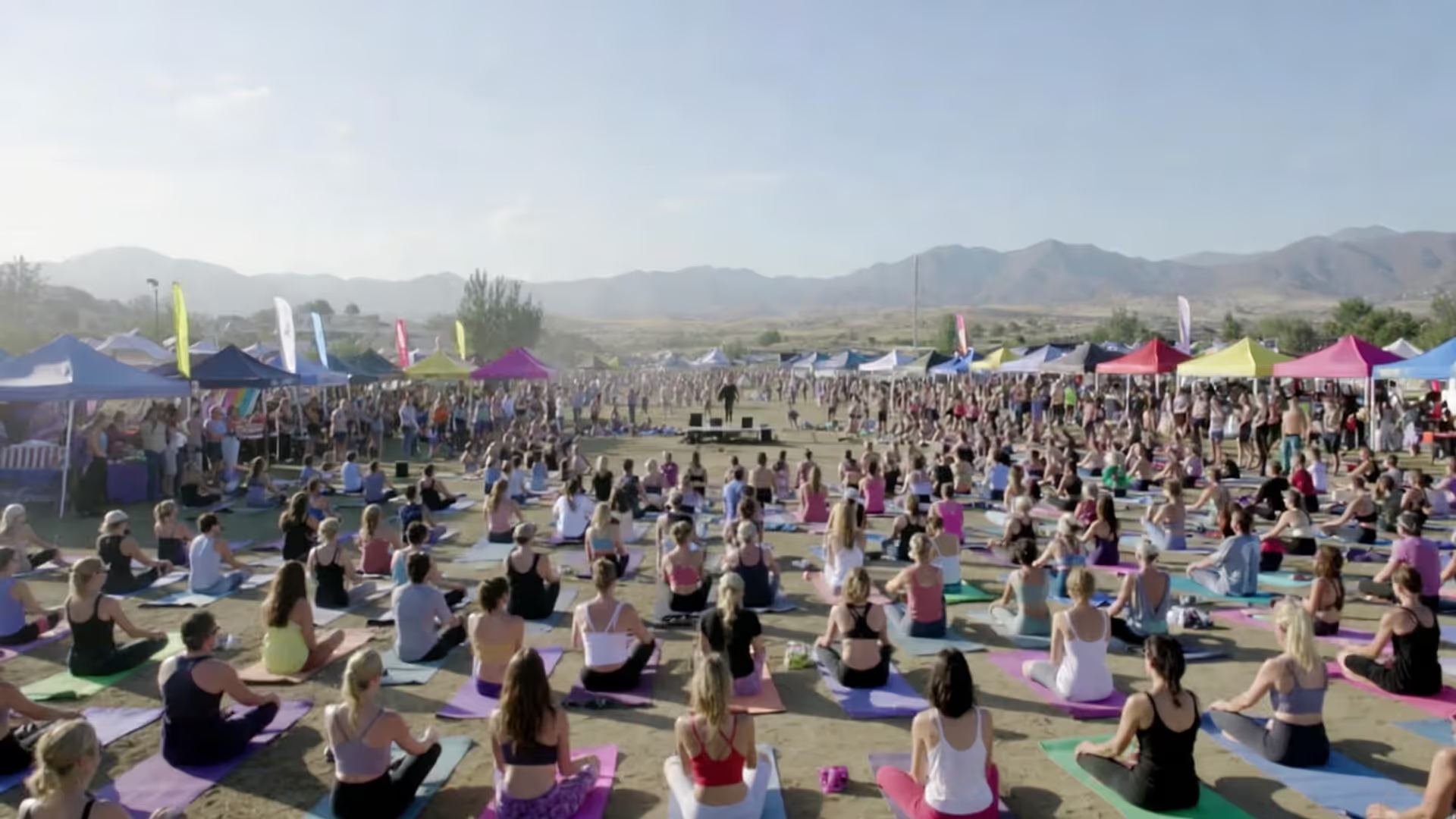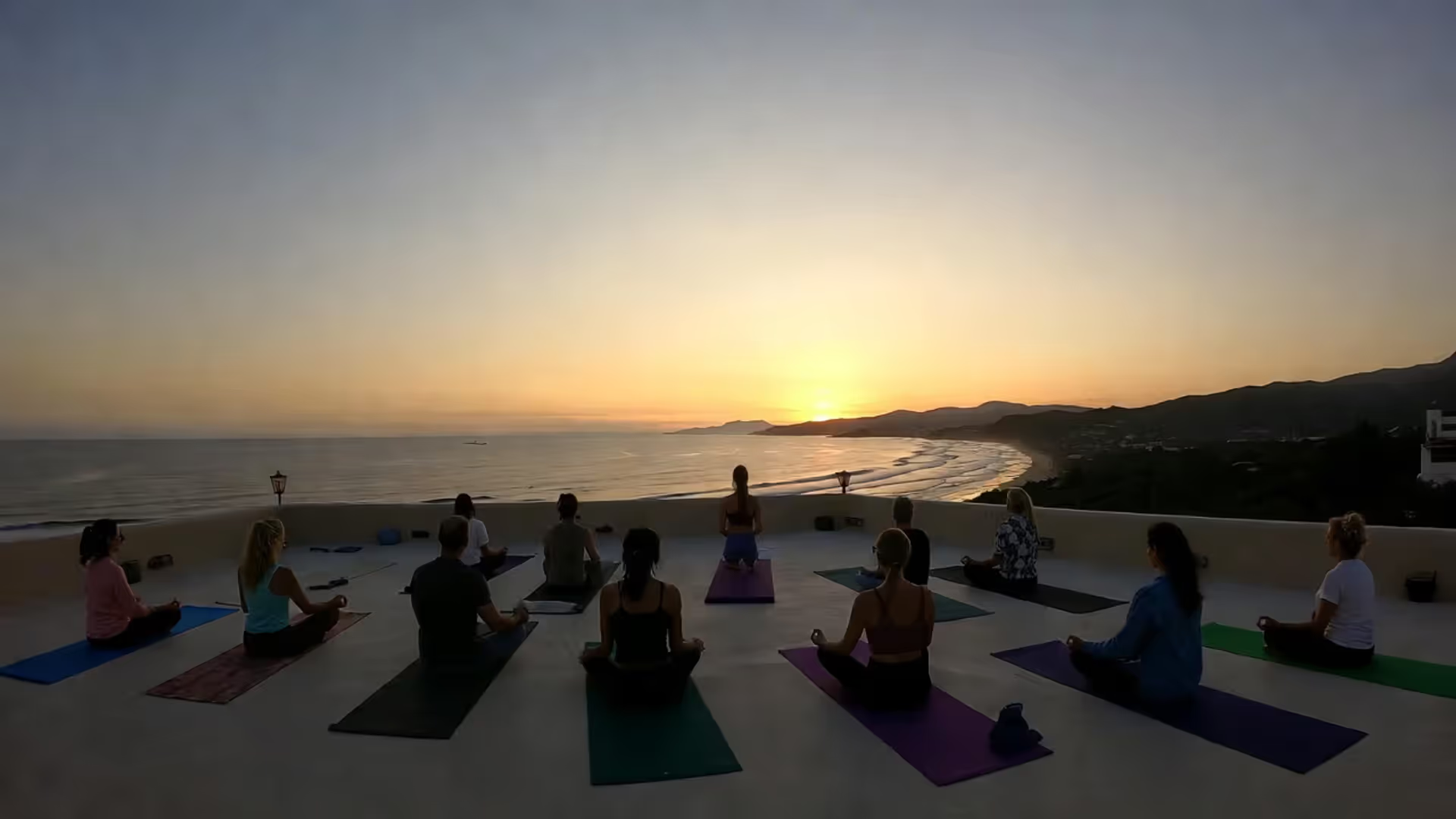
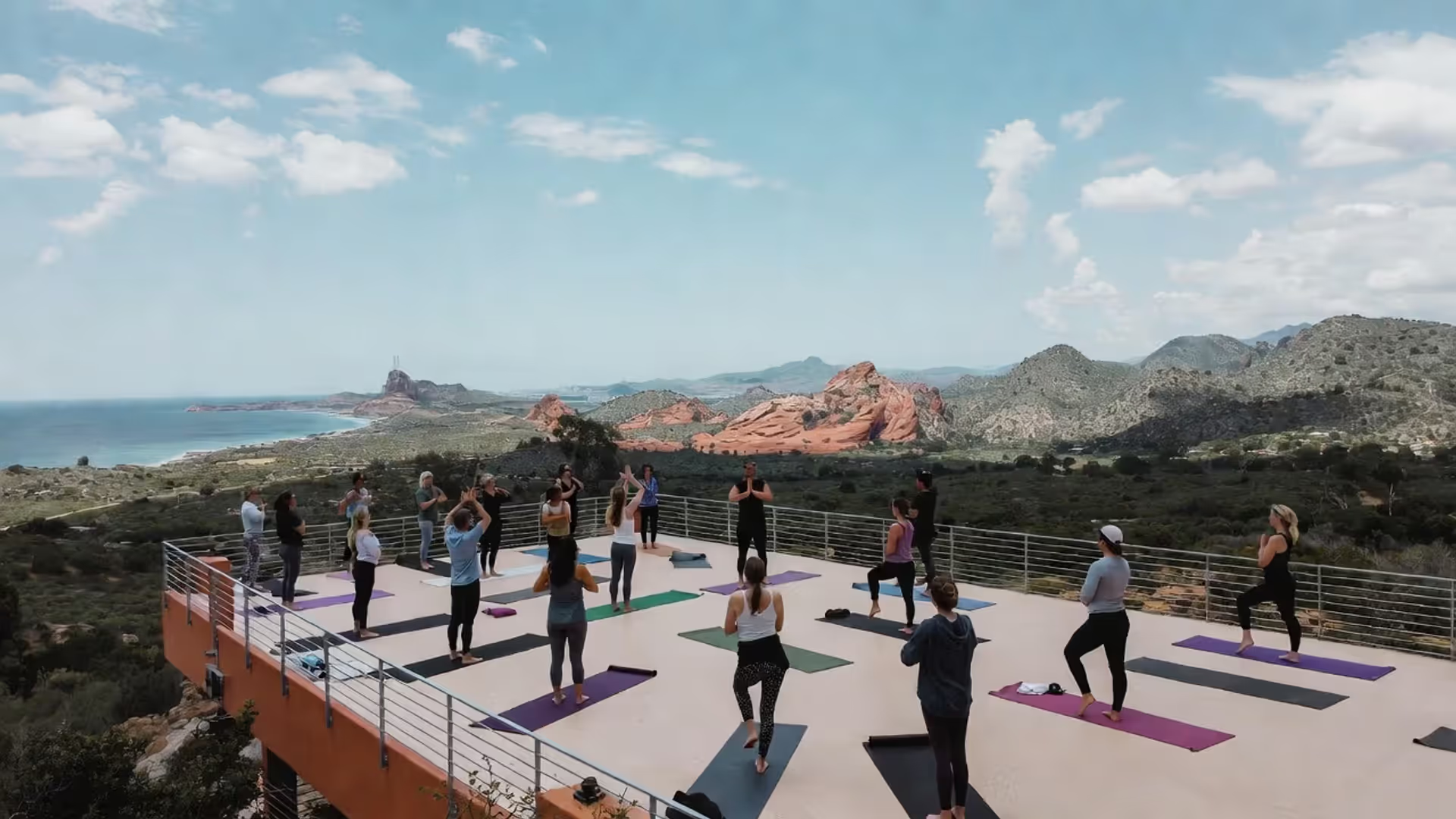

Finding the right place to step away from daily routines and reconnect with yourself isn't just about booking a retreat—it's about choosing an environment that supports transformation. The location shapes everything: the quality of your practice, the depth of your rest, and how sustainable those changes feel when you return home.
What Makes a Great Yoga Retreat Destination?
A yoga retreat destination works when several elements align. Natural surroundings matter because they reduce cortisol levels and create space for introspection. You'll practice differently near ocean waves than in desert silence or mountain air—each landscape offers its own teaching.
Retreat center quality separates memorable experiences from disappointing ones. Look for instructors with verifiable certifications (RYT 200 minimum, RYT 500 preferred), small class sizes (ideally under 15 students), and facilities that match the advertised photos. One common mistake: assuming "luxury" automatically means better instruction. Sometimes a simple ashram with experienced teachers outperforms a five-star resort with generic yoga classes.
Accessibility includes both getting there and navigating once you arrive. Direct flights matter if you're working with limited vacation days. Ground transportation should be straightforward—if a retreat requires three different vehicles and a boat, factor in that travel fatigue.
Cultural atmosphere shapes your experience beyond the mat. Regions with established wellness communities (like Sedona or Ubud) offer robust yoga cultures but can feel touristy. Lesser-known areas provide authenticity but might lack English-speaking instructors or familiar food options.
Climate and seasonality determine comfort levels. Humid tropical heat during summer in Costa Rica challenges some practitioners, while others find it purifying. Winter in Colorado offers stunning snow-covered peaks but limits outdoor practice options.
Best Yoga Retreat Destinations USA
Author: Connor Evans;
Source: yogapennsylvania.com
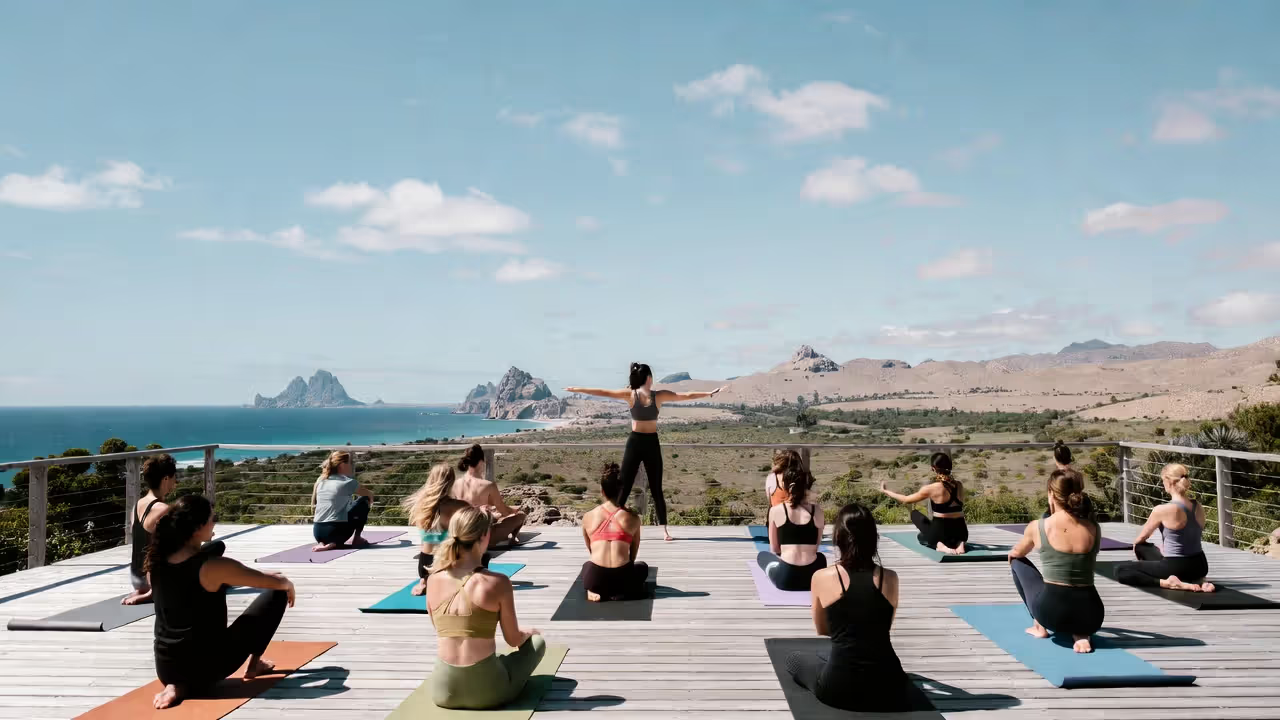
American yoga retreat destinations eliminate visa complications, reduce jet lag, and often cost less when you factor in airfare. The United States offers remarkable diversity—from Pacific coastlines to red rock deserts.
California (Coastal & Desert Retreats)
Big Sur's cliffs and redwoods create dramatic backdrops for morning meditation. Esalen Institute pioneered the retreat movement here in the 1960s and maintains natural hot springs overlooking the ocean. Expect prices around $2,000-$3,500 for a week, including meals and workshops.
The desert around Joshua Tree attracts practitioners seeking solitude and stark beauty. Smaller retreat centers here focus on restorative practices and sound healing. Summer temperatures exceed 100°F, making October through April the practical window.
Arizona (Sedona & Southwest Energy Destinations)
Sedona's red rocks draw people interested in energy vortexes and spiritual exploration. The concentration of retreat centers means plenty of options, from rustic to luxurious. Mii Amo Spa at Enchantment Resort integrates Native American wisdom with contemporary wellness, though expect to pay premium rates ($4,000+ for five days).
Spring and fall offer ideal weather. Summer heat limits hiking options, while winter occasionally brings snow that transforms the landscape entirely.
Colorado (Mountain Wellness Escapes)
Shambhala Mountain Center near Red Feather Lakes sits at 8,000 feet elevation. The altitude affects some people initially—hydration becomes critical, and you'll tire more quickly during physical practice. The trade-off: thin air and expansive views that make meditation almost effortless.
Mountain towns like Crestone host smaller, often donation-based retreat centers rooted in Tibetan Buddhist traditions. These appeal to serious practitioners comfortable with rustic accommodations and silent protocols.
Hawaii (Island Yoga & Nature Immersion)
Kalani Oceanside Retreat on the Big Island offers oceanfront yoga platforms and access to nearby volcanic landscapes. The property supports dance workshops, and permaculture programs alongside yoga intensives.
Kauai's north shore provides jungle settings with frequent rain—bring layers even in summer. Maui balances accessibility with tropical ambiance but costs more for accommodations.
| Destination | Best Season | Average Cost Range | Retreat Style |
| Big Sur, CA | Apr–Oct | $2,000–$3,500/week | Nature immersion, workshops |
| Sedona, AZ | Mar–May, Sep–Nov | $1,800–$4,500/week | Spiritual focus, luxury options |
| Colorado Mountains | Jun–Sep | $1,200–$2,800/week | High-altitude, meditation-focused |
| Hawaii Islands | Year-round | $2,500–$4,000/week | Oceanfront, cultural activities |
International Yoga Holiday Destinations
Author: Connor Evans;
Source: yogapennsylvania.com
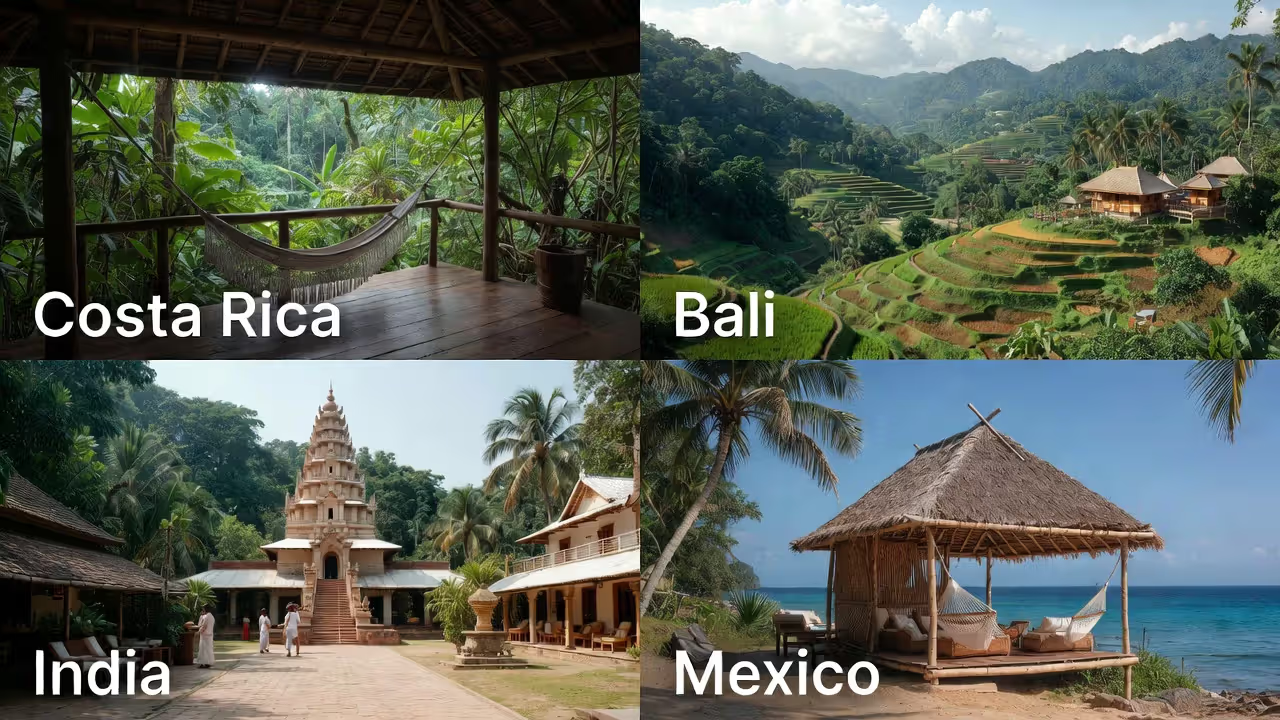
International retreat locations offer cultural immersion and often lower costs, despite airfare. The experience of practicing yoga where ancient traditions developed adds depth many practitioners seek.
Costa Rica (Jungle & Beach Retreats)
The Nicoya Peninsula hosts numerous retreat centers along quiet beaches. Blue Spirit near Nosara combines professional instruction with sea turtle nesting sites and howler monkey wake-up calls. All-inclusive week-long retreats run $1,800-$2,800, significantly less than comparable U.S. properties.
Rainy season (May–November) brings afternoon downpours but fewer crowds and discounted rates. Some practitioners find the humidity challenging; others consider it part of the cleansing process.
Bali (Spiritual & Cultural Immersion)
Ubud remains the center of Bali's yoga scene, though growth has created traffic congestion that contrasts sharply with the peaceful image. Look slightly outside town—Penestanan or Sayan offer proximity without the crowds.
The Yoga Barn popularized affordable drop-in classes and short-term training programs. For dedicated retreats, properties like COMO Shambhala Estate provide medical consultations, Ayurvedic treatments, and personalized practice plans.
Budget carefully: cheap accommodations exist, but quality varies wildly. Mid-range options ($1,500-$2,500 for a week including meals) typically deliver better experiences than the rock-bottom prices advertised online.
India (Traditional Yoga & Ashram Experiences)
Rishikesh, where the Ganges exits the Himalayas, claims to be yoga's birthplace. Ashrams here range from basic dormitories to comfortable guesthouses. Parmarth Niketan hosts large groups and evening aarti ceremonies; Sivananda Ashram follows a structured schedule including karma yoga (service work).
Southern India offers different flavors. Kerala combines yoga with Ayurvedic medicine—panchakarma treatments require a two-week minimum commitment. Tamil Nadu's ashrams maintain more traditional protocols, often including vegetarian sattvic diets and early morning practices.
Plan for culture shock. India's intensity—noise, crowds, hygiene differences—challenges Western practitioners. That challenge is also the point for many seeking authentic immersion.
Mexico (Affordable Coastal Retreats)
Tulum attracted yoga tourism before becoming overtourced. Current development has raised prices substantially. Consider alternatives like Sayulita (Pacific side) or the quieter stretches of the Riviera Maya.
Xinalani Retreat near Puerto Vallarta requires boat access, limiting outside distractions. The jungle setting and ocean views create natural boundaries for focused practice. Week-long packages run $1,400-$2,200.
Spiritual Travel Locations for Deep Inner Work
Spiritual travel locations serve practitioners ready to move beyond physical postures into meditation, study, and contemplative traditions. These spaces emphasize inner transformation over vacation relaxation.
Sacred landscapes include Mount Shasta in California, believed by some to hold mystical properties. Sedona's vortex sites attract those interested in energy work. Mount Kailash in Tibet represents the ultimate pilgrimage for serious practitioners, though accessibility remains limited.
Ashrams traditionally provide structure: scheduled practices, community meals, periods of silence, and karma yoga. Expectations differ from retreat resorts—you might share rooms, follow dress codes, and participate in cleaning duties. Sivananda centers worldwide maintain consistent programs; Kripalu in Massachusetts offers a gentler introduction to ashram-style living.
Meditation centers like Spirit Rock in California or Insight Meditation Society in Massachusetts focus specifically on vipassana and mindfulness practices. Ten-day silent retreats represent standard offerings. Silence extends beyond not talking—you avoid eye contact, reading, and writing to minimize external stimulation.
These intensive experiences suit people with established practices. Beginners sometimes find the structure overwhelming or the silence uncomfortable. A quick rule of thumb: if you've never meditated for more than 30 minutes consecutively, start with a shorter silent retreat (3-5 days) before committing to longer formats.
Wellness Vacation Ideas Beyond Traditional Retreats
Author: Connor Evans;
Source: yogapennsylvania.com
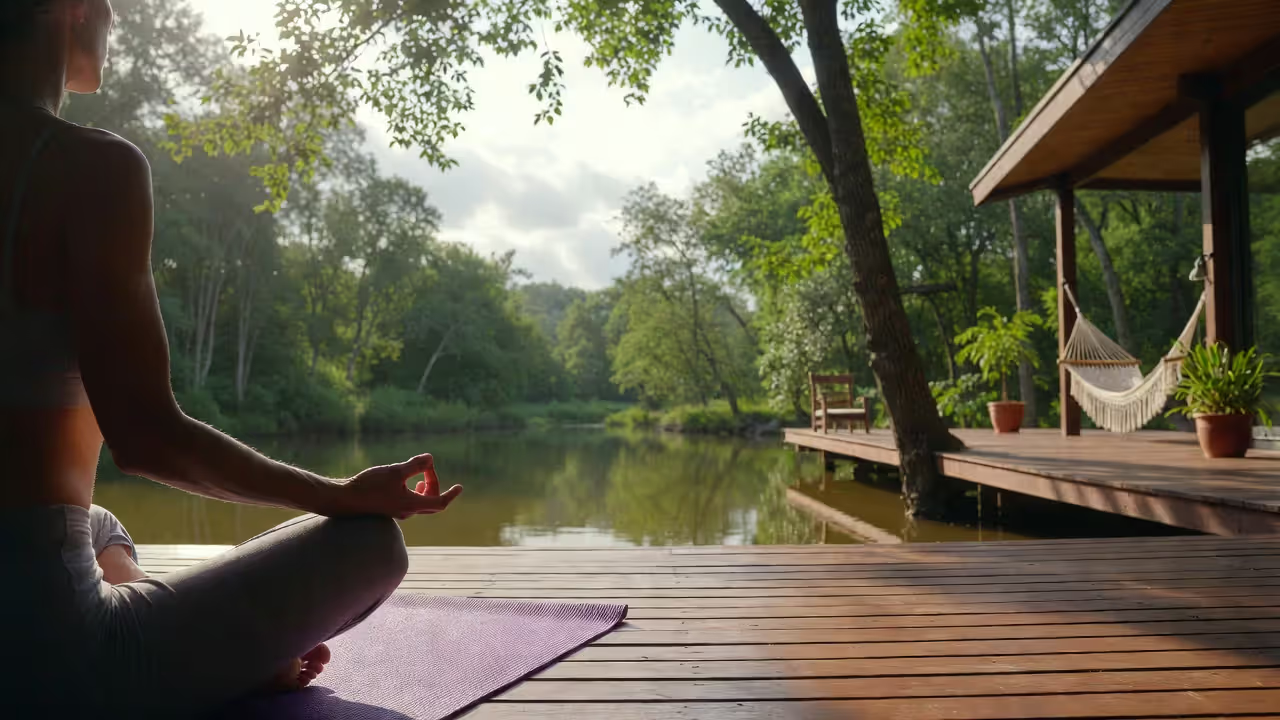
Wellness vacation ideas blend yoga with complementary activities, appealing to people who want movement variety or who travel with non-yoga companions.
Yoga and hiking retreats in Montana, Wyoming, or the Pacific Northwest combine morning asana with afternoon trail exploration. These suit active practitioners and work well for couples where one person practices yoga seriously and the other prefers outdoor activities.
Yoga and surf camps operate along both U.S. coasts and throughout Central America. Morning yoga prepares the body for afternoon surf sessions. No surfing experience necessary—most programs include instruction. Nosara, Costa Rica and San Pancho, Mexico specialize in this combination.
Digital detox retreats remove technology entirely. Participants surrender phones upon arrival and spend days without screens, news, or email. Feathered Pipe Ranch in Montana has offered technology-free retreats since before smartphones existed. The experience reveals how often we reach for devices out of habit rather than necessity.
Yoga and spa resorts like Miraval in Arizona or Canyon Ranch deliver yoga classes alongside massage, facials, and fitness programming. These cost more ($5,000+ weekly) but suit people wanting comprehensive wellness services rather than yoga-specific intensive study.
Sample 5-Day Wellness Yoga Vacation Itinerary:
Day 1: Arrive and settle in; gentle evening yoga
Day 2: Morning vinyasa flow, afternoon nature walk, evening meditation
Day 3: Sunrise practice, spa treatment, workshop on breathing techniques
Day 4: Yin yoga session, free afternoon for journaling or rest, sunset practice
Day 5: Final morning practice, closing ceremony, departure
Environment shapes experience. Change the landscape around you, and you begin to change the landscape within you.
— Mark Stephens
How to Choose the Right Yoga Retreat Destination for You
Choosing a yoga retreat destination requires honest self-assessment. Your fantasy destination might not match your actual needs.
Based on Budget
Budget determines options more than any other factor. Calculate total costs: retreat fees, airfare, ground transportation, travel insurance, tips, and incidentals. A $1,500 retreat in Bali might total $3,000 with flights from the U.S.
Affordable options exist domestically. Look for retreat centers in your region during shoulder seasons. Many offer work-exchange programs where you contribute a few hours daily in exchange for reduced rates or free accommodation.
Based on Travel Distance
Consider how travel time affects your retreat. A three-day weekend intensive doesn't work well if you're flying internationally—you'll spend more time traveling than practicing. Save distant destinations for week-long or longer commitments.
Domestic retreats maximize limited vacation time. You can leave Friday morning and return Sunday evening, actually rested rather than jet-lagged.
Based on Practice Style
Match destination to practice approach. Ashtanga practitioners might seek certified teachers in Mysore, India. Iyengar students find specialized workshops at the Iyengar Institute in California. Kundalini yoga has strong communities in New Mexico.
If you're exploring different styles, choose retreat centers offering variety rather than single-tradition ashrams.
Based on Season & Weather
Weather affects practice conditions significantly. Outdoor platforms work beautifully in California summers but require heated indoor spaces in Colorado winters.
Hurricane season in the Caribbean (June–November) means potential travel disruptions. Monsoon season in India (July–September) brings flooding to some regions. Plan accordingly.
Pre-Departure Checklist:

Author: Connor Evans;
Source: yogapennsylvania.com
Cost Comparison: USA vs International Retreat Destinations
Price comparisons reveal surprising patterns. International retreats often cost less for accommodations and instruction but airfare changes the calculation.
| Region | Avg. 5-7 Day Cost | Est. Travel Cost | Best For |
| California | $2,200 | $200-600 | Ocean/redwood settings, no passport |
| Arizona | $2,000 | $300-500 | Desert landscapes, spiritual focus |
| Costa Rica | $1,800 | $400-700 | Tropical beaches, wildlife, lower costs |
| Bali | $1,500 | $1,000-1,500 | Cultural immersion, extended stays |
| India | $800 | $900-1,400 | Traditional study, ashram experience |
| Mexico | $1,600 | $300-600 | Beach settings, proximity, affordability |
These figures represent mid-range options. Budget and luxury choices exist at both ends of the spectrum.
Trends in Top Retreat Locations for 2026
Top retreat locations for 2026 reflect evolving priorities in the wellness industry. Eco-conscious retreats emphasize sustainability through solar power, composting toilets, and plant-based menus. Regenerative agriculture programs at some centers let participants work with permaculture gardens.
Trauma-informed yoga spaces recognize that traditional adjustments and certain poses can trigger people with PTSD or trauma histories. Trained facilitators modify practices and create explicit consent protocols around touch. This approach expands accessibility significantly.
Hybrid work and retreat stays attract remote workers seeking a change of scenery without using vacation days. Properties with reliable WiFi, private work spaces, and flexible schedules accommodate this growing market. You work mornings, practice afternoons, and join evening sessions.
Community-centered retreats focus on connection rather than solitary reflection. Shared meals, group discussions, and collaborative projects replace silent meditation for participants craving human interaction after pandemic isolation.

Author: Connor Evans;
Source: yogapennsylvania.com
Planning Tips for a Mindful Travel Experience
Mindful travel experiences begin before departure. Book 3-6 months ahead for popular destinations and seasons. Last-minute deals exist but limit choices significantly.
Seasonal considerations extend beyond weather. Shoulder seasons (just before or after peak times) offer better rates and smaller groups. You'll receive more individual attention from instructors when classes aren't packed.
Cultural respect requires research. Learn basic phrases in the local language. Understand appropriate dress codes—in India, shoulders and knees should be covered; in Bali, sarongs are required for temple visits. Small gestures demonstrate respect and open doors to deeper cultural exchange.
Sustainable travel habits include choosing retreats that employ local staff fairly, source food locally, and minimize environmental impact. Some centers publish sustainability reports—read them. Your spending can either support or exploit local communities.
Pack light but specifically. Most retreats provide yoga mats, but some practitioners prefer their own. Bring layers regardless of destination—air conditioning, altitude, and evening temperatures vary. A headlamp, reusable water bottle, and journal prove consistently useful.