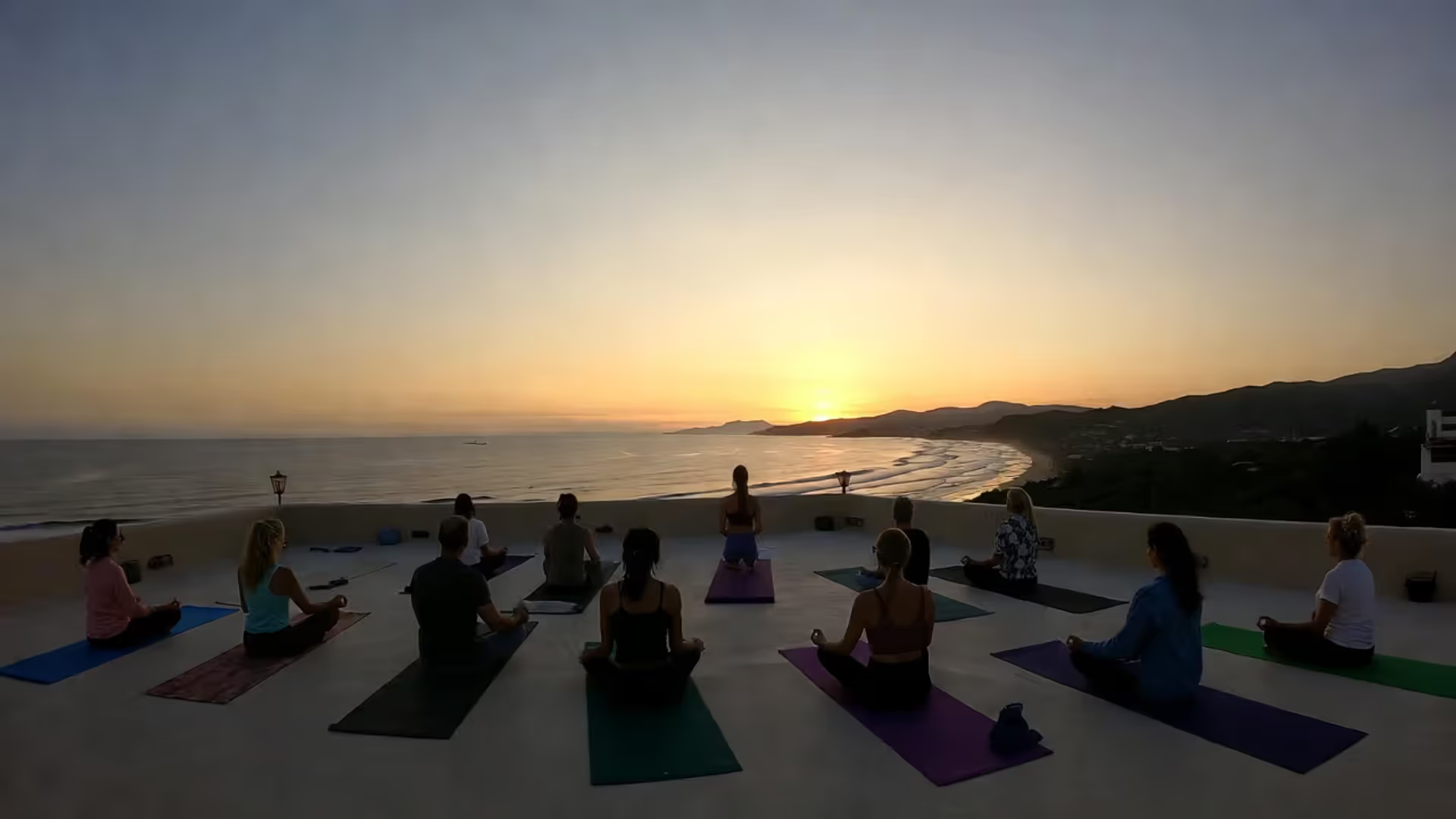
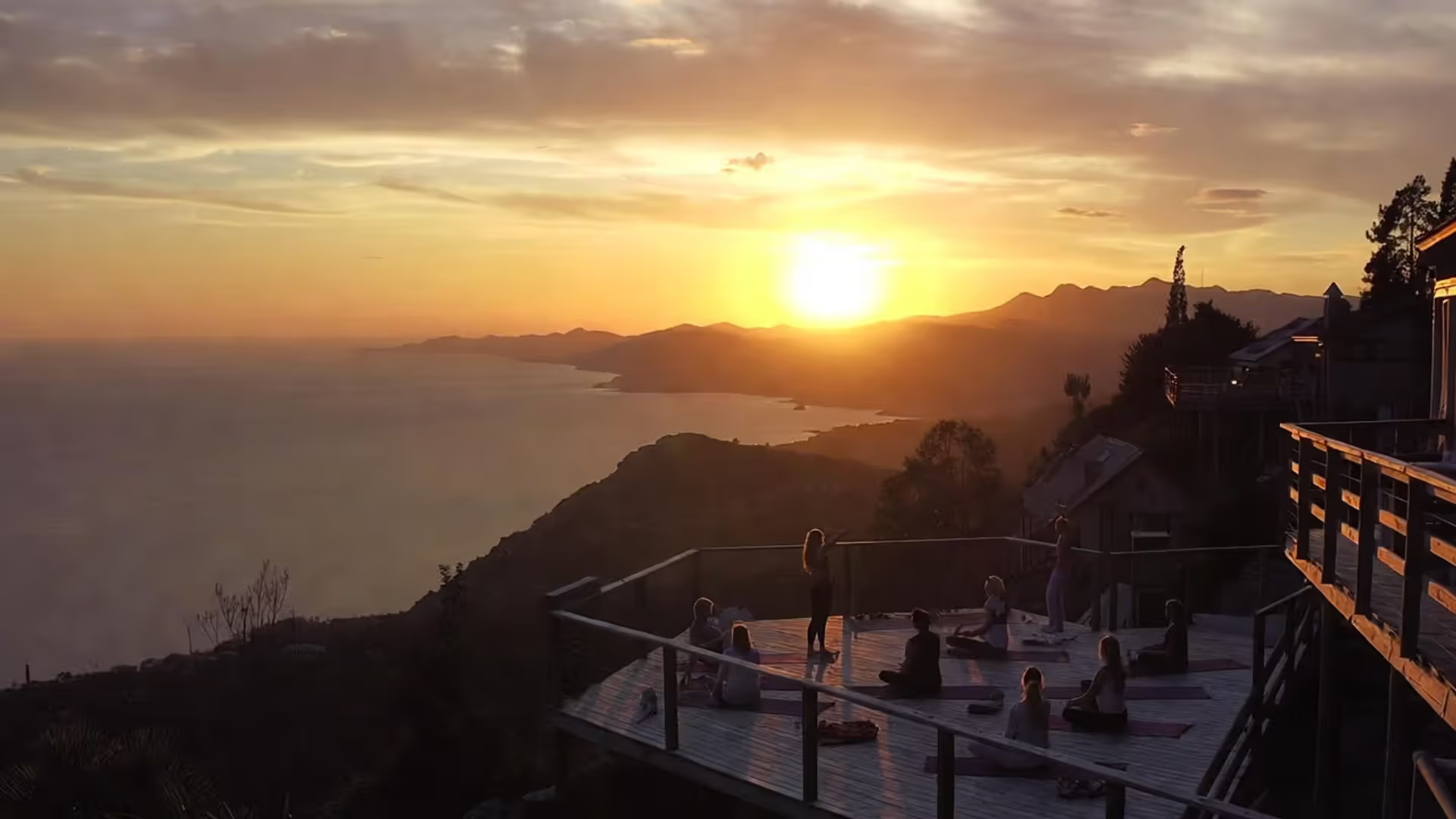

Booking a yoga retreat shouldn't feel like solving a puzzle with missing pieces. Yet here you are, comparing prices that range from $300 to $5,000, reading vague descriptions about "transformative experiences," and wondering if shared bathrooms mean bunk beds or just a lack of privacy.
This guide answers the questions that actually matter. You'll learn what separates a weekend reset from a week-long immersion, how to spot programs that overpromise, and what you're really paying for when costs triple. No guru talk, no pressure to find yourself—just practical information for making a decision that fits your schedule and budget.
What Is a Yoga Retreat and Who Is It For?
A yoga retreat structures your entire day around practice, rest, and often complementary activities. This differs from adding a yoga class to your beach vacation. The retreat controls your schedule—when you eat, when you practice, when you have free time.
Think of it as temporary routine replacement. You'll practice twice daily, eat scheduled group meals, and follow a rhythm someone else designed. The environment usually removes you from regular life, whether that means driving two hours to the mountains or flying to Hawaii.
Duration shapes the experience significantly. Weekend programs run Friday evening through Sunday afternoon. Five to seven days is standard for domestic retreats—long enough to feel different, short enough to avoid burning all your vacation time. Programs lasting ten days or more typically involve international destinations or serious meditation immersion.
Who actually benefits? People stuck in patterns they can't break at home. That might mean you practice yoga regularly but want deeper instruction. Or you're burned out and need structure that forces rest. Solo travelers use retreats to meet people without awkward bar scenes.
The common requirement: you're willing to follow someone else's schedule and temporarily disconnect. If you need constant WiFi or can't imagine eating breakfast at 7:30 AM every single day, this format will frustrate you.
A wellness yoga vacation retreat asks for different commitments than a regular trip. You can't skip the morning session because you stayed up late. You can't order room service instead of eating with the group. Some people find this liberating. Others feel constrained.
Types of Yoga Retreats (From Budget to Luxury)
Price differences reflect real variations in what you'll experience, not just marketing.
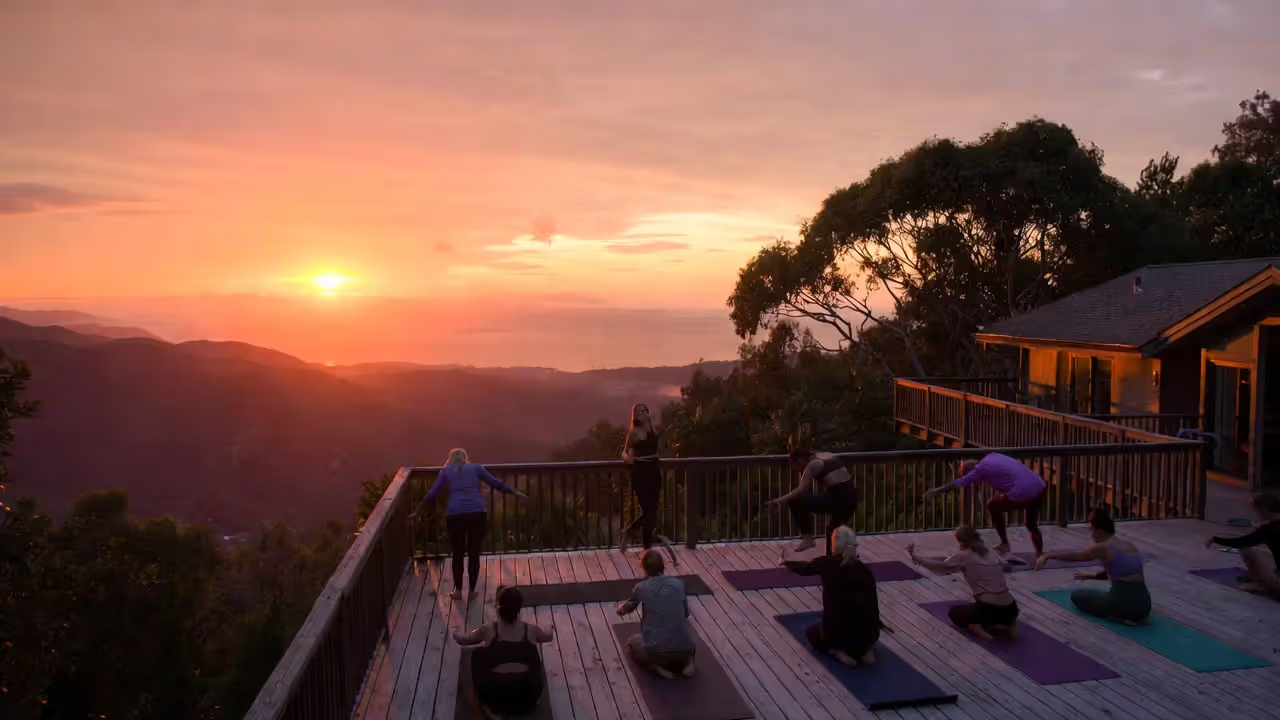
Author: Jackson Wright;
Source: yogapennsylvania.com
Affordable Yoga Retreats
Budget programs typically cost $300-$700 for a weekend or $900-$1,500 for five days. You'll share a room with one to three people—sometimes bunk beds, sometimes twins with a bathroom down the hall.
Local instructors lead classes. This often means solid teaching without celebrity pricing. Meals are simple and vegetarian, though not always organic or locally sourced. Venues might be camps, retreat centers, or converted farmhouses.
These affordable yoga retreats work if practice matters more than amenities. You'll still get two daily sessions, group meals, and downtime. What you won't get: private space when you need alone time, dietary customization beyond basic vegetarian, or spa treatments.
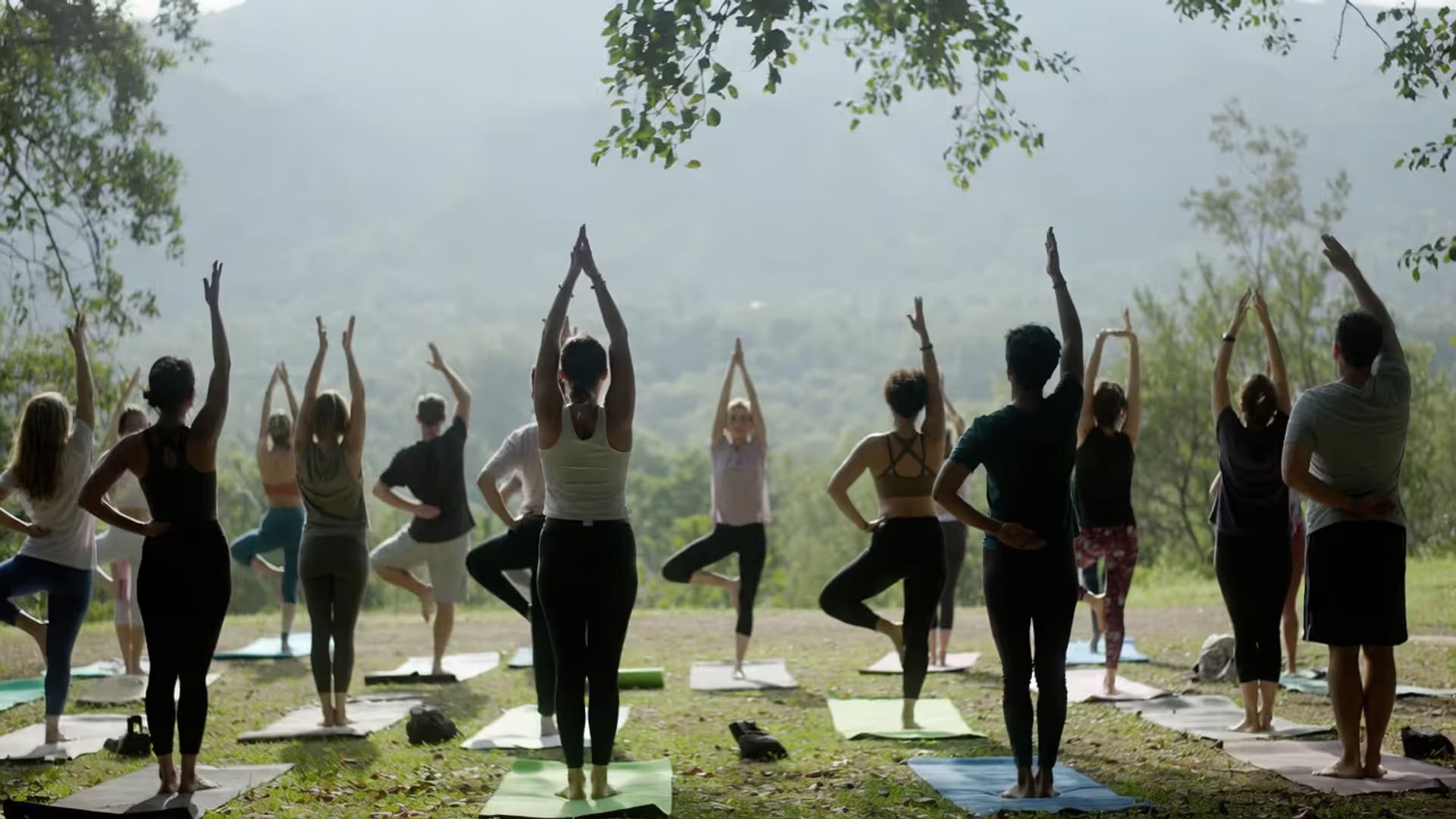
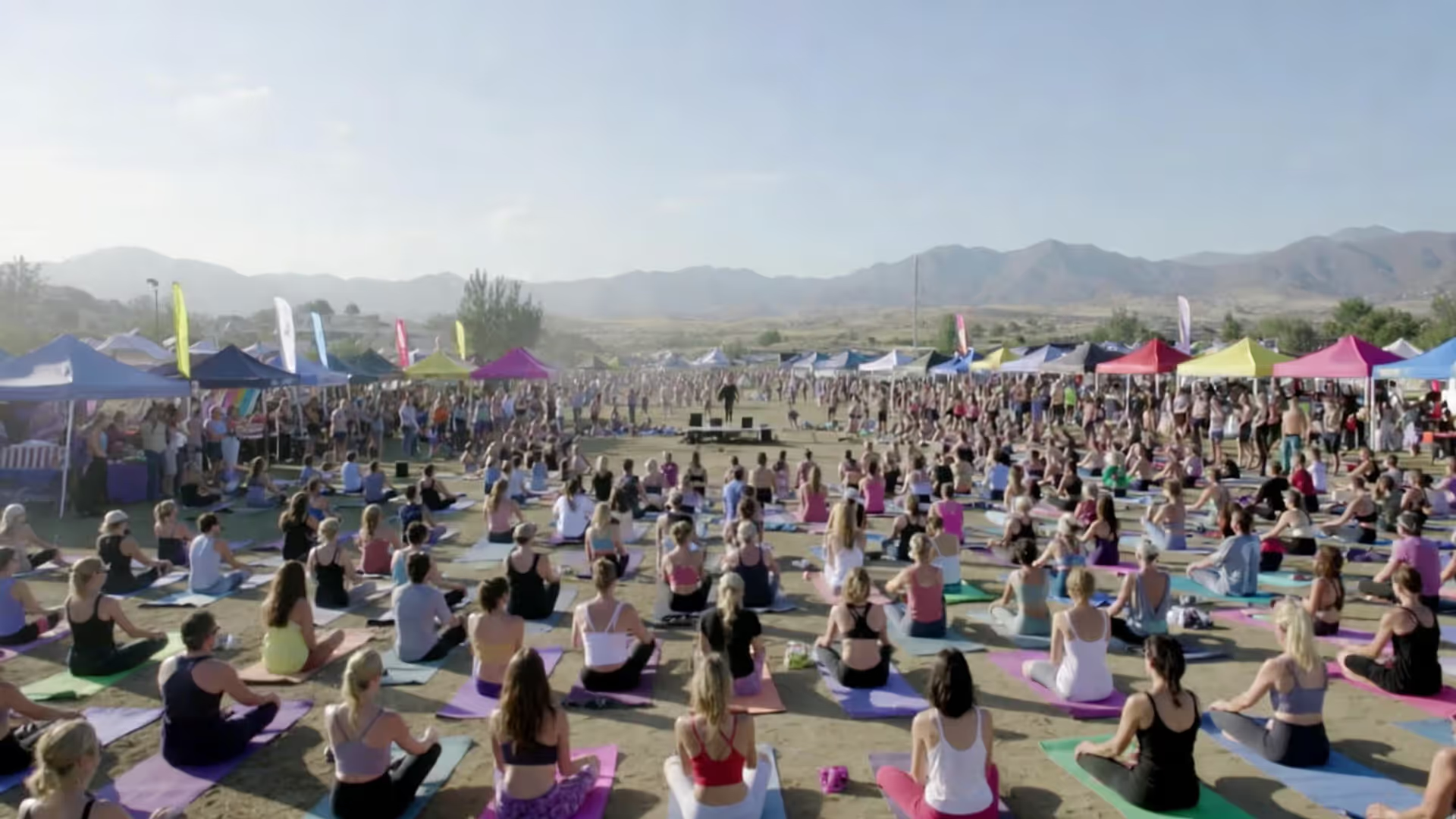
Community-based programs deserve separate mention. Studios or nonprofits run these with accessibility as a priority. Pricing might include payment plans or work-trade options. Group sizes tend toward 20-30 people, which some find energizing and others overwhelming.
A quick rule of thumb: if accommodation details seem vague, expect basic. "Shared rooms available" usually means you're definitely sharing unless you pay extra for a private upgrade.
Luxury Yoga Retreats in the USA
Expect $2,500-$5,000+ for a week at luxury programs. Private rooms with en-suite bathrooms are standard. Some properties offer standalone casitas with outdoor showers or mountain views.
Food becomes a selling point rather than just fuel. Meals feature organic produce, creative plant-based dishes, and accommodation for allergies or preferences. Coffee is freshly roasted, not drip from a carafe. Snacks appear strategically throughout the day.
Luxury yoga retreats USA properties bundle spa treatments—massage, facials, energy work. Daily schedules might include guided hikes, sound baths, or Ayurveda workshops. The instructor-to-student ratio drops significantly. Premium programs might offer one teacher per six participants.
Private excursions differentiate top-tier options. This could mean boat trips, horseback riding, or hot springs visits. Transportation gets arranged for you instead of requiring rental cars and navigation.
The environment matters here. These properties invest in design—meditation pavilions overlooking canyons, infinity pools, curated art. You're paying for setting as much as instruction.
Meditation and Yoga Retreat Experiences
Some programs emphasize stillness over movement. A meditation and yoga retreat might feature one gentle yoga session daily, with most time spent in seated or walking meditation.
Silent retreats eliminate speaking except for necessary exchanges. No phones, no books, no journaling. Just practice and observation. This isn't for casual participants—you need tolerance for discomfort and your own thoughts.
Breathwork and mindfulness sessions often replace second yoga classes. You might spend 90 minutes learning pranayama techniques or practicing body scans. This appeals to people who already move plenty and want to work on mental patterns.
Spiritual immersion programs lean into philosophy and energy practices. Expect chanting, ceremonial offerings, discussions about yoga sutras, or chakra workshops. These require openness to concepts that might feel unfamiliar.
| Retreat Type | Average Cost | Ideal For | Typical Duration |
| Budget Community | $300-$700 | First-timers, social travelers | Weekend |
| Standard Domestic | $1,200-$2,500 | Regular practitioners | 5-7 days |
| Luxury Resort | $3,000-$6,000 | Comfort seekers, celebrations | 5-7 days |
| Silent/Meditation | $800-$2,000 | Experienced meditators | 3-10 days |
| Adventure Hybrid | $1,500-$3,500 | Active travelers | 5-7 days |
Weekend Yoga Retreat Near Me vs Destination Retreat
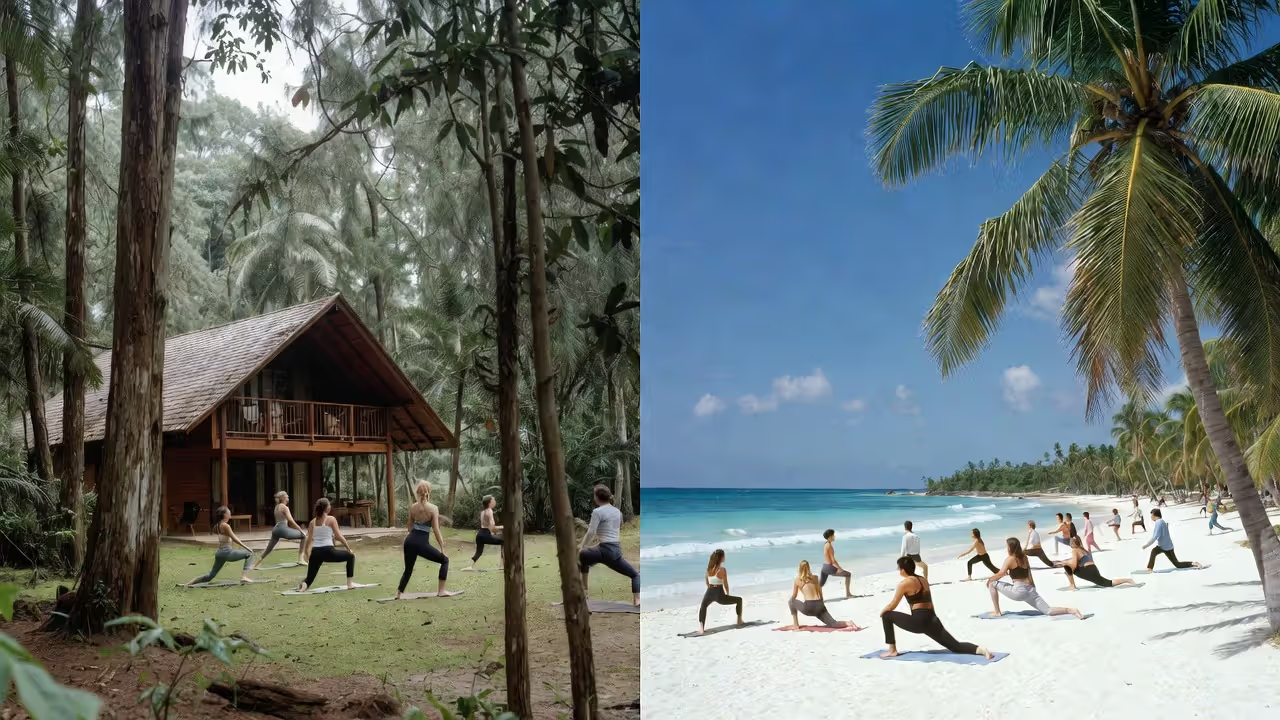
Author: Jackson Wright;
Source: yogapennsylvania.com
Geography changes more than travel time. It shifts what the retreat can offer and what you'll take away.
Benefits of a Weekend Yoga Retreat Near You
Searching "weekend yoga retreat near me" solves the biggest friction: no plane tickets or week-long commitments. Drive two hours Friday after work, return Sunday evening. Total investment is 48 hours and $400-$800.
Lower travel costs mean attending multiple retreats yearly instead of treating it as a rare splurge. This frequency builds consistency. You'll notice progression when returning to the same venue or teacher quarterly.
The short commitment works for testing whether retreats suit you. Three days reveals if you enjoy structured schedules and group dynamics without a major financial or time bet. If you hate it, you're only out a weekend.
Quick resets have value even for experienced retreat-goers. You won't achieve deep transformation in 48 hours, but you can interrupt stress patterns. Getting away from home, sleeping without alarms, and practicing twice daily for two days can shift your nervous system enough to break cycles of poor sleep or anxiety.
Local programs also let you meet people in your area who share interests. You might find practice buddies or learn about studios you weren't aware of.
When a Destination Wellness Yoga Vacation Makes More Sense
Flying somewhere changes the psychological impact. Your brain knows you can't just leave if bored or uncomfortable. That commitment forces settling in rather than mentally keeping one foot out.
Deep immersion requires adjustment time. Day one involves acclimating to the schedule, room, people, and food. Day two you're still figuring out social dynamics. Real shifts happen days four through seven, when you've stopped thinking about what you're missing at home.
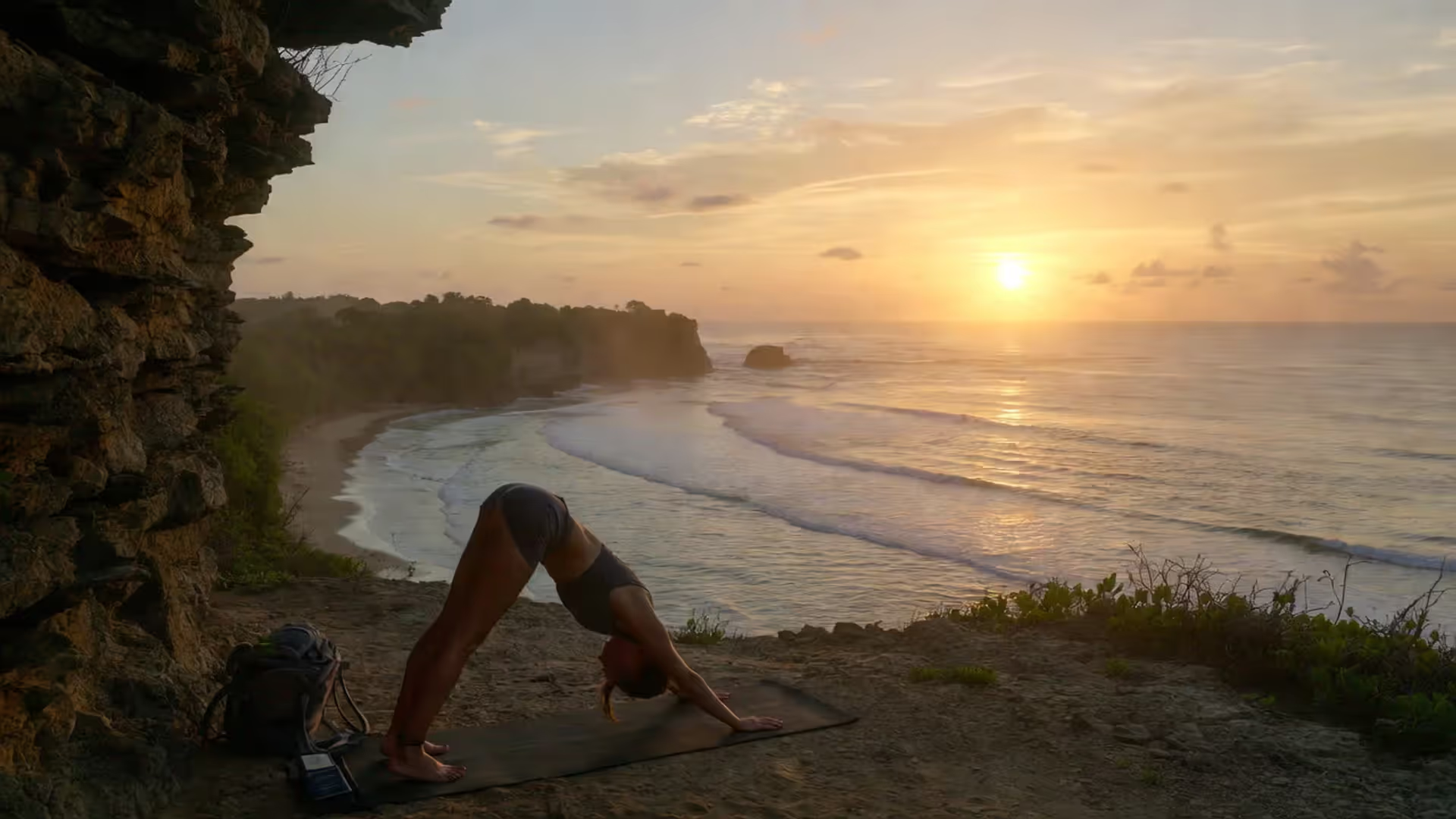
Scenic locations aren't just Instagram backdrops. Practicing yoga while looking at red rock formations or ocean waves affects the experience. Your nervous system responds to natural beauty differently than to studios overlooking parking lots.
Cultural experiences add dimension to wellness yoga vacation trips. Southwest retreats might include Native American site visits or local plant medicine traditions. Hawaiian programs might teach about traditional spirituality or foods. This context deepens understanding of why you practice, not just how.
Destination retreats force digital detox more effectively. When close to home, checking work email feels tempting. When you're in Utah with spotty service and your phone locked in a box, that option disappears.
Best Yoga Retreats 2026: What to Look For
The retreat landscape keeps evolving. What worked five years ago might feel dated, and programs understanding current needs deliver better experiences.
Trends Shaping Yoga Retreats in 2026
Author: Jackson Wright;
Source: yogapennsylvania.com
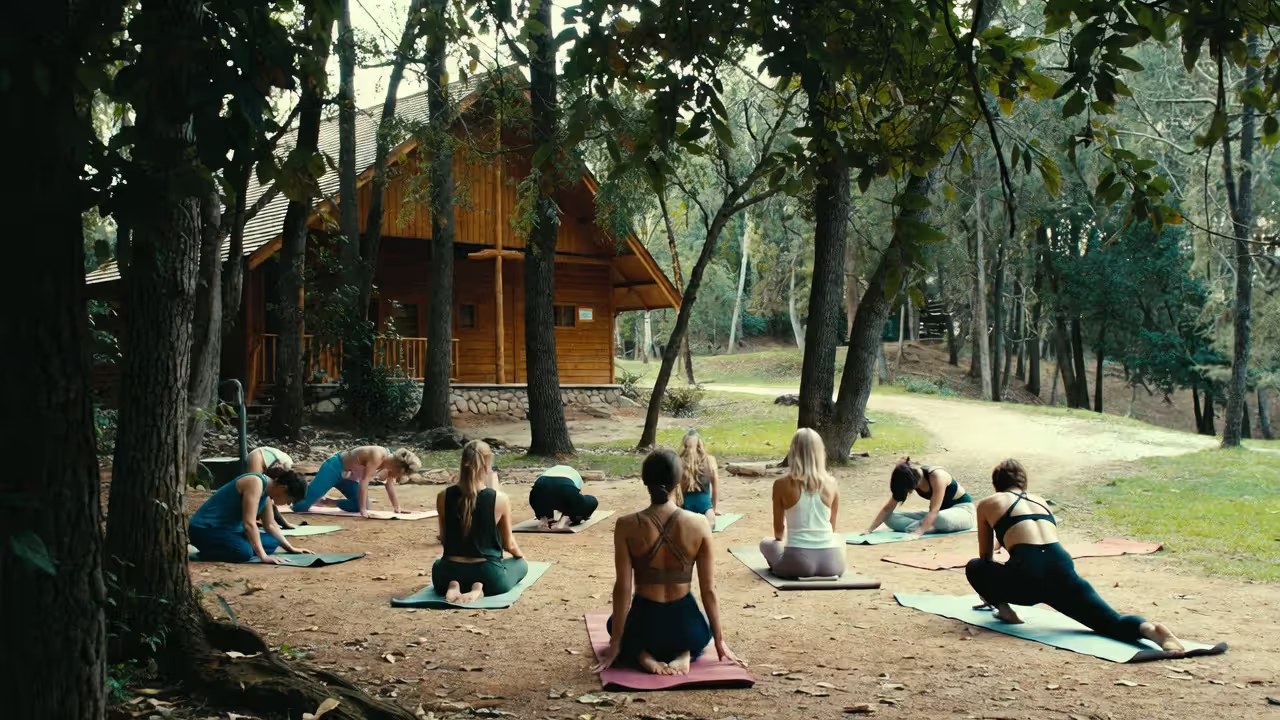
Eco-conscious travel is no longer optional for many participants. Properties installing solar panels, composting systems, and water conservation can charge premium prices because this aligns with participants' values. If a luxury retreat isn't transparent about sustainability, that raises questions.
Hybrid yoga and adventure programs grow rapidly. These combine morning yoga with afternoon mountain biking, rock climbing, or paddleboarding. The appeal: yoga benefits without feeling like you're just sitting around between sessions. This format works well for people who get restless during traditional downtime.
Trauma-informed and inclusive spaces represent a significant shift. More instructors train in trauma-sensitive yoga, meaning they avoid surprise touch adjustments and don't use potentially triggering language. Retreats promoting themselves as LGBTQ+ friendly or body-positive aren't just checking boxes—they're recognizing traditional yoga spaces have excluded many people.
Digital detox retreats specifically market phone-free experiences. You surrender devices on arrival. Some find this terrifying, others liberating. The best yoga retreats 2026 programs in this category provide analog alternatives—actual books, board games, art supplies—rather than just creating a void.
Red Flags to Avoid When Booking
Vague itineraries signal disorganization or programs designed to look good in marketing but lacking substance. If schedules just say "morning yoga, lunch, afternoon activities, dinner" without specifying times or yoga styles, that's a problem. You need to know if "morning yoga" means restorative at 7 AM or vinyasa at 6 AM.
No instructor credentials listed means keep looking. A 200-hour registered yoga teacher has different training than someone with 500 hours plus specialized certifications. This information should be front and center, including teaching experience and whether they've led retreats before.
Hidden fees turn reasonable-looking prices into something much higher. The listing says $1,200 but doesn't mention spa treatments cost extra, excursions aren't included, and there's a $200 airport transportation fee. Read every word about what's included versus optional.
Overcrowded programs sacrifice instruction quality and relaxation ability. If there's one teacher for 30 students, you won't get individualized attention. If bedrooms sleep four people each with 40 participants total, finding quiet time becomes difficult.
Booking Checklist:
- Daily schedule with specific times and class styles
- Instructor bios with certifications and experience
- Complete pricing breakdown (accommodation, meals, activities)
- Recent reviews (within last 12 months)
- Cancellation and refund policy clearly stated
The right retreat doesn’t promise transformation. It gives you structure, space, and time — the rest is up to you.
— Mark Stephens, yoga teacher
Popular Locations for Yoga Retreats in the USA
Geography shapes retreat experiences in tangible ways. Temperature, landscape, and altitude affect how your body feels during practice.
West Coast (California, Oregon, Washington)
California dominates with year-round options. Big Sur offers dramatic coastal views but comes with higher prices ($3,000-$5,000 weekly). Mild weather means outdoor practice remains possible most months.
Oregon's retreats cluster around the coast and Cascade foothills. Expect lower prices than California ($1,500-$3,000) with similar natural beauty. Summer is peak season since winter brings rain.
Washington programs typically run May through September. Mountain retreats near the Cascades combine yoga with hiking access.
Southwest (Arizona, Utah)
Arizona retreats shine during winter months when temperatures stay comfortable. Sedona is the hub, with red rock settings and higher prices reflecting the location's popularity ($2,000-$4,000 weekly).
Utah programs often incorporate adventure activities—hiking in national parks, stargazing, slot canyon exploration. Spring and fall offer ideal weather. Summer gets too hot for comfortable outdoor practice.
Mountain Retreats (Colorado)
Colorado programs run primarily June through September. Higher elevations mean you'll feel the altitude during practice initially. Most properties sit between 7,000-9,000 feet.
Prices range $1,800-$3,500 weekly. Mountain settings provide natural digital detox since cell service is often limited. Expect cooler temperatures even in summer—bring layers.
Coastal & Island Retreats (Florida, Hawaii)
Florida's Gulf Coast and Keys host retreats year-round. Hurricane season (June-November) can mean last-minute cancellations but also lower prices. Expect $1,500-$3,000 weekly.
Hawaii remains the premium domestic destination. Prices start around $3,000 and climb to $6,000+ for luxury yoga retreats USA programs. The Big Island and Maui host most retreats. Winter months (December-March) see highest demand and prices.
| Location | Average Cost (weekly) | Best Season | Retreat Style |
| Big Sur, CA | $3,500-$5,000 | Year-round | Luxury coastal |
| Sedona, AZ | $2,000-$4,000 | Oct-April | Desert/spiritual |
| Colorado Rockies | $1,800-$3,500 | June-Sept | Mountain/adventure |
| Maui, HI | $3,500-$6,000 | Year-round (peak Dec-March) | Island luxury |
| Oregon Coast | $1,500-$3,000 | May-Sept | Coastal/nature |
How Much Do Yoga Retreats Cost?
Breaking down expenses helps evaluate whether prices reflect value or markup.
Accommodation: This is the biggest variable. Shared rooms in budget programs cost $40-$80 nightly. Private rooms at standard properties run $120-$200. Luxury accommodations can hit $400-$700 per night.
Meals: Three daily meals typically cost retreats $30-$50 per person for basic vegetarian food. Luxury programs with organic, locally-sourced ingredients might spend $80-$120 daily per person. You're also paying for the convenience of not planning or preparing food.
Instruction: Teacher costs vary wildly. Local instructors might charge $500-$1,000 for a weekend program. Well-known teachers can command $5,000-$10,000 plus travel expenses for a week.
Flights: Not included in retreat pricing but essential for budgeting. Domestic flights range $200-$600 depending on distance and timing. Hawaii flights from the mainland run $400-$800.
Activities: Standard retreats include basic offerings like hiking or swimming. Specialized activities—horseback riding, boat trips, zip-lining—often cost $50-$150 extra per activity.
Add-ons: Spa treatments typically run $100-$200 per session at retreat properties. Private yoga sessions cost $75-$150. Airport transfers might add $50-$200 each way.
Realistic total costs for affordable yoga retreats:
- Weekend: $300-$900 (program) + $0-$300 (travel) = $300-$1,200
- 5-7 days domestic: $900-$2,500 (program) + $200-$600 (travel) = $1,100-$3,100
- Luxury USA week: $3,000-$6,000 (program) + $400-$800 (travel) = $3,400-$6,800
What a Typical Yoga Retreat Schedule Looks Like
Author: Jackson Wright;
Source: yogapennsylvania.com
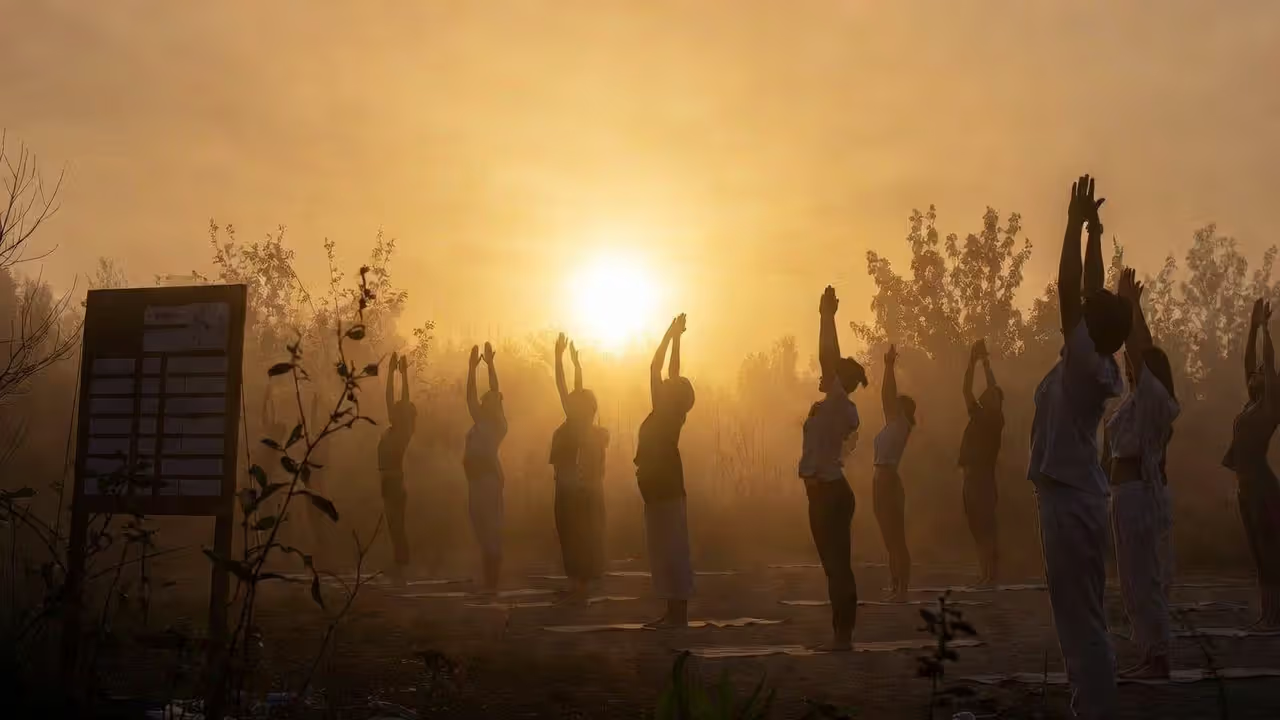
Knowing the daily rhythm helps set realistic expectations.
6:30 AM - Morning meditation (30-45 minutes)
Usually gentle—seated meditation, breathwork, or walking meditation. Optional at some retreats, mandatory at others.
7:30 AM - Asana practice (90 minutes)
This is typically the more vigorous session. Vinyasa, power yoga, or alignment-focused practice. Expect challenge and sweat.
9:30 AM - Brunch
First meal of the day, usually substantial. Oatmeal, fresh fruit, eggs or tofu scrambles, smoothies. Time to socialize or eat quietly.
11:00 AM - Workshop or free time (2-3 hours)
Workshops might cover philosophy, anatomy, meditation techniques, or specialized skills like inversions. Free time means napping, reading, journaling, or exploring the area.
2:00 PM - Light lunch or snacks
Salads, soups, sandwiches. Keeps you fueled without making you too full for afternoon practice.
4:00 PM - Free time
Hike, swim, book a massage, or rest in your room.
5:30 PM - Sunset yoga (60-75 minutes)
Usually gentler than morning practice. Restorative, yin, or slow flow. Designed to calm your nervous system before evening.
7:00 PM - Group dinner
The main social meal. Expect conversation, shared tables, and more elaborate food than other meals.
8:30 PM - Optional evening activity
Fire circles, sharing sessions, sound baths, or stargazing. Some people attend, others go to bed early.
This schedule explains why meditation and yoga retreat programs feel so different from regular life. You're eating, moving, and resting in sync with the group and natural light cycles.
How to Choose the Right Yoga Retreat for Your Goals
Matching retreat style to your actual needs prevents disappointment.
If You Want Stress Relief
Look for programs explicitly mentioning restorative practices, yin yoga, or nervous system regulation. Daily schedules should include plenty of free time—at least 3-4 hours. Avoid adventure hybrids or intensive training programs.
The environment matters more here than instruction style. Ocean or mountain views, nature access, and quiet settings support stress reduction better than retreat centers near busy roads.
If You Want Physical Challenge
Search for programs featuring power yoga, vinyasa, or ashtanga. Workshops on inversions, arm balances, or advanced sequencing indicate physical focus. Adventure hybrid retreats combining yoga with hiking, climbing, or biking fit this goal.
Check instructor backgrounds for advanced training and athletic experience. A teacher who can demonstrate and teach challenging poses makes a difference.
If You Want Spiritual Growth
Programs emphasizing meditation, philosophy, chanting, or energy work align with this goal. Look for longer durations—spiritual shifts take time. Weekend retreats rarely provide enough immersion.
Teacher lineage matters more here. Instructors trained in specific traditions (Kundalini, Sivananda, Integral) bring depth that generic yoga teacher training doesn't provide.
If You're Traveling Solo
Choose programs explicitly welcoming solo travelers. Some retreats attract couples or friend groups, making solo attendance awkward. Look for mentions of community building, shared meals, or group activities.
Shared accommodation options help meet people but verify bathroom situations. Sharing a room with three strangers becomes less appealing if there's only one bathroom.
What to Pack for a Yoga Retreat

Author: Jackson Wright;
Source: yogapennsylvania.com
Yoga mat: Verify whether mats are provided. Bringing your own guarantees cleanliness and familiarity, but adds luggage bulk.
Comfortable clothing: Multiple changes for practice—yoga pants or shorts, breathable tops. Mornings can be cold even in warm destinations. Pack layers.
Reusable water bottle: Most retreats have filtered water stations. Bring a large bottle (24-32 oz) since you'll drink more with twice-daily practice.
Journal: Many people find retreat environments conducive to reflection. A small notebook weighs nothing.
Toiletries: Don't assume retreats provide everything. Bring shampoo, soap, sunscreen, bug spray, any medications.
Modest casual clothes: For meals and downtime. Retreat environments tend toward casual, but extremely revealing clothing can feel out of place.
Flip-flops or sandals: For showers and walking around the property.
Book or e-reader: If digital detox isn't required. Downtime between sessions needs filling.
Small first-aid kit: Band-aids, pain relievers, digestive aids. Retreat properties aren't always near pharmacies.
Cash: For tipping, add-on services, or local shopping if you leave the property.
Frequently Asked Questions
Choosing a yoga retreat comes down to honest assessment of what you actually need right now. If you're exhausted, a challenging adventure hybrid won't restore you regardless of beautiful scenery. If you're bored with your practice, a silent meditation retreat might feel torturous instead of deepening.